
Who Saves the Most on Chicago–Manila Nonstop
Philippine Airlines’ November 9 flight is about sixteen hours and forty minutes in the air. From Chicago, that can cut several hours off a West Coast stop. From Milwaukee or Detroit, the short hop to O’Hare still leaves you ahead—until Cebu asks for a terminal change.
Chicago’s clock
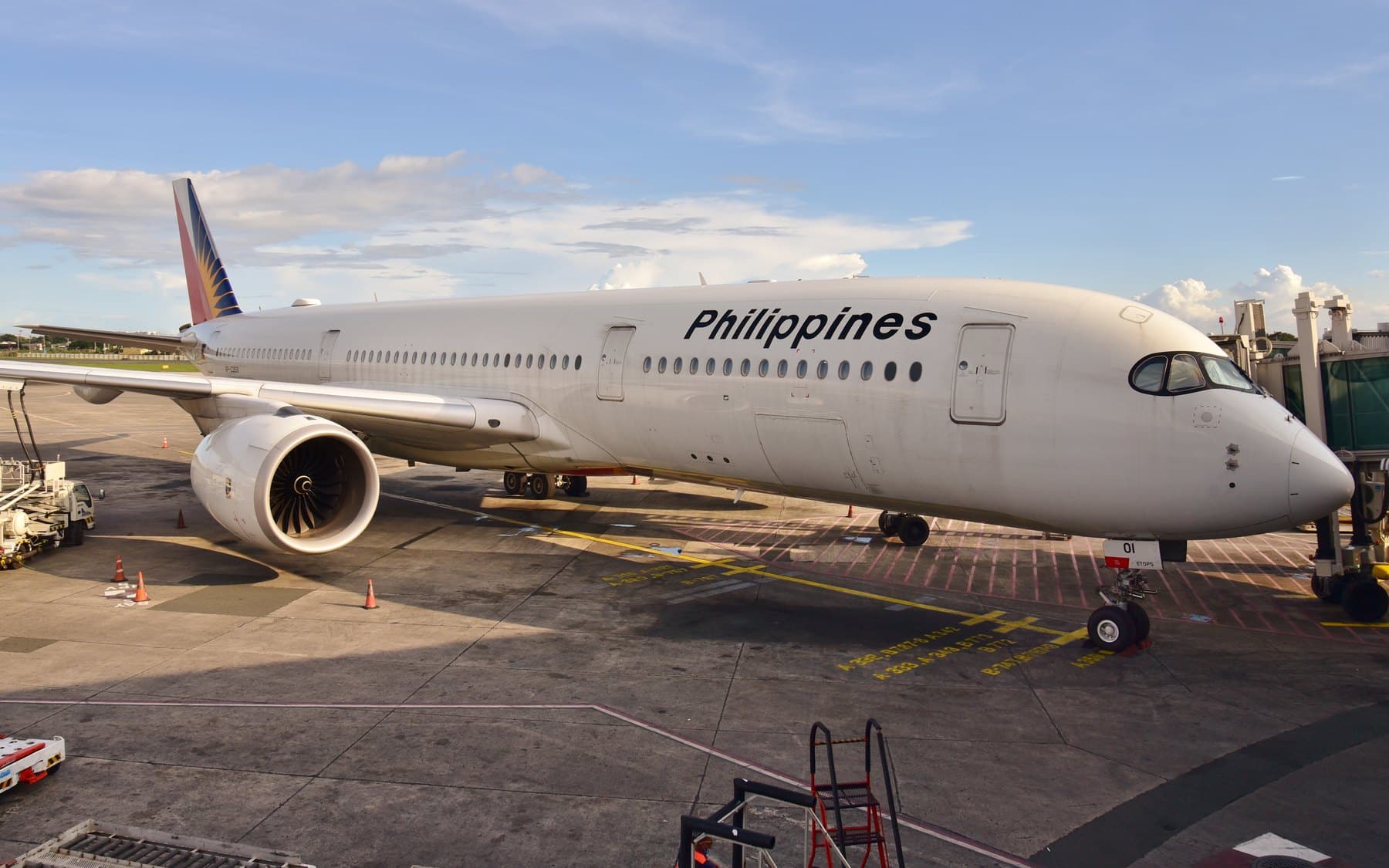
Philippine Airlines, the Philippines’ flag carrier, starts Chicago O’Hare–Manila on November 9. Flight PR133 is scheduled out of Terminal 5 at 10:45 p.m. and into Ninoy Aquino International Airport Terminal 1 at 5:25 a.m. two calendar days later. The block is sixteen hours and forty minutes, Mondays, Wednesdays, and Fridays, on an Airbus A350-900.
A common one-stop from O’Hare through San Francisco often runs about twenty-one to twenty-two hours door-to-gate when the connection is clean. United samples on a midweek day in early November sat near twenty-two hours and fifteen minutes. Other hubs can be shorter or longer. The nonstop’s useful comparison stays simple: you skip a West Coast change of planes and arrive Manila before breakfast local time.
Door-to-door from a Chicago address still adds the ride to O’Hare and security. On a PR night, that traveler saves the most pure hours against the connecting map.
Midwest feeders still come out ahead
Milwaukee, Indianapolis, Detroit, Minneapolis, and St. Louis already feed O’Hare on short hops. The new flight does not erase that first leg. On the three nights PAL flies, it does remove the need for a second stop in California or Tokyo on the long-haul.
Price the whole door. A late-afternoon or evening feeder into ORD, a buffer for Terminal 5, then the 10:45 p.m. departure, still beats a same-day stack of domestic, West Coast layover, and another Pacific overnight, if your dates are Monday, Wednesday, or Friday. On other days you are back to connecting flights.
A Chicago resident saves the cleanest block of time. A Midwest passenger who can reach O’Hare without an overnight still comes out ahead on the Pacific leg when Manila, or a calm same-ticket onward, is the point. A cheaper Taipei connection that puts the stop back on the ticket is a different product.
When the destination is Cebu
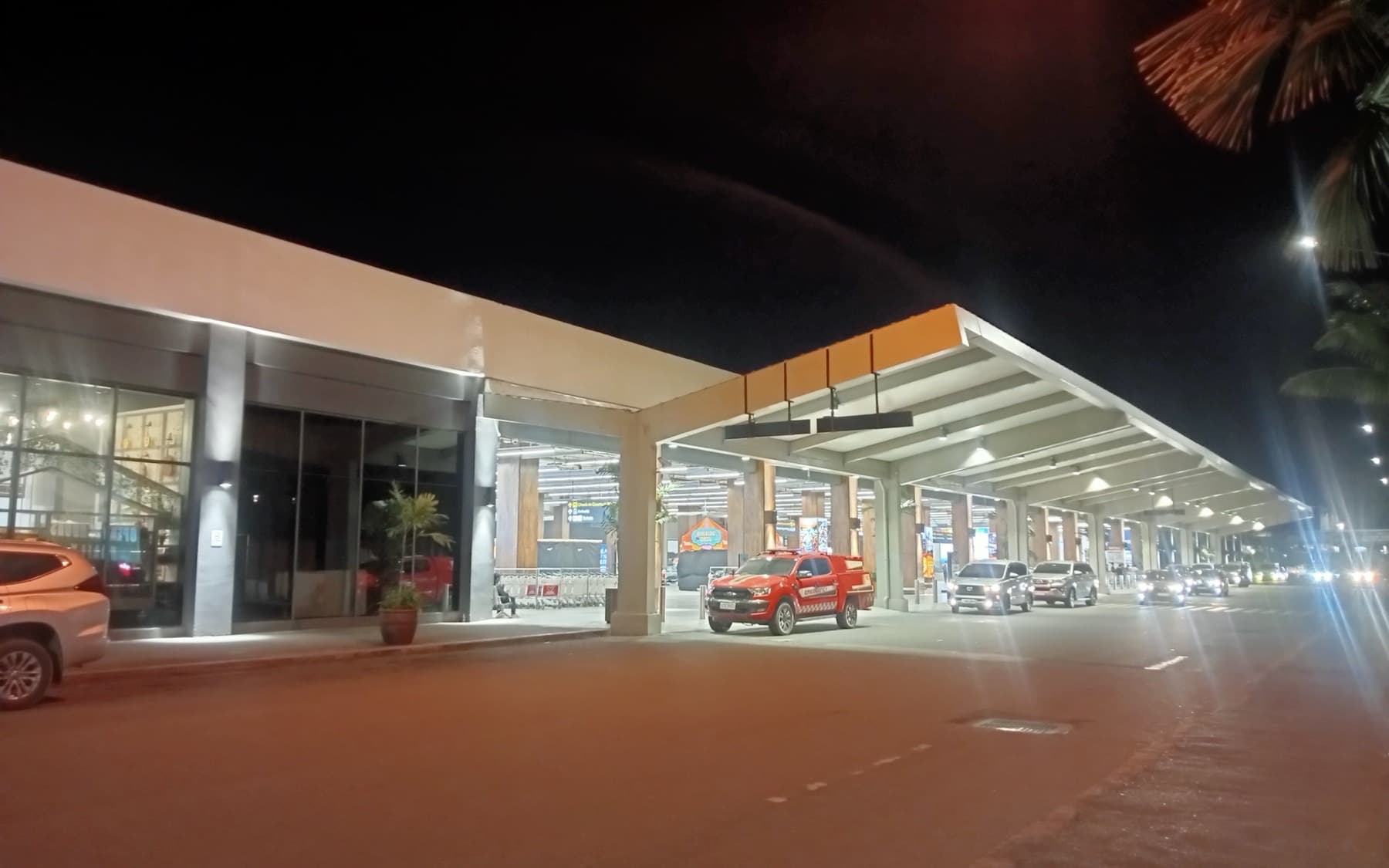
If home is Cebu, Davao, Palawan, or the airports that serve Boracay, Manila is only the transfer. PAL flies international into Terminal 1 and domestic out of Terminal 2. The airline’s published minimum for that international-to-domestic connection is one hour and fifty minutes, covering immigration, bags, customs, and the shuttle between terminals.
PR133’s 5:25 a.m. arrival can support same-day island flying, with padding. The earliest Cebu bank is already gone by then. Later morning Manila–Cebu flights, roughly an hour and a half in the air, are the realistic targets if you leave margin beyond the minimum. Many travelers will still take a Manila hotel night. The nonstop buys hours on the Pacific. The island hop still spends them on the ground in Manila.
Book the Chicago nonstop when O’Hare is your natural gate and Manila, or a carefully timed same-ticket onward, is the point. If the island connection looks tight on the day you can actually travel, keep a one-stop that lands Manila with more ground time, or plan the overnight. Five days from the first PR133, the time savings are clearest for Chicago and for Midwest cities that treat O’Hare as a short hop.
Related stories
Chicago Flies Manila Nonstop From Next Monday
The nonstop is for Monday, Wednesday, and Friday. Everyone else still shops the connection.
6 min · Nov 3, 2026
Manila Diaspora Weekend: Food First, Family Second, Traffic Always
Manila rewards diaspora travelers who cluster meals, name family days early, and stop treating NAIA as the whole story.
5 min · Jun 8, 2026
Delta Plans to Challenge Philippine Airlines on Los Angeles–Manila in 2027
Delta’s planned A350 service adds a U.S. airline and four cabin choices to Los Angeles–Manila, where Philippine Airlines currently flies 18 times weekly.
6 min · Jul 18, 2026
Chicago Already Flies Narita. Sapporo Is Next.
This morning’s Chicago flight is already over the Pacific. The Hokkaido nonstop waits until December 11.
6 min · Nov 2, 2026