
The Dolomites Are the Europe Trip for People Who Need Weather, Beauty, and Silence
Mountain hotels, driving, more mountains, hikes, food between hikes, and a sense of getting lost in wonder
Why here
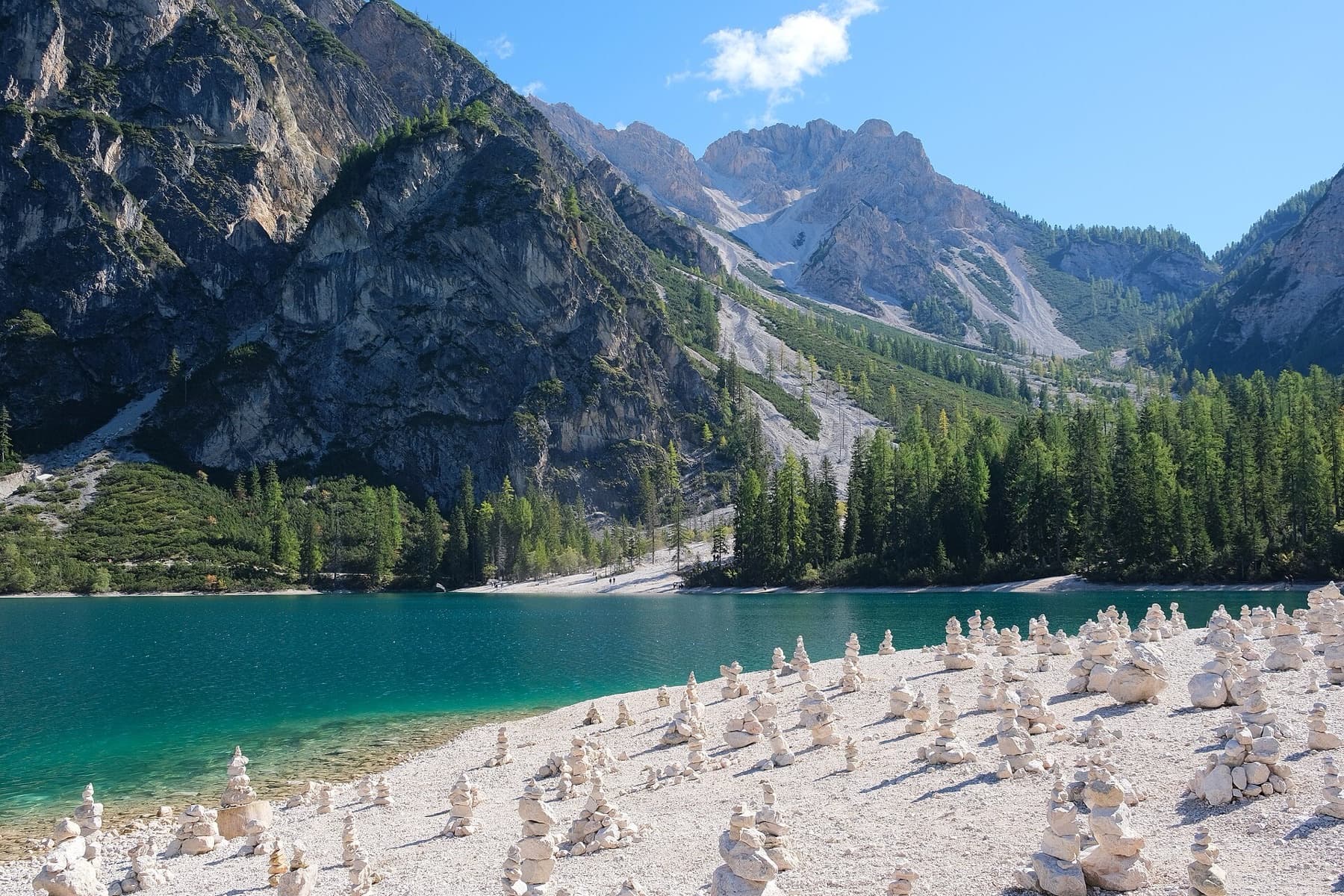
The Dolomites sell beauty without Everest ego: rose-gold peaks, pasture hotels, and hikes that do not require alpinist credentials.
You come for weather drama, quiet roads, and the kind of scenery that makes everyone drive slower without causing accidents. This is soft adventure in the honest sense: serious trails by day, speck and pasta by night, cable cars that shorten climbs without removing the view.
UNESCO inscribed the Dolomites as a World Heritage Site in 2009 for their unique pale limestone geology and dramatic vertical forms: not because a marketing team needed a badge. The drama is real.
So is the accessibility: many signature walks start from paid parking lots with rifugio lunches waiting at the turnaround.
The better argument for visiting is lunch with a view that does not require suffering first. Rifugio meals are the soft-adventure payoff: speck, bread, apple strudel, and tables facing walls that turn pink at sunset.
Use cable cars and chairlifts without shame if knees protest. You are not failing the mountains; you are matching the trip to your body.
If you loved the road-trip logic of our Banff–Jasper piece or the silence pitch in Patagonia, the Dolomites sit in that same family: landscape-first travel with excellent food between exertions. Pair planning with our Milan guide if you want city contrast before you climb.
Driving
Rent a car. Narrow passes, sudden cyclists, and parking lots that fill by 8 a.m. are part of the deal.
Bolzano, Ortisei, and Cortina d’Ampezzo work as bases depending on season and whether you prioritize wine-country arrival or ski-town energy. Stop for espresso when a viewpoint pullout appears, rushing defeats the point.
Offline maps and patience matter more than horsepower.
Italy’s autostrade and South Tyrol’s mountain roads both require an Italian highway vignette (telepass or sticker) for toll highways; ZTL limited-traffic zones in historic town centers will fine rental plates if you follow GPS blindly through old Bolzano or Cortina cores. Winter tires or chains are mandatory in many passes from November through April, rental companies enforce seasonal rules.
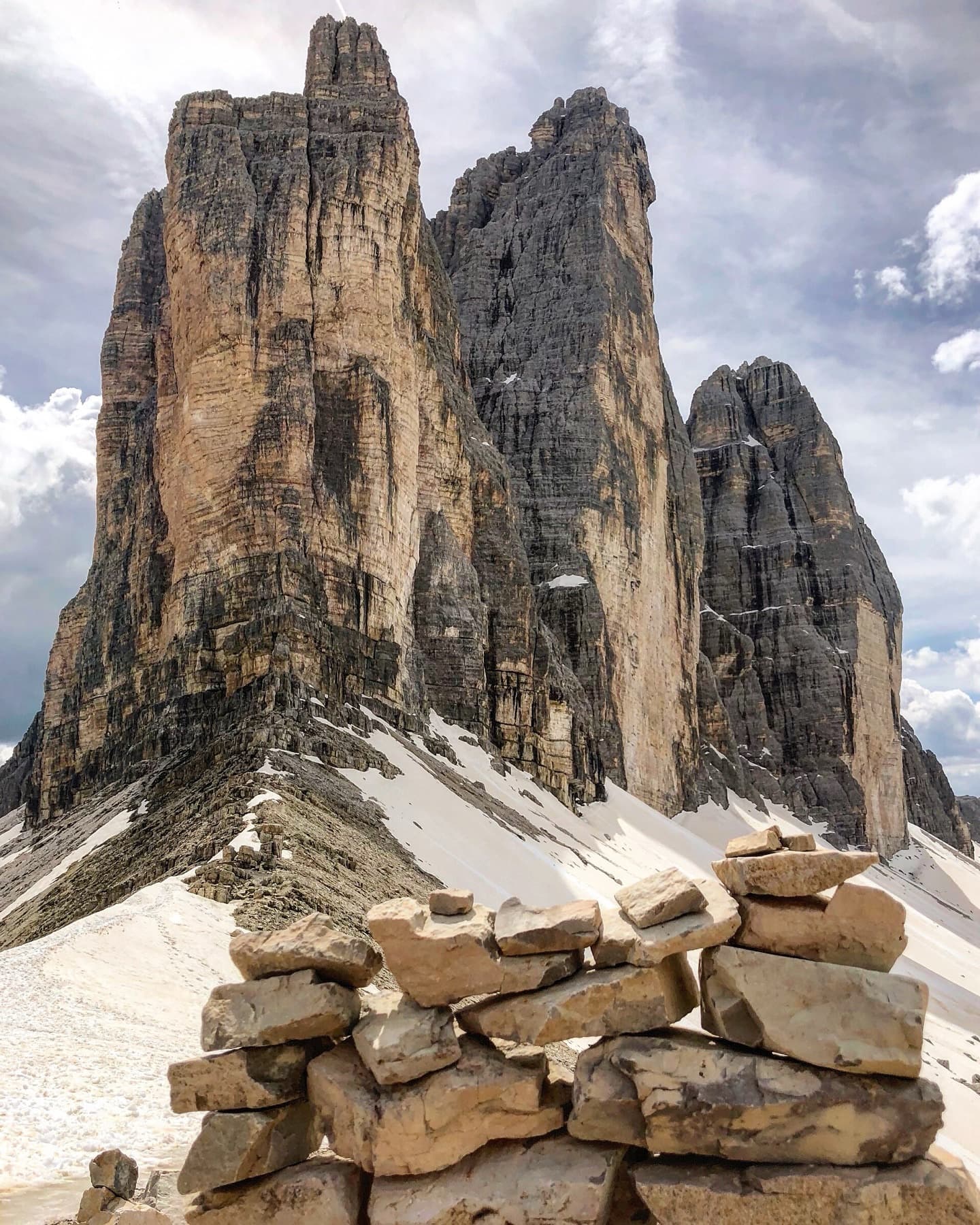
Paid trailhead parking at places like Tre Cime di Lavaredo and Seceda fills early in July and August. Arrive before 8 a.m. or accept a longer walk from overflow lots.
Cyclists share narrow passes; mirror checks and low speed are not optional.
The Great Dolomites Road (Grödnerjoch / Passo Gardena) and Sella Ronda loops are classics for a reason, and crowded for the same reason. One iconic drive plus one quiet valley day beats trying to tick every pass in five days.
Hotels
Alpine design hotels and family-run gasthofs argue comfort through wood, wool blankets, and breakfast ham: not through lobby height.
South Tyrol (Alto Adige) blends Austrian hospitality habits with Italian food seriousness. Many properties offer half-board because dinner in the mountains is not an afterthought.
Book spa slots at check-in, not after a long hike when everyone else is also booking.
Underestimated premium reads as small rooms, excellent sleep, sauna hours that actually exist, and staff who know which pass is open this morning. Ask about parking, EV charging, and earliest breakfast before you book dawn trails.
Bolzano works as a gateway night before higher passes. Val Gardena (Ortisei, Santa Cristina) suits hikers who want lift access.
Cortina delivers ski-town polish and Olympic history without requiring you to ski. Choose one base for most of the trip; packing and unpacking in mountain hotels wastes time you should spend on trails.
See the hotel box below for four specific properties across price tiers, we list bases, not an exhaustive directory. Book peak weeks (Christmas, August, February ski) before flights, not after.
Seasons
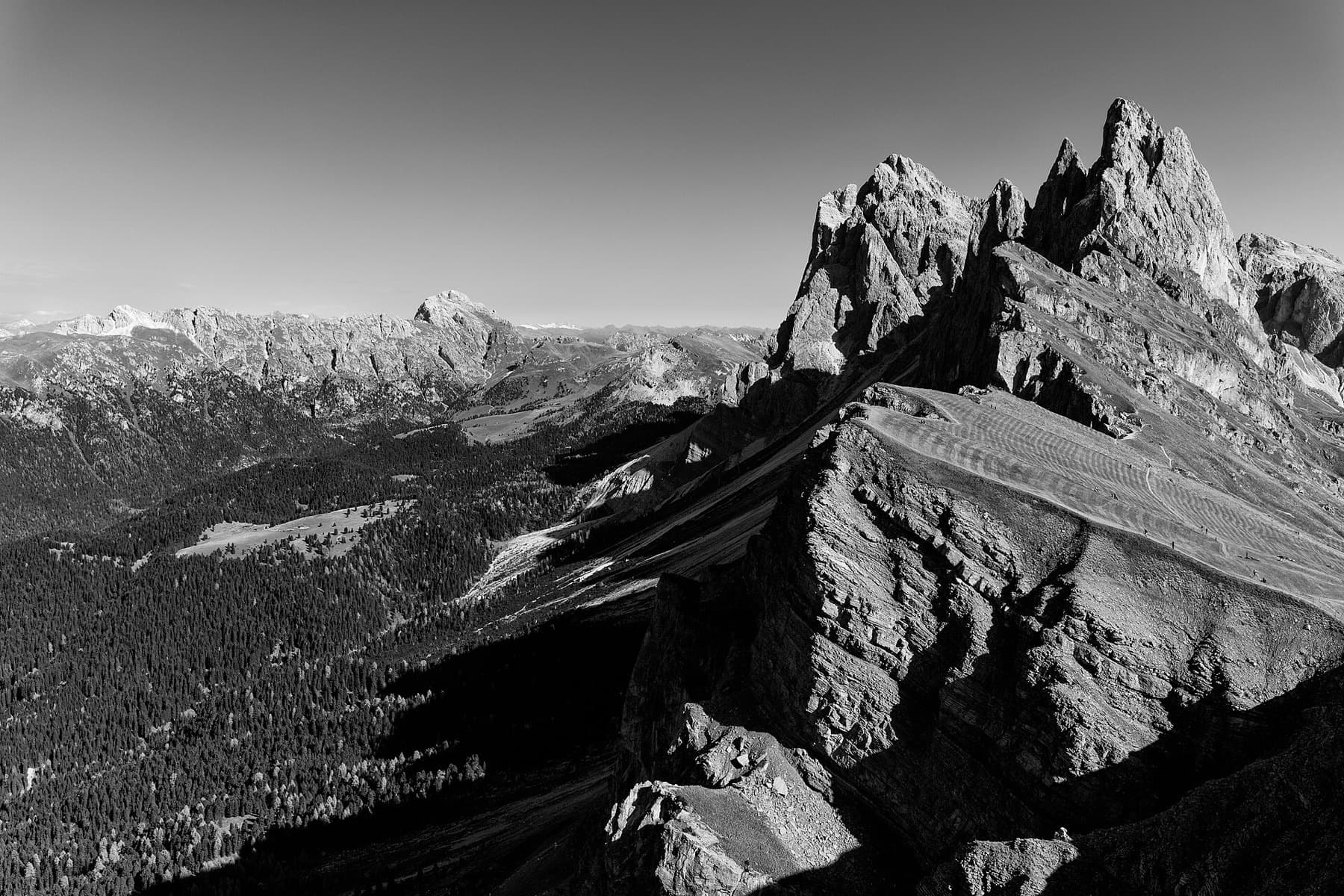
Summer (June–September) is the main hiking season: via ferrata routes, meadow walks, and rifugio lunches. Winter (December–March) flips the region to skis, mulled wine, and early darkness.
Shoulder seasons, late May, early June, September, and October, reward travelers who hate lift lines and August traffic.
Weather shifts fast. A perfect morning can cloud over by lunch; pack a rain shell even when the forecast looked benign.
Thunderstorms in summer are not abstract on exposed ridges, turn back if metal and sky start arguing.
Avoid mid-August Italian holiday crush if you dislike traffic, full rifugios, and parking chaos at Tre Cime. October larch color (especially around Val di Funes and higher valleys) justifies shoulder-season dates.
Spring snow can close high passes briefly; flexibility beats a rigid clockwise loop through every famous viewpoint.
June can still offer skiing on higher glaciers while valleys bloom, verify lift status if that matters to your group. Christmas week and February ski holidays spike prices in Cortina, Corvara, and Val Gardena; book lodging when you book flights.
A little history
The Dolomites are named for French geologist Déodat de Dolomieu, who described the calcium magnesium carbonate rock in the late 18th century: the pale stone that glows at sunset is literally "dolomite."
Human history here is Alpine and borderland history. The region shifted between Austrian Habsburg control and Italian unification; South Tyrol became part of Italy after World War I.
You still hear German in Bolzano supermarkets and Italian in Cortina cafés. That bilingual, bicultural layer shows up in architecture (Tyrolean wood balconies next to Italian piazzas), food (speck and pasta on the same menu), and road signs in two languages.
World War I left scars you can hike through: open-air museums on the Lagazuoi and Marmolada routes include trenches and tunnels carved into rock. The mountains were not backdrop; they were fortifications.
Knowing that reframes a "pretty hike" into contact with 20th-century history.
Modern tourism built on winter sports and summer trekking followed postwar prosperity. Cortina hosted the 1956 Winter Olympics; lift infrastructure and hotel stock still reflect that era updated for contemporary wellness travelers.
Today’s export image is Instagram peaks; the lived region is forestry, pasture, and towns that work year-round: not only for visitors.
Pair with
Milan for fashion, aperitivo, and an easy international arrival before you drive north, see our Milan taste guide for how to use the city without performing tourism. Venice for water and density if you accept crowds, vaporetto logistics, and a car handoff somewhere sensible.
Do not pair the Dolomites with Amalfi Coast driving fantasies in one week. Pick one landscape and stay. Verona is a gentler opera-and-piazza add-on than Venice if you want culture without luggage boats.
Fly into Venice Marco Polo (VCE), Munich (MUC), or Milan Malpensa (MXP) depending on fares and who is in your group, but check driving times honestly. Mountain roads add hours that maps underestimate.
Bolzano wine bars reward a rainy arrival night before you cross higher passes.
The flights box below summarizes typical NA and APAC routing and seasonality. Confirm schedules before booking; alpine tourism peaks do not wait for your connection.
Related stories
Milan for People Who Care About Taste More Than Tourism
Milan is not a postcard. That is the point.
3 min · Mar 30, 2026
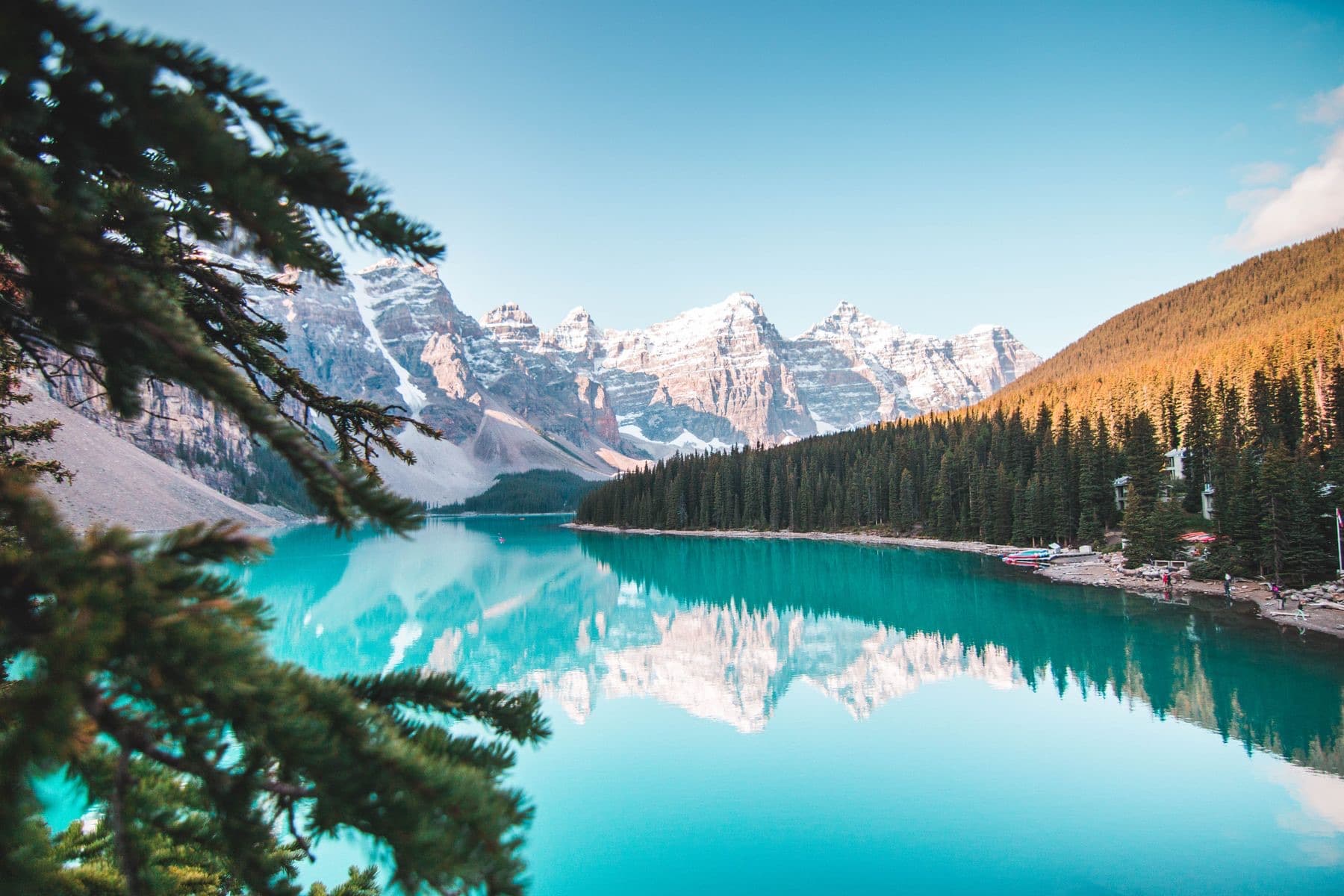
Banff, Jasper, and the Asian Family Road Trip
Nature trips work when you stop pretending everyone wants the same view.
3 min · Mar 22, 2026
Copenhagen, Stockholm, and the Asian Traveler’s Relationship to Clean Design
Scandinavia sells a mood more than a checklist.
3 min · Sep 10, 2025
Patagonia Is Not a Wellness Retreat
Patagonia punishes soft expectations.
3 min · Feb 28, 2026