
Gongura Belongs in the American Pantry
The Mango Yard’s Diwali Night in Frisco puts gongura pulao on the table Sunday. The sour Andhra leaf behind the rice is worth buying for more than one holiday plate.
Sunday’s pulao in Frisco
This Sunday, November 8, The Mango Yard in Frisco, Texas, runs a Diwali Night from 5 to 10 p.m. Special vegetarian dishes sit à la carte beside the regular menu. Order what you want and pay for each plate. One of them is Gongura Pulao, rice built around a tangy South Indian leafy green.
Balpreet Singh Chadha, the restaurant’s culinary director, leads the kitchen with executive chef Sukesh Kale. Chadha cooked at Taj and ITC hotels in India, opened Benares in Madrid (later recognized in the Michelin Guide), then Sanjh in Dallas before The Mango Yard opened in May. Kale trained in Hyderabad, where gongura is ordinary dinner language. The night also brings Dallas Bollywood band Band Tatva. Reservations run through OpenTable or Resy.
The pulao is the easiest way into the leaf if you have never ordered it. Taste the sourness in rice first. Then decide whether your pantry needs a bag of the greens.
What the sourness is doing
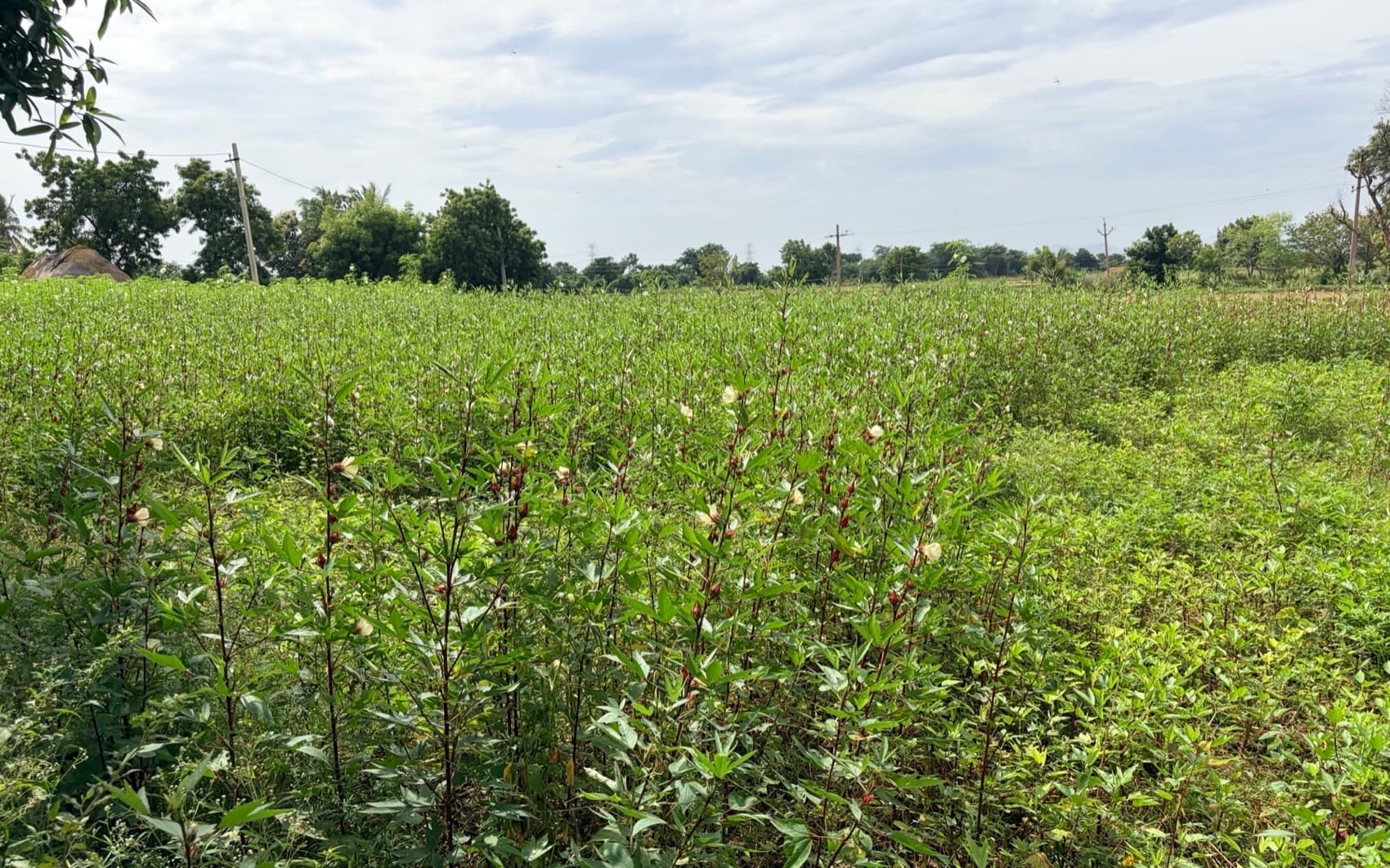
Gongura is the Telugu name for the edible leaves of roselle, Hibiscus sabdariffa. Produce clerks sometimes shelve it with milder greens. The taste is tart, sometimes almost metallic, and that acid is why Andhra and Telangana cooks reach for it the way other kitchens reach for tamarind or lemon.
Red-stemmed plants run sourer than green-stemmed ones, Andhra kitchen guides such as Godavari Heritage note. Across India the same leaf answers to other names: ambadi in Marathi, pulicha keerai in Tamil, pundi soppu in Kannada, pitwaa in Hindi. The core Andhra moves are gongura pachadi, a coarse chutney often set as a pickle; gongura pappu, the leaf cooked down with dal; pulusu, a stew where the sourness carries the dish; and meat or seafood gravies, including the classic gongura mamsam.
Vinay Talgadadevi, executive chef at Novotel Vijayawada Varun, has walked home cooks through pachadi for NDTV Food: wash and pluck the leaves, cook them with chilies and garlic until they soften and throw off that sour smell, cool, grind, finish. He also braises mutton with the leaf. Nandita Iyer, writing at The Odd Pantry, insists on drying the leaves thoroughly, dry-roasting them, then sautéing in oil before grinding. Moisture is the enemy if you want a pickle that keeps. Cook for the tartness. Mild greens will not teach you this leaf.
How to put it in a U.S. kitchen
Talgadadevi has said the hard part outside South India is finding the leaf. In the United States that search usually ends at an Indian grocery produce case labeled gongura, sorrel, roselle, or ambadi, sold in fresh bunches or as frozen packs when fresh is thin. Keep fresh leaves cold and use them within a few days.
Start where The Mango Yard starts: rice. A gongura pulao or a spoon of pachadi over hot rice teaches the flavor faster than a long meat braise. Once you like the tartness, keep a jar of pickle for flatbreads and leftover rice, cook a pot of pappu on a weeknight, and save the mutton version for a weekend when you can smell the pot. If Frisco is in reach on Sunday, eat the restaurant’s plate first. If not, buy the leaves anyway. Gongura earns its shelf space the same way good vinegar does: a little sourness that makes the rest of the meal make sense.
Related stories

Los Angeles Is a Better Food Trip Than Almost Anywhere
LA is a continent compressed into a county.
4 min · Apr 18, 2026

When the Best Meal of the Trip Is Not the Expensive One
The expensive meal is not always the truest one.
6 min · Dec 5, 2025
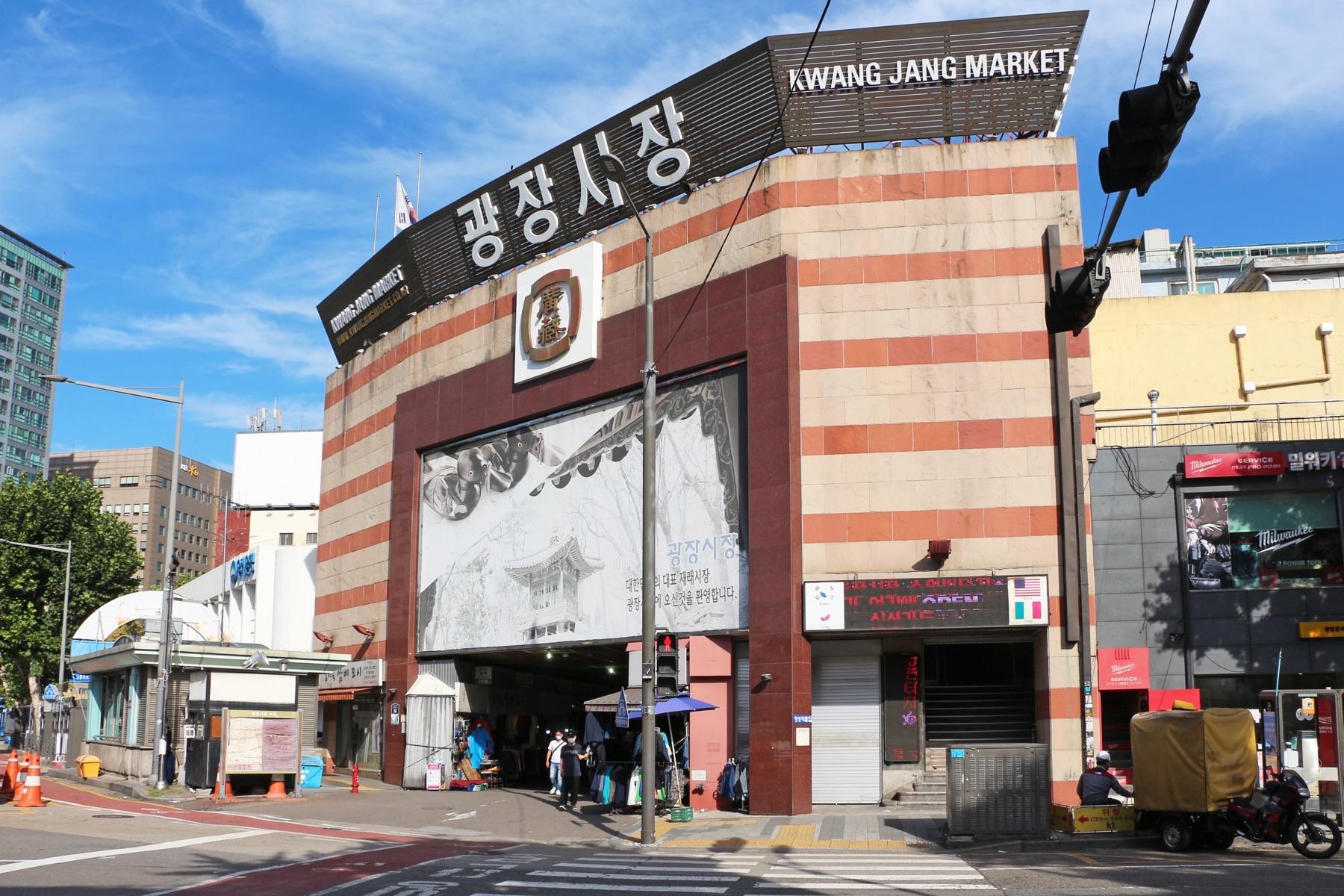
Diaspora Summer: Build a Heritage Trip Without the Guilt Itinerary
One relative day after you’ve slept. Then markets, subway, and empty afternoons—with jangma and typhoon season treated as logistics, not vibes.
6 min · Aug 3, 2026
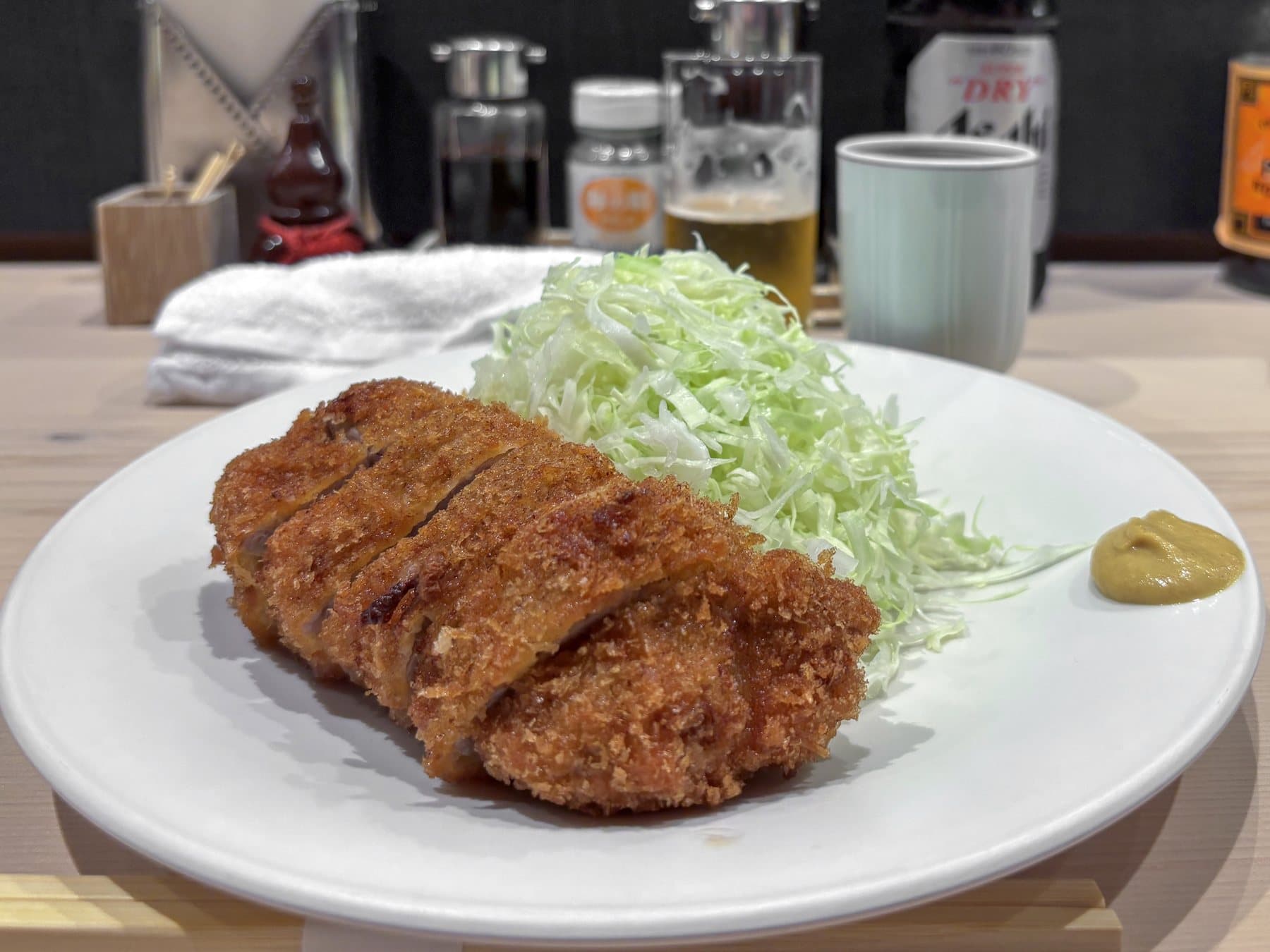
Tokyo’s Set Lunch Is About Ten Dollars
Rice is down from last year’s spike. Restaurants were still raising prices. Have the set near the station.
7 min · Oct 18, 2026
Related global reads
Transpacific Bound
Los Angeles Is a Better Food Trip Than Almost Anywhere
Transpacific Bound
When the Best Meal of the Trip Is Not the Expensive One
East Table
Japan food consumption tax cut
Go Generational
Why remittance fees still eat diaspora budgets
Medalist News
How Japanese football became a Europe export