
Inside the 118-Year-Old Japanese Prison Reborn as a Luxury Hotel
Hoshino Resorts turned Nara’s 1908 Important Cultural Property into forty-eight suites and a museum after nearly seven years—here’s the radial design, the combined cells, the booking math, and why overnight Nara matters.
A Meiji prison built to be seen
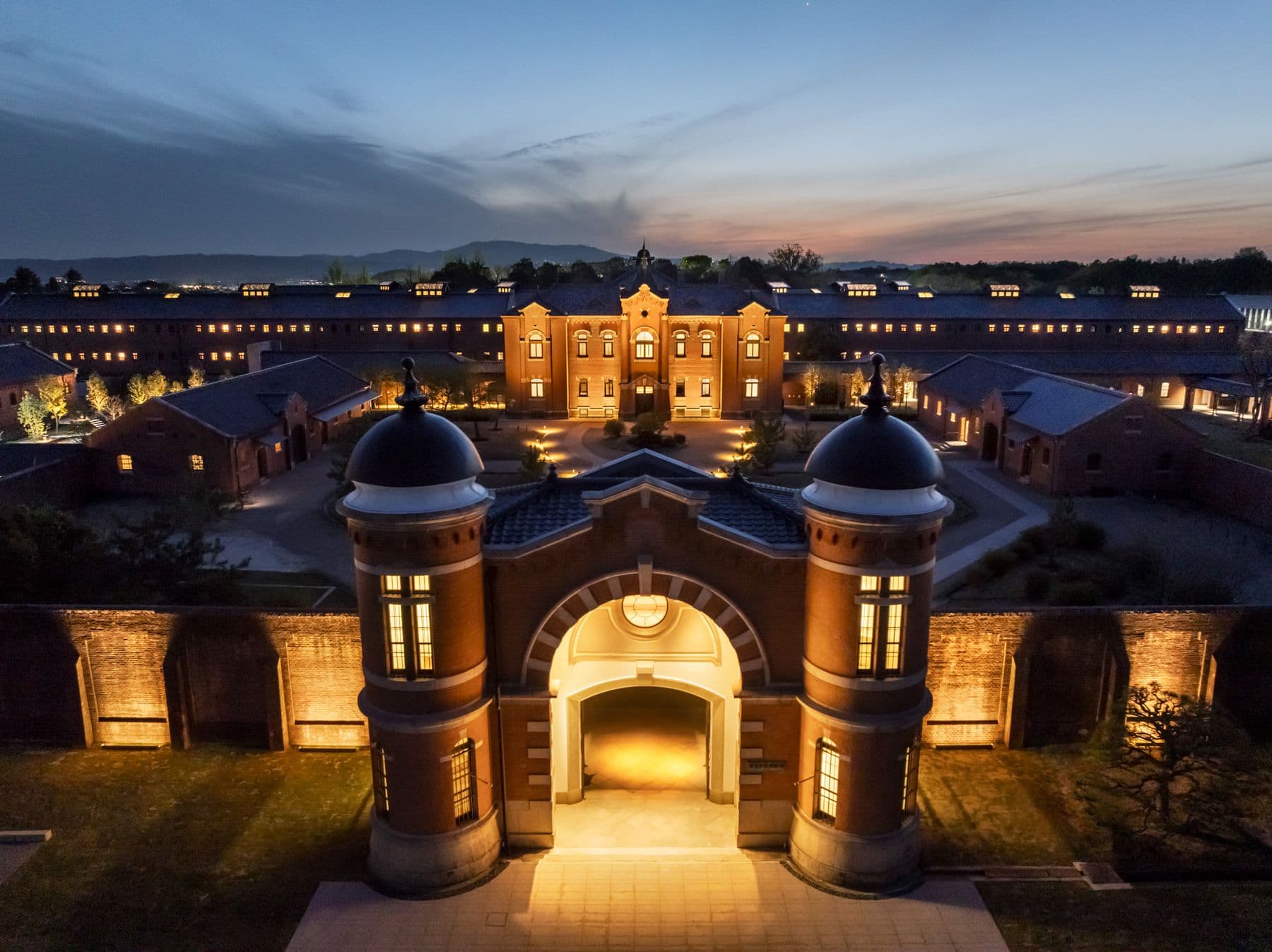
Walk up to the red-brick gate at 18 Hannyaji-cho and you are looking at a national statement from 1908. Architect Keijiro Yamashita finished Nara Prison as one of the Meiji government’s “Five Great Prisons,” civic monuments meant to prove a modernizing Japan could match international standards of confinement. The plan follows the Haviland system: cell wings radiate from a central guard station so a single watch post can command long corridors of brick and light.
Hoshino Resorts and Kyodo framing call this the only one of those five complexes to survive essentially intact. In 1946 it became Nara Juvenile Prison and spent more than seventy years as a rehabilitation campus before closing in 2017. The same year it was designated a National Important Cultural Property. From gate to radial wings, the building was never a hidden warehouse of punishment; it was architecture as prestige, then as reform, and now as hospitality infrastructure.
That 118-year arc is why the hotel’s hook is also its burden. You are not booking a themed escape room. You are sleeping inside a cultural property that spent most of its life deciding who could leave.
How cells became forty-eight suites
HOSHINOYA Nara Prison opened on June 25, 2026, with forty-eight all-suite rooms on a site of about twenty-five acres, or roughly 100,000 square meters. Press reporting ahead of opening said four of the five radial cell blocks were converted into guest wings, leaving the complex split between hotel life and museum interpretation rather than wiping the carceral plan clean.
The room math is literal. Walls between former solitary and shared cells came down so multiple cells become one suite—Asahi coverage put the range around nine to eleven cells and roughly sixty square meters. Hoshino’s own materials highlight three room types, with “The 11-Cell Deluxe” as the largest published category, complete with a dressing lounge and expansive living space. Occupancy is listed for one to two guests. The design brief from architect Rie Azuma was to heighten what the brick already offered—extraordinary volume, long sightlines, Western Meiji ambition—without pretending the plan was born as a resort.
Seismic work and hotel insertion took about seven years under an agreement with the Ministry of Justice, with Yasui Architects & Engineers on cultural-property conservation and Azuma’s team on the hospitality redesign. The project’s patience is part of the story: Japan does not hand Important Cultural Properties to overnight renovations.
What still looks like 1908
The historic main gate still greets you first. Inside, the former central guardhouse and the radiating cell blocks remain the primary orientation—functional beauty elevated into corridor drama rather than erased. Hoshino’s opening materials describe exposed hand-laid brick revealed beneath original plaster, ceiling mouldings kept in their original design, and new structural steel pillars detailed to avoid an industrial glare beside warmer wood paneling.
Lighting designers treated early electric light as a Meiji theme: indirect glow, ceramic fixtures, courtyard cues that suggest moonlight instead of floodlit spectacle. Landscape work kept large open security yards as “outside within,” inserting measured fragments of garden so overnight guests feel weather and sky without turning the prison wall into a theme-park berm.
Not every wing is yours to wander as a guest corridor. The museum holds areas where original value is the point of the visit, and hotel-only hours exist so overnight stays can meet the brick when day visitors are gone. Ask at check-in which radial arms are guest circulation, which are exhibition, and which are quiet after dark.
The Nara Prison Museum beside the keys
The Nara Prison Museum by Hoshino Resorts opened earlier, on April 27, 2026, under the concept of an “eternal question” posed by an iconic prison. Day visitors can book timed entry without buying a suite; published overseas adult admission has run about ¥3,500, with lower rates for Japan and Nara residents—confirm the live ticket page before you travel. Standard hours run 9:00 a.m. to 5:00 p.m., last entry 4:00 p.m.
Hotel guests get complimentary museum access during those hours via an exclusive pathway, plus published early-morning and late-evening windows—roughly 6:00–8:30 a.m. and 6:00–11:00 p.m.—when select areas are reserved for overnight guests. That split is the ethical hinge of the property: the museum keeps history available to people who will never pay a HOSHINOYA rate, while the hotel funds longer engagement with the same walls.
If you only have an afternoon from Kyoto, book the museum first. If you have a night, let the quiet hours do work the deer park cannot.
Rates, location, and how to book
Opening rates start from ¥147,000 per room per night, including tax and service, meals excluded. Check-in is 3:00 p.m.; check-out is noon. Reservations opened January 20, 2026, through Hoshino’s HOSHINOYA channels—phone 050-3134-8091 for the reservation center, or the official property page. Treat the yen figure as a living hospitality quote; peak weekends and room category will move it.
Dinner is the “Gastronomy Chronicle” tasting menu tracing French cuisine’s path through modern Japan; breakfast options include a Meiji-style Western set published around ¥6,380, plus Japanese, Western, and lighter choices. Complimentary Akane tea service runs in the main lounge; a gramophone hour fills the dining lounge; a paid evening fragrance workshop has been listed around ¥12,100. Confirm every add-on when you reserve.
Access is about ten minutes by car from JR Nara Station and about six from Kintetsu Nara, with free outdoor parking and no hotel shuttle. You are close enough to Nara Park and Tōdai-ji for a temple morning without treating the prison as a novelty stop between deer crackers and the Great Buddha. Pair one night here with Kyoto or Osaka only if you need those hubs; the point of this address is to give Nara a reason to keep you after sunset.
Why Nara wants you to stay the night
Nara’s tourism problem is famous among people who work in Japanese inbound: visitors rank the prefecture high, then sleep somewhere else. Sankei and prefectural strategy language have described the pattern as cheap, shallow, and narrow—day trips from Osaka and Kyoto that concentrate on Nara Park’s deer, leave thin evening streets, and produce some of Japan’s lowest per-visitor inbound spend. Overnight capacity and reasons to linger are the policy fix, not more afternoon selfies.
Nara City’s 2025 tourism survey, released in mid-2026, did show record foreign visitors and a record foreign overnight count, with lodging rates and stays rising together in a way officials called a shift toward a stay-oriented destination. Progress is real; the structural gap with Kyoto and Osaka remains. A 25-acre Important Cultural Property that only works if people sleep there is exactly the kind of overnight magnet the city’s conversion talk has been asking for.
Hoshino calls this a “cycle of heritage”: visiting and staying help sustain the cultural property. Read that as company thesis, then judge it by whether the museum stays rigorous and the suites refuse costume-jail theater. Forty-eight expensive rooms will not rebalance a prefecture alone. They can still teach a traveler that Nara has a civic night life measured in brick corridors, not only in park lawns.
Can a luxury stay romanticize incarceration?
Yes—if the marketing sells “sleep in a cell” as a thrill and skips who stacked the bricks. Mainichi reporting noted that bricks in the front gate were fired and stacked by inmates. The juvenile-prison decades were about rehabilitation for young people under state custody. Luxury linens do not cancel those facts; they sit on top of them.
The better discipline is tenderness without costume. Use the museum hours. Read the radial plan as Meiji statecraft and modern carceral history, not as Instagram dungeon chic. Accept that comfort is the adaptive-reuse bargain: seismic steel and European furniture make the building linger for another century, while the exhibitions keep asking what prisons are for. If a property only works when you forget the inmates, decline the booking.
Japan has many beautiful places to sleep. Few ask you to hold modernization, juvenile rehabilitation, Important Cultural Property law, and a HOSHINOYA night in the same courtyard. The gate is still the first teacher. Walk through it slowly, stay long enough that Nara keeps the revenue, and leave the novelty punchlines at the station.
Related stories
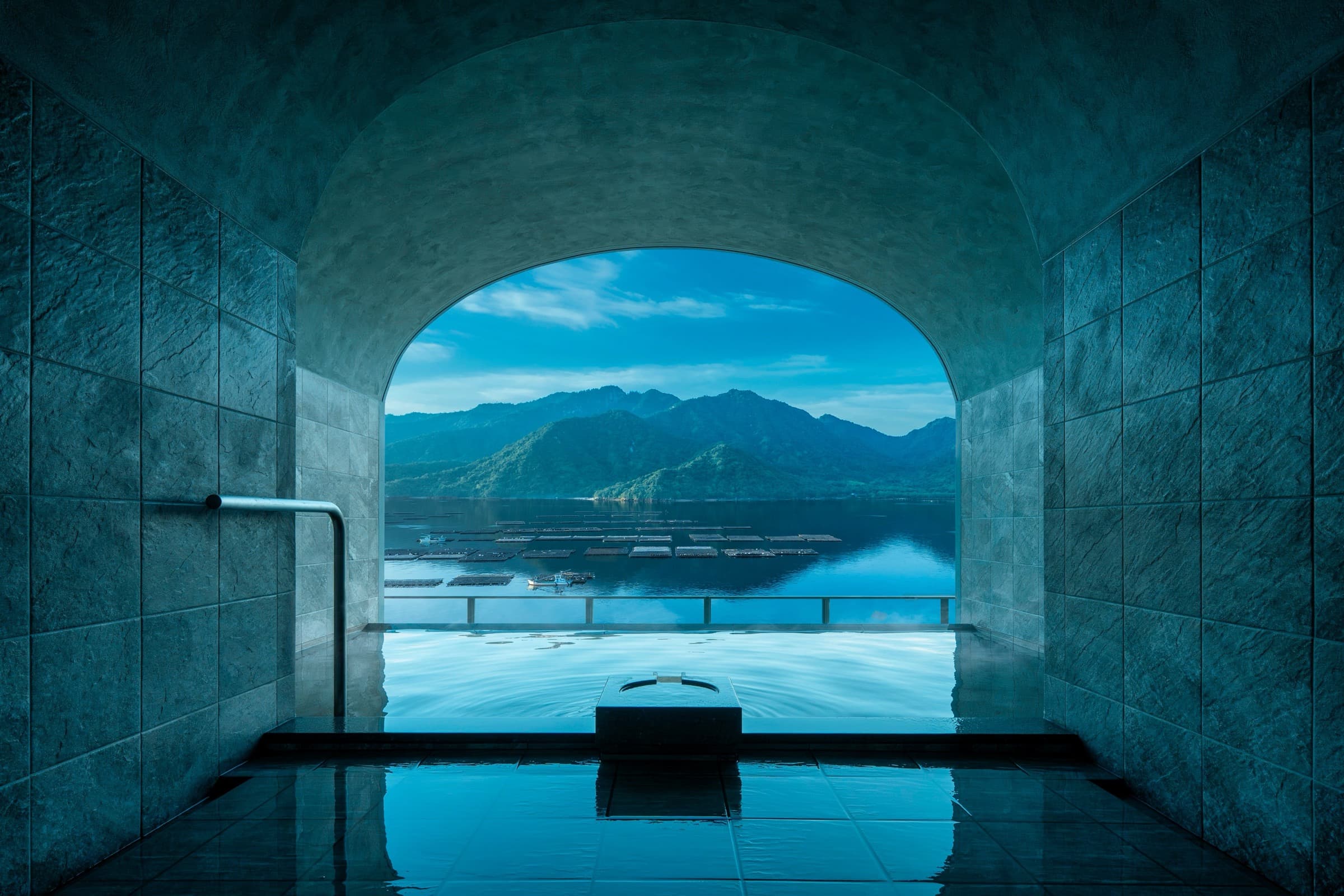
Sleep Facing Miyajima Without the Island Crowds
Hoshino’s first Hiroshima ryokan opened at Miyajimaguchi Onsen on July 23. Here’s the Umigiri room story, the sea-level bath, and how to pair a calm mainland night with an island day.
4 min · Jul 25, 2026
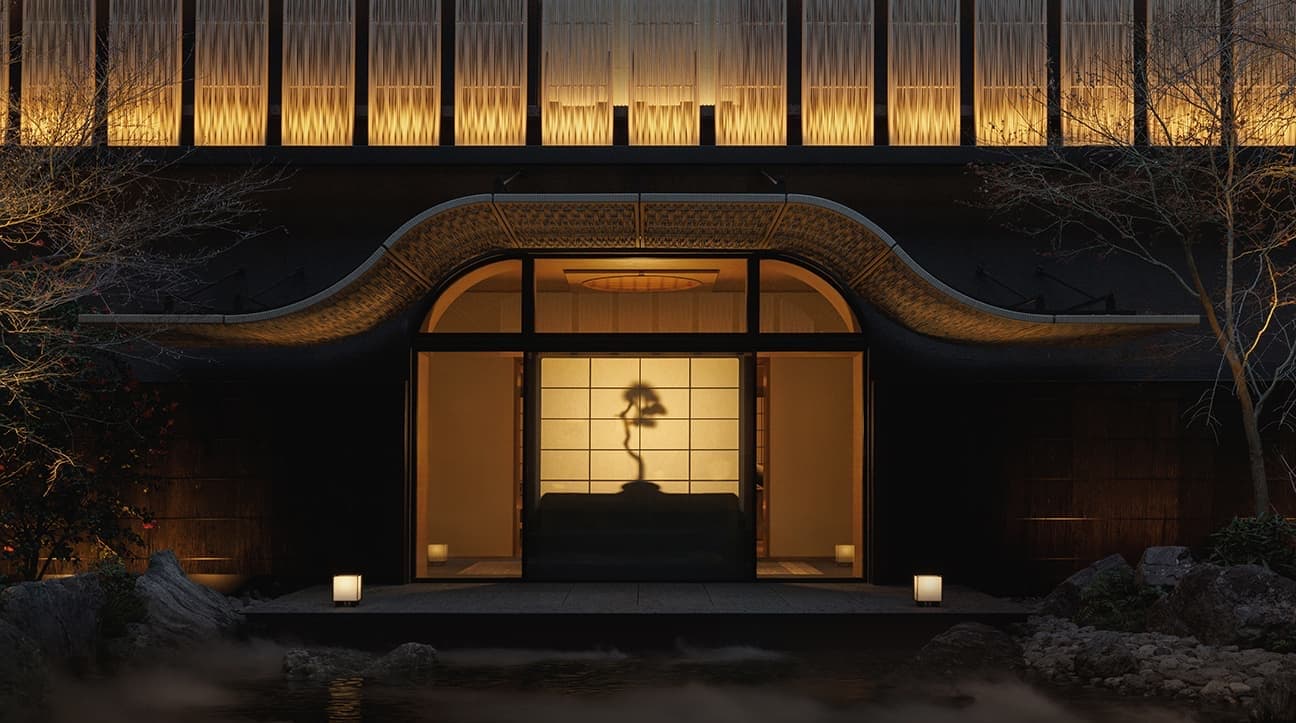
Capella Kyoto Puts SingleThread on a Miyagawa-cho Counter
Capella opened in Miyagawa-cho on March 22 with onsen suites, Auriga Spa, and a twelve-seat SingleThread counter. Here’s what to book, confirm, and leave for another Kyoto night.
4 min · Jul 27, 2026
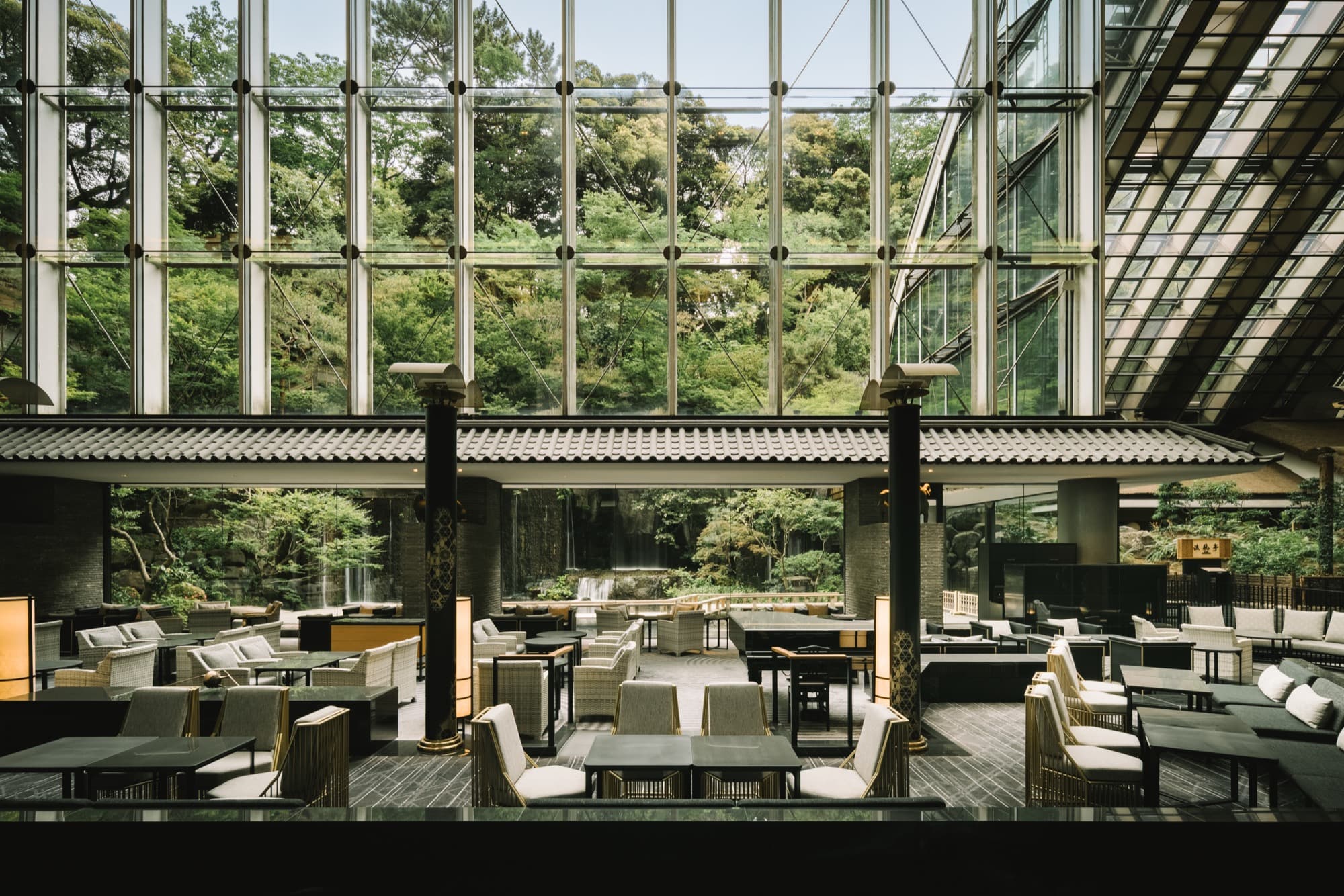
Hotel Gajoen Tokyo Reopens July 27, Before the LXR Nameplate Arrives
Bookings opened July 8 for a July 27 restart: sixty rooms of 70 square meters or more in Meguro, garden restaurants, and a heritage Tokyo stay that is not yet wearing the LXR badge.
4 min · Jul 21, 2026
The First Heritage Trip Should Not Be a Performance
Land, sleep, eat in public, and do one relative visit after you can form sentences. Revelation, if it comes, can wait for a later ticket.
5 min · May 15, 2026