
Beyond Singapore: Southeast Asia Is Building Its Next Generation of Cruise Ports
Malaysia, Thailand, and neighbors are pouring money into terminals that pull travelers into hotels, food, and day trips—not just through immigration queues.
Singapore set the regional standard
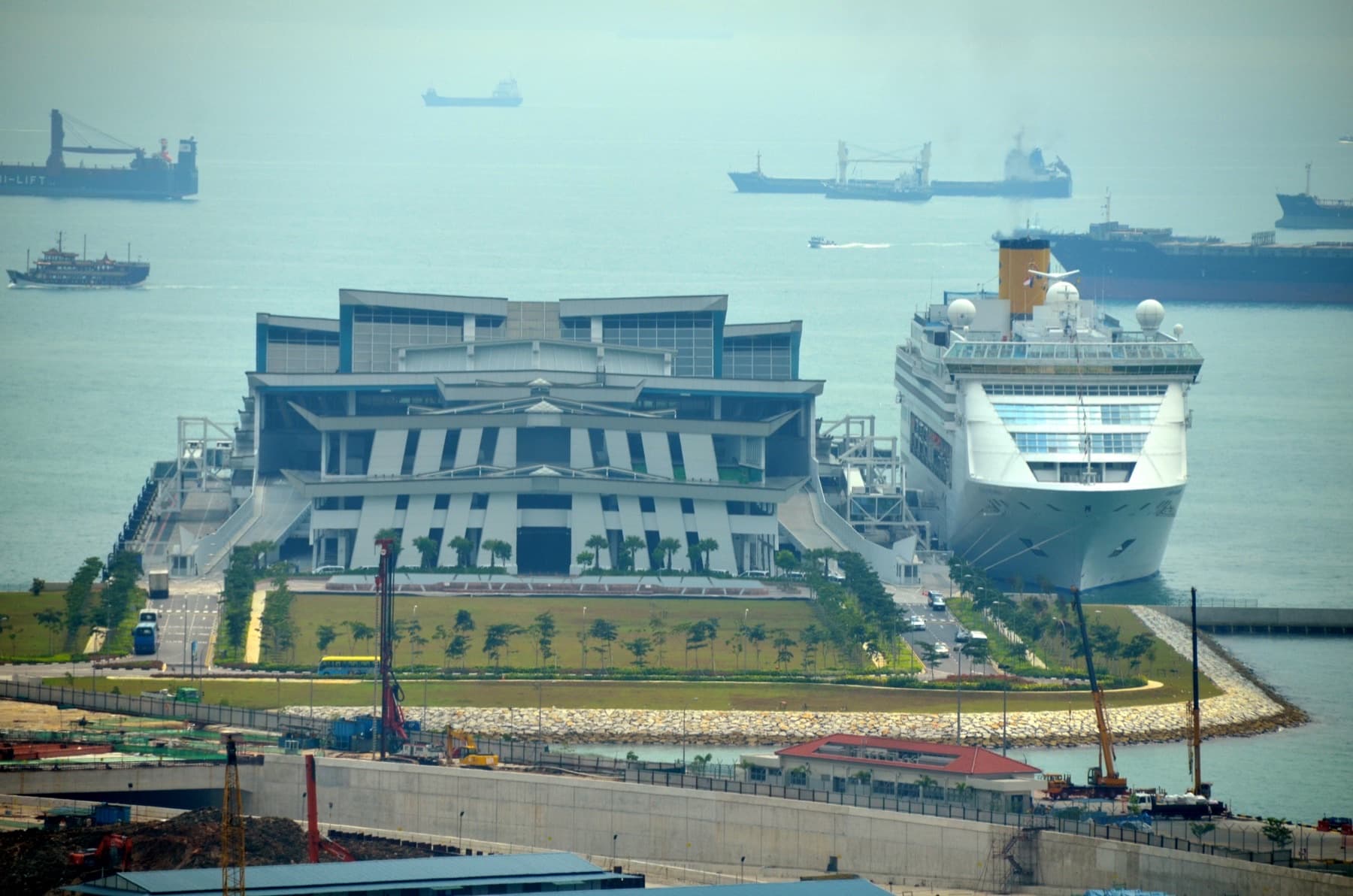
For most travelers planning a Southeast Asian cruise, Singapore is still the obvious boarding gate. The city pairs Changi’s long-haul reach with a purpose-built terminal at Marina Bay that can put two mega-ships alongside at once. In 2024, Singapore recorded about 1.8 million in cruise passenger throughput from 340 ship calls, according to the Singapore Tourism Board. Industry reporting in Travel Weekly Asia put roughly half of those passengers as international visitors.
The quieter story is what the terminal now does once people arrive. In October 2025, operator SATS-Creuers finished a S$40 million upgrade at Marina Bay Cruise Centre Singapore, lifting design capacity from 6,800 to 11,700 passengers and splitting check-in so Pier 1 and Pier 2 can board in parallel. The new ground-transport area adds coach bays and more than double the ride-hailing lots. Early baggage drop sends bags straight to the ship. On selected days, shuttles run toward Gardens by the Bay and Chinatown; hotel and Changi baggage transfers are available; and the Cruise-Fly service lets international guests check bags for same-day flights after they disembark, then spend a few unburdened hours in the city.
Neighbors are watching that template closely: a port that works like a short city break with a ship attached, not only a hall that clears passports.
Malaysia’s fly-cruise bet
Malaysia is positioning itself as a complementary homeport—especially for travelers who want Kuala Lumpur, Penang’s food, or Melaka’s old town before they sail. Port Klang sits roughly an hour from KLIA and the city, which is the practical heart of the pitch. Regional lines have already homeported ships there and in Melaka alongside Singapore schedules; Chinese-branded tonnage has tested the same idea, including Piano Land’s late-2025 stay at Port Klang Cruise Terminal reported in Travel Weekly Asia and other cruise trade coverage.
Money is following the ships. On New Year’s Day 2026, Tourism Malaysia said it would open its RM50 million Charter Flight Matching Grant—previously limited to charter aviation—to cruise operators, agents, and tour companies bringing ships into Malaysia, with Penang singled out as a priority. The pot is shared with flights, so treat the figure as an open incentive pool rather than a cruise-only fund. Penang’s Swettenham Pier is aiming for nearly one million cruise passengers and about 170 international calls in Visit Malaysia Year 2026, up from roughly 700,000 passengers and 120 calls the year before.
The network logic matters as much as any single pier. MMC Port Holdings, which runs dedicated cruise facilities in Port Klang, Penang, and Langkawi, has argued publicly that ASEAN ports should link itineraries instead of treating every berth as a rival to Singapore. Farther east, Sarawak officials said in March 2026 that a Damai cruise port near Camp Permai is planned for ships carrying 2,000 to 6,000 guests, with construction eyed for late 2026 or early 2027 so Borneo stops being skipped on Phuket–Penang–Singapore–Hong Kong routings. Cost and completion dates remain unpublished. Treat Damai as serious intent, not an open terminal.
Koh Samui and Thailand’s longer horizon
Thailand’s biggest proposed leap is on Koh Samui, where the Marine Department has advanced a cruise terminal at Laem Hin Khom in Taling Ngam. The project is framed as a public-private partnership covering about 47 rai—roughly 15 onshore and 32 offshore—with total investment pegged near 12.17 billion baht. Recent Transport Ministry reporting points to Cabinet approval in 2027, tendering in 2028, and an operational launch in 2032, with a private partner expected to build and run the facility for about 30 years.
Capacity forecasts have shifted with each study refresh. An earlier government summary spoke of roughly 120 calls and at least 180,000 visitors a year; newer ministry materials cite about 200,000 to 400,000 passengers and around 240 calls once the terminal is running. Keep that range in mind, and remember none of it describes today’s pier. Samui’s current cruise reality still often means tendering or constrained berthing. If the terminal opens on schedule, it should turn a bucket-list island stop into a cleaner full-day call—and give some lines a reason to sell hotel nights on either side of the voyage.
Phuket and mainland Gulf ports already appear on many regional schedules. Samui’s project is the clearest signal that Thailand wants purpose-built cruise infrastructure in the islands, not only more bus tours from an anchorage.
Homegrown Asian demand is filling berths
The infrastructure wave is easier to justify because Asian source markets are booking the ships. Disney Cruise Line’s Disney Adventure began three- and four-night sailings from Singapore in March 2026—the brand’s first Asia homeport. Disney’s launch briefing said most guests planned time in Singapore before or after the cruise, and that a large share were first-time cruisers. Hotels, meals, and attractions get booked because the ship makes the city the hinge of the trip.
Regional and Chinese brands are pushing a similar pattern from Malaysian piers: short loops that treat Port Klang, Penang, Phuket, Melaka, and Singapore as a connected week, rather than a once-in-a-lifetime repositioning cruise from Europe or Australia. At Cruise Shipping Asia sessions covered by Travel Weekly Asia, operators have made a blunt case for homeports—they introduce cruising to markets that still find it unfamiliar, then bring people back.
For North American and Australian travelers, the practical upside is choice. You can still fly into Changi and sail from Marina Bay. You can also fly into Kuala Lumpur, spend two nights eating and recovering from jet lag, then board at Port Klang—or reverse the sequence and finish with Penang’s street food instead of another night beside the airport.
Emerging itineraries worth watching
The most useful new itineraries stack cities you actually want to linger in. A classic pattern is a Singapore homeport with Malaysia and Thailand calls—three to eight nights on larger ships such as Royal Caribbean’s recent Ovation of the Seas Singapore seasons, mixing Indonesian, Malaysian, and Thai ports depending on the sailing. Malaysian homeports increasingly mirror that geography from the other direction: Port Klang or Melaka out, Penang and Phuket in, Singapore as a highlight call rather than the only gateway.
Penang and Langkawi are worth watching as terminal upgrades and the matching grant make those stops easier for operators to sustain. So is Damai, if Borneo coastline that long-haul Asia itineraries have historically skipped starts appearing on schedules. Samui belongs on a longer watchlist after 2030 planning windows firm up; lines that begin selling hotel nights around a Samui call will be the first proof the terminal changed the product.
Shorter Disney-style at-sea voyages from Singapore sit in a different category. The ship is the destination, and the city bookends do the cultural work. Both models reward the same habit: arrive early, leave late, and treat the cruise ticket as the middle of the trip.
How to plan a cruise that starts on land
Book the city nights first, then the ship. Two nights before embarkation in Singapore or Kuala Lumpur usually beats a same-day long-haul arrival that dumps you straight into a terminal clock. Confirm which pier you use—Marina Bay versus HarbourFront in Singapore, Port Klang versus Penang or Melaka in Malaysia—because they are not interchangeable taxi rides.
Build one neighborhood day that has nothing to do with the cruise desk: hawker centres or a museum in Singapore; Bukit Bintang or a heritage walk in Kuala Lumpur; George Town’s streets if you sail from or call at Penang. Use terminal extras when they save stress—early bag drop, Cruise-Fly, or hotel transfers—without letting the pier shuttle become your only impression of the country.
Recheck live schedules before you lock nonrefundable hotels. Asian cruise calendars still shift with seasonal redeployments, and Samui’s terminal remains years away. The wider trend is clearer than any single sailing: Southeast Asia is building ports meant to keep you spending onshore. Plan the vacation in three parts—city, ship, city—and those new terminals start to earn their keep.
Related stories
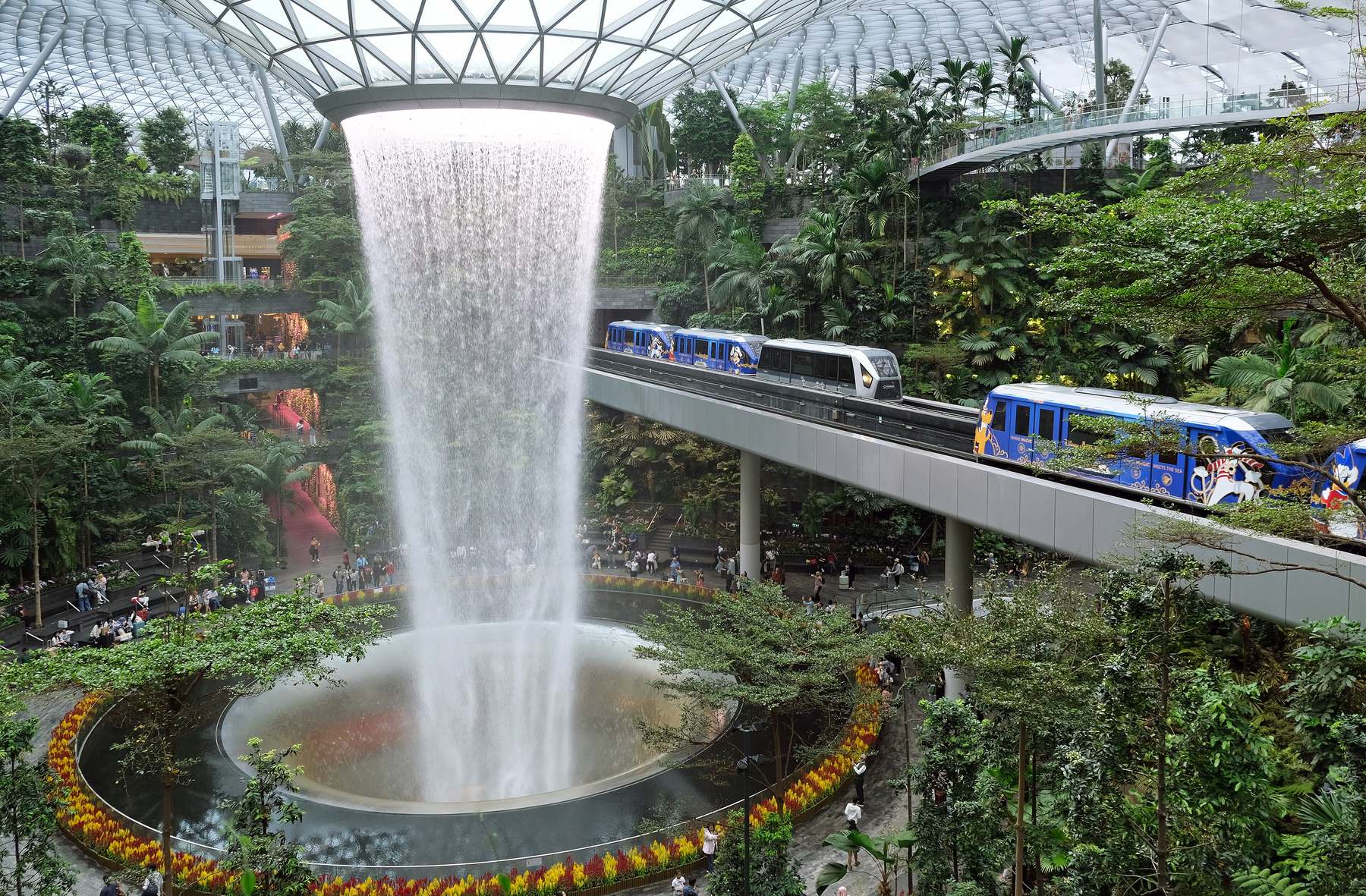
Asia’s Airports Want to Be Your First Destination
Book the connection like a city stop. Jewel’s landside campus and Incheon’s airport-island resorts are competing for your first hours in Asia.
4 min · Aug 3, 2026
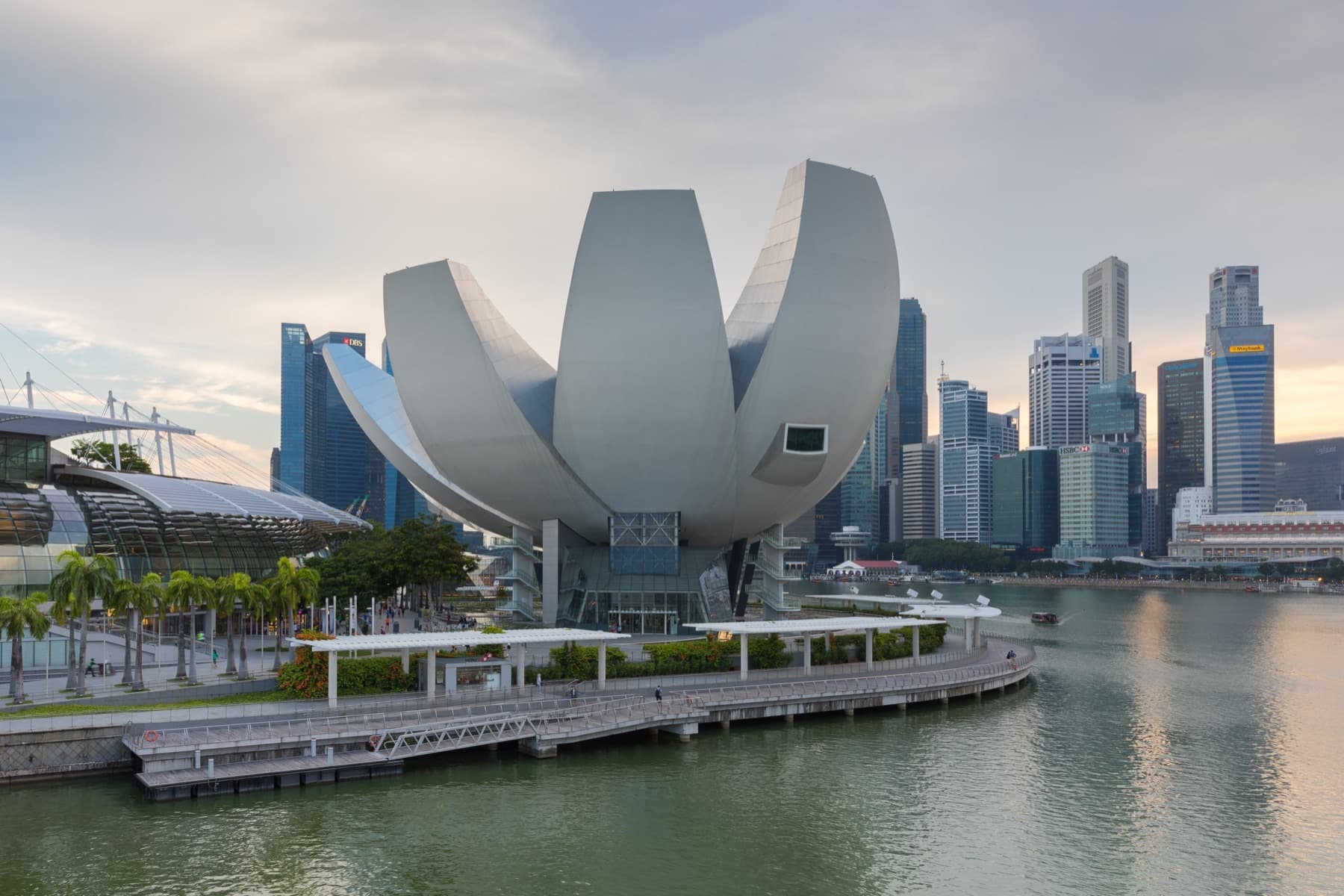
Singapore Is Not Sterile If You Know Where to Look
The city-state is curated, yes. It is also one of the world’s most serious eating capitals.
3 min · May 8, 2026

Hate Cruises? Bhaya Soul on Halong Bay May Change Your Mind
From $289 per person for two days on Bhaya Soul, small-ship Halong Bay for travelers who dislike buffet ships but want the karsts.
4 min · Jul 6, 2026
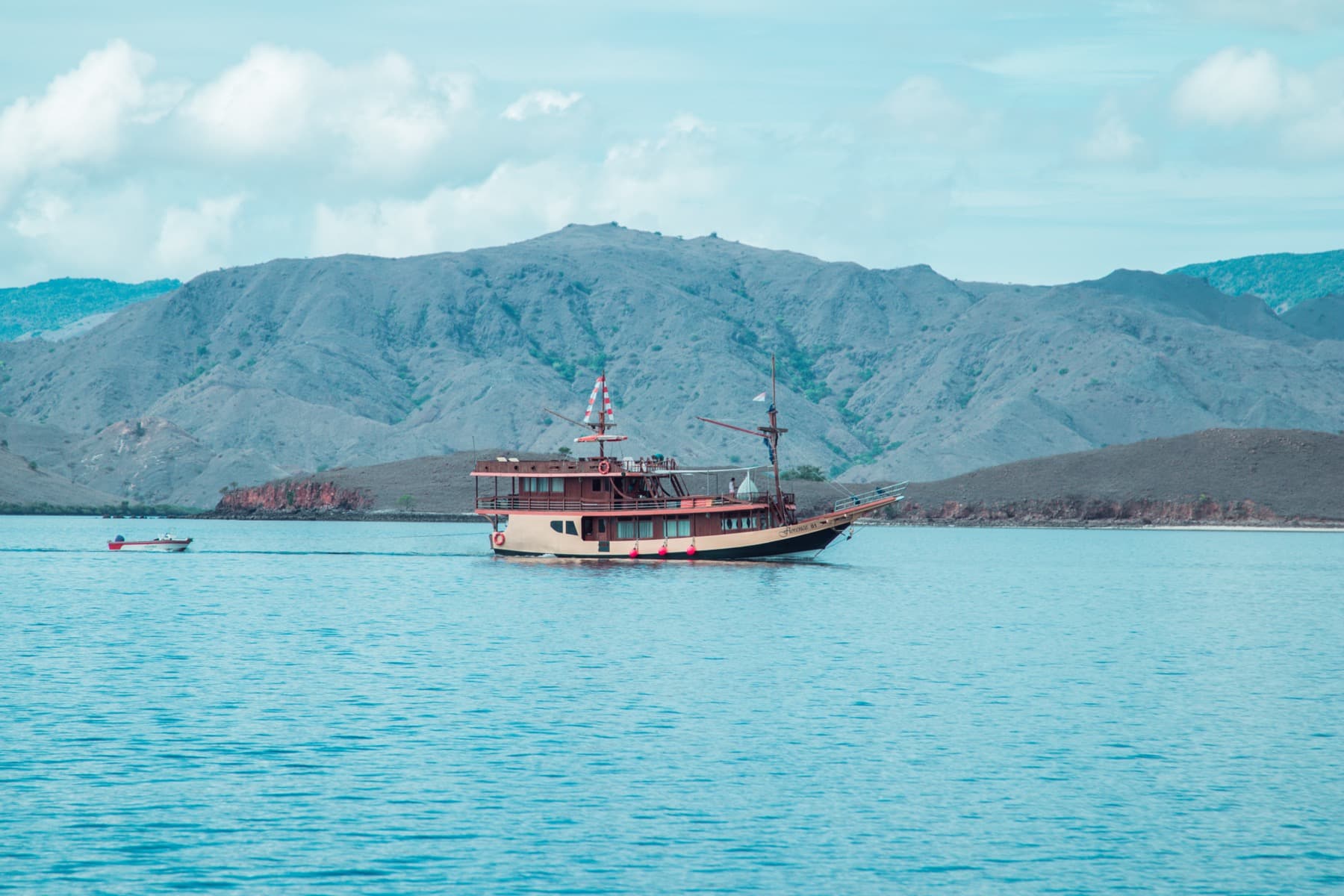
Adventurous Luxury in Indonesia: The Si Datu Bua Charter
Broker-listed from $12,500 per night, Si Datu Bua is a mobile base camp for whale sharks and Papuan water: not a resort with a marina desk.
5 min · Jul 5, 2026