
Flying to Asia for Work? How to Turn a Business Trip Into a Smarter Extended Stay
Agoda’s outlook put bleisure intent at 76% among surveyed Asia-Pacific business travelers for 2026. Here’s the policy-safe way to add personal days on a U.S.–Asia ticket.
Why the extra days are suddenly normal
The Pacific crossing is long enough that flying in for two meeting days and bouncing straight home can feel like expensive self-punishment.
In January 2026, Agoda’s 2026 Travel Outlook Report put hard numbers under what frequent flyers already practice. Among surveyed business travelers across Asia-Pacific, 76 percent planned to combine work trips with personal leisure in 2026. The survey ran in October 2025 with 3,353 travelers in nine markets—India, Indonesia, Japan, Malaysia, the Philippines, South Korea, Taiwan, Thailand, and Vietnam.
Read that carefully: it is a regional intent number, not a U.S. Census of corporate travel. Still, it is useful for anyone booking out of LAX, SFO, SEA, or JFK. The cities you land in are already treating bleisure as ordinary. The job is to extend without creating a policy problem, an expense-report fight, or a visa surprise.
When personal days actually make financial sense
Personal days pay for themselves when the round-trip airfare is already sunk and the incremental cost of staying is smaller than a separate leisure ticket later.
Run a simple comparison before you ask your manager. Price the business-only itinerary your company would have bought anyway. Price the version with two or three extra nights. Your personal spend is usually the fare difference—if any—plus leisure lodging, meals, and local transport. If that package is still cheaper than flying back to Asia in six months for a pure vacation, the math is friendly.
Saturday-night stays sometimes make the corporate fare cheaper, which is why some travel desks quietly like bleisure. Other city pairs punish Sunday returns. Do not assume the leisure dates are a discount; screenshot both quotes at booking time.
Skip the extension when meetings are stacked to the last hour, when you have a Monday morning that cannot absorb Pacific lag, or when the only available leisure hotel is a spa resort two flights away. Two good nights in the same city beat a frantic weekend in a third country.
Who pays for what
Most clean corporate policies use a cost-comparison rule on airfare and a hard stop on personal-day expenses.
The company pays what the business-only round trip would have cost, plus lodging, meals, and ground transport on work days. You pay any fare uplift from leisure dates, every hotel night after the business segment ends, leisure taxis, and companion tickets. If a change fee appears because you moved a personal flight, that is usually yours; if the client moved the meeting, that is usually the company’s.
Duty of care and corporate travel insurance often cover you only while the trip is still business. Ask before you assume the leisure weekend is under the same policy. Many travelers buy a short personal travel-insurance rider for the extension—cheap relative to an ER visit in a foreign city.
Keep the paper trail boring: one calendar block labeled business, one labeled personal, receipts on the correct card. Mixing Uber receipts from temple day into the client dinner report is how a good trip becomes a compliance conversation.
U.S. tax treatment of mixed international trips can get technical under IRS Publication 463. Treat that as a reason to loop in finance early, not as DIY deduction homework in the hotel bar.
Before the meetings, or after?
For most U.S.–Asia itineraries, leisure days after the meetings are cleaner.
You arrive focused, you do the work, then you change clothes and become a tourist. Clients and colleagues are less likely to wonder why you look like you have already been on vacation for four days. Your body also gets a softer landing: sleep a little more in-country before you face the westbound haul home.
Leisure days before the work can still make sense if you need two nights of local sleep before a high-stakes Monday, or if you are presenting after a sixteen-hour inbound and refuse to do it on airport adrenaline. In that case, land Thursday, recover Friday and Saturday, work Monday through Wednesday, fly home. Tell your manager the recovery nights are intentional, not a secret beach trip.
What usually fails is a blended middle—half-days of sightseeing between client dinners with no named switch. Name the day business ends. Put it on the calendar before you book a single hotel night.
Airfare changes and hotel extensions
Book the outbound as if the meetings are sacred. Be flexible on the return.
If your travel management company allows, hold a changeable return or a fare family that permits a date move for a fee you are willing to pay yourself. Some desks will ticket the business return and let you repurchase a leisure return on your own card; others want one PNR with a documented fare difference. Ask which workflow your company uses before you invent a third.
Hotels are easier. Keep the corporate rate for business nights—often prepaid or direct-bill—then extend on a personal card at the same property if the rate is fair, or move to a neighborhood hotel once the badge meetings end. Moving hotels for leisure can be worth one taxi if the business hotel sits over an expressway and you want walkable mornings.
If you might hop to a beach after Singapore or Bangkok meetings, price that domestic or short-haul segment yourself. Do not bury Phuket or Chiang Mai inside the corporate air ticket unless policy explicitly allows multi-city personal add-ons.
Visa and immigration details people skip
Short leisure add-ons on a U.S. passport are usually easy in the big East Asian hubs—and still full of arrival chores people forget until the lounge Wi-Fi dies.
Japan, South Korea, Taiwan, and Singapore commonly allow U.S. citizens visa-free stays on the order of ninety days for tourism or short business, subject to airline and border checks. Thailand’s visa-exempt stay is shorter—often around sixty days in current rules—with a digital arrival card many travelers must file shortly before landing. Singapore wants its SG Arrival Card in the same pre-arrival window. Rules move; confirm the official immigration or embassy page for your exact dates, not a screenshot from last year’s group chat.
Korea’s K-ETA has been under a temporary exemption window for U.S. citizens in recent government messaging through the end of 2026, with the authorization expected to matter again afterward. Treat that as a live check, not a permanent free pass.
Also watch the boring traps: passport validity some airlines still treat as six months, proof of onward travel, and whether your visit purpose on the landing card should say business, tourism, or both for a mixed trip. If you will work remotely from a café on personal days, that is usually still a tourism posture—not a digital-nomad visa—but do not overstay because the beach felt productive.
Hubs that reward a two- or three-day extension
Pick cities where leisure does not require another international ticket.
Seoul: after Gangnam or Yeouido meetings, base in Seongsu or Mapo for two nights. One museum or palace morning, one neighborhood food crawl, one jjimjilbang recovery block. Skip the set-jet scavenger hunt unless that was the emotional point of staying.
Tokyo: keep the business hotel in Marunouchi or Shinagawa, then move to a walkable leisure base in Shimokitazawa, Kiyosumi, or a quieter Ginza-adjacent stay for two nights. One reservation dinner, one neighborhood with no agenda, one day trip only if the trains still feel fun.
Singapore: the city is the extension. Changi can even be day-one inventory if you land early—Jewel is not a joke layover anymore. Two leisure days work as hawker lunch, a gallery or neighborhood walk in Joo Chiat or Tiong Bahru, and one nature reset at the Botanic Gardens or a Southern Islands morning if heat allows.
Taipei: soft-landing city. After Songshan or XinYi meetings, give yourself Raohe or Ningxia at night, a Beitou hot-spring half-day, and one museum morning at the National Palace Museum or a tea neighborhood in Maokong if weather cooperates. The High Speed Rail also makes a Taichung day thinkable without changing hotels.
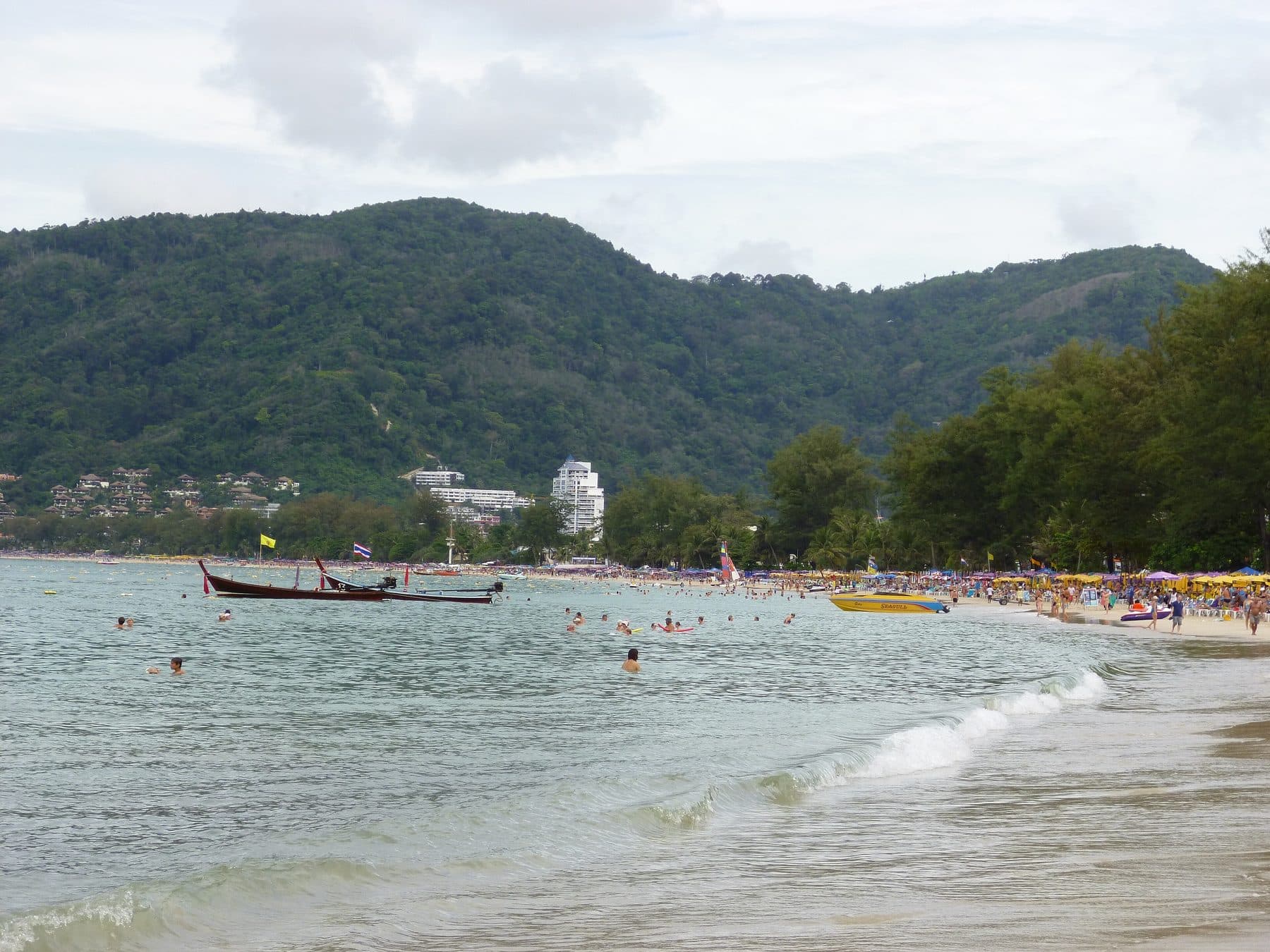
Beach coda: if your meetings are in Bangkok or Singapore and policy allows a self-paid hop, Phuket is the classic two-night decompression—Patong for easy logistics, or a quieter west-coast beach if you want less volume. Price the domestic flight and the Sunday return to the U.S. hub carefully so the beach does not strand you.
A sample spine you can copy
Use this as a template, not a promise that every client week looks identical.
Days 1–2: Fly west, land, shower, light dinner near the hotel. No heroics.
Days 3–5: Business block. One anchor meeting per half-day. Protect sleep.
Days 6–7: Personal block in the same metro area. Walkable base, one booking that matters, empty afternoon.
Day 8: Daytime or evening eastbound return if you can. Avoid the red-eye that dumps you into a full U.S. workday six hours after landing unless you truly have no choice.
Swap in Seoul, Tokyo, Singapore, or Taipei without changing the spine. The city is the scenery. The discipline is the switch date.
Coming home without losing another week
Westbound jet lag is the part bleisure is supposed to soften—and the part people still mess up.
Front-load morning light on your first U.S. day. Keep caffeine early. Do not schedule the board update for the morning after you land unless you enjoy apologizing. If your company allows, take the first personal day as a buffer at home rather than as a third museum day abroad; sometimes the smartest “leisure” night is sleeping in your own bed before Slack resumes.
If you extended after meetings, you already bought partial adaptation to Asia time. Use the flight home for real sleep if the cabin allows—eye mask, earplugs, and a fare you can actually rest in if the upgrade math works on your own card.
The playbook is not complicated. Ask permission with a clear business-versus-personal split. Pay the incremental costs. Choose a hub that rewards two free days. Confirm the arrival formalities. Then enjoy the part of Asia that never fits between a 9 a.m. and a 4 p.m. client block—without turning the expense report into the souvenir.
Related stories

AI Planned My Asia Trip. Here’s What Still Breaks.
Chatbots will sketch Seoul or Taipei in seconds. Entry rules, last trains, and closed Mondays still need a human check before you treat the itinerary as a ticket.
4 min · Aug 3, 2026

Asia’s Airports Want to Be Your First Destination
Book the connection like a city stop. Jewel’s landside campus and Incheon’s airport-island resorts are competing for your first hours in Asia.
4 min · Aug 3, 2026

After the K-Drama: How to Do Seoul Without the Set-Jet Checklist
Ninety-four percent say K-culture sparked interest in Korea. Here’s a neighborhood-first week that does not turn into a location scavenger hunt.
6 min · Aug 3, 2026

Taipei Is the Soft Landing More Asian Travelers Should Choose First
Why Taipei teaches you how to travel Asia before harder cities test you.
7 min · May 12, 2026