
A U.S. Ground Stop Can Break an Asia Itinerary Long After Flights Resume
Friday’s nationwide FAA ground stop ended at 8:15 p.m. Eastern. On Sunday, crews and airplanes are still out of place, and Asia connections are still missing. How you booked the trip—same ticket, separate positioning flight, or an overnight that already slipped—changes what to do next.
Friday’s stop, Sunday’s backlog
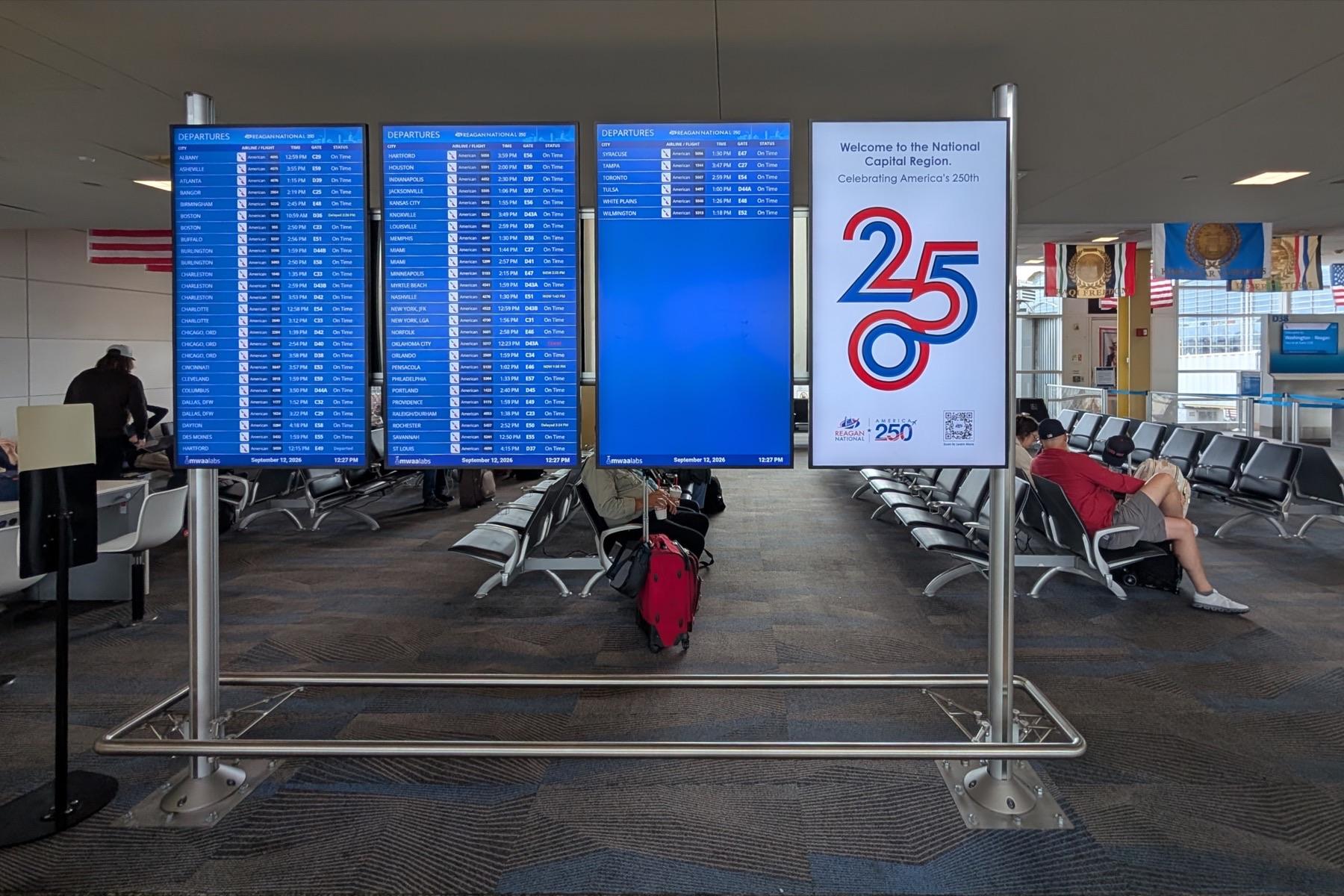
On Friday, November 13, at about 3:30 p.m. Eastern, the Federal Aviation Administration ordered a nationwide ground stop after a technical problem in its telecommunications network. Departures held. Aircraft already airborne kept flying and landing. The agency says the system stabilized and air traffic resumed at 8:15 p.m. that evening. In a Q&A posted Sunday, it put Friday’s cancellations near 12,462 flights, including about 9,082 by major airlines, and noted that not every cancellation traced directly to the stop.
By Sunday morning, officials told the Associated Press they expected schedules to finish recovering by the end of the day. Cirium still counted roughly 1,300 cancellations among more than 26,000 Sunday flights—about one in twenty. That is quieter than Saturday. It is still enough to knock a domestic feeder into an Asia evening departure, or leave a crew and airplane in the wrong city for tonight’s long haul.
Long-haul carriers felt the hangover at U.S. gates. Cathay Pacific said two Hong Kong–bound departures on November 13, CX807 and CX879, were held and that hotels were arranged for stranded passengers. It also warned that congestion could still produce knock-on delays. The ground stop itself is over. Many Asia itineraries are not.
Case one: a domestic feeder on the same ticket
You hold one reservation—Austin to Los Angeles to Tokyo, or Raleigh to San Francisco to Seoul. The short U.S. leg is the feeder. The Pacific segment is why you bought the ticket.
If that feeder cancels or runs late because of Friday’s stop or the weekend cleanup, the airline that sold the through ticket is usually responsible for getting you onward. Ask for a protected rebook that keeps the journey intact, even if that means a later Asia departure, a different U.S. gateway, or an overnight in the hub under the airline’s contract of carriage.
Do not assume the original Asia seat is still yours after a miss. Check the app for the new itinerary, the new gate, and whether bags were retagged. If the revised international arrival is six hours or more later than what you bought, or the flight is canceled and you refuse the rebooking, Department of Transportation rules can support a refund of the airfare and ancillaries—if you also turn down vouchers and credits. Accepting a waiver rebook usually means you have chosen to travel.
Case two: a separate positioning flight
This is the split booking that looks cheaper until it fails. You bought a domestic hop into SFO or LAX on one confirmation, then a separate United, Delta, or Asian-carrier ticket across the Pacific. Two record locators. Two contracts.
If the positioning flight dies in the backlog, the Asia ticket does not automatically move with you. The long-haul airline did not sell the domestic miss. You may need a new domestic seat under that airline’s waiver, if your ticket even qualifies, or a walk-up fare. The Asia seat can still go no-show if you do not call and change it under that carrier’s rules.
Before you leave home, open both apps. Confirm the feeder is operating. Confirm the Asia flight’s latest departure. If the feeder looks shaky, use the domestic airline’s travel alert to shift earlier or later while seats remain. If you already know you will miss the international flight, call the Asia carrier now. Some will reaccommodate under a disruption policy. Others will treat the change as voluntary, which usually costs more.
Case three: an overnight connection that has already slipped
You are already off the original plan. Friday’s stop or a Saturday cancel left you in a hotel near Chicago, Dallas, or New York after an Asia departure left without you—or on a new itinerary that now connects after midnight with a tight minimum connection.
Write down the facts before you call: original ticket numbers, the flight that failed, the new proposed times, and whether everything still sits on one ticket. Then open the operating airline’s published travel waiver. Delta’s Sunday, November 15 update, posted at 11:15 a.m. Eastern, still offered flexible rebooking at no extra cost for travel planned November 13 through 16, and asked flexible travelers to move to Monday or later. United has pointed customers to its travel-alerts page and warned of residual weekend impact. American, JetBlue, and others publish their own windows and airport lists. Read the alert that matches your confirmation.
If the airline canceled your international segment, or the new schedule arrives six or more hours late versus the ticket you bought, and you would rather not go, ask for a refund under the Department of Transportation’s cancellation and significant-delay rules. Do not accept an eCredit unless that is what you want. If you still want to reach Asia this week, take the waiver seat that preserves a workable connection, and give yourself a longer hub buffer while crews and aircraft finish moving back into place.
Where to check before you leave for the airport
Start with the FAA’s live National Airspace System page at nasstatus.faa.gov. Then open your airline app for the flight number you are about to board, not the one printed on a confirmation from three weeks ago. Waivers sit on each carrier’s travel-alerts or irregular-operations page. Delta’s recovery note is on its News Hub. United’s alerts page is where to confirm whether your cities and dates still qualify.
Keep the Department of Transportation refund explainer open too, at transportation.gov’s aviation consumer-protection section, so you know what “significant delay” means before you argue at the counter. Domestic trips use a three-hour threshold. International trips use six. A canceled flight that you decline to replace can unlock a full refund of fare and ancillaries.
Check once more before you sleep, and once more before you leave for the airport. The ground stop ended Friday. Sunday’s board is what still decides whether the Asia ticket holds.
Related stories
Chicago Already Flies Narita. Sapporo Is Next.
This morning’s Chicago flight is already over the Pacific. The Hokkaido nonstop waits until December 11.
6 min · Nov 2, 2026
Should Vancouver Families Wait for Air Canada’s Guangzhou Nonstop?
Air Canada’s new Guangzhou nonstop is for sale with an approval asterisk. Compare it with Hong Kong plus rail before you push the family trip to May.
8 min · Nov 11, 2026

A Free First Night in Tokyo, Starting at the Marunouchi Side of Tokyo Station
Use Marunouchi South Exit, not Yaesu. Lights until 11 p.m. most nights, midnight in December. Street Park and Gyoko markets end December 25.
5 min · Nov 14, 2026
Jetstar Japan Adds 46 Domestic Flights. Where Does That Help a New Year Trip?
Most of the new flights are for New Year. All of them leave from Narita, on their own Jetstar ticket, on an A320.
7 min · Nov 12, 2026