Vancouver Is the Asian Diaspora City Americans Underestimate
Richmond, Burnaby, and the food corridor that should be a national itinerary.

The American blind spot
US travelers think Los Angeles or San Francisco owns the diaspora story. Vancouver is denser, calmer, and more edible than either city admits publicly.
Richmond alone would justify a transcontinental flight for anyone who cares about Chinese food as daily culture, not occasional event. Add Kerrisdale Japanese, Korean on Robson, Vietnamese corridors, Indigenous-led dining, and Stanley Park at golden hour, and you have a city that American travelers treat as nature with airports when it is actually food with mountains.
The blind spot is partly geography and partly narrative. Vancouver reads as Canada: polite, outdoor, secondary.
Diaspora travelers who skip it because they "already have good Asian food at home" often leave recalibrating what North American city density can taste like.
Asian Canadian visitors may feel at home immediately. American visitors may feel both at home and corrected. Both reactions are useful data.
Do not reduce Vancouver to a layover for Whistler or Victoria unless those trips are the point. The city earns two nights minimum before you drive anywhere.
Richmond first
Start at the night market logic of Richmond’s food courts and seafood. Downtown is the airport hotel version of Vancouver.
Richmond is where diaspora Vancouver actually eats: dim sum queues on Sunday morning, Aberdeen and Parker Place errands that feel like Hong Kong mall logic without the flight, late-night noodles in strip malls that look boring on Google Maps and are not boring on the plate.
Stay downtown if you must, but Uber or Canada Line to Richmond for your first serious meal. Traffic is part of the cuisine. Accept it.
Do not treat Richmond as one meal. Treat it as a corridor you revisit at different hours. Lunch crowds differ from dinner crowds. Bakeries peak early. Seafood windows matter.
Downtown Gastown and Granville Island have roles: contrast, visitors, a walk. They are not substitutes for Richmond depth.
Nature without performance
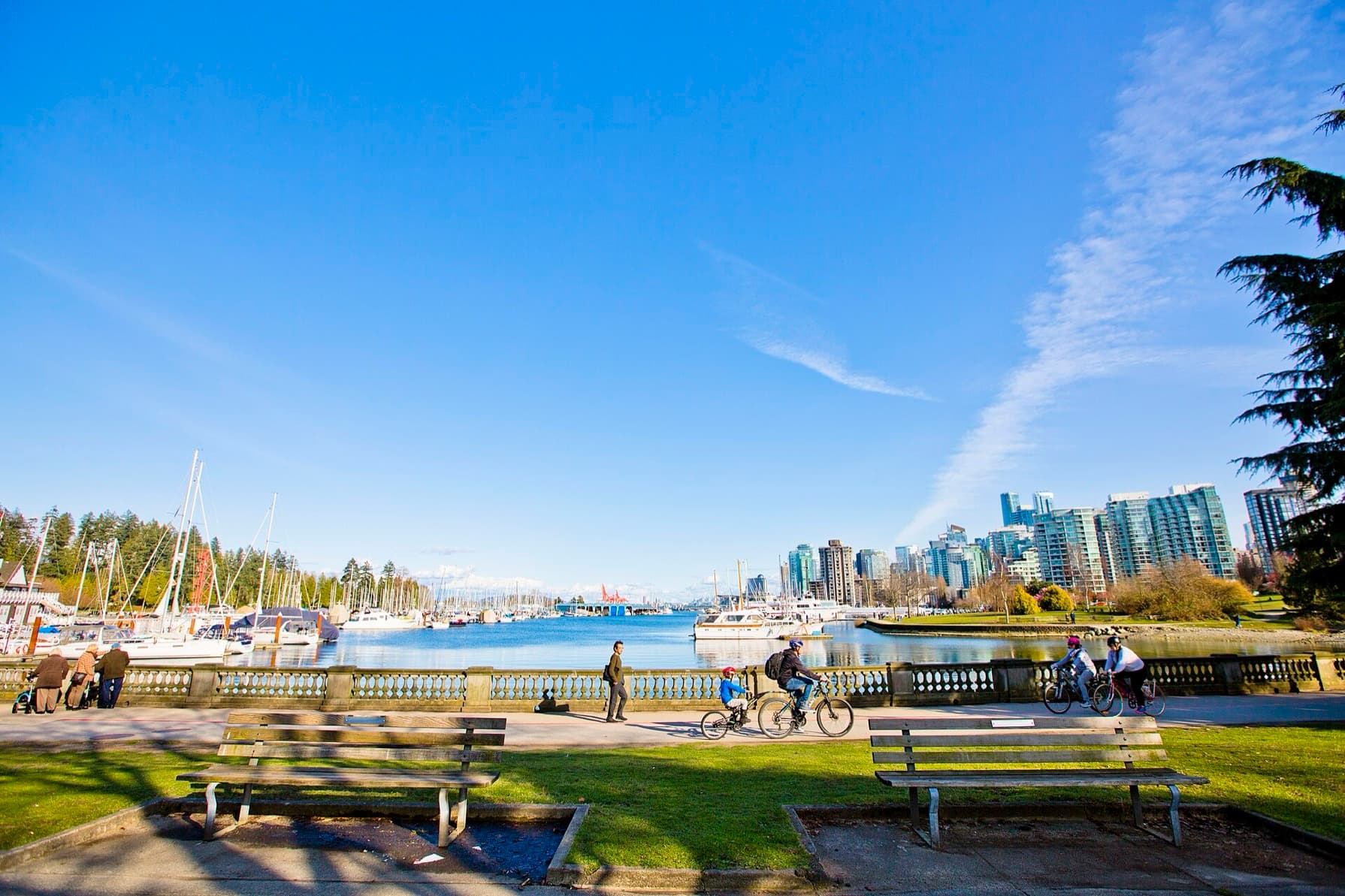
Stanley Park is fine. The real move is knowing when to stop hiking and eat again.
Vancouver sells nature easily. Diaspora travelers sometimes perform outdoor competence because the city expects it: seawall jogs, mountain photos, rain-or-shine heroics.
You are allowed to do one golden-hour walk and call it sufficient.
Stanley Park seawall at dusk, then Richmond dinner, is a perfect day. North Shore hikes require weather honesty and time you might prefer spending at a food court in Richmond instead. Both choices are valid.
Parents and elders may enjoy nature in small doses with excellent bathrooms nearby. Kids may remember bubble tea more than peaks. Plan accordingly without shame.
Rain defines scheduling. Have indoor food plans when the forecast turns. Vancouver punishes outdoor-only itineraries in winter.
Family logic
Parents see familiarity. Kids see mountains. Everyone eats Cantonese, Taiwanese, and Vietnamese in one afternoon if you plan geographically, not emotionally.
Multigenerational Vancouver trips work because familiarity reduces friction: language in grocery aisles, pharmacies that stock known brands, food that elders recognize without translation stress. That relief is legitimate tourism, not cheating.
Split the day: one person chooses nature, one chooses food, nobody chooses both at full intensity simultaneously. Vancouver rewards negotiation more than coverage.
Hotel location matters less than meal geography if you have a car or accept transit time. Two rooms beat one if privacy keeps peace.
Tell relatives you are visiting that you need one meal they did not choose. Family trips fail when every hour belongs to someone else’s nostalgia.
Pair with
Seattle for Pacific Northwest contrast, Hong Kong for origin story, Tokyo for precision across the water.
Vancouver pairs well with Seattle in a loop if you accept border time as part of the trip. Food comparisons between the two cities are instructive, not competitive.
If you are routing transpacific, Vancouver as entry or exit hub beats forcing LA when your actual interest is Pacific Rim food and calm urban diaspora life.
Do not pair Vancouver with heroic Rockies driving unless someone in the group loves cars and weather risk. The city itself is the main event for food-first travelers.
Related stories
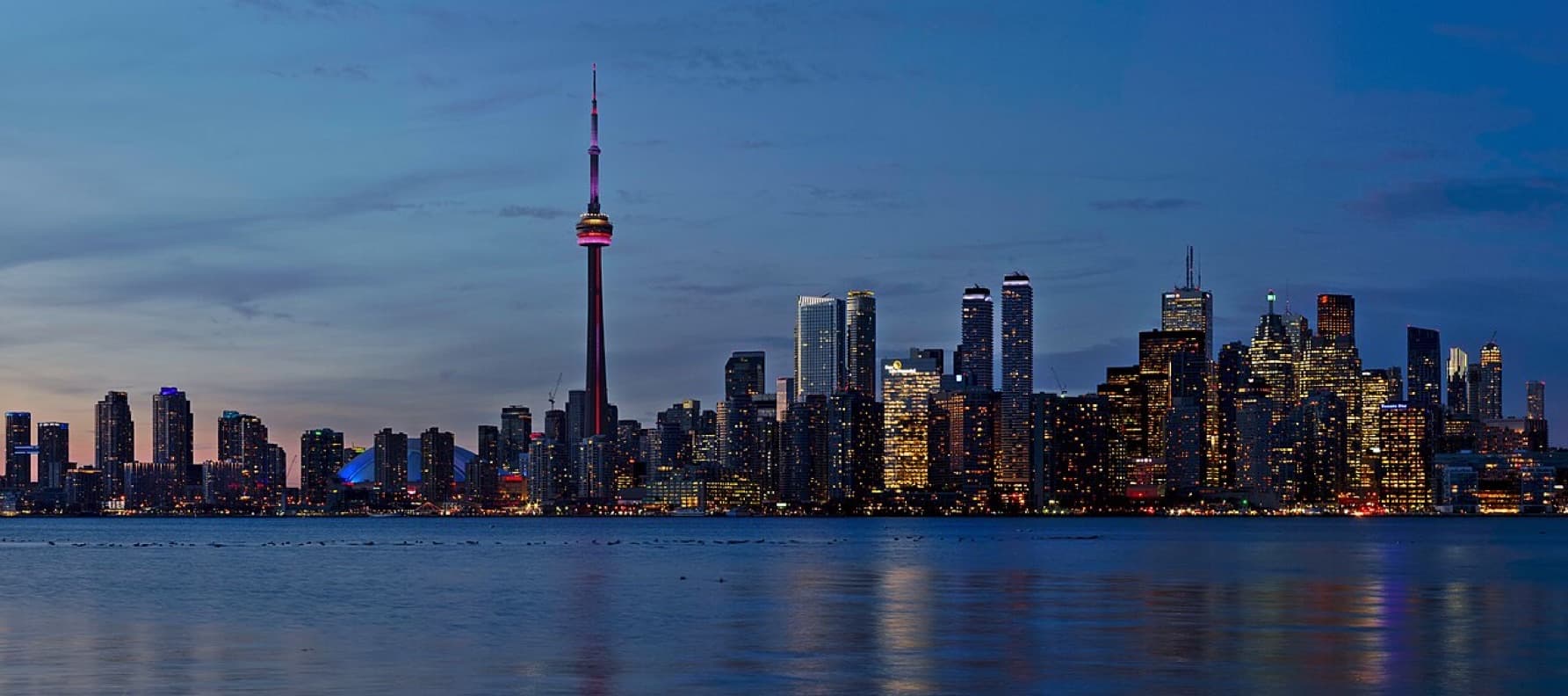
Toronto Diaspora Weekends Start in Scarborough, Not the CN Tower
Toronto’s diaspora weekend is suburban in geography and serious in appetite.
5 min · Jun 1, 2026
Where to Go When You Have an Awkward Four Days Off
Four calendar days is a micro-cation window, not a week in Tokyo. Start with your hub, count ground days, then pick the map.
6 min · Jun 8, 2026
Banff, Jasper, and the Asian Family Road Trip
Nature trips work when you stop pretending everyone wants the same view.
3 min · Mar 22, 2026
New York Is Still the Diaspora Weekend Standard
Every diaspora city is compared to New York eventually.
3 min · Mar 12, 2026