

Delhi
Food morning, tomb afternoon
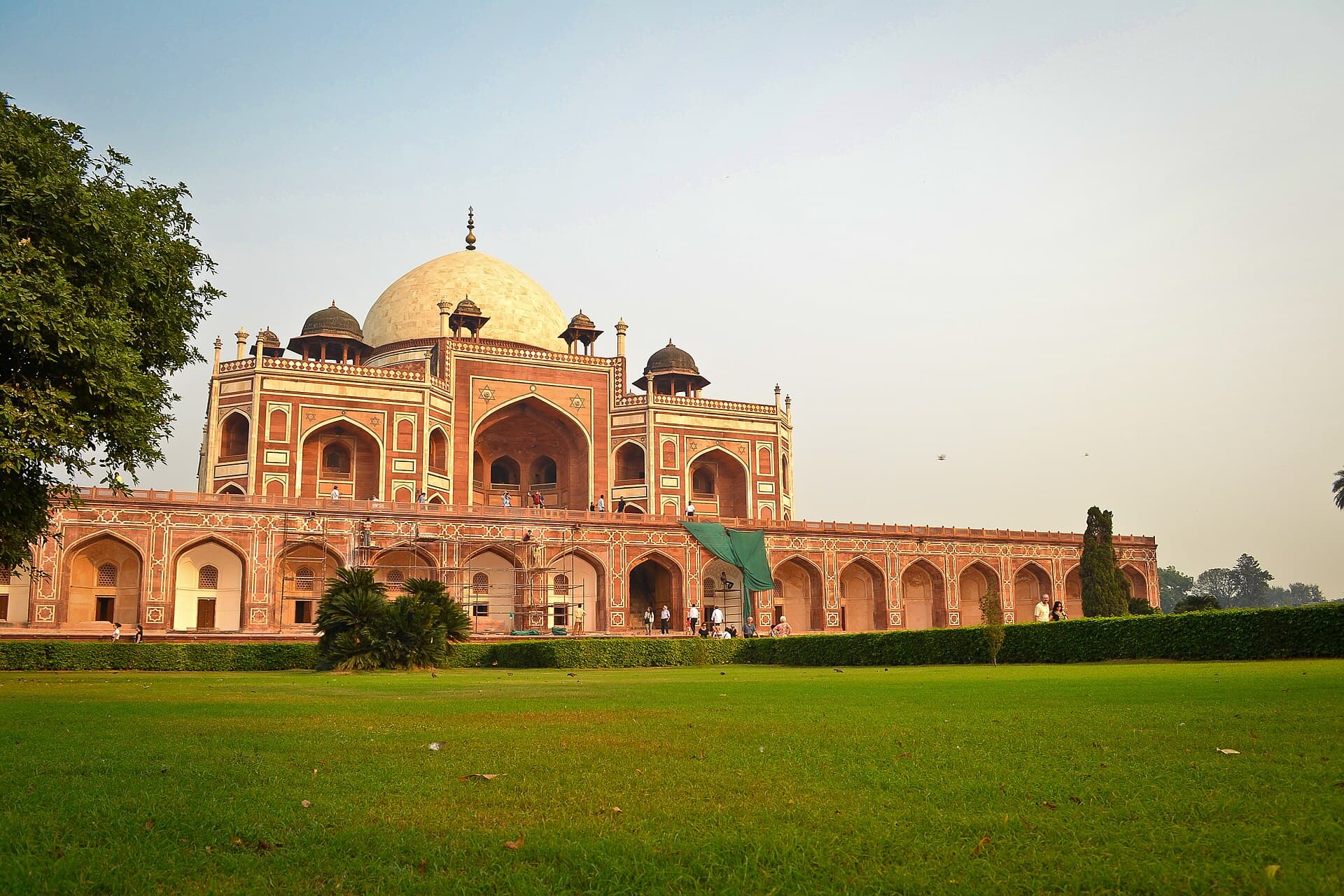
Romil Bhardwaj / “Humayun's Tomb, Delhi” / resized from original
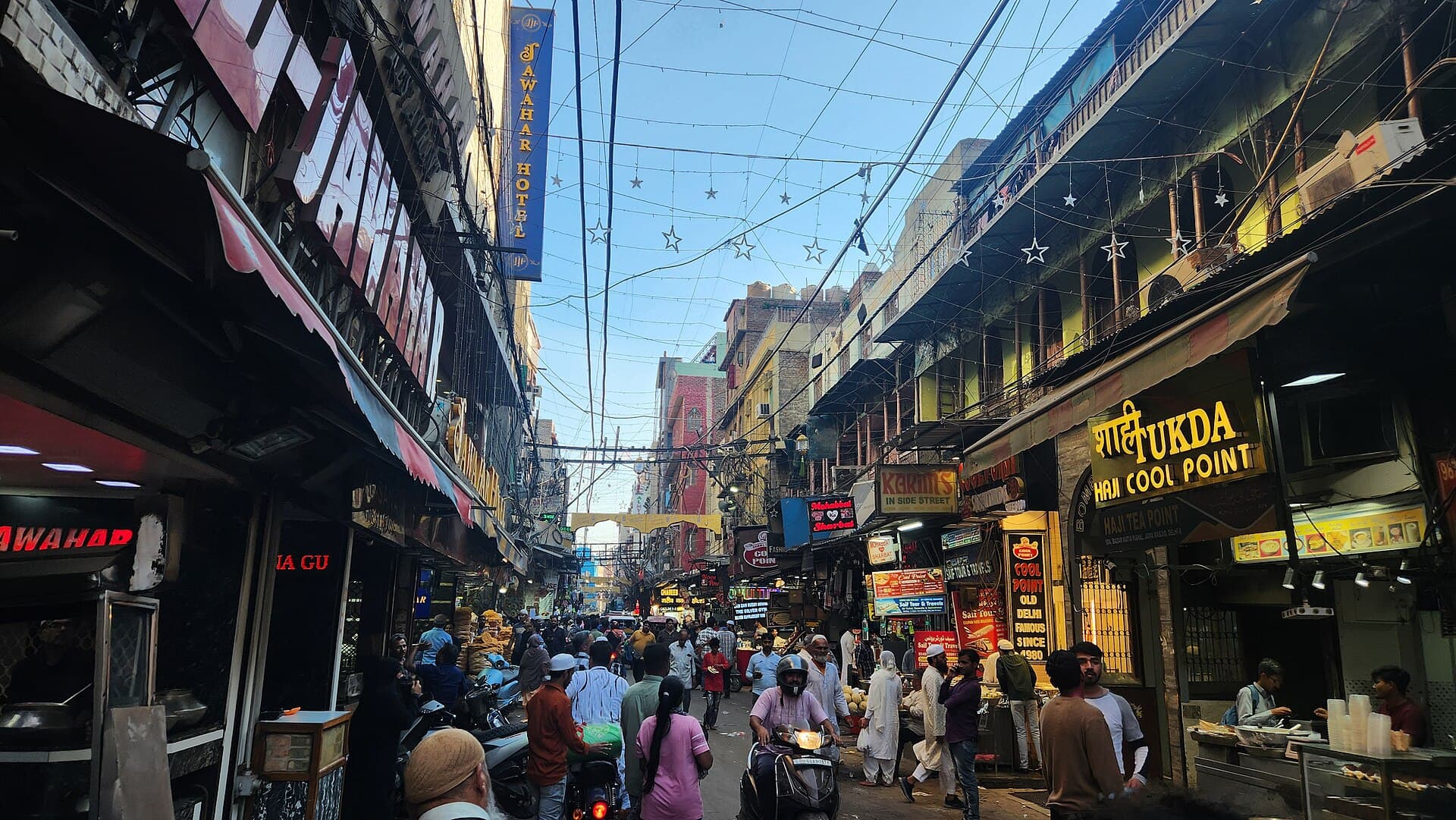
Delhi feeds you before it explains itself. A Chandni Chowk morning can mean parathas that arrive faster than your negotiation skills, chaat that stains your fingers, and Jama Masjid’s courtyard rising above lanes that never quite empty. Later the same day, Humayun’s Tomb can go quiet enough that the garden geometry does the talking. Both belong to one capital. Neither needs to share a frantic taxi with three other monuments.
The city is easiest when you pick a calm base—Connaught Place, Khan Market / Lodhi, South Delhi, or Aerocity for an airport night—and give Old Delhi a dedicated morning. Metro helps when stations line up with your plan; Uber and hotel cars still win for elders, heat, and luggage. October through March is the humane outdoor window, with a catch: winter air quality can turn outdoor days short, and DEL fog often slows mid-December through early February mornings.
For Indian diaspora travelers, Delhi can feel like heritage homework and a living relative network at once. Name which days are family and which are yours. Five days are enough for two serious food corridors, two monument blocks done properly, and an honest decision about whether Agra deserves a separate full day—or another trip.
| Best months to visit | October–March for humane outdoor walking. April–June heat is extreme. Winter brings better temperatures and worse air quality plus DEL fog delays—check AQI and flight buffers. |
| Primary airport(s) | DEL (Indira Gandhi) has multiple terminals |
| Ease for first-timers | 4/10 |
| Trip intensity | Maximalist |
| Typical budget feel | Smart value |
| Suggested trip length | 5–7 days |
Transpacific Bound destination editorial. Not live pricing or availability; confirm seasons and entry rules before booking.
Why go now
Clearer e-Visa workflows and Metro access make short stays workable when you protect mornings for Old Delhi and leave Agra as an honest full day—or a separate trip.
Who this trip is for
Travelers who want Mughal scale and serious North Indian food, and who will accept traffic, crowds, and air-quality days without treating the capital as a spa.
First-timer move
Chandni Chowk paratha morning near Jama Masjid, then Humayun’s Tomb in the cooler afternoon. Keep dinner in Khan Market or your hotel neighborhood.
Repeat visitor angle
A second visit can leave the first-timer monument list earlier. Return for a deeper Old Delhi lane, a Hauz Khas evening, a museum morning, or a regional Indian restaurant you skipped. Agra still wants a full day if you did not do it; Jaipur usually wants an overnight.
Where to stay
Stay near Connaught Place for Metro and first-timer orientation, near Khan Market or Lodhi for walkable dinners and quieter streets, in South Delhi (Hauz Khas and nearby) for contemporary food energy, or in Aerocity when the trip is short and DEL timing dominates. Old Delhi is a morning outing for most visitors, not the hotel base.
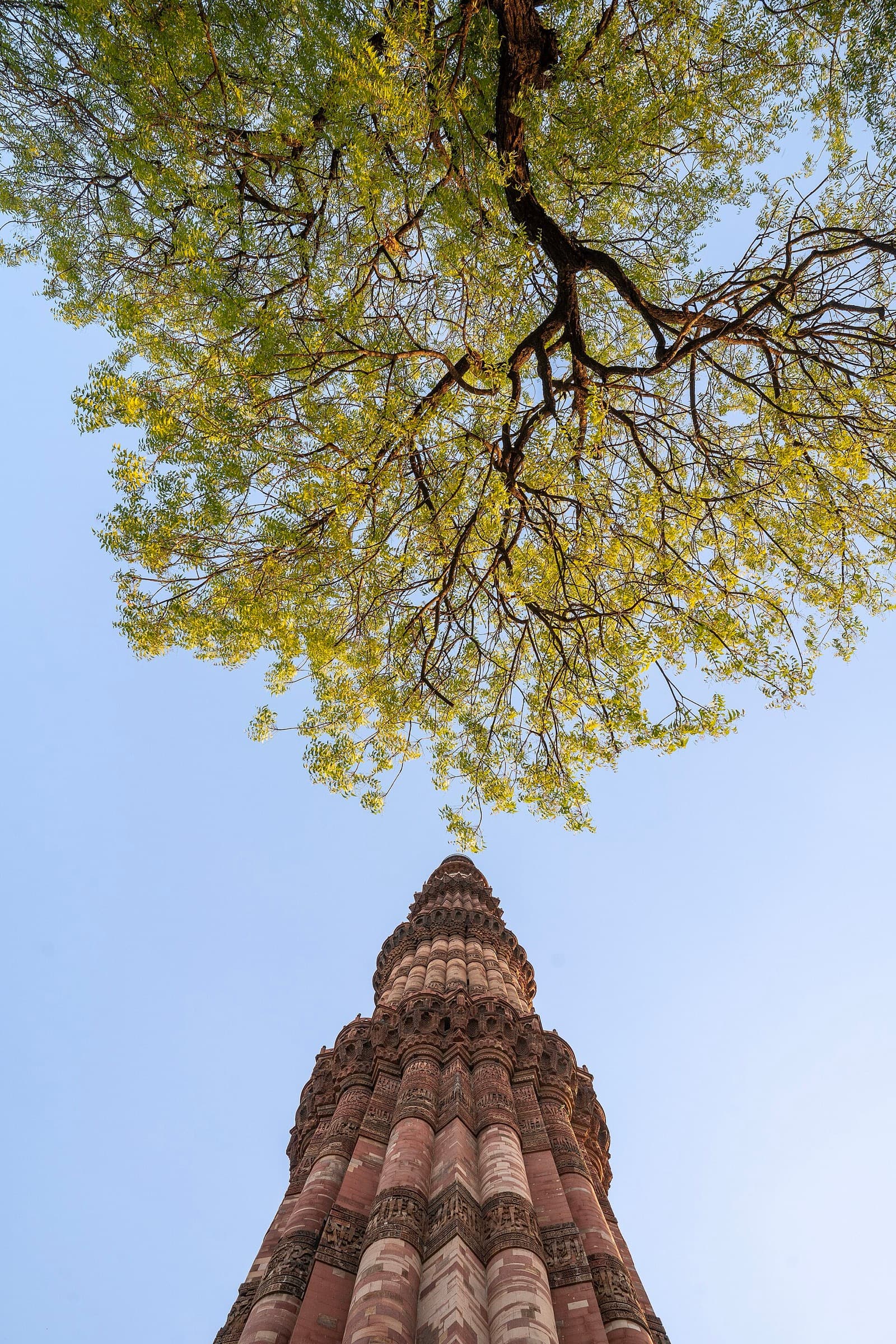
Under ordinary traffic, Connaught Place to Chandni Chowk can take 20 to 45 minutes; to Humayun’s Tomb often 25 to 50; to Qutb Minar in the south often 40 to 75 depending on hour. Airport Express Metro links New Delhi station with the IGI Airport stop serving Terminals 2 and 3. Terminal 1 is a separate transfer—confirm your ticket.
What to eat
Old Delhi street food sitting down—parathas, chaat, kebabs—balanced with modern Indian dinner in Khan Market, Lodhi, or a trusted South Delhi address.
Cultural fluency notes
Most Western passport holders need an Indian e-Visa approved before travel via the official government portal (indianvisaonline.gov.in)—do not assume visa on arrival. Expect eligibility by nationality.
Monument hours and fees change; foreigner tickets at major ASI sites are often in the hundreds of rupees—confirm on the ASI ticket portal or at the gate. Red Fort closes to the public annually for roughly mid-July through 15 August for Independence Day preparations (as in 2026); build another Old Delhi plan if your dates overlap. Expect other site weekly closures before you stack days.
Dress modestly at religious sites; remove shoes where required. Carry small bills for street food and autos. Check daily AQI before long outdoor walks in winter. Summer heat (April–June) is extreme—indoor lunch and early mornings are not optional luxuries.
What diaspora travelers may notice
Multigenerational Delhi trips fail when everyone pretends to want the same pace. Elders may want relative visits and milder monuments. Cousins may want Old Delhi density. You may want one quiet tomb garden and an early night.
Partition stories, ancestral neighborhoods, and food nostalgia can arrive uninvited. Let one family day be enough. Protect a meal and a morning that are not performances of belonging—so the capital remains a place you tasted, not only a place you were escorted through.
Worth the splurge
A Lutyens’ Delhi or Khan Market–adjacent hotel with real recovery space, or a private historian-led monument morning without stacking three forts.
What not to do
Do not stack Red Fort, Qutb, Humayun’s, and Agra in two days. Do not treat Old Delhi as a drive-through photo stop without sitting down to eat. Do not ignore winter fog buffers at DEL. Do not schedule a week of outdoor monuments without checking air quality.
Best paired with
Jaipur is the natural Rajasthan overnight extension. Mumbai offers coastal contrast and a different food density. Bangkok works as a Southeast Asian soft landing before or after North India intensity. Agra belongs as a full day or separate trip, not a checkbox squeezed between breakfast and a late DEL flight.
Best time to go
October–March for humane outdoor walking. April–June heat is extreme. Winter brings better temperatures and worse air quality plus DEL fog delays—check AQI and flight buffers.
Airport notes
DEL (Indira Gandhi) has multiple terminals. Airport Express Metro serves the T2/T3 IGI Airport station; T1 needs a different transfer. Winter fog (often mid-December through early February) can delay mornings—build cushions.
A 5-day editorial itinerary
Day 1
Confirm your DEL terminal. Take Airport Express if you land at T2/T3 and are heading toward New Delhi station, or a pre-booked car if you have elders or heavy luggage. Keep dinner near the hotel and sleep early.
Day 2
Old Delhi morning: Chandni Chowk / Jama Masjid area for parathas and chaat, sitting down. Rest through midday heat or haze. Humayun’s Tomb in the cooler afternoon for scale and quiet. Dinner in Khan Market or Lodhi.
Day 3
One South Delhi heritage block—Qutb Minar complex in the morning—or a museum and Connaught Place afternoon if AQI or heat is rough. Modern Indian dinner. Skip Agra today.
Day 4
Either a Red Fort morning when it is open to visitors, or a deeper Old Delhi food return if the fort is closed for Independence Day prep. Keep the afternoon light. Optional historian-led walk if you want context without adding miles.
Day 5
Repeat the best breakfast geography, then DEL with fog-season cushion if you are traveling in winter. Agra as a full day only if you have another full day to give—and a Friday Taj closure check if that is your plan.
What this place feels like
Related stories
Related destinations
Bangkok
Southeast Asia · Thailand
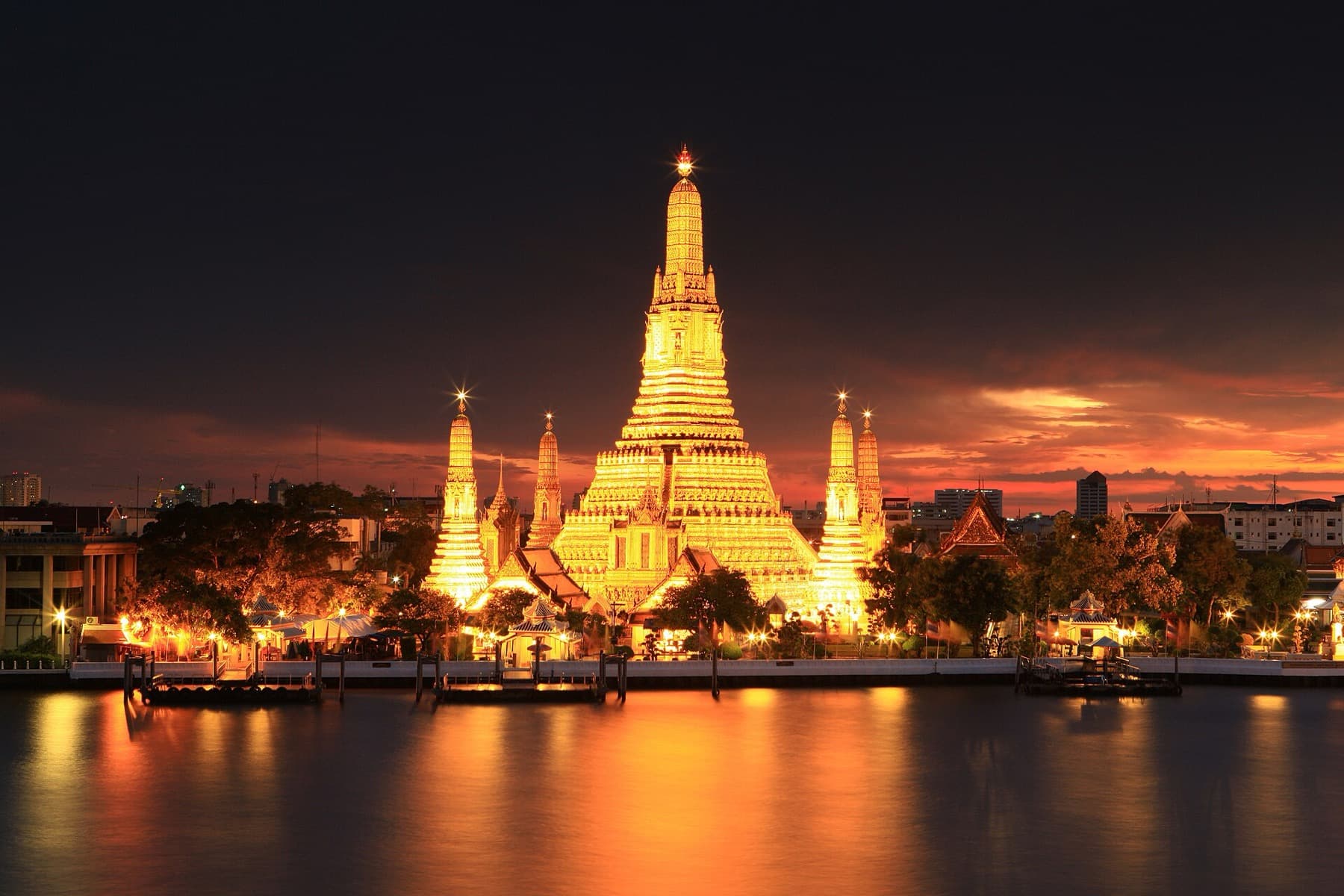
Street food temples, golden spires, and a city that rewards both chaos-embracers and luxury seekers.
View guide →
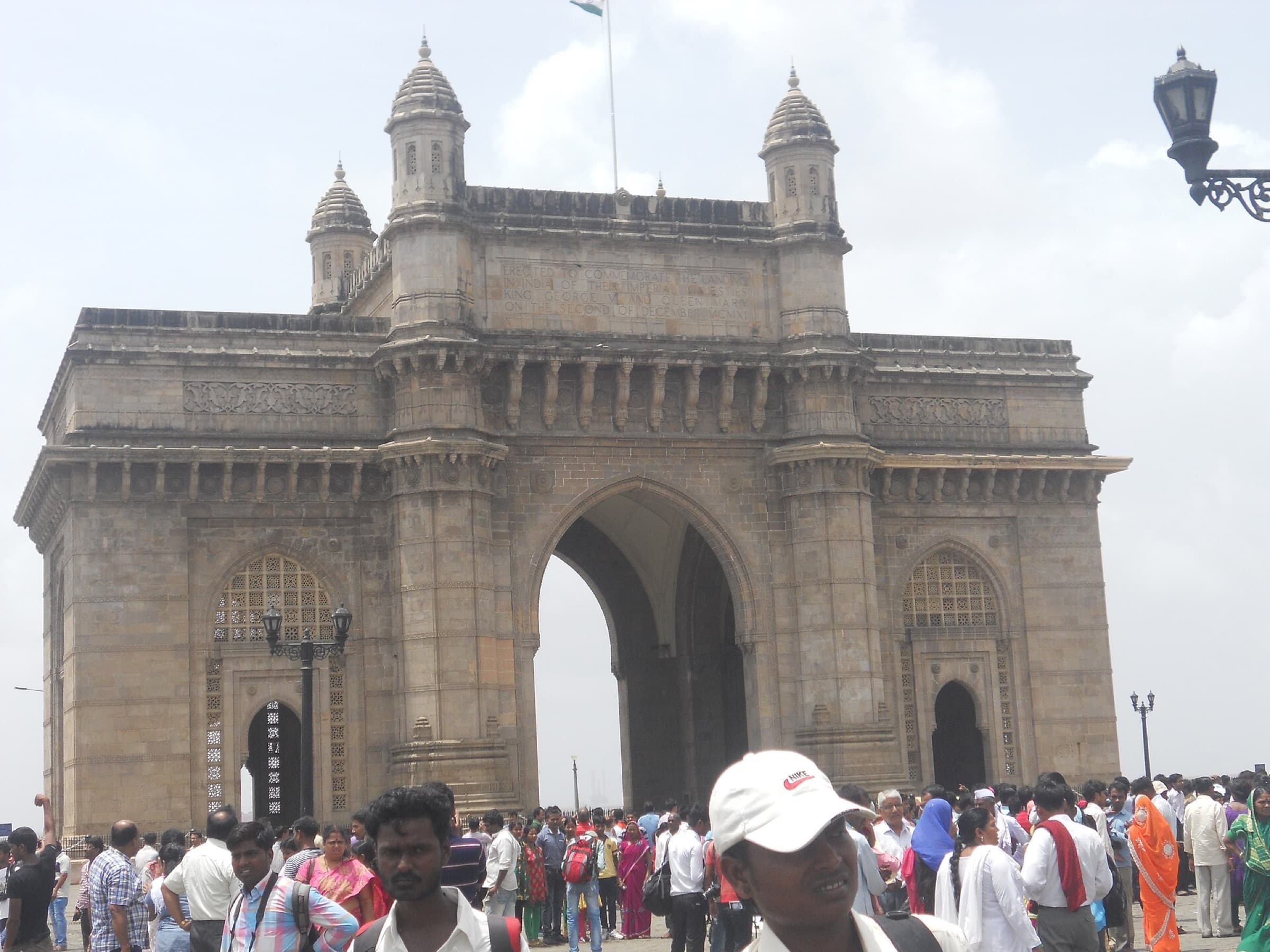
Mumbai
South Asia · India
Colaba mornings, Mohammed Ali Road dinners, and a coastal city that rewards one hotel base and honest monsoon buffers.
View guide →
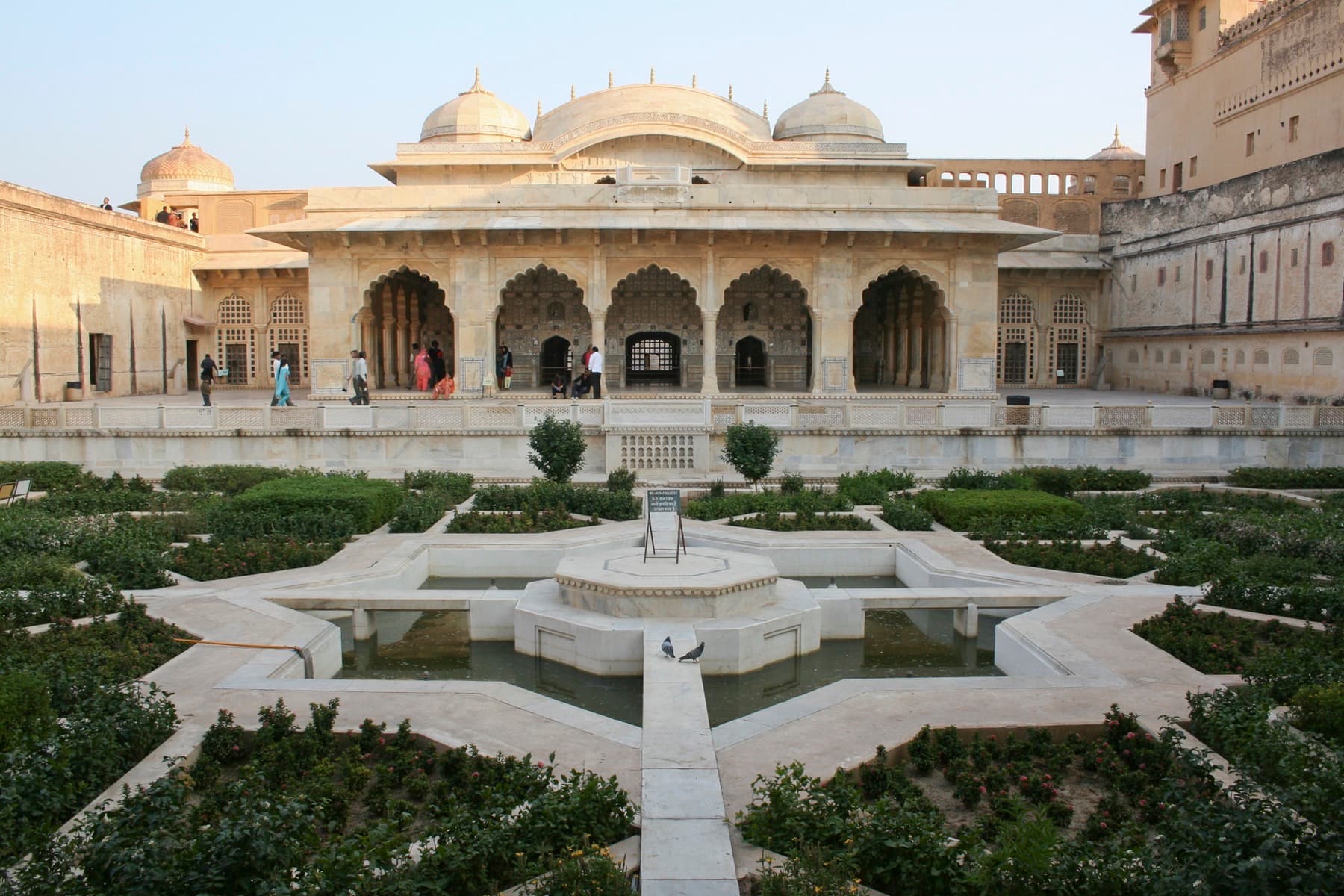
Jaipur
South Asia · India
Jaipur travel guide for Amer Fort morning access, City Palace and Jantar Mantar pacing, Johari and Bapu bazaars, heat-aware timing, and JAI or Delhi–rail logistics.
View guide →