
Mumbai
One base, clustered food days
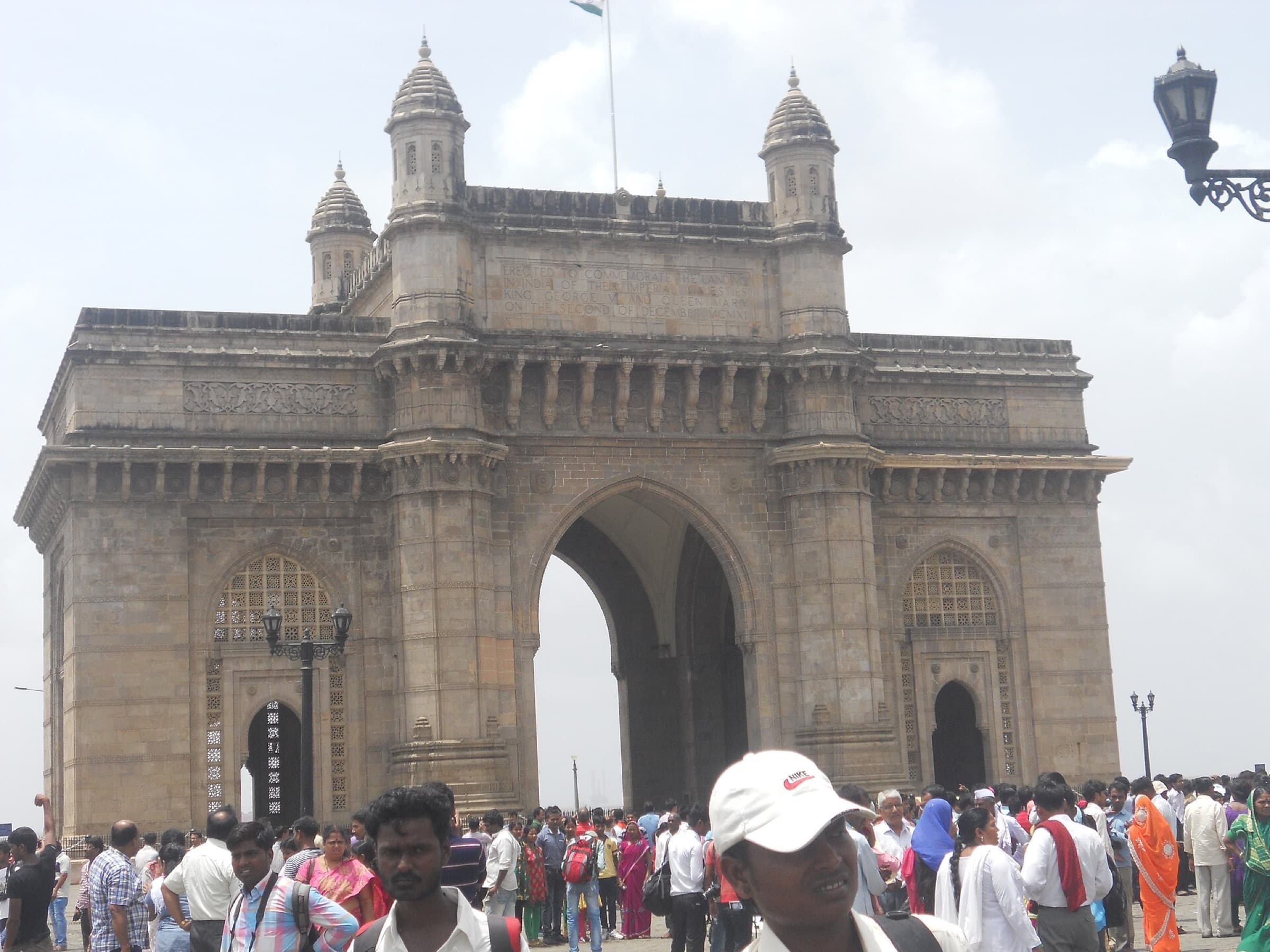
Ajay Om Saini / “Gateway of India” / resized from original
Mumbai moves at full volume: sea air on Marine Drive, Colaba Causeway bargaining, vada pav eaten standing up, and a thali that resets what “Indian food” meant in diaspora growing up. The city is magnetic and exhausting in the same afternoon. It gets kinder when you stop trying to collect Bollywood, Bandra, and South Mumbai before lunch.
Pick one calm hotel base. Colaba or Fort suits first-timers who want walkable heritage and Gateway evenings. Bandra suits travelers who want contemporary dining and a shorter hop from the airport. Traffic is structural; one geography per half-day keeps the food joyful. Crawford Market mornings, Mohammed Ali Road Mughlai dinners, and a Bandra reservation are different days—not a single heroic loop.
Arrival is terminal math. BOM’s T1 and T2 sit about four kilometers apart without an airside link. International flights use T2; many low-cost domestic flights use T1—confirm the ticket. South Mumbai often needs sixty to ninety minutes or more; monsoon weeks can double that. For Indian diaspora travelers, family logistics and sensory density share the week. Name which days are relatives and which are yours before the Western Express Highway decides for you.
| Best months to visit | November–February for clearer outdoor walking. June–September monsoon brings drama, flooding risk, and airport-to-south transfer times that can double—build flight cushions. |
| Primary airport(s) | BOM has T1 (mostly domestic LCC) and T2 (all international plus some domestic), about 4 km apart with no airside link—confirm your ticket |
| Ease for first-timers | 4/10 |
| Trip intensity | Maximalist |
| Typical budget feel | Comfortable |
| Suggested trip length | 5–7 days |
Transpacific Bound destination editorial. Not live pricing or availability; confirm seasons and entry rules before booking.
Why go now
Metro expansion and clearer terminal logic make short stays more workable when you keep one base and treat monsoon as an operations season, not a metaphor.
Who this trip is for
Travelers who want full-volume urban India with serious food, and who will cluster geography instead of treating the city as a Bollywood checklist.
First-timer move
Stay in Colaba or Fort. Walk Gateway and Causeway at a human pace, eat sitting down, and save Marine Drive for dusk when the transfer math works.
Repeat visitor angle
A second visit can leave Gateway photo loops earlier. Return for a deeper Mohammed Ali Road evening, a Bandra dinner corridor, Chor Bazaar browsing, or a quieter Fort morning. Bollywood studio visits remain optional entertainment—not a required literacy test.
Where to stay
Stay in Colaba or Fort for walkable South Mumbai days around Gateway, Causeway, and Churchgate / CSMT access. Stay in Bandra if contemporary restaurants and a shorter airport transfer matter more than colonial postcard geography. Avoid hotel-hopping mid-trip unless family logistics demand it.
Under ordinary traffic, BOM to Colaba often takes 60 to 90 minutes and can stretch past two hours at peak or in heavy rain. BOM to Bandra is commonly shorter—often under 45 minutes when roads cooperate. Within South Mumbai, walk Colaba; use Uber or Ola for Fort–Crawford–Mohammed Ali Road hops. Expect Metro Aqua Line (Line 3) airport and CSMT-area stations as a traffic-free option when your hotel aligns—recheck current stops and hours. Local trains move the city; they are peak-crush infrastructure, not a first-day luggage plan for most visitors.
What to eat
Vada pav and bhel when stalls are busy; Colaba late-night counters; Crawford Market mornings; Mohammed Ali Road Mughlai evenings; Bandra when you want contemporary dining.
Cultural fluency notes
Most Western passport holders need an Indian e-Visa approved before travel via indianvisaonline.gov.in—do not assume visa on arrival. Expect eligibility by nationality.
At BOM, use prepaid taxi counters or rideshare pickup zones rather than freelance offers in arrivals. Dress modestly at religious sites; remove shoes where required. Street food rewards busy stalls with high turnover—sit down when you can. Crawford Market’s main heritage building is commonly closed Sundays; Mohammed Ali Road intensifies during Ramadan evenings with crowds and limited vehicle access.
Monsoon (roughly June–September) means waterlogging, surge pricing, and flight delays. Build cushions between last plans and departure. November–February is the clearer outdoor window.
What diaspora travelers may notice
You are not required to feel continuously connected. Mumbai can look like the India of ambition your relatives praise and the India of crowds your nervous system negotiates in the same hour.
One family day is usually enough. Protect a Colaba walk or a Bandra dinner that is not a performance of belonging—so the city remains a place you tasted, not only a place you were briefed on.
Worth the splurge
A heritage Colaba hotel with real recovery space, or a reserved coastal seafood and modern Indian dinner night in Bandra without stacking South Mumbai the same day.
What not to do
Do not stack Colaba, Bandra, and an airport departure on the same calendar day in monsoon. Do not treat poverty tourism as culture. Do not eat only in hotel restaurants. Do not attempt Mumbai plus Jaipur plus Delhi in four days.
Best paired with
Delhi is the natural capital pairing for history and a different food map. Bangkok offers a Southeast Asian soft landing after Mumbai intensity. Singapore works as a shorter, more ordered reset. Jaipur needs an overnight if you want Rajasthan color—not a same-day fantasy from Colaba.
Best time to go
November–February for clearer outdoor walking. June–September monsoon brings drama, flooding risk, and airport-to-south transfer times that can double—build flight cushions.
Airport notes
BOM has T1 (mostly domestic LCC) and T2 (all international plus some domestic), about 4 km apart with no airside link—confirm your ticket. Prepaid taxi or rideshare for first arrival; South Mumbai often needs 60–90+ minutes.
A 5-day editorial itinerary
Day 1
Confirm BOM T1 or T2 on your ticket. Take prepaid taxi or rideshare to Colaba/Fort or Bandra. Keep dinner near the hotel. Marine Drive dusk only if energy and traffic allow.
Day 2
Colaba morning: Gateway exterior, Causeway at a human pace, sit-down lunch. Rest through heat. Evening street food or a reserved dinner in South Mumbai—skip Bandra today.
Day 3
Crawford Market morning when the main building is open, then Mohammed Ali Road / Minara Masjid area for Mughlai food later. Keep transfers short. Early night.
Day 4
Bandra half-day for contemporary dining and a Bandstand or neighborhood walk, or a deeper Fort / museum morning if you stayed south. One serious regional Indian or coastal seafood dinner.
Day 5
Repeat the best breakfast geography, then BOM with monsoon or peak-hour cushion. Domestic connections need a second terminal check if you change T1/T2.
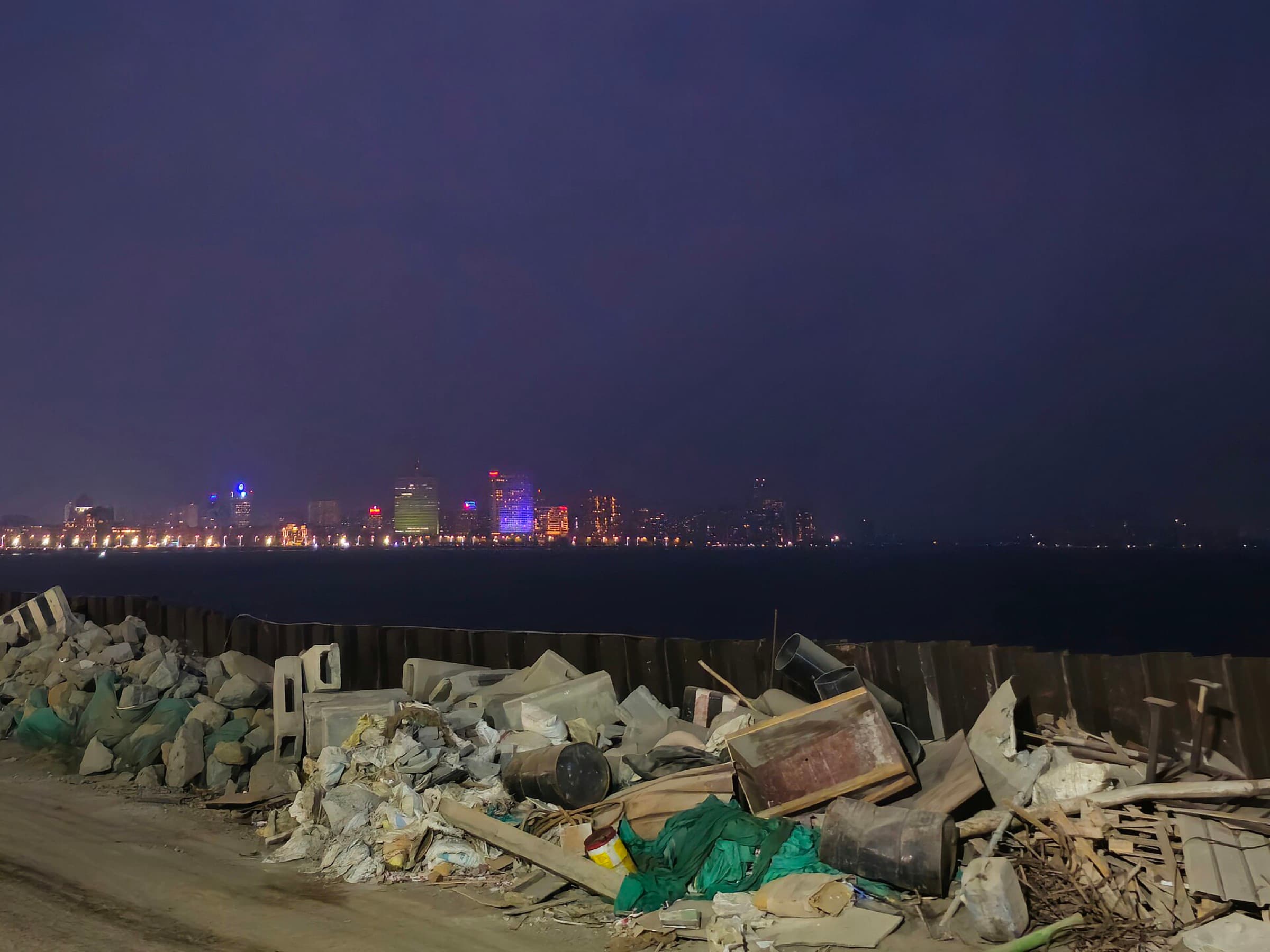
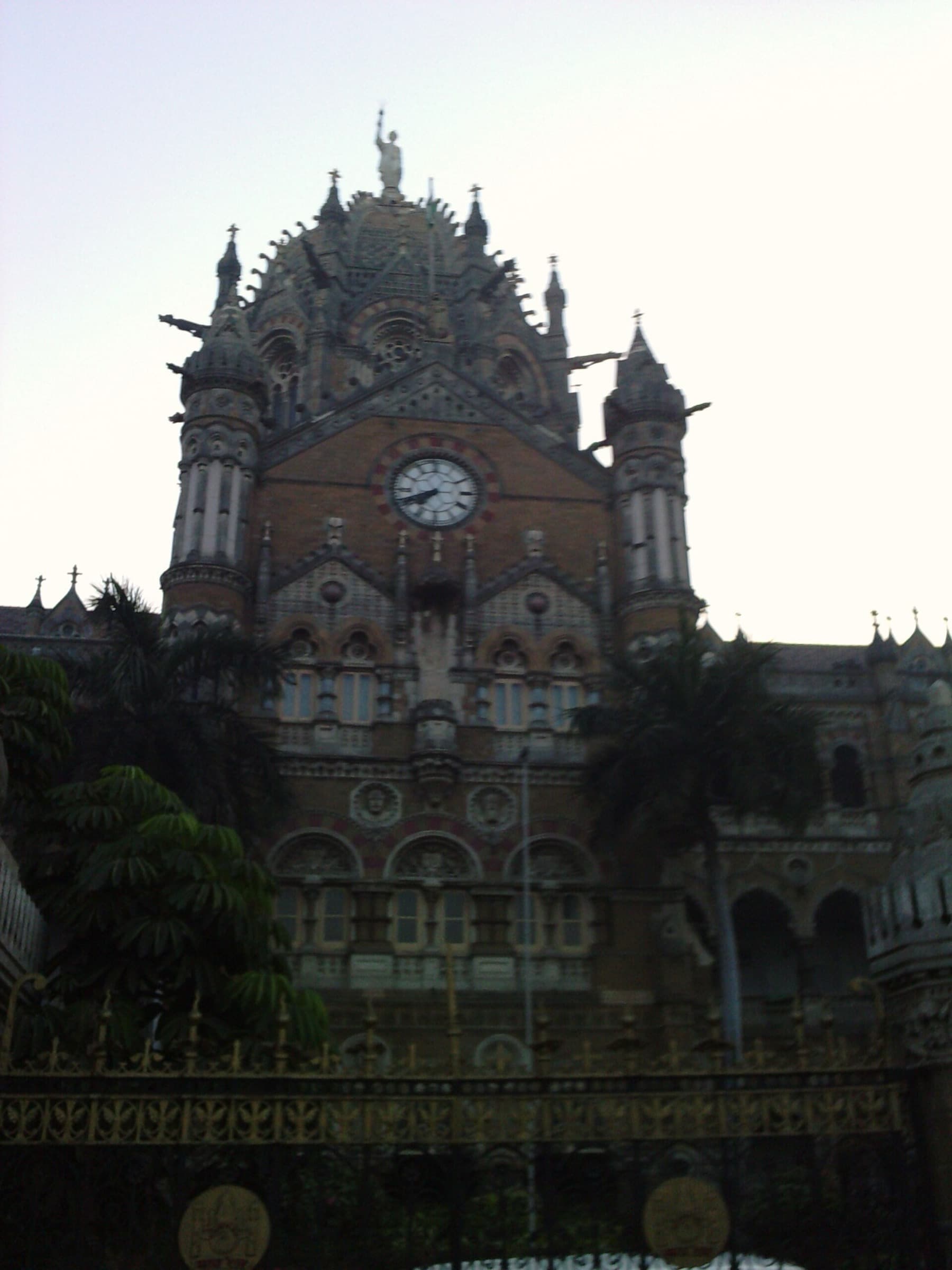
What this place feels like
Related stories
Related destinations
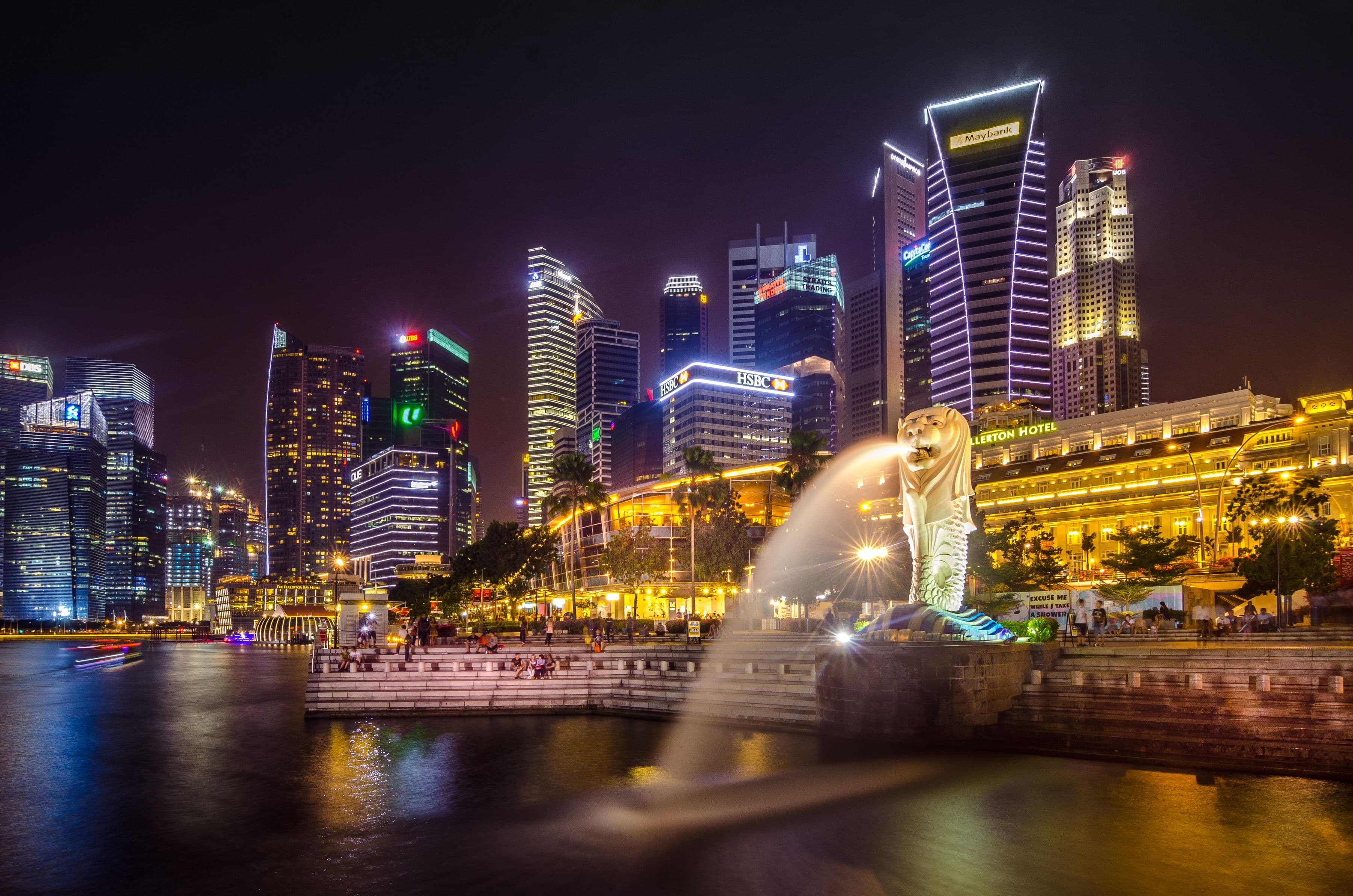
Singapore
Southeast Asia · Singapore
Luxury, order, and tropical city energy in a place that makes complexity feel effortless.
View guide →
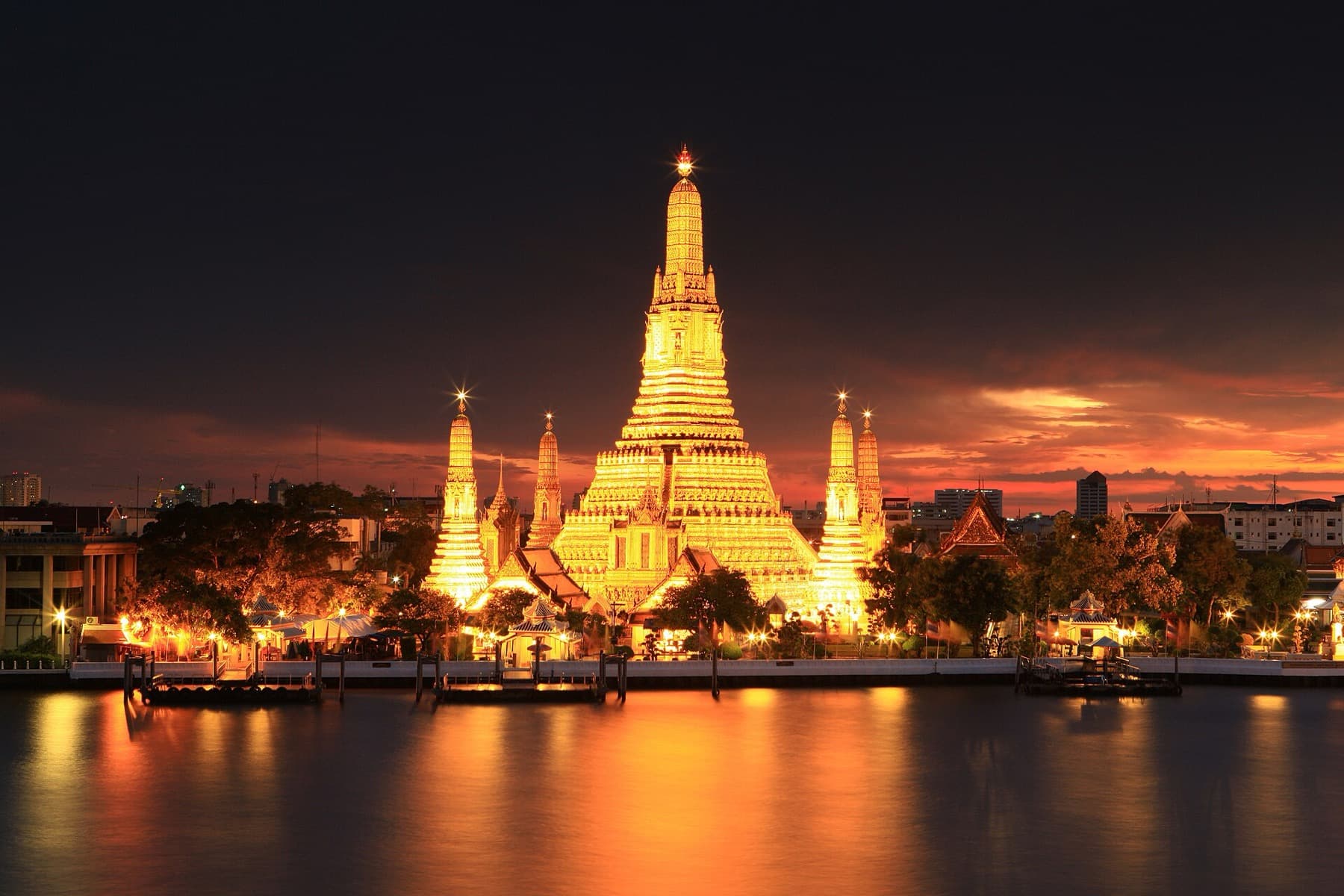
Bangkok
Southeast Asia · Thailand
Street food temples, golden spires, and a city that rewards both chaos-embracers and luxury seekers.
View guide →
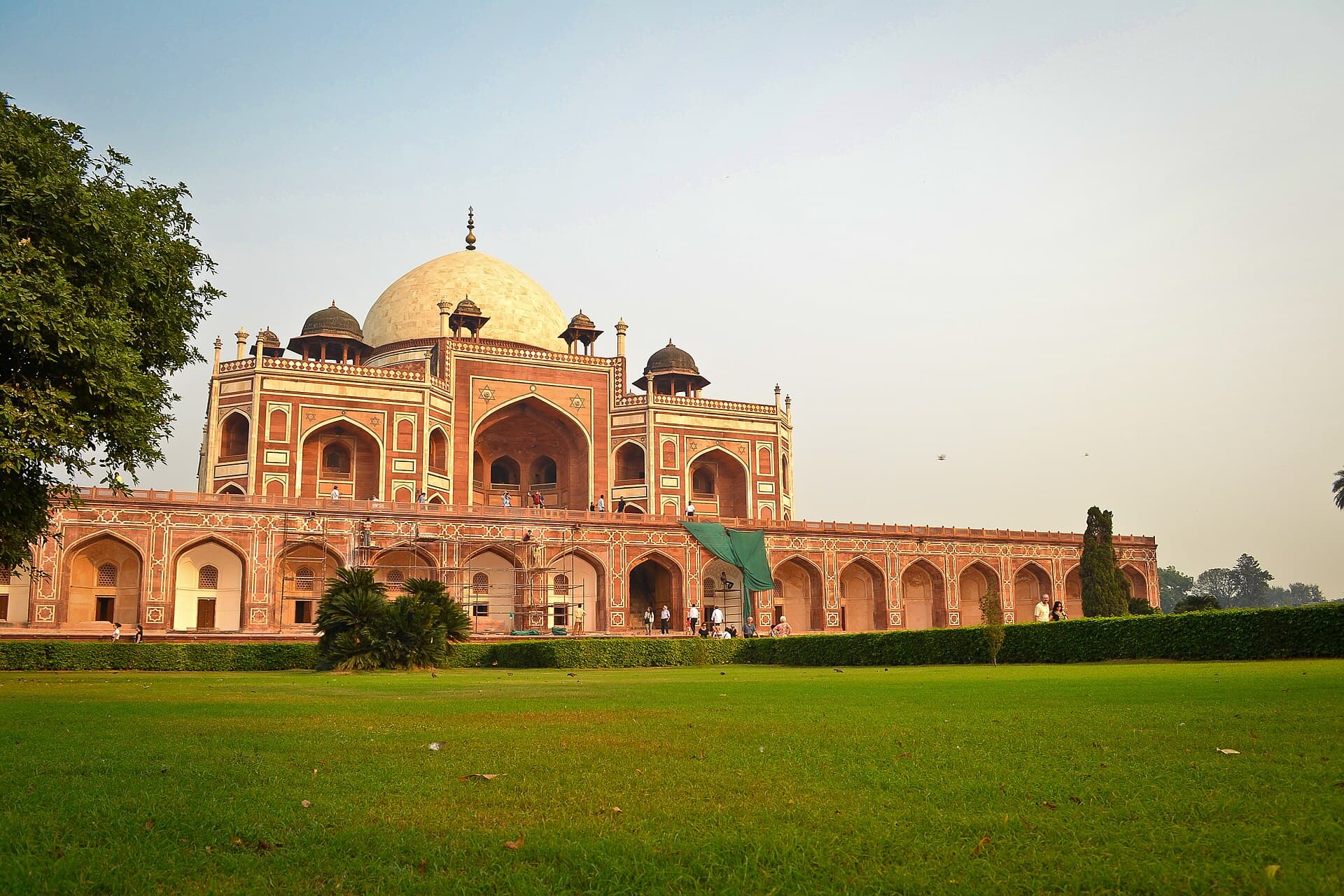
Delhi
South Asia · India
Old Delhi breakfast chaos, Humayun’s Tomb quiet, and a capital that rewards one corridor per half-day—not a monument marathon.
View guide →