

New Orleans
Tremé, Versailles, Creole food geography
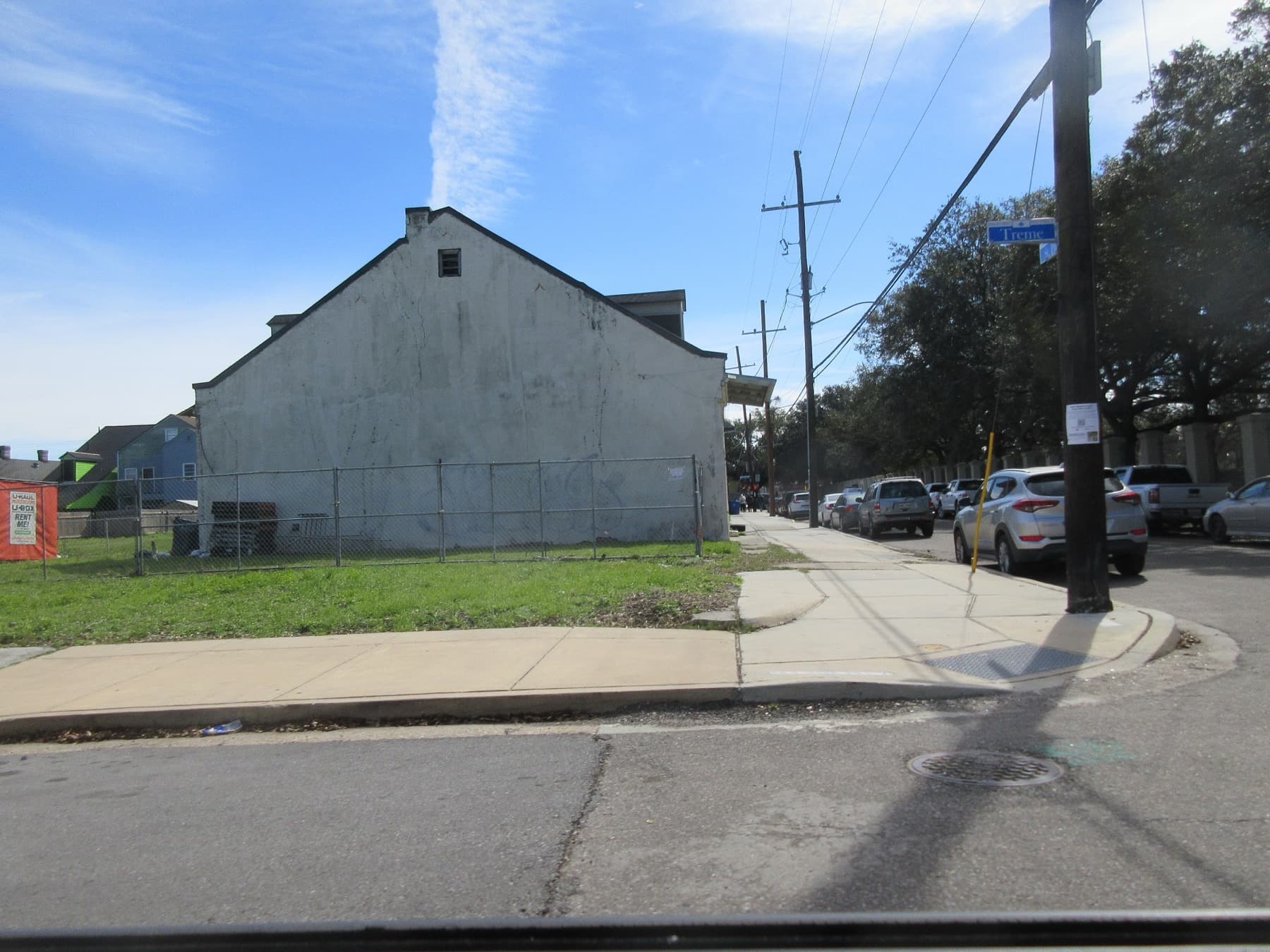
Photo: Infrogmation, CC BY-SA 4.0
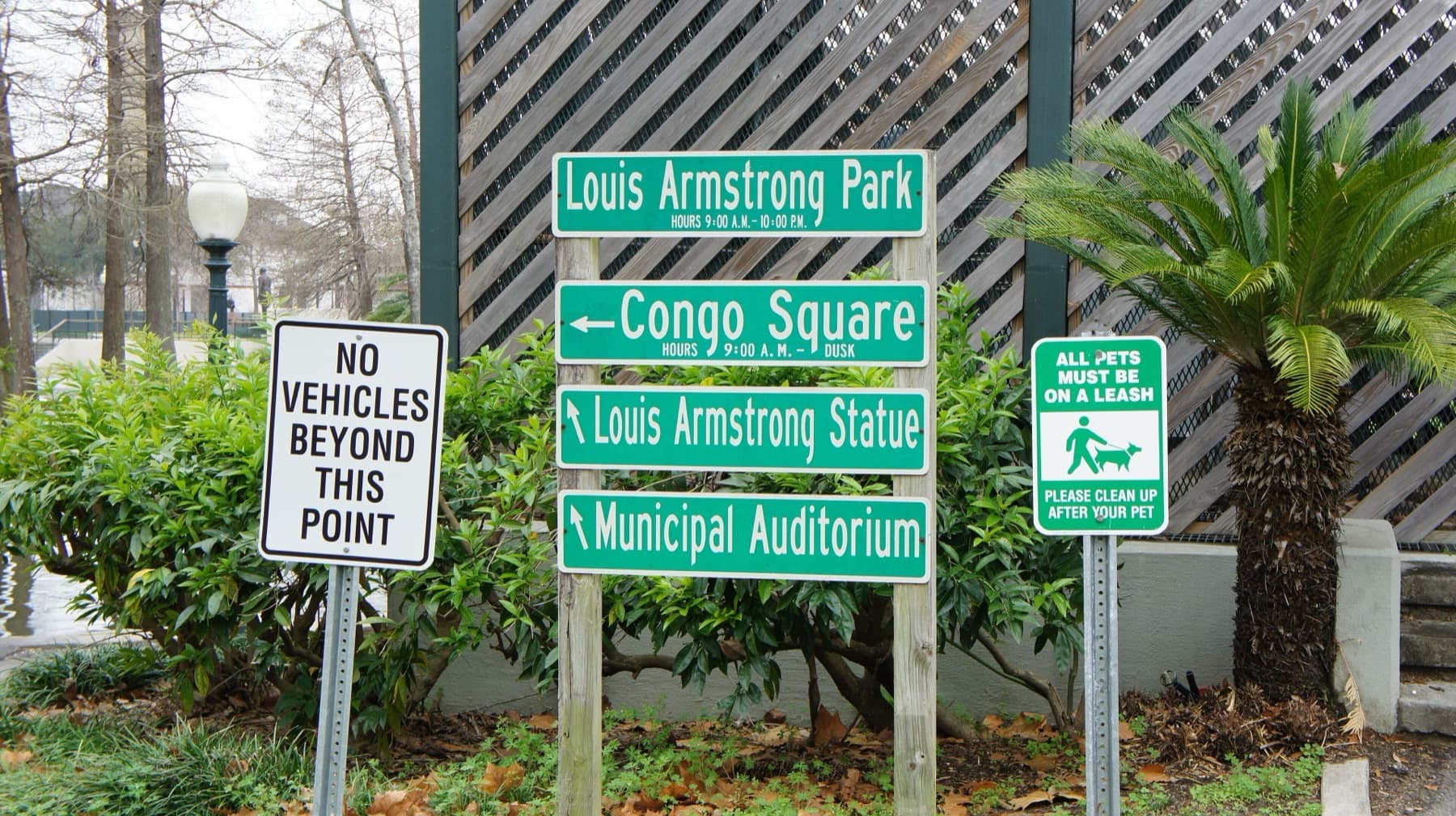
Start at Congo Square inside Louis Armstrong Park, on the Tremé edge of the Quarter, where Sunday gatherings of enslaved Africans helped shape the city’s rhythm long before tourism learned the word jazz. Walk the park while it is still quiet. Then eat Creole food that tastes like a neighborhood kitchen—gumbo with a real roux, red beans if it is Monday—before you ever negotiate Bourbon Street’s neon.
Give a full day to Village de l’Est, which locals still call Versailles. After 1975, Vietnamese Catholic refugees built a parish around Mary Queen of Vietnam Church, returned early after Katrina, and kept baking the baguettes that end up in po’boys across town. Dong Phuong Oriental Bakery, a James Beard American Classics winner, sits on Chef Menteur Highway: bakery counter for bánh mì and pastry, restaurant next door for phở and vermicelli bowls, closed Tuesdays. On Saturdays, the early market in the church lot on Dwyer Boulevard is a separate errand—arrive before 8 a.m. if you want the best of it; vendors pack up fast.
Music belongs on Frenchmen Street listening rooms, brass-band second lines when you are lucky enough to catch one, and the New Orleans Jazz National Historical Park visitor center now sharing space at 419 Decatur Street (Tuesday–Saturday, roughly 9:30 a.m.–4:30 p.m.—confirm before you go). The Old U.S. Mint’s Jazz Museum is a different ticket a few blocks away. Check calendars; do not assume every building with “jazz” on the awning is the same program.
| Best months to visit | November–April for walkable evenings. Summer is hot and wet; Atlantic hurricane season runs June 1–November 30, so nonrefundable peak-summer nights need a weather eye. |
| Primary airport(s) | MSY (Louis Armstrong New Orleans International) sits west of the city—often 25–40 minutes by taxi or rideshare depending on traffic |
| Ease for first-timers | 6/10 |
| Trip intensity | Moderate |
| Typical budget feel | Comfortable |
| Suggested trip length | 5–7 days |
Transpacific Bound destination editorial. Not live pricing or availability; confirm seasons and entry rules before booking.
Why go now
Dong Phuong’s James Beard American Classics recognition and citywide Viet-Cajun seafood made Versailles hard to treat as a secret, while NPS jazz programs and Congo Square still teach more than a random club crawl.
Who this trip is for
Travelers chasing brass bands, Black neighborhood history, and Gulf Vietnamese food more than a themed bar street.
First-timer move
Congo Square inside Louis Armstrong Park before the heat climbs, a Creole lunch that is not a souvenir menu, then a car or rideshare to Dong Phuong (closed Tuesdays) for bánh mì and pastry.
Repeat visitor angle
Come back for a Saturday Versailles market plus a Viet-Cajun seafood boil the same night, or for Mid-City and Bayou St. John walks that never touch Jackson Square.
Second trips also earn a Natchez or Mississippi Delta day once you already know where you sleep and which music room you trust. Skip redoing the same Quarter souvenir blocks unless someone new is with you.
Where to stay
Marigny and Bywater put you near Frenchmen music and a short hop to Tremé without sleeping inside the loudest Bourbon blocks. Mid-City works if you want streetcar access and quieter nights.
French Quarter hotels are fine if you accept density and leave the neighborhood by day. Versailles is a rideshare or rental-car errand—often twenty to thirty-five minutes east depending on traffic—not a stroll from Café du Monde.
Garden District and Uptown pair with the St. Charles Avenue streetcar when you want porch shade and a slower residential pace.
What to eat
Red beans on Monday if you catch the tradition, gumbo and po’boys on real bakery bread, and a full Versailles day: Dong Phuong bakery plus restaurant, grocery shelves, and Viet-Cajun seafood at night.
Cultural fluency notes
Atlantic hurricane season runs June 1–November 30; peak heat and humidity sit inside that window. Hydrate, plan indoor afternoons in summer, and think twice about nonrefundable August nights.
Second lines and jazz funerals are community events. Follow the crowd’s etiquette, keep cameras out of faces that did not invite you, and never block the band.
Cemetery tours have rules and living families—treat graves as graves. Tip like the rest of the U.S. Cash still helps at smaller music rooms and market stalls. Dong Phuong’s bakery hours run earlier than the restaurant; both close Tuesday.
What diaspora travelers may notice
Vietnamese New Orleans is tens of thousands of people with Gulf Coast fishing history, Catholic parish life, and bakeries that quietly feed the city’s sandwich culture. The 2025 Historic New Orleans Collection exhibition Making It Home traced that arc from Saigon’s fall to East New Orleans resettlement—useful context if you want framed history before you eat.
You may feel at home in a Versailles grocery aisle and still be a guest on Claiborne Avenue in Tremé. Eat, tip well, and leave room for stories that are not yours to narrate in a caption.
Worth the splurge
A reserved table at a chef-driven Creole or contemporary Louisiana kitchen, plus a ticketed set on Frenchmen—or an NPS jazz program when the calendar lines up—instead of a cover-charge warehouse on Bourbon.
What not to do
Do not spend every night on Bourbon and call it research.
Do not hit Dong Phuong for one photo and skip the grocery shelves and church-market morning when you have a Saturday.
Do not treat Tremé as a backdrop for your outfit. Do not make a plantation tour your only history lesson when Congo Square, the jazz park, and living neighborhoods are in town.
Best paired with
Mexico City for another food-first city with Pacific ties, Los Angeles if you want a second diaspora food map on the same trip continent, or Natchez and the Delta once New Orleans itself has three solid days.
Best time to go
November–April for walkable evenings. Summer is hot and wet; Atlantic hurricane season runs June 1–November 30, so nonrefundable peak-summer nights need a weather eye.
Airport notes
MSY (Louis Armstrong New Orleans International) sits west of the city—often 25–40 minutes by taxi or rideshare depending on traffic. There is no downtown rail from the terminal; factor that into late arrivals.
A 4-day editorial itinerary
Day 1
Land MSY, drop bags in Marigny or Mid-City, Congo Square and Armstrong Park while light is soft, early Creole dinner, one short Frenchmen set if you still have legs—then sleep.
Day 2
Tremé morning on foot. Lunch that is neighborhood Creole or Creole-Italian. Midday rest in heat season. Late afternoon: Jazz National Historical Park visitor center at 419 Decatur if it is Tuesday–Saturday, or the Jazz Museum at the Old U.S. Mint. Evening listening room, not a warehouse.
Day 3
If Saturday: church-lot market early (cash, tote bag), then Dong Phuong. Any other day except Tuesday: Dong Phuong bakery and restaurant late morning. Grocery wander. Viet-Cajun seafood dinner in New Orleans East. Skip the forced Quarter nightcap.
Day 4
St. Charles streetcar toward the Garden District or a Bayou St. John loop, repeat your best meal, Historic New Orleans Collection if you want museum framing, fly out with an MSY buffer.
What this place feels like
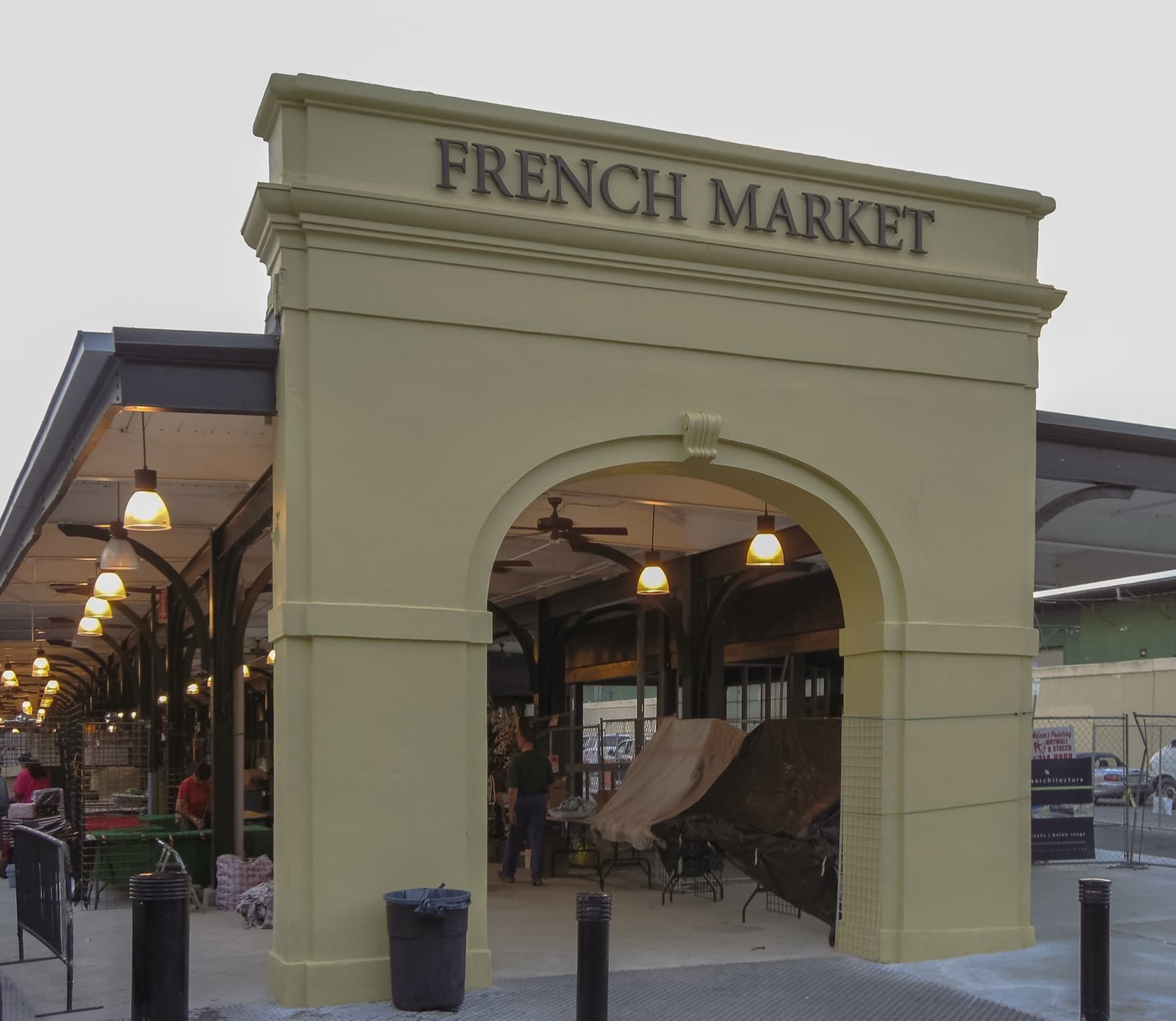
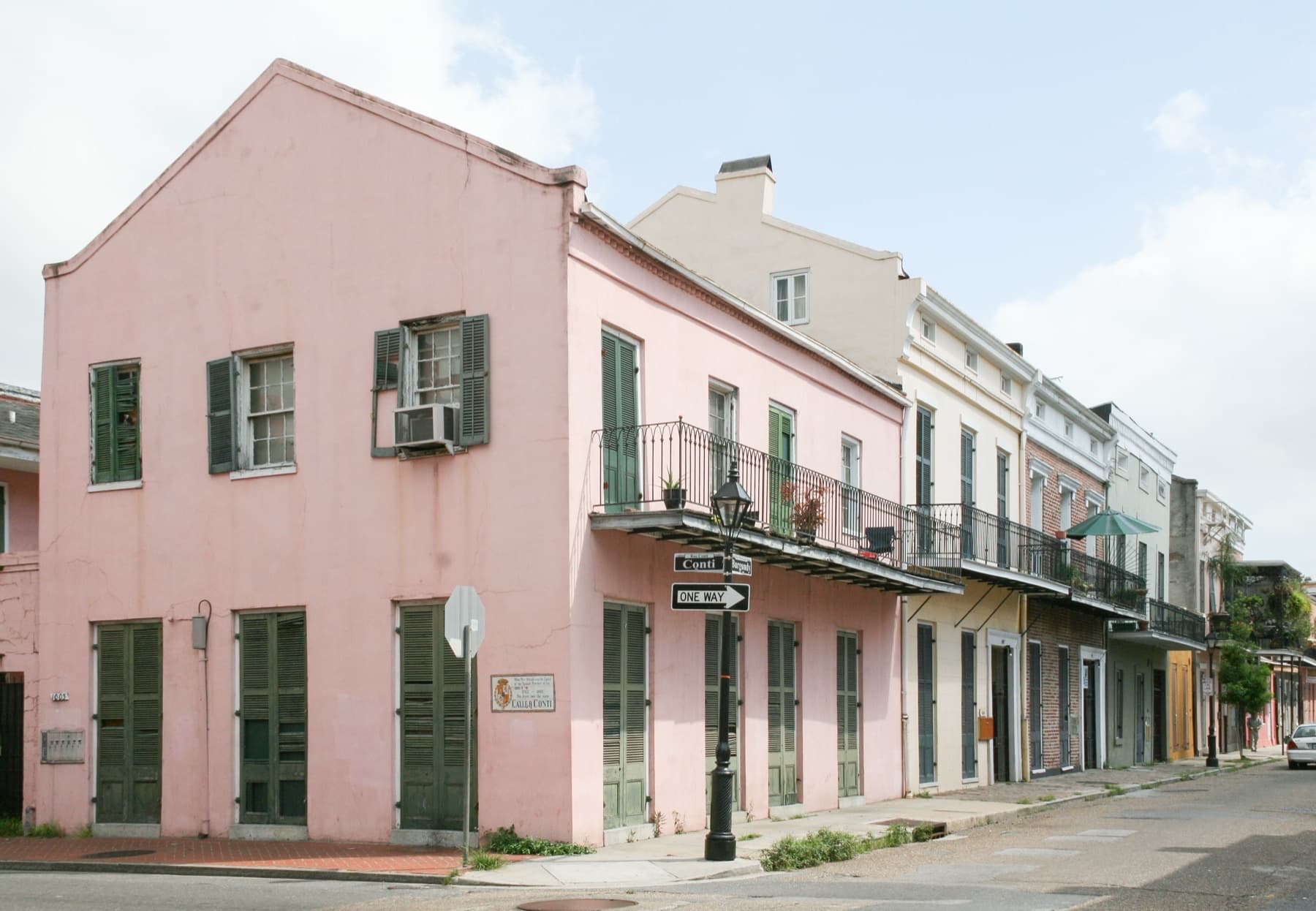
Related stories
Diaspora Weekends
Saturday in New Orleans Is East of the City
Heritage Travel
Diaspora Summer: Build a Heritage Trip Without the Guilt Itinerary
Food Travel
Los Angeles Is a Better Food Trip Than Almost Anywhere
Family Travel
How to Choose a Hotel When You Are Traveling With Parents
Family Travel
How to Travel With Parents Who Remember a Different Country
Related destinations

Vancouver
North America · Canada
Pacific Rim city with exceptional Asian food, nature access, and diaspora community depth.
View guide →
Toronto
North America · Canada
Scarborough, Markham, and downtown corridors make this one of North America's deepest diaspora food cities.
View guide →

Los Angeles
North America · United States
The definitive Asian American city. K-town, SGV, and Pacific Rim culture at full scale.
View guide →
Mexico City
Global Cities · Mexico
Asian visitors’ guide to Mexico City: Pequeño Seúl Korean corridors, Barrio Chino and cafés de chinos, Korean–Mexican crossover dining, plus altitude-aware CDMX logistics.
View guide →