
Mexico City
Little Seoul, Chinese-Mexican café heritage, and crossover menus in a high-altitude food capital
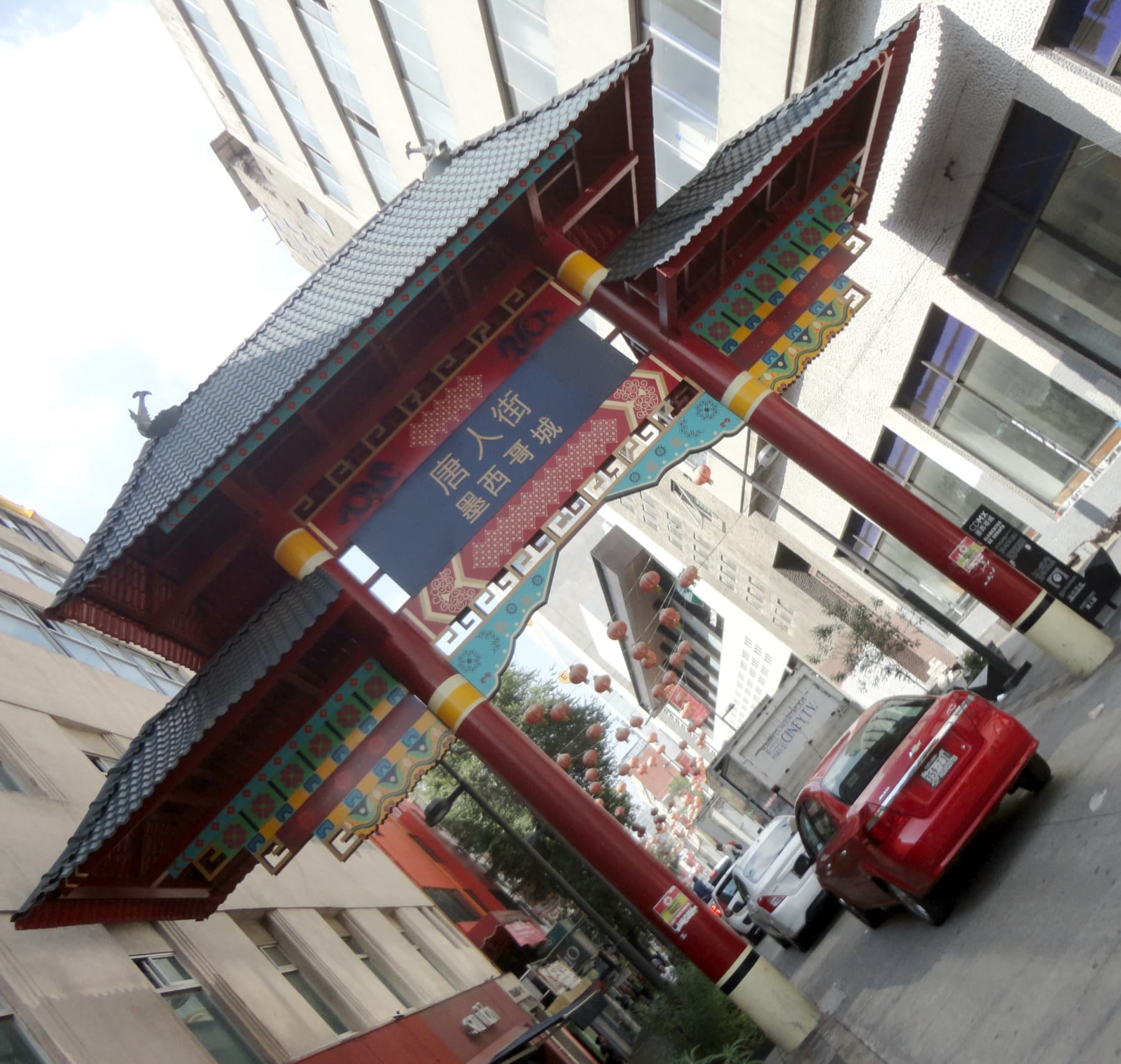
Juan Carlos Fonseca Mata / “Paifang del Barrio Chino, Calle de Dolores” / resized from original
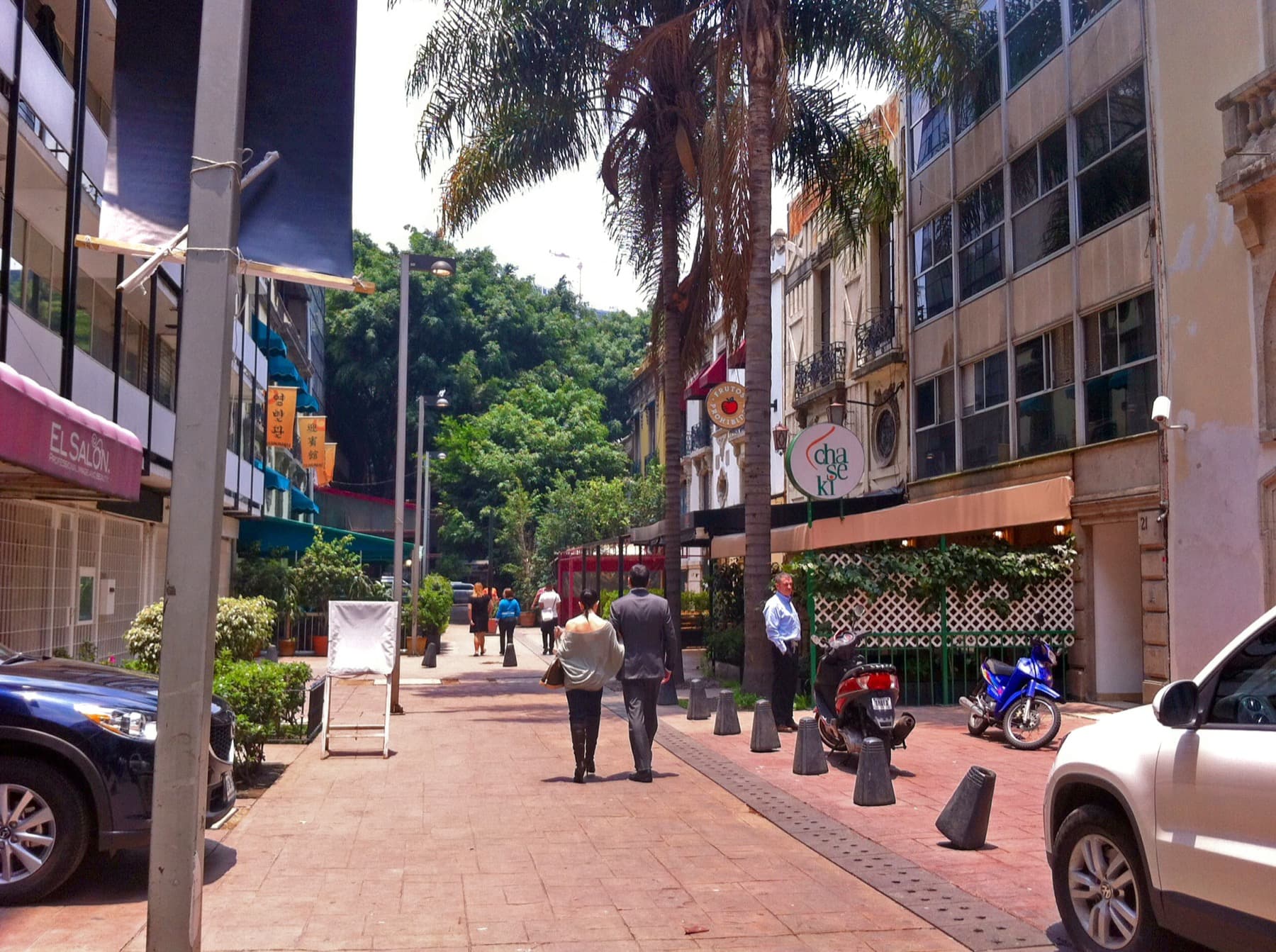
Mexico City belongs on a Transpacific Bound map when you read it as an Asian visitors’ city—not a substitute Seoul, and not a generic Latin American checklist. Pequeño Seúl in Zona Rosa / Colonia Juárez concentrates Korean restaurants, groceries, K-beauty shops, and karaoke along streets such as Hamburgo, Florencia, Liverpool, and Sevilla near Avenida Chapultepec. Barrio Chino on Calle Dolores, by Alameda Central and Bellas Artes, is a short historic Chinatown with a paifang gateway and Lunar New Year energy; Chinese Mexican life is more dispersed than the two-block postcard, and citywide cafés de chinos—Mexican breakfast rooms with Chinese-café DNA—carry the older culinary crossover.
Newer Korean and Korean–Mexican rooms have moved into Condesa, Roma, and Polanco, where menus borrow banchan logic, chile heat, and mezcal in the same week. The Centro Cultural Coreano in Polanco runs classes, cooking demos, and festivals worth checking against your dates. Keep Mexican street food and one museum on the calendar so the trip does not collapse into Koreatown tourism alone.
Altitude is about 2,240 meters (roughly 7,350 feet). Day one should be short walks and early sleep. Alcohol hits harder until you adjust. Traffic punishes cross-town stacking—Uber between Juárez, Roma, and Centro beats heroic Metro transfers with luggage or late at night.
| Best months to visit | March–May and October–November for milder days. Summer rains are manageable with indoor lunch plans; altitude matters year-round. |
| Primary airport(s) | Most long-haul flights use MEX (AICM) |
| Ease for first-timers | 7/10 |
| Trip intensity | Moderate |
| Typical budget feel | Smart value |
| Suggested trip length | 5–7 days |
Transpacific Bound destination editorial. Not live pricing or availability; confirm seasons and entry rules before booking.
Why go now
Pequeño Seúl remains a working Korean commercial district while newer Korean–Mexican rooms have spread into Condesa, Roma, and Polanco—useful for a five-day contrast trip from Asia-Pacific defaults.
Who this trip is for
Asian and Asian diaspora travelers who want CDMX’s Korean and Chinese-Mexican corridors without pretending the city is only a taco checklist—or only a Koreatown replica.
First-timer move
Base in Roma or Condesa. Lunch in Pequeño Seúl (Zona Rosa / Juárez), walk Barrio Chino near Alameda, and keep one night for tacos so the trip stays honest.
Repeat visitor angle
A second visit can leave Pequeño Seúl lunch for a Polanco Cultural Center workshop day, chase a specific Korean–Mexican reservation in Condesa, or compare CDMX’s Korean corridor to LA’s Koreatown without treating either as a scorecard.
Return travelers who only did Roma restaurants can give Juárez a full afternoon of grocery shelves and banchan, then take Teotihuacán only if energy and altitude allow a separate early start.
Where to stay
Base in Roma or Condesa for walkable dinners and a short Uber to Pequeño Seúl. Stay on the Juárez / Zona Rosa edge if you want walking access to Korean streets and can accept mixed nightlife energy. Polanco suits Cultural Center days and polished reservations. A Centro fringe hotel works for Barrio Chino and Bellas Artes mornings but is louder at night.
Expect Metro Insurgentes or Sevilla for daytime access toward Zona Rosa; use Uber or Didi after dark and for airport runs. Do not schedule Pequeño Seúl, Teotihuacán, and a late mezcal crawl on the same jet-lagged day.
What to eat
Korean barbecue and banchan in Pequeño Seúl, a café de chinos breakfast, one crossover Korean–Mexican dinner, and street tacos or a neighborhood market on separate blocks.
Cultural fluency notes
Confirm MEX (AICM) vs AIFA (NLU) on the ticket—AIFA is a long transfer. Book Uber or Didi from inside the terminal; skip arrivals-hall touts. Entry rules are passport-specific: many travelers enter visa-free and clear digital INM air processes; others need a visa—confirm SRE/INM guidance and the official INM portal before you fly.
Drink bottled or filtered water. Cards work widely in tourist colonias; small cash still helps at markets and some Korean counters. Spanish menus are the default; Korean and Spanish both appear in Pequeño Seúl. Cover normal urban caution without turning the city into unsafe theater—busy restaurants and registered ride-hail beat empty side streets late.
What diaspora travelers may notice
Asian visitors often arrive craving something familiar and leave talking about banchan next to salsa, or a café de chinos breakfast that is neither Guangzhou nor a Mexico City tourist plate. Korean speakers may hear home languages on Florencia; Chinese Mexican history is quieter and more mixed than a Chinatown script.
Treat community businesses as customers, not content. Tip fairly, do not photograph strangers without asking, and leave room for Mexican cooks and Korean-Mexican chefs who are inventing the crossover rather than performing authenticity for you.
Worth the splurge
A reserved Korean–Mexican or contemporary Korean table in Condesa or Roma, or a design hotel within a short Uber of both Juárez and Chapultepec.
What not to do
Do not reduce CDMX to Frida, mezcal, and one rooftop. Do not treat Barrio Chino’s two blocks as a full Chinese city within the city. Do not skip Mexican tacos because you found good kimchi.
Do not drink like you are at sea level on night one. Do not book AIFA thinking it is beside MEX. Do not stack Anthropology, Pequeño Seúl, and Coyoacán in one traffic day.
Best paired with
Los Angeles is the closest diaspora comparison for Koreatown and Chinese-Mexican café logic on a different scale. Seoul or Tokyo work as the Asia-Pacific bookend when CDMX is the contrast trip. New York fits if you are chaining global cities rather than a Mexico-only week.
Best time to go
March–May and October–November for milder days. Summer rains are manageable with indoor lunch plans; altitude matters year-round.
Airport notes
Most long-haul flights use MEX (AICM). Confirm you did not book AIFA (NLU), which sits much farther out. Use Uber or Didi from inside the terminal and build traffic buffer.
A 5-day editorial itinerary
Day 1
Land at MEX (confirm not AIFA). Uber or Didi to a Roma or Condesa hotel. Short neighborhood walk, light dinner, water, and early sleep—altitude first.
Day 2
Late morning into Pequeño Seúl for Korean barbecue or a banchan-heavy lunch around Hamburgo / Florencia / Liverpool. Browse a Korean grocery or K-beauty shop without turning it into a haul video. Evening: sit-down tacos or a cantina near your hotel so Mexican food stays on the trip.
Day 3
Barrio Chino on Calle Dolores near Alameda and Bellas Artes—paifang photo, short blocks, then a café de chinos breakfast or coffee if you find one nearby. Afternoon museum block at Bellas Artes or a Chapultepec museum only if energy holds. Quiet night.
Day 4
Korean–Mexican or contemporary Korean dinner in Condesa or Roma (reservations help). Optional midday check of Centro Cultural Coreano programming in Polanco. Keep the afternoon free for a neighborhood market such as Medellín in Roma rather than a second Koreatown loop.
Day 5
Repeat a trusted bowl—Korean or Mexican—then MEX with more traffic buffer than feels necessary. Teotihuacán or Coyoacán need their own morning; do not invent them as an airport errand.
What this place feels like
Related stories
Related destinations
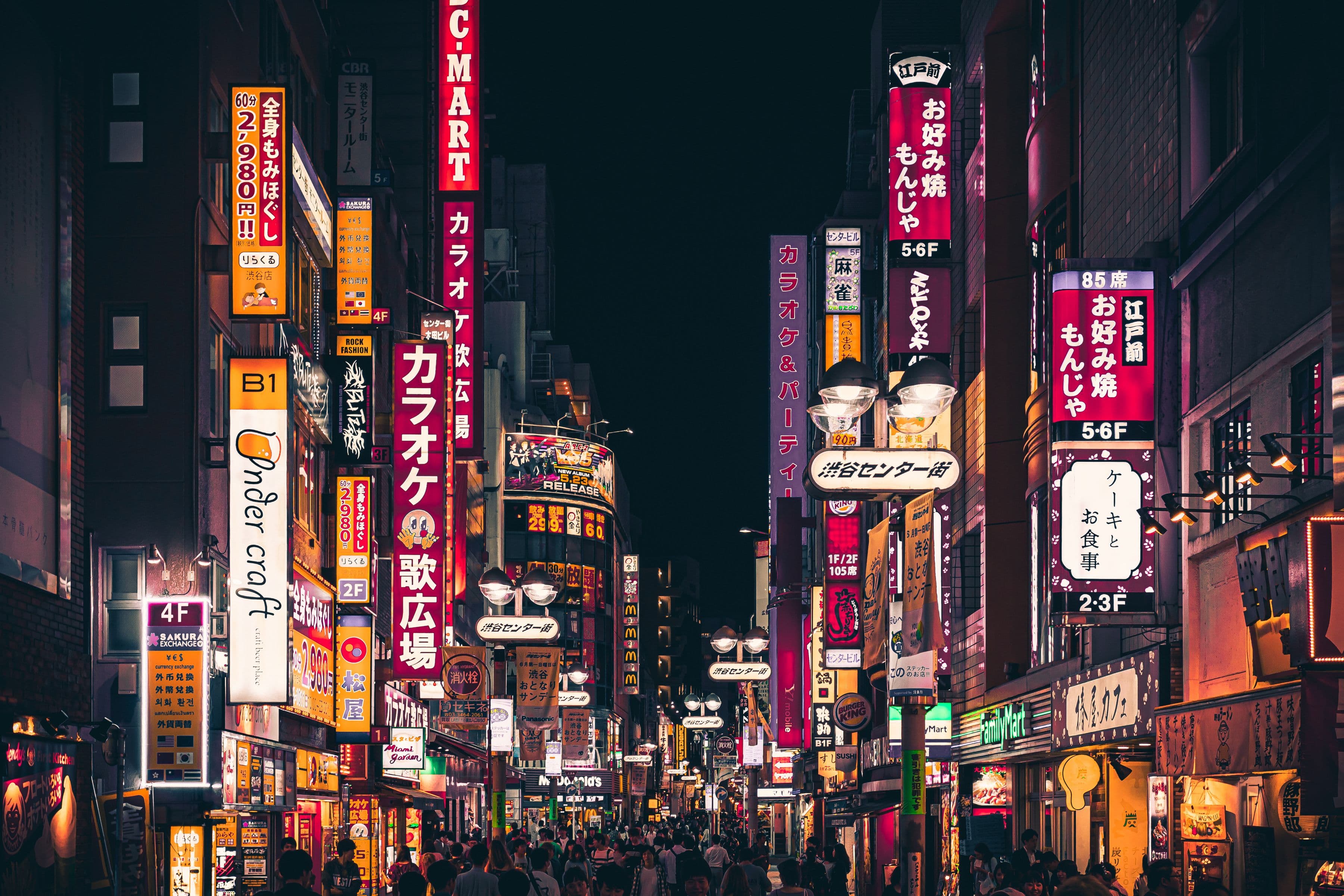
Tokyo
East Asia · Japan
Tokyo travel guide for diaspora and first-time Asia visitors: neighborhoods, food, transit, and how to pace a trip without checklist tourism.
View guide →
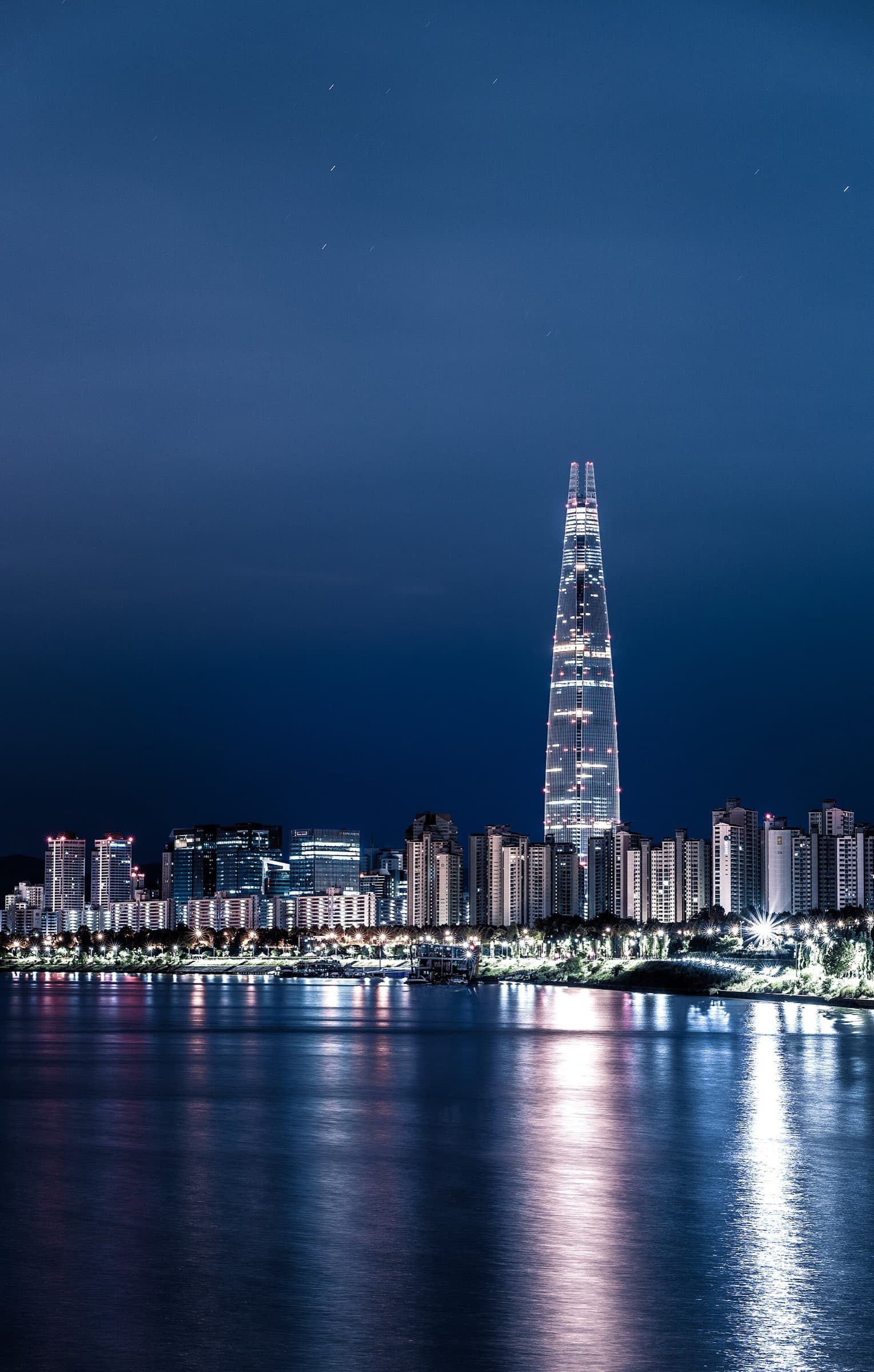
Seoul
East Asia · South Korea
Beauty, nightlife, and fashion-forward energy in a city that moves faster than you expect.
View guide →
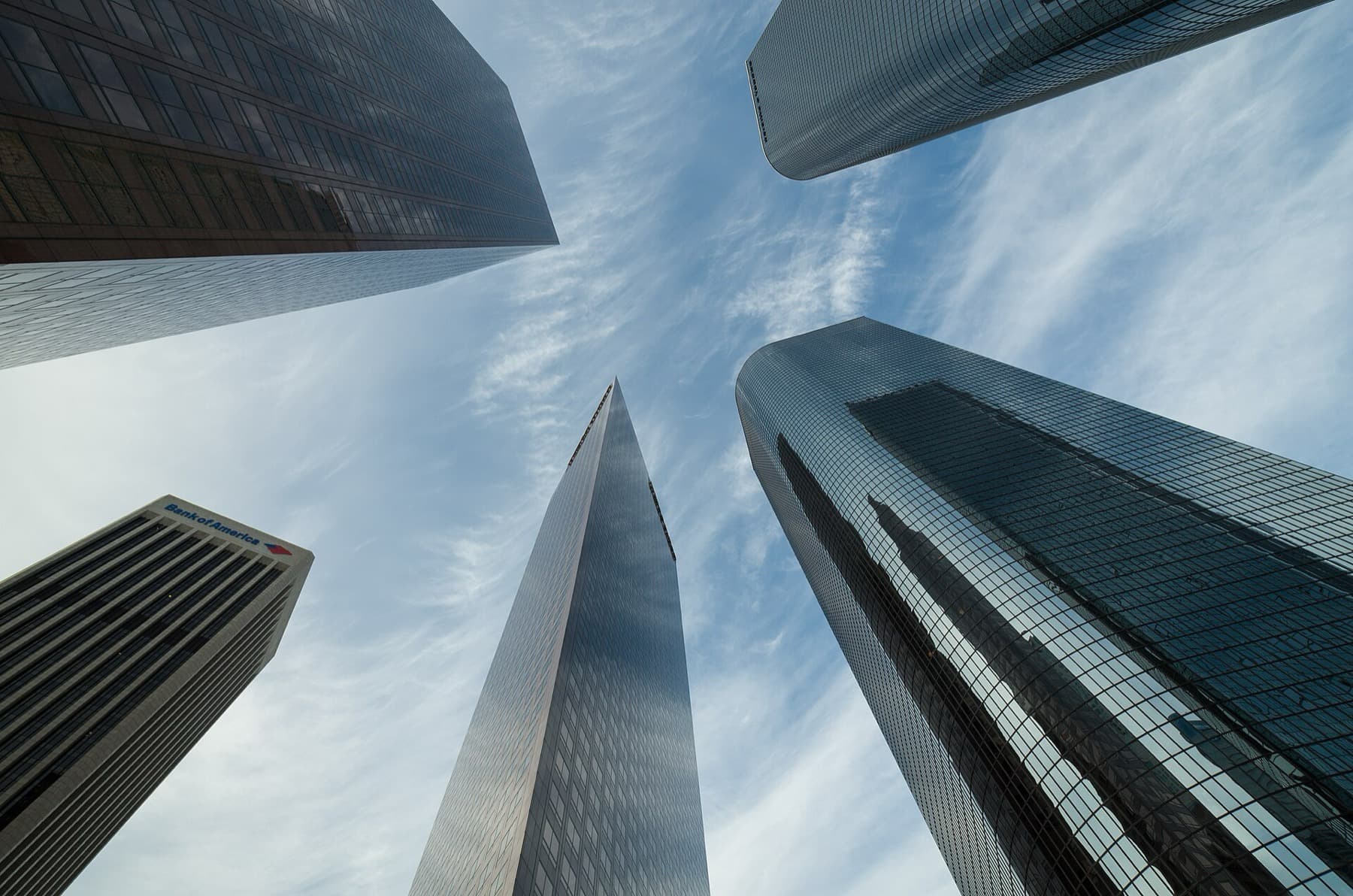
Los Angeles
North America · United States
The definitive Asian American city. K-town, SGV, and Pacific Rim culture at full scale.
View guide →