ANA and Vietnam Airlines Want a Joint Venture. What Would Change Beyond Codesharing?
Monday’s framework would let the carriers coordinate schedules, fares, seats, and revenue on Japan–Vietnam flying. Regulators in both countries still have to say yes.
A ceremony, then the fine print
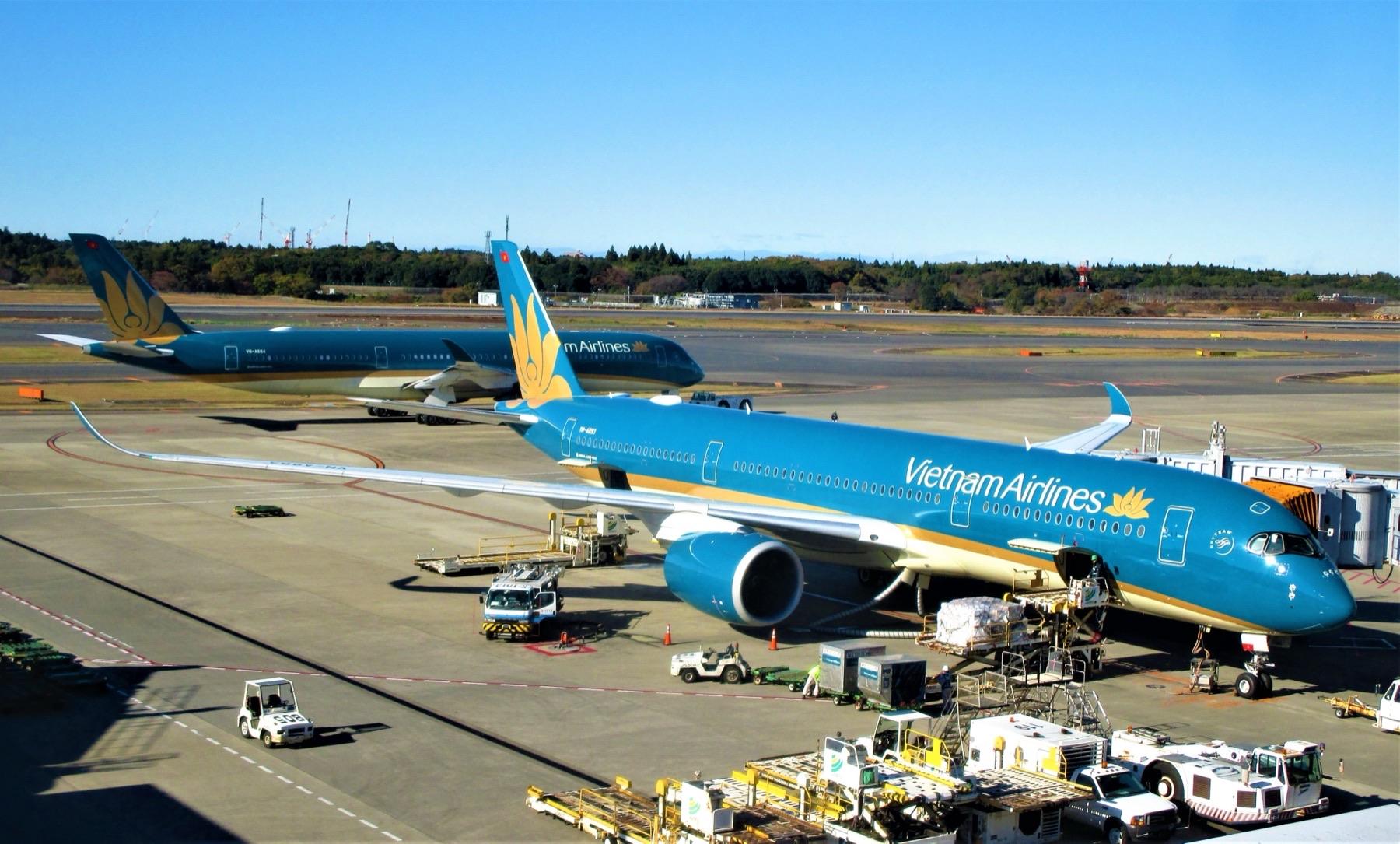
In Tokyo on November 9, All Nippon Airways and Vietnam Airlines marked ten years as strategic partners and signed a framework agreement to pursue a joint venture on Japan–Vietnam routes. Vietnam’s top leader, To Lam, attended during an official visit. ANA President Juichi Hirasawa and Vietnam Airlines President Le Hong Ha signed for their carriers.
The ambition sits in the commercial plan. If the deal clears regulators, the airlines would share revenue on the corridor and coordinate the things travelers notice when a market works well: when flights leave, what fares look like, which seats get sold where, and how the trip is marketed and handled on the ground. They did not publish a launch date, a city-pair list, or an antitrust grant. Hirasawa told reporters that Japan–Vietnam traffic should keep growing and that the airlines want travel to feel more convenient. Le Hong Ha cast the partnership as support for economic and tourism ties. Fine aims. None of them rearrange tomorrow’s departure board.
What a codeshare already does, and what it cannot
ANA Holdings bought into Vietnam Airlines in 2016 and still holds about 5.62 percent of the carrier, Kyodo reported. Codeshares, linked frequent-flyer programs, and airport cooperation followed. That is the partnership you already meet at the counter: one airline’s flight number on the other’s airplane, miles that transfer, a connection that feels less improvised.
What Kyodo underlined is the limit. The two carriers still set fares and schedules separately. A codeshare helps you book through. It does not let competitors sit down and redesign a timetable or a fare ladder together. That kind of talk needs antitrust immunity first.
Aviation Wire, covering the same Tokyo announcement, put the passenger difference cleanly. Under a live joint venture, a traveler can more easily mix the two airlines on a round-trip under a common fare—outbound on one carrier, home on the other—because the commercial plan is joint. Two codes on one boarding pass is today’s product. A shared fare structure that treats both fleets as one shop is the thing Monday only proposed.
The approval gate, and why this filing is unusual
Japanese and Vietnamese coverage agree on the next step. Authorities in both countries must approve the venture, including an exemption from antitrust rules. Until that clearance lands, the airlines cannot lawfully run the coordinated fare-and-schedule plan they described. Aviation Wire says the concrete routes, commercial details, and start timing will arrive as those approvals move. Monday opened the workstream. The reservation system has not changed.
The competitive context matters for how long that workstream may take. ANA already runs joint ventures with Star Alliance partners: United, the Lufthansa Group, and Singapore Airlines. Vietnam Airlines sits in SkyTeam. Japanese trade coverage treats this as ANA’s first push toward a JV with a carrier outside its own alliance, so antitrust reviewers have a thicker file than a routine Star-to-Star extension.
Framework now, product later
Airline press rooms blur the vocabulary. A framework or basic agreement means the boards intend to form a commercial JV and will prepare the filings. An operating joint venture starts after immunity is granted, the implementation contracts are signed, and the committees that share revenue and set schedules actually meet. One changes the diplomatic calendar. The other changes what you can buy.
Between those two states sit months, sometimes years, of competition paperwork, route definitions, inventory systems that talk to each other, and sales desks trained not to invent benefits an immunity order never covered. The technical exchanges the two groups already run (maintenance, ground handling, catering, cargo, an extended technical-support deal) can keep going without antitrust immunity. Fare coordination cannot. Treat Monday as the start of that wait.
What to watch, and what to book now
Vietnam Airlines already flies a thick Japan network: eleven direct routes and seventy-two weekly flights as of October. In the first nine months of 2026, its Japan-market passengers rose 18 percent and passenger revenue 26 percent, per Vietnamese state reporting. If that demand holds, lining those flights up with ANA’s Japan system makes commercial sense. Travelers only feel the upgrade once coordinated schedules and common fares clear the lawyers.
The public tells will be boring and useful: an antitrust exemption from Japan and Vietnam, a named start date with the city pairs inside the JV, and booking tools that sell mixed ANA–Vietnam itineraries under one commercial umbrella instead of today’s codeshare patchwork.
Until those show up, buy the flights that already exist. The partnership is a decade deep. The joint venture, as of Monday, is still a framework.
Related stories

Singapore’s Deep-Tech Startups Are Building in China and Selling Toward America
Xnergy, Quikbot, and Quantified Energy build inside China’s clusters and look to America for better invoices. Surviving Shenzhen is the easy half of the sentence.
7 min · Nov 9, 2026
Before Korean Air Absorbs Asiana, Save These Screenshots
The corporate merger has a date. Your job is paperwork. Here is what to capture and fix before the October earn cutoff and the December alliance exit.
7 min · Aug 20, 2026

Cebu Pacific Is Restoring Two Vietnam–Philippines Routes
Cebu Pacific resumes Hanoi–Clark and Saigon–Cebu directs. Here’s who benefits, what onward options look like, and when a Manila transfer still makes more sense.
6 min · Aug 13, 2026
Vietnam Airlines Opens Ho Chi Minh City–Colombo—Vietjet Follows
First Vietnam–Sri Lanka directs: Vietnam Airlines from August 16, Vietjet from August 18. Match the calendars, compare full-service vs low-cost, and know when a hub connection still makes more sense.
6 min · Aug 16, 2026