
Chiang Mai Is Northern Thailand at Human Speed
Khao soi, Nimman cafes, temple mornings, and permission to skip the Pai checklist.
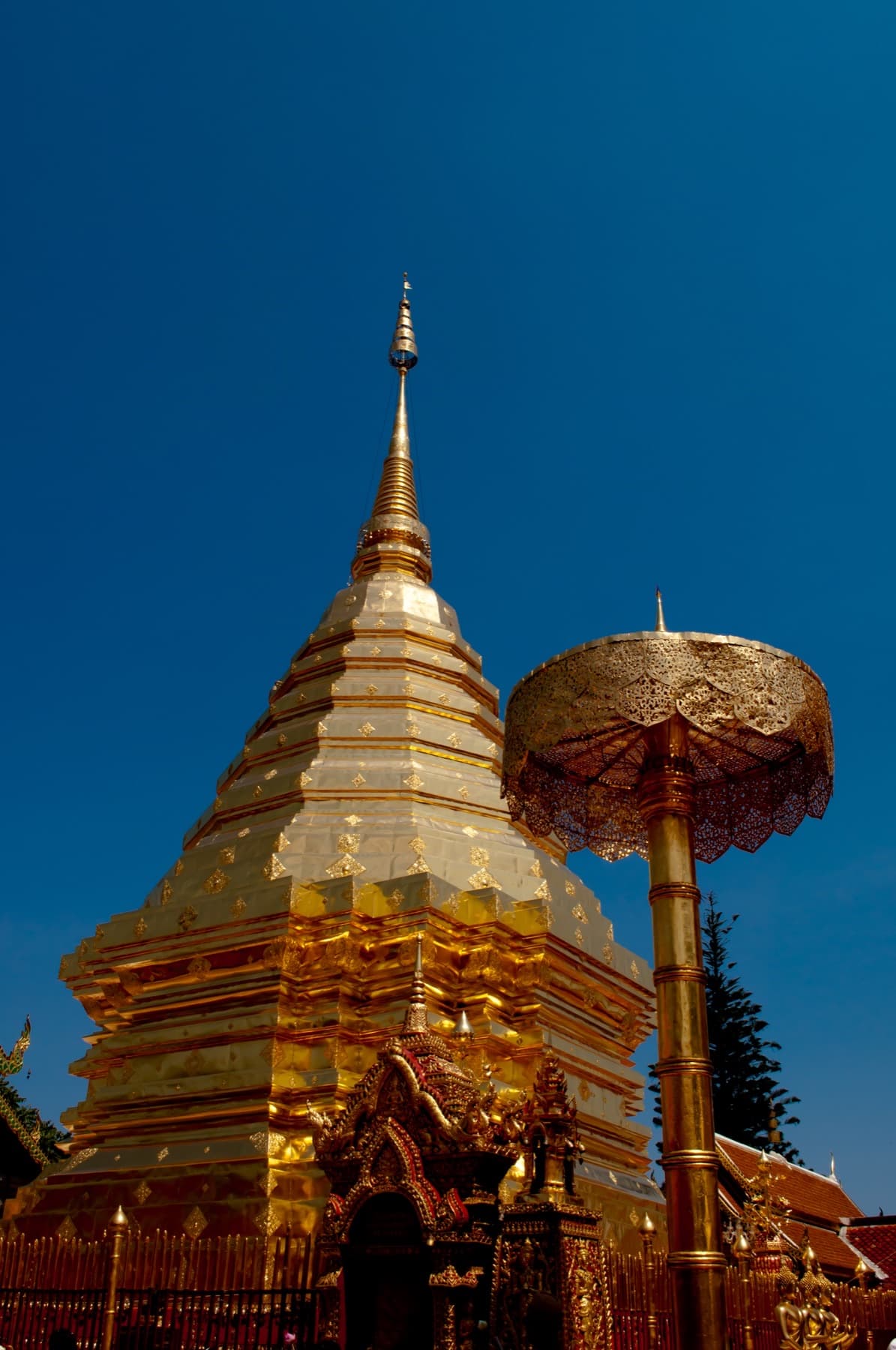
Opening thesis
Chiang Mai is what many travelers wish Bangkok felt like on day four: slower, greener, easier to repeat, and obsessed with a regional food grammar that is not export-generic Thai.
This guide is soft adventure in the honest sense, temples, markets, cooking classes, and khao soi, without expedition cosplay. After Bangkok’s volume, Chiang Mai teaches northern Thailand at human speed.
For Thai American travelers, flavors may feel familiar while pace and geography do not.
Read our Bangkok food guide and Chiang Mai destination hub before you book. Pair cities if you have ten days; choose Chiang Mai alone if you want one neighborhood familiar by day three.
Why Chiang Mai after Bangkok
Bangkok teaches heat, transit, and street food density. Chiang Mai teaches repetition, craft, and the permission to skip twelve temples. The cities complement; they do not compete.
Fly north when you want recovery without leaving Thailand, or when Bangkok’s sensory load has done its job and you need a softer week to consolidate habits.
First-time Southeast Asia travelers often do Bangkok then Chiang Mai; reverse order works if you want calm before chaos. Either way, do not treat Chiang Mai as a day trip checklist from Bangkok, fly, stay, repeat.
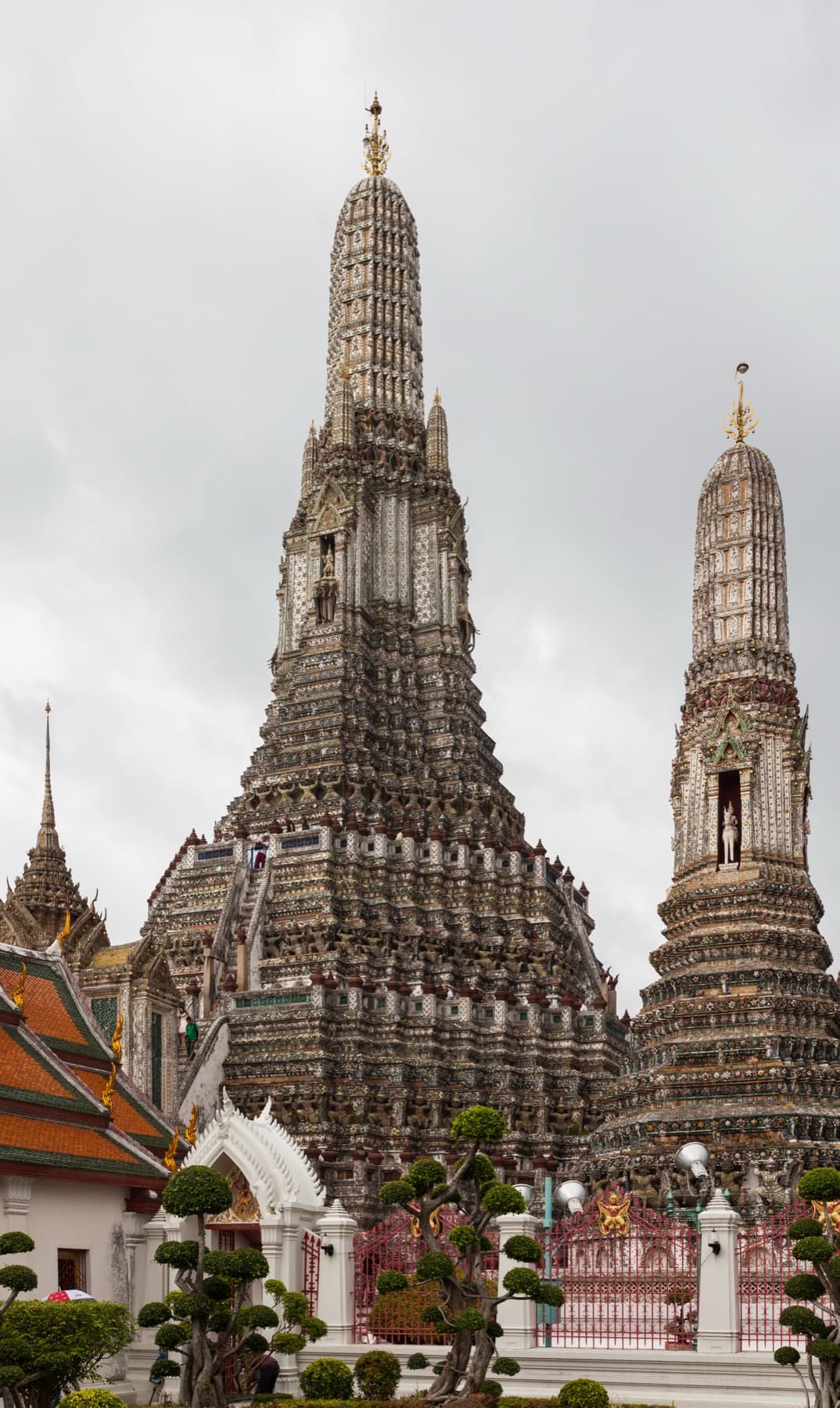
Old City versus Nimman
Old City offers walkable temples, morning markets, and the tourism infrastructure that can feel crowded by noon. Nimman offers cafes, dinner, and a younger residential rhythm that suits repeat visitors.
Pick a home base near the cluster you will actually use: not midway between both on a map that ignores afternoon heat. Songthaews and Grab bridge gaps; they do not erase them.
Stay three nights minimum if you want one place to feel knowable. Two nights is airport-plus-temples; that is not Chiang Mai, that is a screenshot.
Khao soi and northern food
Khao soi is the anchor dish: curry broth, egg noodles, pickles, and the version that explains why northern Thailand belongs on a food trip at all. Order it twice at different shops before you opine online.
Sai ua, nam prik, and market snacks teach a different grammar from Bangkok pad thai tourism. Morning markets reward early arrival; night markets reward appetite without performance.
Cooking classes with market time are worth one day if you cook at home. Skip the class that begins in a sterile kitchen without shopping: the market walk is half the education.
Temple pace without burnout
Dress modestly: covered shoulders and knees. Remove shoes where indicated. Early mornings beat tour-bus hours for both light and patience.
One temple district properly beats five tickets you will not remember. Doi Suthep is valid; it is also optional if your week is food-and-neighborhood focused.
Temple fatigue is real. Build cafe recovery into sacred mornings without guilt. Afternoon heat is your permission to sit, not a moral failure of adventure.
Thai diaspora angle
Thai American travelers may recognize flavors and still feel geographic distance, northern spice logic, Lanna culture, and a city that is not your family’s province unless it is. Both familiarity and distance are data.
Heritage performance is optional here in ways ancestral homeland trips are not. Chiang Mai works as food-and-pace education, not as proof of connection.
Eat seriously. Listen more than you perform discovery. The city rewards curiosity without demanding narrative closure.
Burning season and weather
March and April burning season affects air quality and views, check dates before you book if respiratory sensitivity matters. Winter evenings can surprise with cool air; pack a layer.
Rainy season shifts market logic; flexible plans beat rigid temple schedules. Heat still defines midday, schedule outdoor walks for morning, food for lunch, rest for afternoon.
Air quality apps are travel tools, not paranoia. Cancel outdoor plans when smoke is structural, not when you feel mildly inconvenienced.
Final note
Repeat one khao soi shop and one market lane before you add Pai, Chiang Rai, or an elephant experience you have not researched for ethics.
Chiang Mai succeeds when you leave with a neighborhood you would walk again at dusk: not a ticket count that proves you were busy. Northern Thailand has its own rhythm.
Learn that rhythm honestly and Bangkok will read differently on your next trip south. That is enough for one week.
Related stories
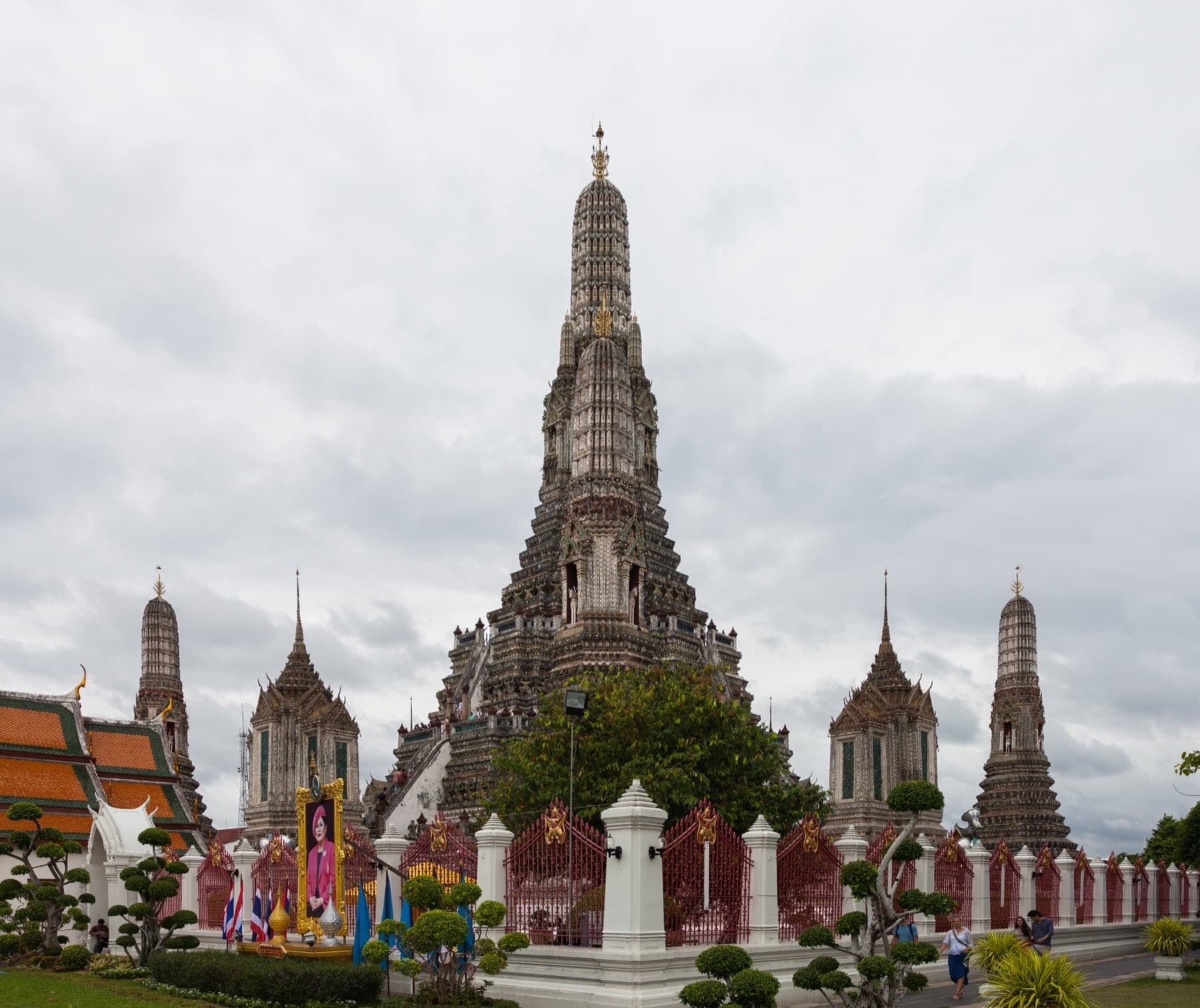
Bangkok for People Who Think They Already Know Bangkok
Bangkok rewards repeat visitors who stop trying to summarize it.
3 min · Apr 2, 2026

Your First Trip to Asia: A Culturally Fluent Starter Guide
How to pick your first Asian city, pace the week, and avoid turning the trip into heritage performance or continent tourism.
10 min · May 5, 2026
Planning Multigenerational Asia Trips That Actually Work
Everyone’s comfort zone is a different country.
3 min · Apr 28, 2026
Kuala Lumpur Deserves More Than a Stopover
KL is underrated because Singapore is next door.
3 min · Jan 18, 2026
Related global reads
Transpacific Bound
Bangkok for People Who Think They Already Know Bangkok
Transpacific Bound
Your First Trip to Asia: A Culturally Fluent Starter Guide
Goldsea
Asia’s 8 most romantic places and the great love stories behind them
Goldsea
Tuk tuks and Muay Thai: a Bangkok adventure
At the Banquet
The Banquet guide to Bangkok