
Your First Trip to Asia: A Culturally Fluent Starter Guide
A decision tree for diaspora travelers choosing Taipei, Singapore, Tokyo, or Bangkok: not a packing list.
Opening thesis
Your first trip to Asia should teach you how to move, not how to perform competence across a continent. The flight was expensive.
The PTO was negotiated. Relatives may be asking when you arrive.
That pressure pushes travelers toward spreadsheets that would exhaust a tour guide, five countries, twelve temples, one viral restaurant, and a heritage narrative you are not ready to carry.
This guide is a decision tree for diaspora travelers with global taste: people who care about food and cultural nuance but do not need a checklist to prove the trip counted. We are not listing what to pack.
We are asking which city matches your nervous system, how many days you actually need, and what to defer until trip two.
Asia is not one destination. It is a region you learn in passes.
The culturally fluent first trip builds habits, how to queue, how to ride transit, how to eat without translating every variable, that compound across every future city. Confidence by day five matters more than country count.
If you read one linked guide after this, read our Tokyo hub or Taipei soft landing depending on which branch you choose below. The goal is a winnable week, not a performance review.
Choose ease or intensity
Taipei and Singapore versus Tokyo and Bangkok. The first pair forgives; the second pair demands, and rewards patience you may not have on week one.
Taipei offers MRT clarity, night-market logic, and food that teaches without punishing mistakes. Singapore offers English signage, hawker education, and heat you can manage with infrastructure that rarely fails you in public.
Both build the travel skills you will use for decades: reading busy lines, paying cash without panic, trusting your appetite after day two.
Tokyo and Bangkok are extraordinary first trips for the right traveler, patient, curious, not trying to see everything, but they punish checklist energy. Tokyo expects you to read context before you feel competent.
Bangkok rewards appetite and tolerance for sensory overload. If you need the trip to feel emotionally safe as well as exciting, start softer.
There is no moral hierarchy. Intensity is not maturity.
Ease is not cowardice. Match the city to your actual nervous system, not the traveler you wish you were.
The affluent first-timer often chooses wrong here: booking Tokyo because it sounds serious, then spending the week exhausted and guilty. Better to arrive confident in Taipei and leave hungry for harder cities than to arrive in Shinjuku feeling behind on day one.
Hong Kong, Seoul, and Kuala Lumpur are valid first trips too if you have a reason beyond coverage. The decision tree is not only Taipei-versus-Tokyo. It is: what skill do you want this trip to teach?
| City | Ease for first-timers | Trip intensity | Typical budget feel | Best months to visit | Primary airport(s) |
|---|---|---|---|---|---|
| Taipei | 10/10 | Easy | Smart value | October–April for mild weather. Avoid typhoon season (June–September). | Taoyuan (TPE) has MRT connection to Taipei in 35 minutes |
| Singapore | 10/10 | Easy | Splurge-worthy | Year-round, though November–January sees more rain. Chinese New Year is vibrant but crowded. | Changi (SIN) is the global gold standard |
| Tokyo | 8/10 | Moderate | Splurge-worthy | March–May for cherry blossoms; October–November for crisp air and fall foliage. | Haneda (HND) is closer and easier for city access |
| Seoul | 8/10 | Moderate | Comfortable | April–June and September–November for comfortable weather and festivals. | Incheon (ICN) is world-class with AREX train to Seoul Station in under an hour |
| Bangkok | 7/10 | Moderate | Smart value | November–February for cooler, drier weather. | BKK (Suvarnabhumi) is the main hub |
| Hong Kong | 9/10 | Moderate | Splurge-worthy | October–December for clear skies and comfortable humidity. | HKG is consistently rated among the world's best |
Seasons, airports, and scores from Transpacific Bound destination guides. Ease scores and budget feel are editorial ratings for planning—not live prices, official rankings, or visa advice.
Tokyo first or Taipei first
For diaspora travelers, this is the fork that matters most. Taipei forgives faster. Tokyo teaches deeper if you can tolerate being slightly behind for forty-eight hours.
Choose Taipei first if you want bandwidth while you learn how Asia works: breakfast shops, EasyCard, night markets, and mistakes that do not ruin the week. Taiwanese American travelers often feel familiar warmth quickly without losing discovery.
That familiarity is a feature for a first trip, not a consolation prize.
Choose Tokyo first if you are food-obsessed, patient, and willing to repeat neighborhoods instead of collecting wards. Read our Tokyo destination hub and flagship guide before you book.
Tokyo on trip one works when you accept repetition over coverage: not when you treat Shibuya crossing as graduation.
Many culturally fluent travelers do Taipei or Singapore first, then Tokyo second with sharper questions. That sequence is underrated.
Tokyo on trip two often feels generous instead of judgmental. The reverse.
Tokyo first, Taipei second, works if you wanted precision and now want ease, but it is less common for nervous first-timers.
If family is pushing ancestral sites in multiple countries, this fork still applies: pick one hub for the first trip. Heritage across three passports is a second-trip problem.
Flight map
Start with one hub city, not a continent tour. Add a second stop only if the first stop taught you something.
The classic mistake is five countries in twelve days because Asia "feels far" and you may not return soon. You will return, or you will not, independent of how exhausted you make this trip.
One city, seven to ten days, one day trip maximum. Business-class seats and premium hotels do not fix a bad itinerary, they make the exhaustion more comfortable.
Choose your hub based on flight price, arrival time, and food interest, not Instagram coverage. Build outward: if Taipei works, add Tainan or Jiufen; if Tokyo works, add one prefecture; if Singapore works, add KL by short flight.
Direct flights matter less than landing at 4 p.m. instead of 1 a.m. when you are still learning cash, transit, and meals.
Layovers do not count as visits. Changi at midnight is not Singapore. Incheon for four hours is not Seoul. If you want to claim a country, spend a night, eat two meals, and walk one neighborhood without luggage.
For diaspora first-timers especially, resist the family spreadsheet of ancestral sites across three countries. Jet lag is part of the itinerary.
Build day one as groceries, a short walk, and an early dinner: not a heritage site. Your future self on day four will thank you.
Heritage pressure vs vacation logic
Family scripts often load the first trip with meaning: the homeland you should connect with, the relatives you should honor, the language you should remember. Some of that is real.
Some of it is performance scheduled before you land.
Separate heritage obligations from vacation logic before you book. An afternoon with relatives may be non-negotiable, and valid.
A seven-day ancestral tour across two countries because a parent dreamed of it since emigrating may be trip two or three, not the first time you learn how MRT cards work.
Heritage performance fails when every meal becomes content for a narrative you did not choose. The useful first trip includes one emotionally honest conversation and one day with zero heritage pressure.
Notice which you needed more.
Tourism boards market diaspora routes aggressively. Ask whether a trail teaches you how a place works today or only gives you photos to post.
A good heritage moment is specific: one neighborhood, one meal, one relative who tells a story without turning you into a prop.
You can love your family and still protect the trip from becoming their unprocessed nostalgia. That protection is not disrespect. It is how you return willing to go again.
Family
Parents need bathrooms and elevators more than temples. Kids need food flexibility more than museums.
Multigenerational first trips should bias toward Singapore, Taipei, Tokyo, or Vancouver before adventure capitals. Infrastructure is not boring if it prevents a public meltdown at a subway station.
Clean bathrooms near transit, elevators that usually work, and food picky eaters will actually try are luxury items disguised as practicality.
Schedule one sight per morning, long lunch, hotel rest, evening market. Someone is managing fatigue in a language they do not fully trust.
Rotate that manager. The person who booked the trip should not also resolve every ticket, menu, and bathroom emergency for seven straight days.
Grandparents may want heritage sites for emotional reasons that outweigh efficiency. Honor one.
Not seven. If your parents want to visit a relative you barely remember, that afternoon is part of the trip even if it was not on your mood board.
Kids remember food and pools more than temples. Adults remember whether everyone made it to dinner without crying.
Splurge on room count before splurge on Michelin stars. Separate rooms or suites save relationships.
Sleep is the hidden luxury of multigenerational travel.
Food fear
Start with cooked food and busy lines. Let hygiene anxiety relax after day two: not after you have hidden in hotel restaurants for a week.
Busy stalls are data. Heat kills a lot of anxiety.
Watch how locals eat: shells discarded where, napkins kept how, cash placed when. Copy without commentary.
Your first successful night market meal teaches you more than a week of research threads.
If you have dietary restrictions, learn three phrases or screenshots. Serious restrictions require planning; mild preferences require flexibility.
Asia is not one food safety story. Singapore and Taipei are easier entry points for anxious eaters.
Bangkok and street-heavy cities reward faster adaptation.
Affluent travelers sometimes overcorrect toward hotel restaurants and branded chains because fear feels sophisticated. That is a waste of a first trip.
You do not need the riskiest stall on night one. You do need to eat somewhere a local would respect, depachika, hawker centre, busy noodle shop, hotel breakfast with local options.
Curiosity replaces fear faster than you expect once one meal succeeds on your own terms.
What money actually buys
Premium economy, business class, and five-star hotels can make a first trip more restful. They cannot replace pacing, city choice, or the skill of eating outside your comfort zone.
Money buys sleep on the plane, shorter immigration lines sometimes, and bathrooms you trust. It does not buy cultural fluency.
A traveler in business class who tries to see four countries in ten days is still making a beginner mistake with better linens.
Splurge where fatigue is predictable: arrival night hotel quality, room count for family, one reservation that anchors the week. Save money on coverage, fewer cities, fewer day trips, fewer souvenirs that replace actually learning a neighborhood.
For diaspora travelers comparing Tokyo versus Taipei, fare difference matters less than total door-to-door hours and arrival time. A cheaper ticket that lands at 1 a.m. after two layovers can destroy the first three days of a trip you spent thousands to take.
Spend on the decision tree first. Spend on comfort second. Never spend on the illusion that luxury substitutes for restraint.
After first trip
You will know whether you want heritage, food, or nature next. Listen to that answer instead of the forum consensus.
Some travelers finish Taipei hungry for Tokyo’s precision. Some finish Tokyo craving Bangkok’s chaos.
Some want neither and head for trails or beaches. The first trip is a diagnostic, not a ranking.
Write down what surprised you, good and bad. That list is your second-trip brief.
Heritage, food, luxury, and adventure are all valid second acts. If the first trip felt emotionally loaded because of family expectations, your second might be deliberately meaningless: a ski week, a wine region, a city with no ancestral story attached.
That is not betrayal. That is learning what you actually enjoy.
Asia is not a single destination you "do. " The culturally fluent traveler returns with narrower questions, not longer lists.
You stop asking "what should I see" and start asking "which version of this city fits the year I am having. "
Bring home one habit, not thirty photos: how to queue, how to eat standing, how to ride transit without translating every station. Those habits compound across every future trip in the region.
Closing takeaway
Win the first trip by leaving confident, not covered. The goal is not to become an Asia expert in ten days. It is to stop being a nervous beginner by day five.
Pick one city. Protect one slow morning. Eat one meal you would send a friend. Defer the continent tour until you have skills worth taking across borders.
If you chose Taipei, leave hungry for precision. If you chose Tokyo, leave knowing one ward you would repeat.
If you chose Singapore, leave knowing one hawker stall by name. That specificity is success: not the number of flags on your map.
The second trip will come. Plan it with what you learned, not with what you feared missing the first time.
Related stories
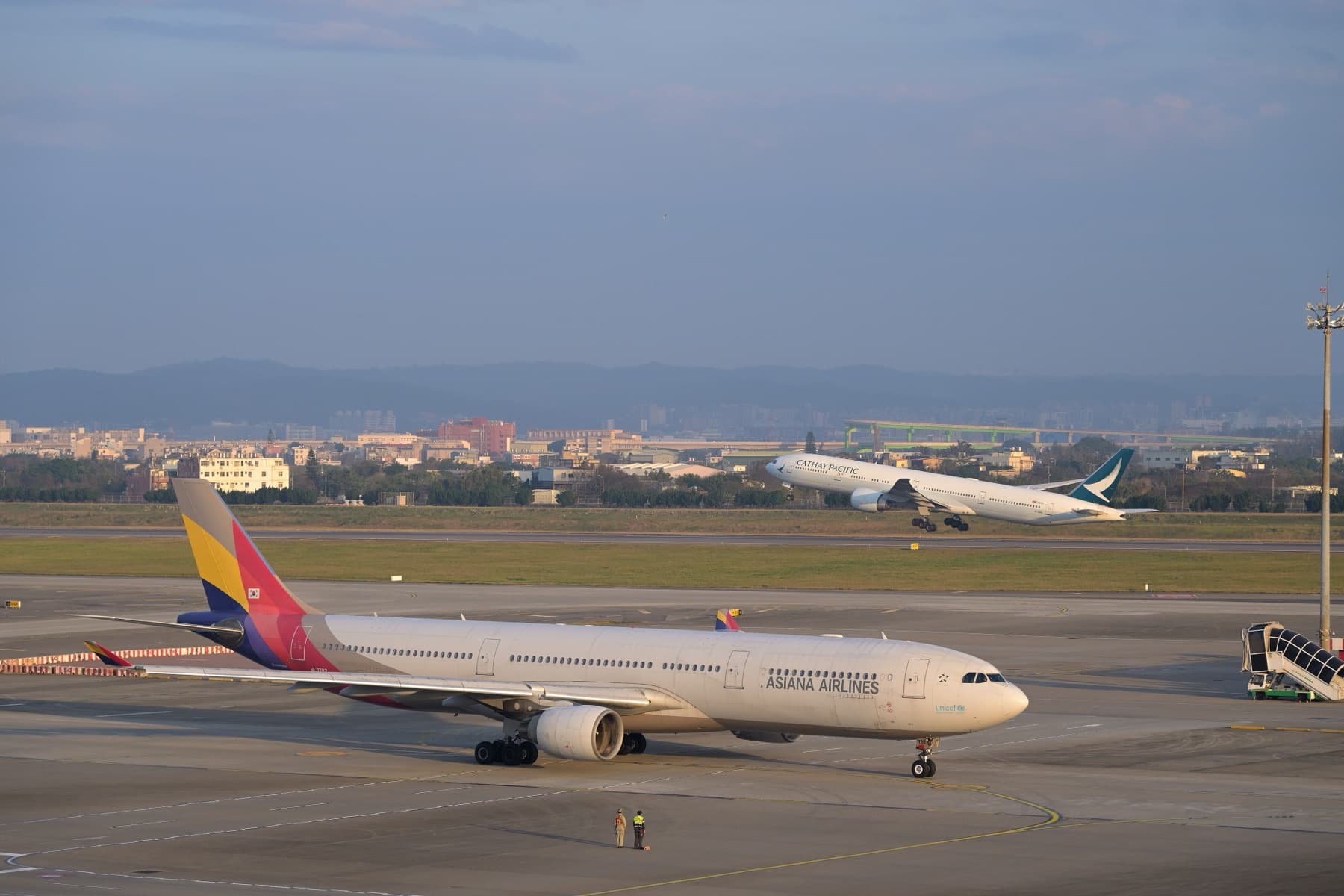
AI Planned My Asia Trip. Here’s What Still Breaks.
Chatbots will sketch Seoul or Taipei in seconds. Entry rules, last trains, and closed Mondays still need a human check before you treat the itinerary as a ticket.
4 min · Aug 3, 2026
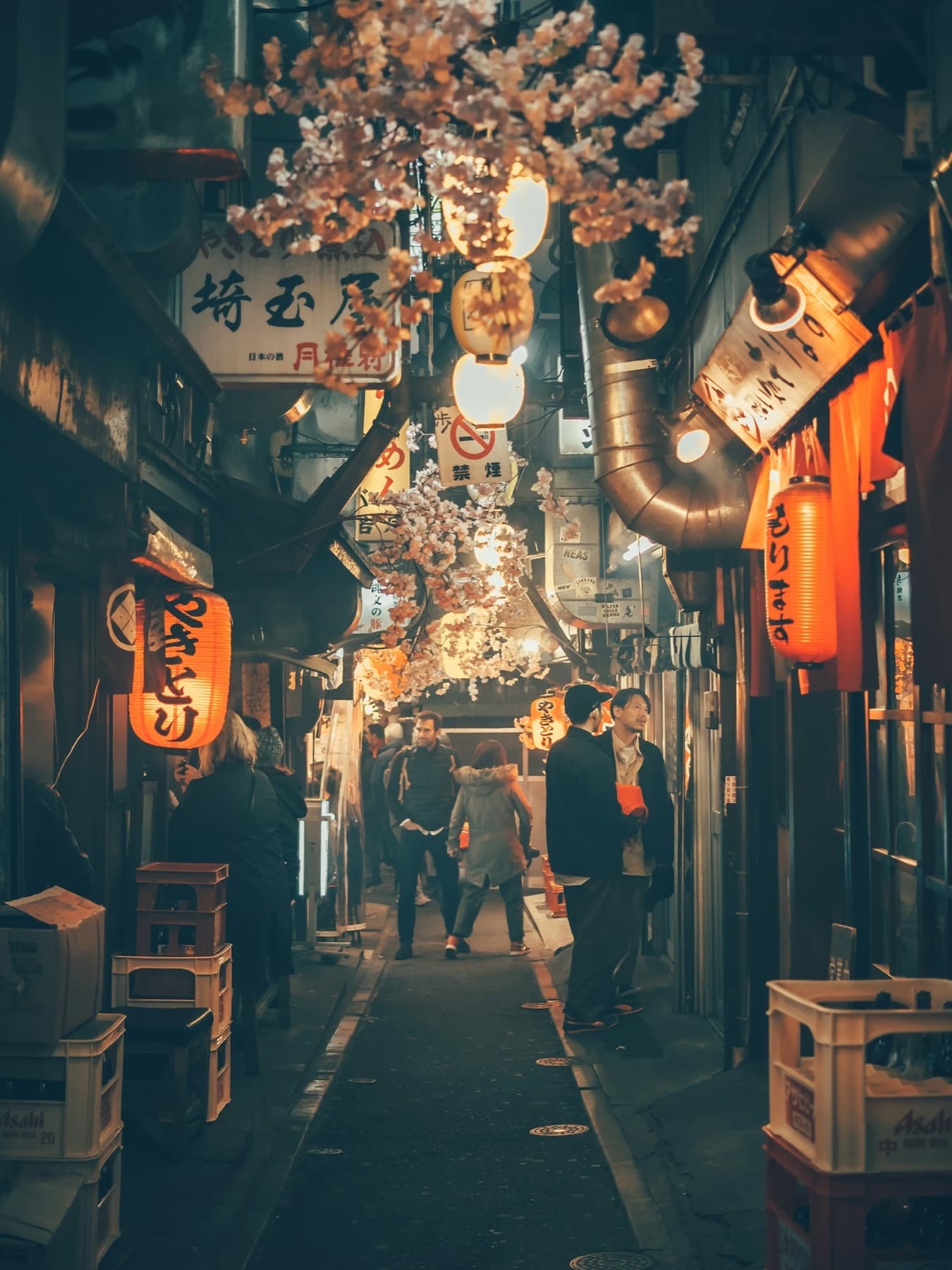
Tokyo Is Not a Beginner City, and That Is the Point
Tokyo punishes checklist tourism and rewards travelers who can tolerate not seeing everything.
8 min · Jun 1, 2026
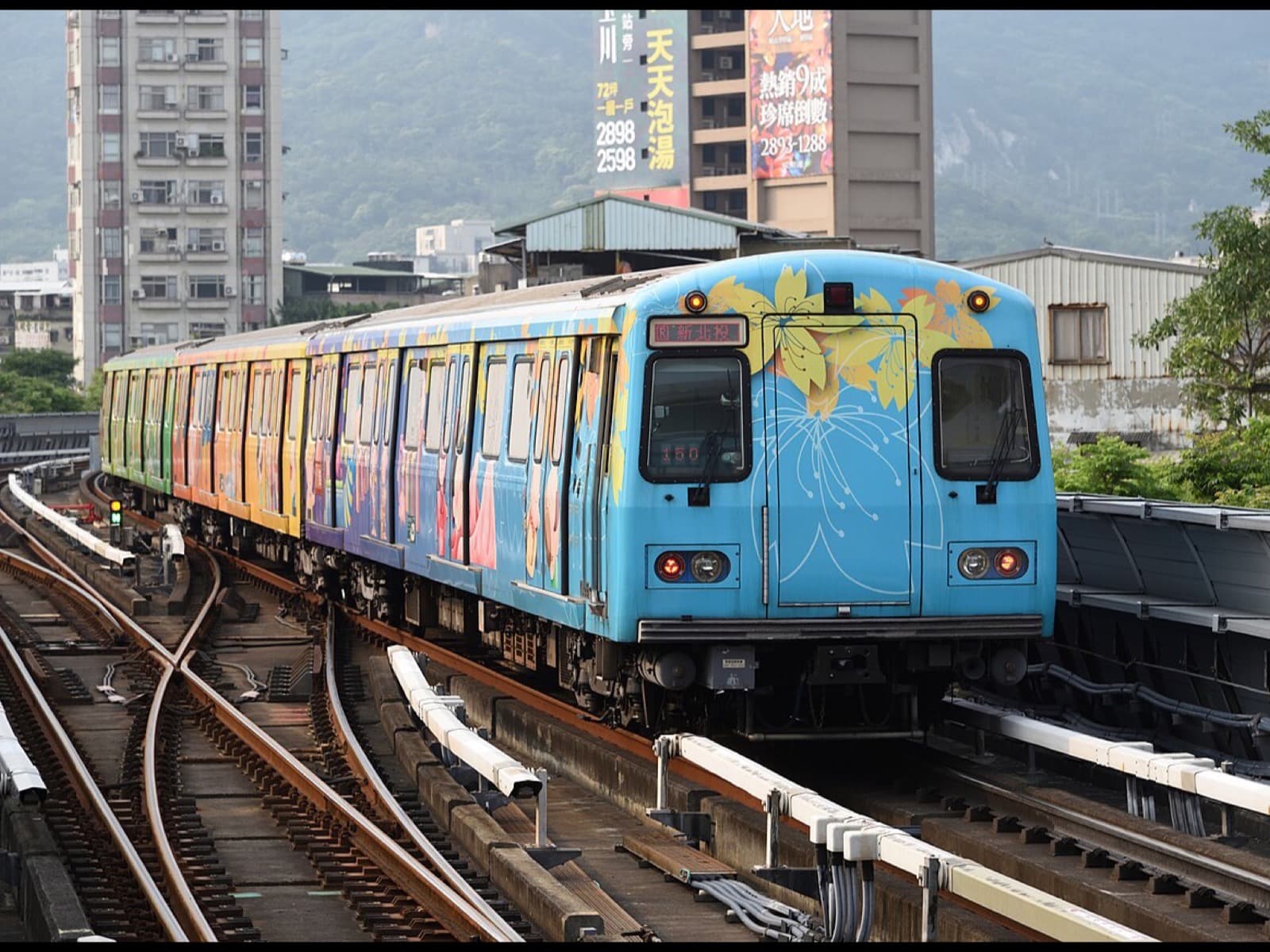
Taipei Is the Soft Landing More Asian Travelers Should Choose First
Why Taipei teaches you how to travel Asia before harder cities test you.
7 min · May 12, 2026
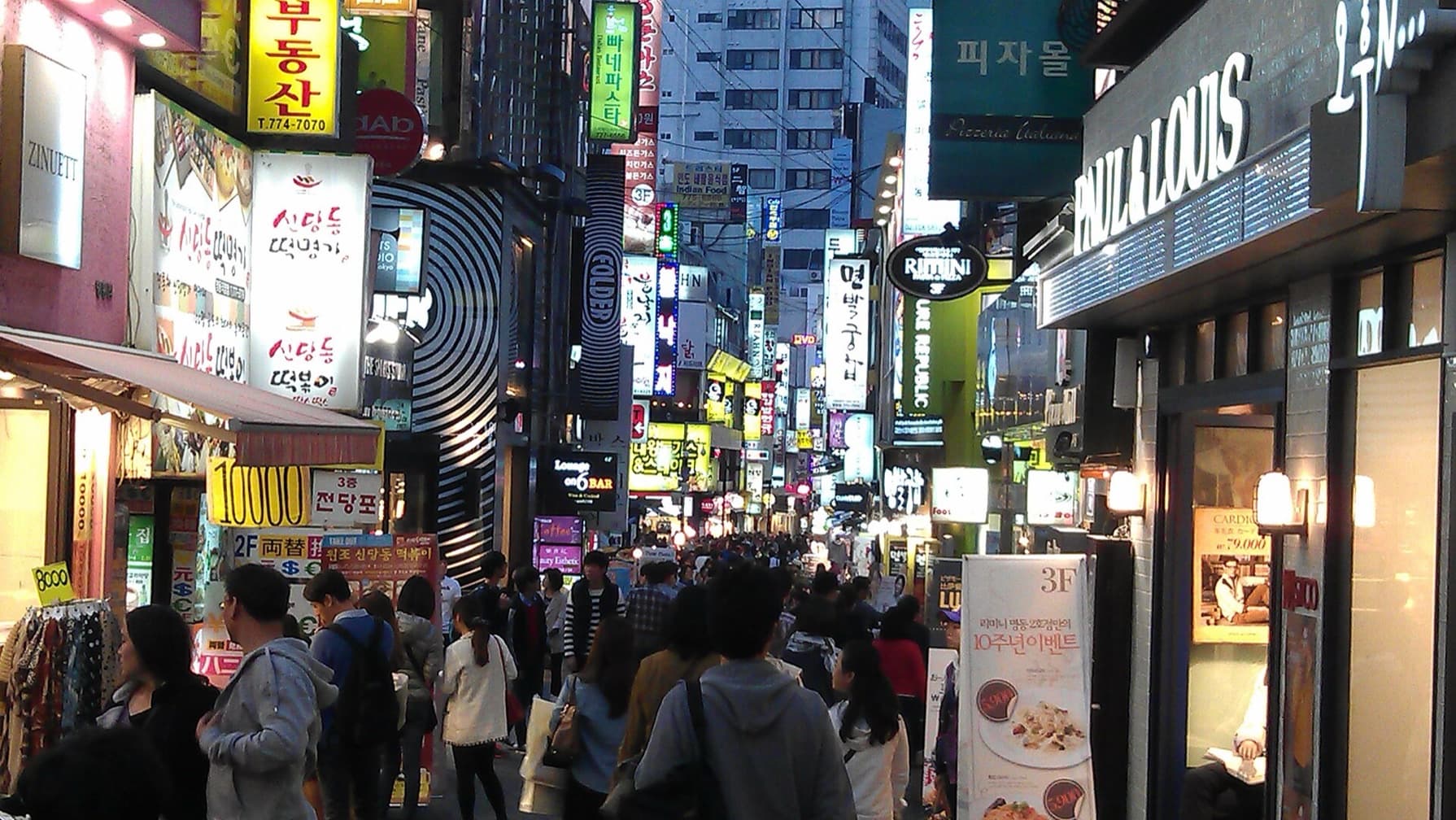
Seoul as a First Trip to Asia: Energy Without the Spreadsheet
Seoul is not the softest first Asia trip, but for the right traveler it teaches appetite, transit, and neighborhood rhythm fast.
5 min · Jun 7, 2026