
Heritage Travel Without the Clichés
Book the trip as a way to learn a city your family already has opinions about. The week does not have to turn you into a better descendant.
Name the trip before you book
Heritage trips go sideways when the ticket is supposed to do emotional work the itinerary never names. Relatives, a language refresh, food memory, a parent who asked, curiosity that is yours alone—each of those books a different week.
Write the motive down privately before you lock fares. If you are going because your mother asked, say that internally and protect one afternoon that is not hers. If you are going because you want beef noodle soup in the city that invented your family’s version of it, say that too.
Mixed motives are normal. Unnamed ones turn into resentment at baggage claim.
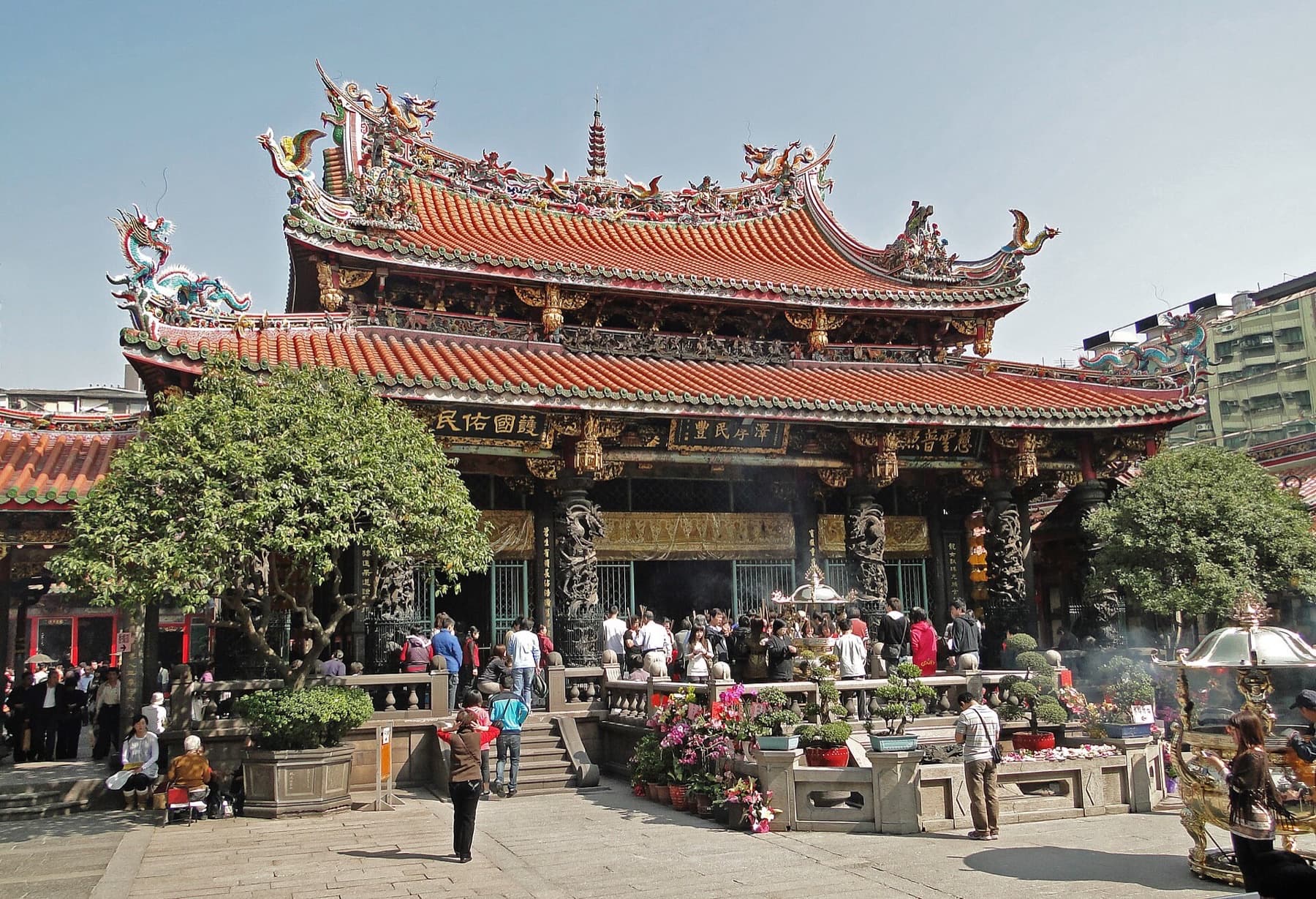
Longshan Temple in Wanhua has been a working house of worship since settlers from Fujian founded it in 1738. Dihua Street in Datong still sells dry goods that swell before Lunar New Year. Neither place will complete you. Both will teach you something if you show up to look rather than to prove.
Start in public rooms
Headset tours and hotel buffets labeled authentic are efficient at flattening a city. Public tables are slower and more useful.
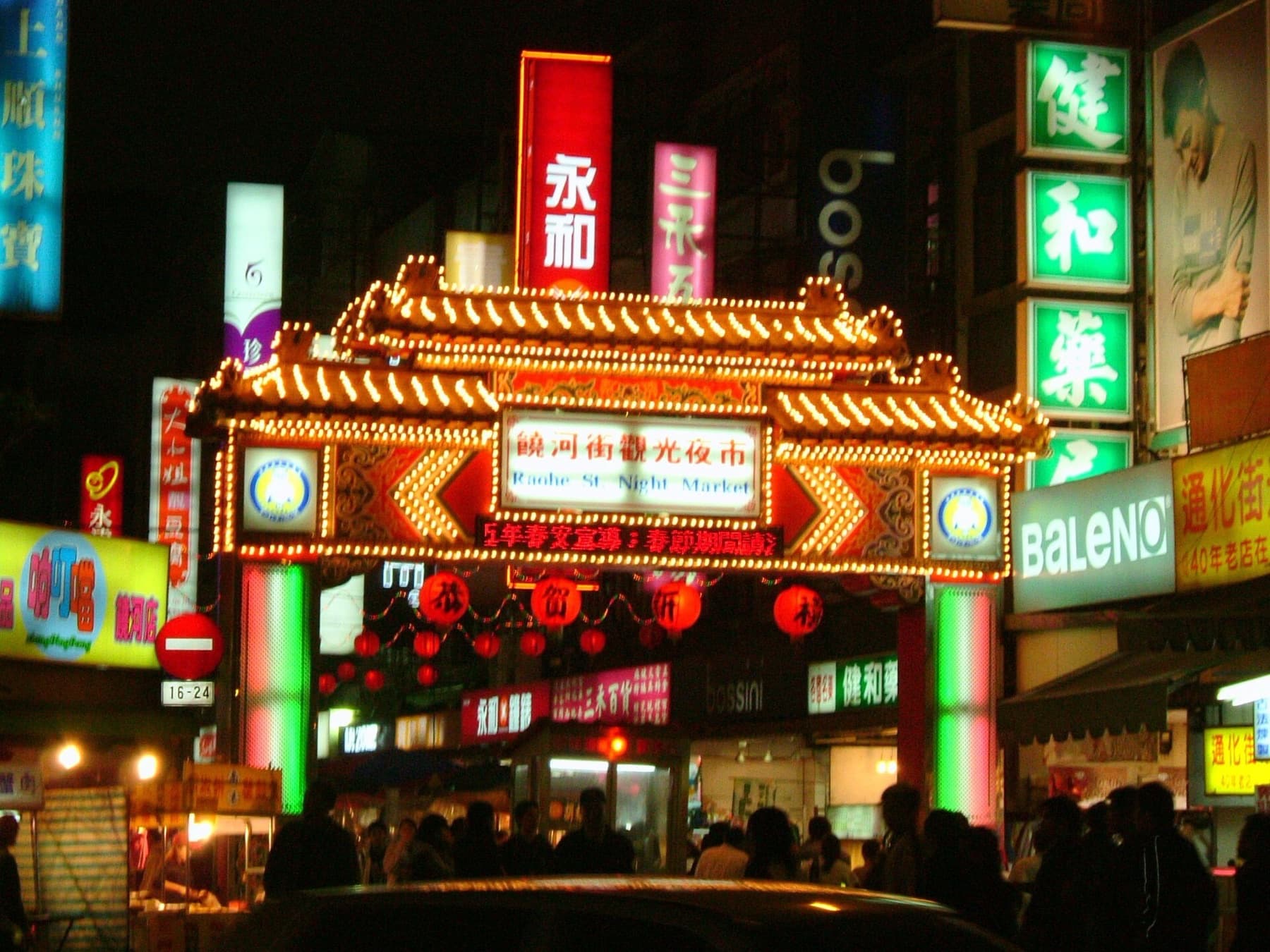
In Taipei, Raohe Night Market in Songshan and Ningxia Night Market in Datong are where a lot of diaspora travelers first taste the city outside a cousin’s kitchen. Sit down. Order the thing an elder mentioned. Come back the next night if it was good.
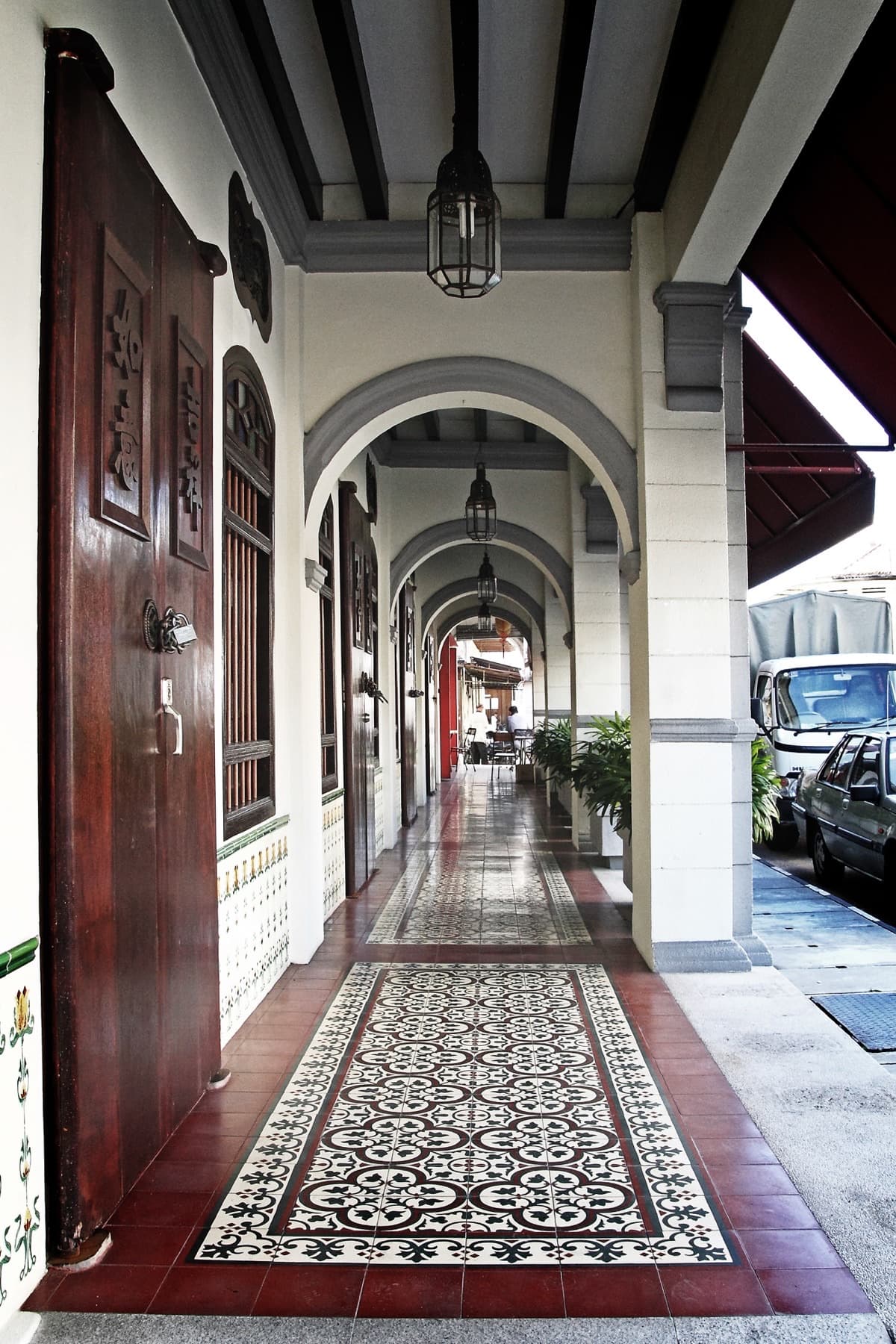
George Town, Penang, was inscribed with Melaka as a UNESCO World Heritage Site on 7 July 2008. The living part of that listing is still the five-foot ways, the shophouses, and markets like Chowrasta, a neighborhood market since 1890. Walk those streets for breakfast, not for a plaque photo.
If your map includes Lagos or another city without a famous heritage brand, the same rule holds. Suya stalls and chop bars—informal local eateries—teach faster than a hotel restaurant selling an experience. You will look like a visitor. That is accurate. Patience and a specific order beat perfect etiquette.
Photograph like a guest
Temple courtyards, night-market neon, and painted shutters are fair game. Faces in a ceremony, food on an altar, children, and a grandmother’s kitchen usually are not—unless someone who lives there said yes.
Relatives back home will ask for proof. Send one picture of a street you walked twice. Keep the rest off the group chat until you know what you actually think.
You can be moved and still put the phone away. Some of the trip belongs only to you and the room you were standing in.
Treat family as itinerary
Who pays. Who drives. How many nights at whose house. Whether your partner is included. Write those down before anyone books a second cousin’s spare room as a surprise.
Build one day that belongs to parents without you silently vetoing it, and one day that belongs to you without guilt. Parallel plans beat a forced unity tour.
Sleep in a hotel if silence is how you recover. Sharing a room out of duty is how people start snapping by Thursday.
Taiwan’s Overseas Community Affairs Council, the government office that works with overseas Taiwanese communities, exists because families keep ties across distance. You do not owe that office, or your aunt, a performance. You owe clear logistics and one generous yes.
Plan for the second visit
First trips gather data: which aunt makes you feel small, which breakfast shop you would repeat, which family story was edited. Second trips get easier because you stopped asking seven days to settle a life.
You do not need an epiphany to justify the airfare. Return when you can listen better, or wait until you actually want to.
The place will still have traffic, weather, and a night market that opens whether or not you figured yourself out.
For the first week’s pacing, read our first-heritage guide. This page is the design brief: name the motive, enter through public rooms, and leave room for a later ticket.
Related stories
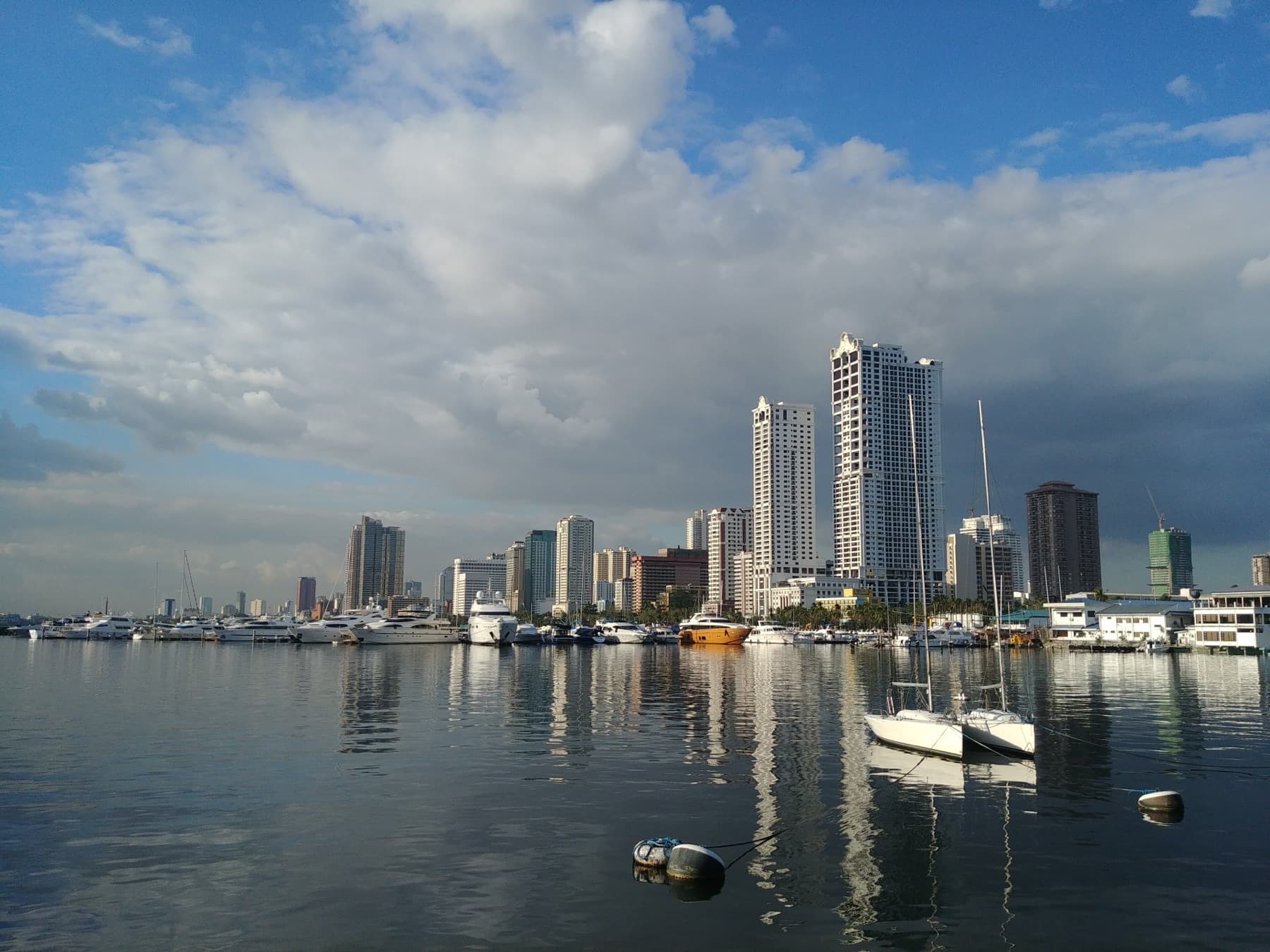
Manila Diaspora Weekend: Food First, Family Second, Traffic Always
Manila rewards diaspora travelers who cluster meals, name family days early, and stop treating NAIA as the whole story.
5 min · Jun 8, 2026
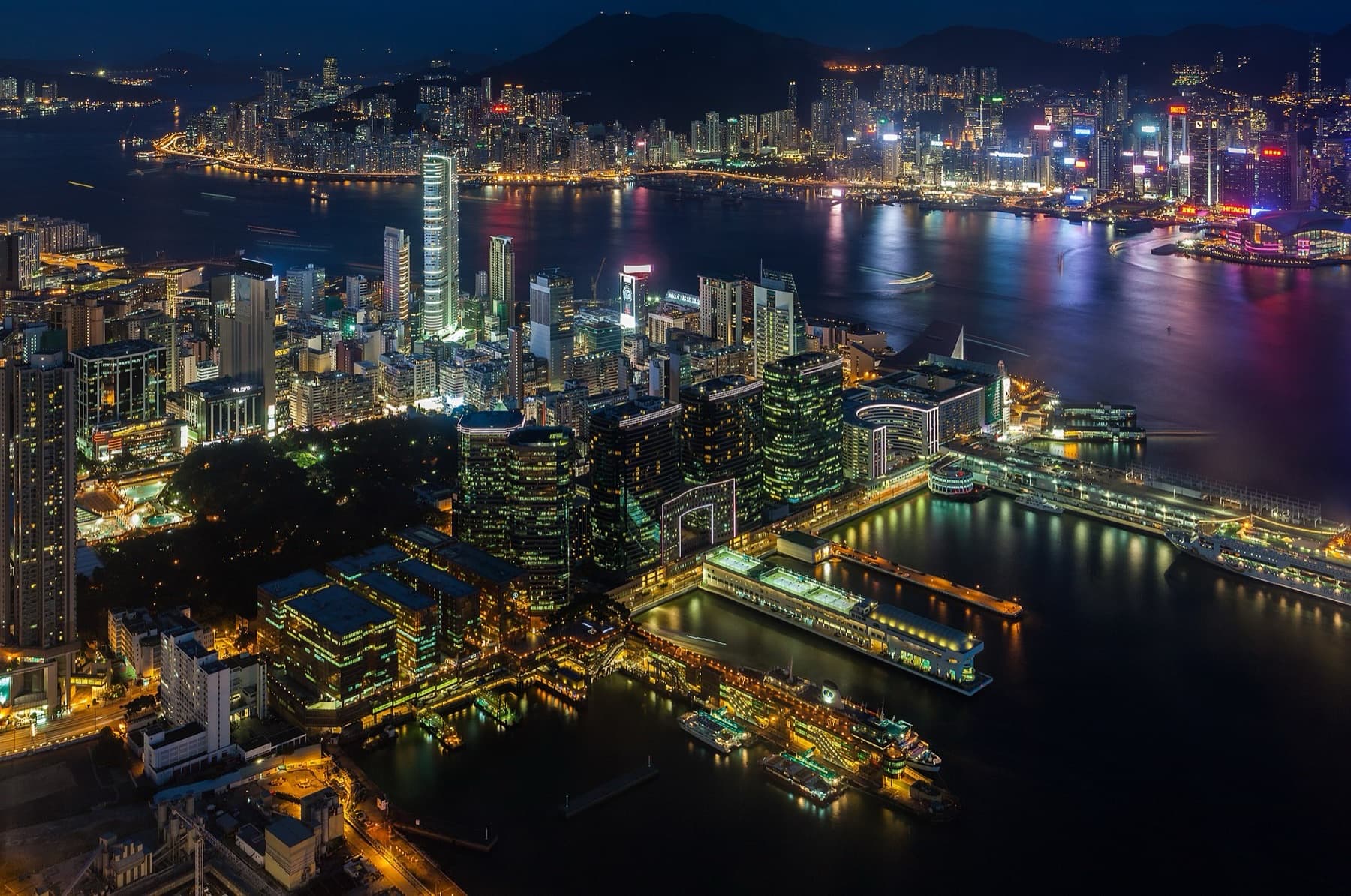
Hong Kong Beyond the Harbor: A First Week for Cantonese Diaspora Travelers
Hong Kong works when you mix one harbor ritual with neighborhoods you repeat at different meal hours.
6 min · Jun 1, 2026
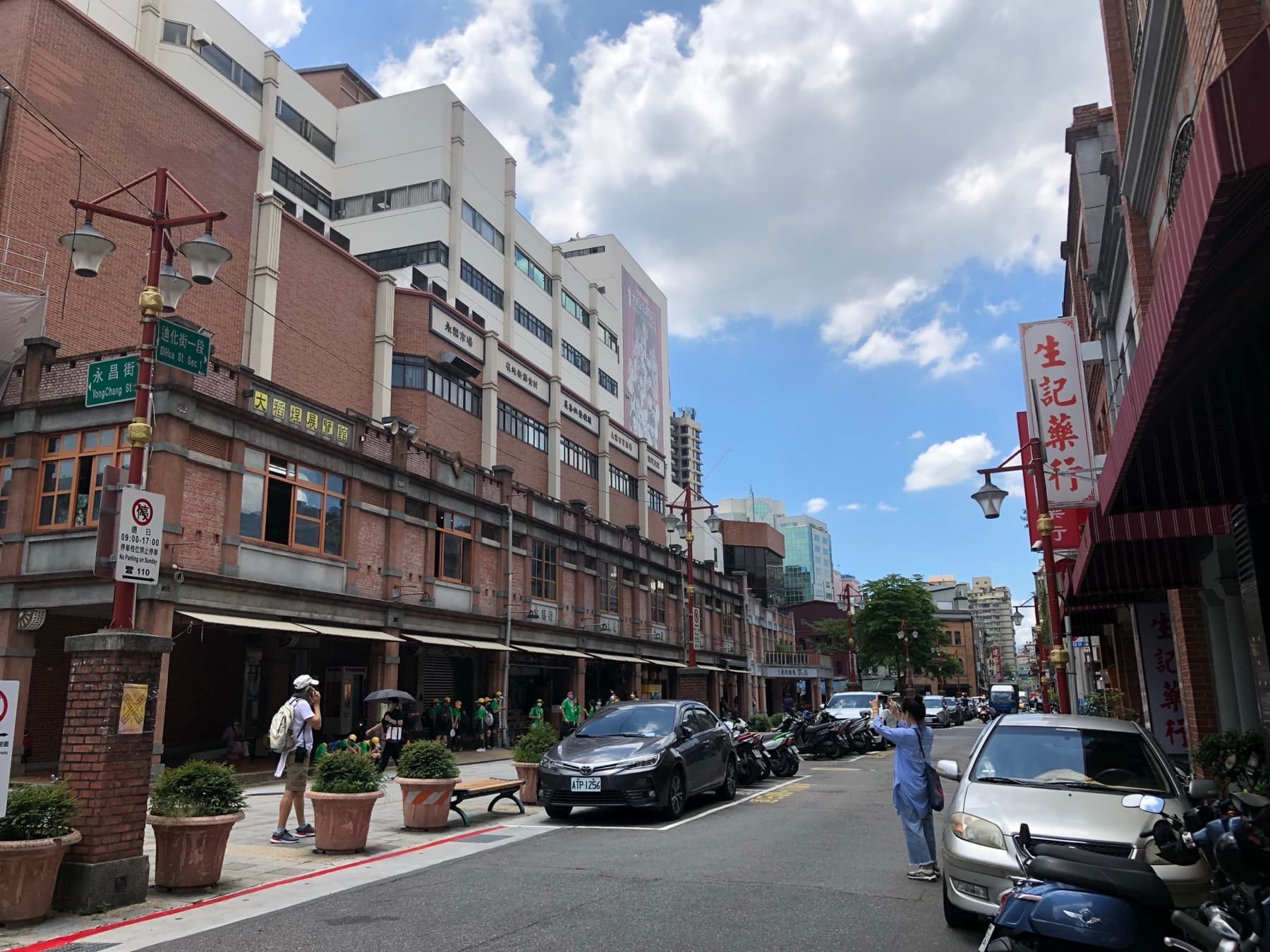
The First Heritage Trip Should Not Be a Performance
Land, sleep, eat in public, and do one relative visit after you can form sentences. Revelation, if it comes, can wait for a later ticket.
5 min · May 15, 2026
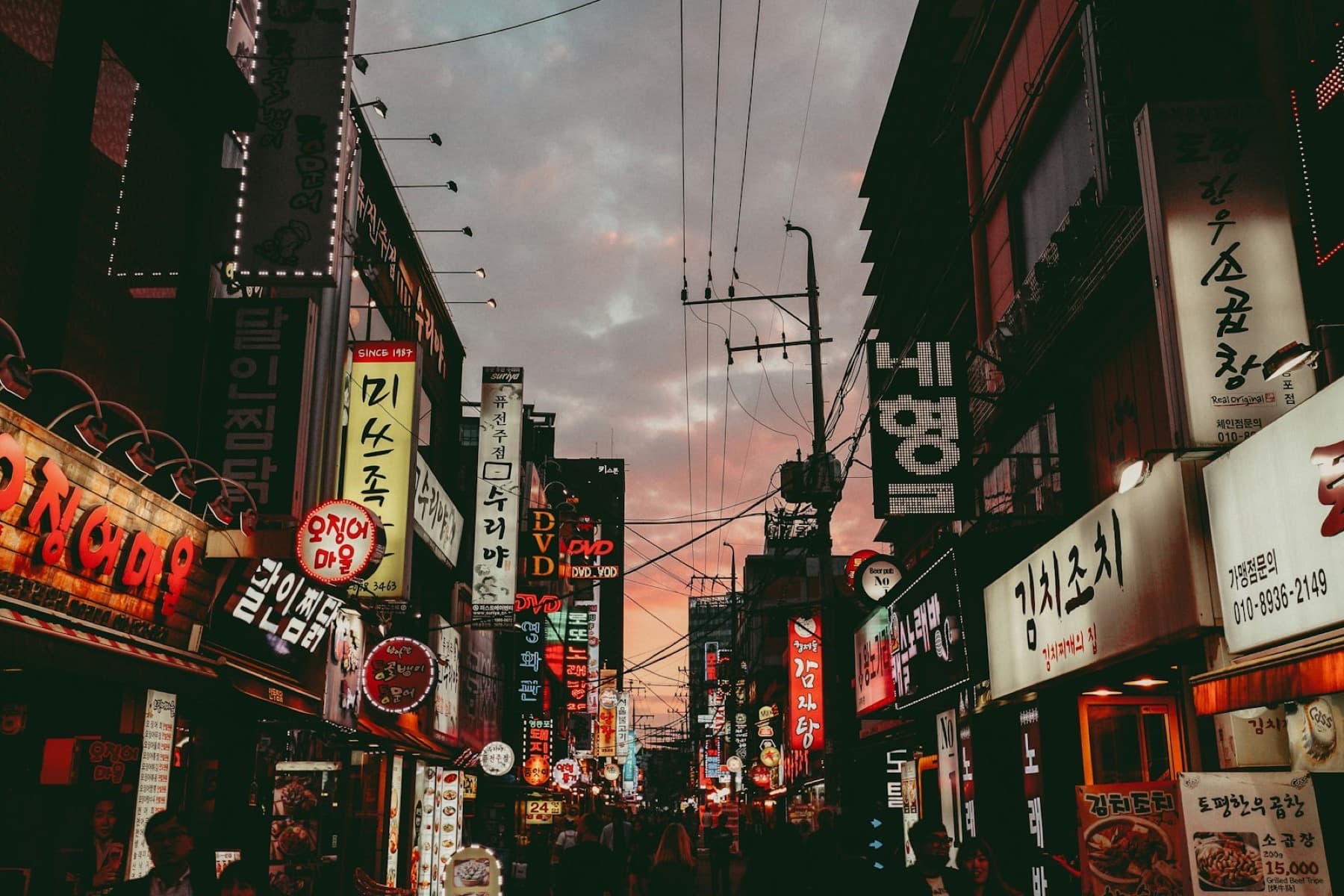
The Diaspora Guide to Not Overplanning
Overplanning is often anxiety wearing a spreadsheet.
7 min · Sep 20, 2025
Related global reads
Transpacific Bound
Manila Diaspora Weekend: Food First, Family Second, Traffic Always
Transpacific Bound
Hong Kong Beyond the Harbor: A First Week for Cantonese Diaspora Travelers
East Table
East Asia cold noodles field guide
Goldsea
The evolution of an Asian American
At the Banquet
George Town shophouse grammar for the diaspora household