
The Diaspora Guide to Not Overplanning
Leave room for relatives, errands, and the trip you did not announce.
Why we overplan
Fear of wasting the ancestral ticket. The flight was expensive.
The PTO was negotiated. Relatives are asking when you arrive.
So you build a spreadsheet that would exhaust a tour guide, because control feels like respect for the opportunity.
Overplanning is often anxiety wearing a spreadsheet. Diaspora travelers carry extra pressure: this may be the trip parents dreamed about, the homeland you were supposed to connect with, the vacation that must justify its cost and its meaning at once.
Planning every hour can feel like honoring that weight. It usually produces the opposite: a trip where nobody recovers, meals become deadlines, and a delayed train ruins day three.
The affluent version of this is subtler. You are not cramming hostels; you are stacking reservations, private guides, and heritage sites until the trip feels like a performance review.
You confuse precision with care. Sometimes care looks like leaving Tuesday afternoon empty because your aunt might call, or because your body needs sleep more than another museum.
Money can buy smoother logistics. It cannot buy more emotional capacity per day.
If you are traveling with parents, elders, or children, the limit is rarely budget. It is stamina, language fatigue, and the number of decisions a group can make before someone shuts down.
Ask what you are afraid will happen if you do not plan. Miss something important?
Disappoint someone? Prove you are a bad traveler?
Name the fear. Then build three priorities instead of twelve boxes.
The spreadsheet can stay in the folder. It should not run the trip.
The best diaspora travelers we know carry a plan the way they carry a good jacket: useful when needed, easy to fold away when the weather changes. Neither needs to define the whole trip.
Better frame
Three priorities, not twelve. Pick the meal, the neighborhood, and the conversation you want this trip to hold. Everything else is optional weather.
A useful frame: what would make you call this trip successful if no one else saw your itinerary? One bowl of noodles where your parent grew up.
One walk without a destination. One morning where nobody rushes.
That is enough architecture for a week.
Build days around anchors, not coverage. A food anchor, a people anchor, a rest anchor.
If you hit those three, the trip worked even if you missed a temple you cannot spell. Diaspora trips especially punish coverage logic because half the "sights" are emotional, unscheduled, and invisible on maps.
Write the three priorities on a note in your phone, not in a shared spreadsheet everyone can edit until the list becomes absurd. Revisit on day three. Delete one thing without guilt.
Leave white space on purpose. Not as failure, as design.
The best diaspora trips include hours that become errands, cousin visits, or naps you did not admit you needed. If your plan cannot absorb those without collapsing, it was never a plan.
It was a script.
Share the three priorities with anyone traveling with you. Alignment prevents the silent scorekeeping that ruins group trips: who sacrificed more, who saw less, who owes whom an apology on day five.
| Trip shape | Protect daily | Build in buffer for |
|---|---|---|
| First heritage trip | 1 food anchor you choose | 2 half-days for family errands |
| Multigenerational | 1 sight before lunch; hotel rest | Cousin visits, pharmacy runs, meal delays |
| Weekend diaspora city | 1 neighborhood walk without a checklist | Spontaneous invitations and rest |
| Solo reset | 1 unscheduled morning or evening | Fatigue after long-haul travel |
Editorial framework from Transpacific Bound planning guides—not a statistical survey of traveler behavior.
Family insertion
Assume two half-days will disappear into errands. Bank for them before you book the cooking class.
Family insertion is not sabotage. It is often the trip.
The pharmacy run, the relative who lives outside the city, the restaurant your parent insists on because someone important died there twenty years ago. These hours are not distractions from the real journey.
For many diaspora travelers, they are the journey.
Protect one block per day that family cannot colonize without negotiation. Morning coffee alone, an evening walk, a meal you choose without committee.
You are allowed to need that. You are also allowed to surrender an afternoon without resentment if someone you love needs you in a car for three hours.
If you are traveling with parents, overplanning often becomes a control battle. They want rest.
You want proof you saw everything. Split the difference explicitly: "We do one big thing before lunch, then we rest until dinner.
" Say it out loud before landing. Unspoken expectations ruin more trips than bad hotels.
Cousins and aunties will have opinions about your schedule. Some of those opinions are gifts. Some are performance. You do not have to accept every invitation to prove you are a good descendant.
If someone says you are "wasting the trip" by resting, ask quietly what they think the trip is for. You may get different answers from different generations.
That conversation is often more useful than the temple you were supposed to visit instead.
Food anchor
One meal per day you control. Not the fanciest meal, the one that reminds you why you came.
Food anchors the trip emotionally when heritage sites cannot. Choose one meal daily that is yours: a reservation you wanted, a stall you researched, a cafe where nobody needs translating for you.
Let other meals be communal, chaotic, or family-directed without turning every dinner into a referendum.
For affluent travelers, the trap is booking every night at the place with the waitlist, then arriving too tired to taste anything. One serious meal per trip beats five serious meals you resent.
The rest should be street, hotel breakfast, or whatever your cousin insists is "the real one. "
If food is how you understand place, say that to your travel companions early. "I need one hour to wander a market without being rushed." Reasonable people can work with that. Unreasonable itineraries cannot.
When relatives choose every restaurant, you can still protect breakfast or a late-night snack run. Small autonomous meals prevent the feeling that the whole trip belongs to someone else’s nostalgia.
Pack snacks you actually like. Diaspora trips often run on other people’s food schedules. A bar in your bag is not childish. It is survival during the third relative-hosted dinner of the week.
Return home
You can always go back. The homeland is not a one-time redemption arc.
The diaspora overplanner often behaves as if this is the only trip life will allow. It rarely is.
You can return with fewer relatives, different seasons, sharper questions. The first trip does not need to solve identity, family, language, and cuisine in nine days.
Return home with one note about what you want next time, not what you failed to see this time. "Next time: slower neighborhood, fewer temples, same breakfast shop twice.
" That note is more valuable than a completed checklist.
Tell someone you trust what actually happened, not the highlight reel version. Processing the trip out loud helps you separate your experience from the family mythology that will attach itself anyway.
Permission to go back is permission to plan less now. You are not closing a book. You are starting a long conversation with a place that may outlast every spreadsheet you ever made.
If you return home feeling you "did not do enough," check whether enough was defined by someone else’s map. The diaspora trip that changes you rarely looks impressive on paper.
It looks like one meal, one cousin, one quiet hour where the city finally felt real.
Overplanning is a one-trip problem you can outgrow. The second trip needs less proof and more curiosity. Plan accordingly. You are allowed to travel lighter next time.
Related stories
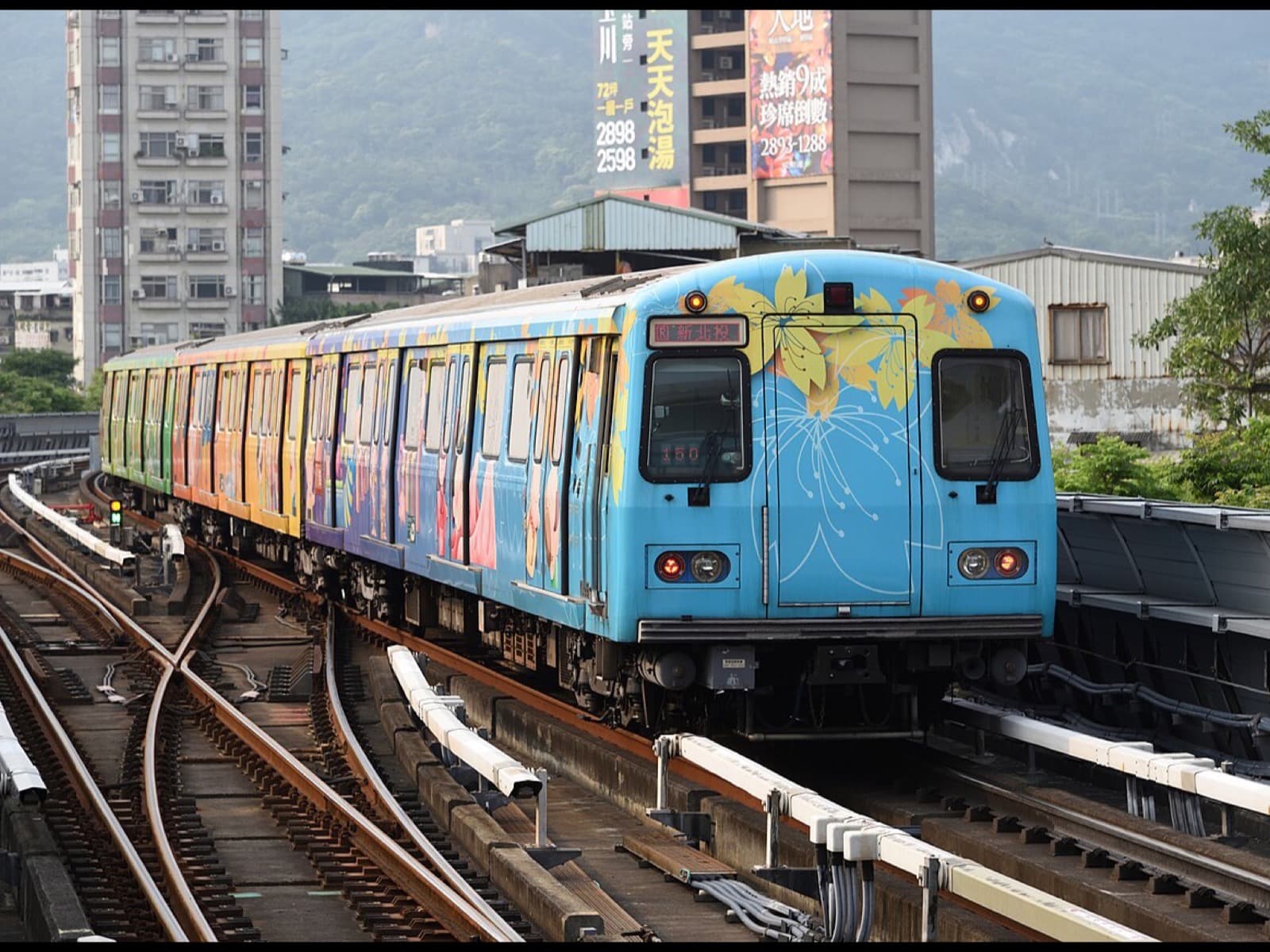
Taipei Is the Soft Landing More Asian Travelers Should Choose First
Why Taipei teaches you how to travel Asia before harder cities test you.
7 min · May 12, 2026

Your First Trip to Asia: A Culturally Fluent Starter Guide
How to pick your first Asian city, pace the week, and avoid turning the trip into heritage performance or continent tourism.
10 min · May 5, 2026

The Transpacific Time Zone Problem
When San Francisco and Singapore share a Slack, someone is always eating dinner during standup.
3 min · Jun 8, 2026
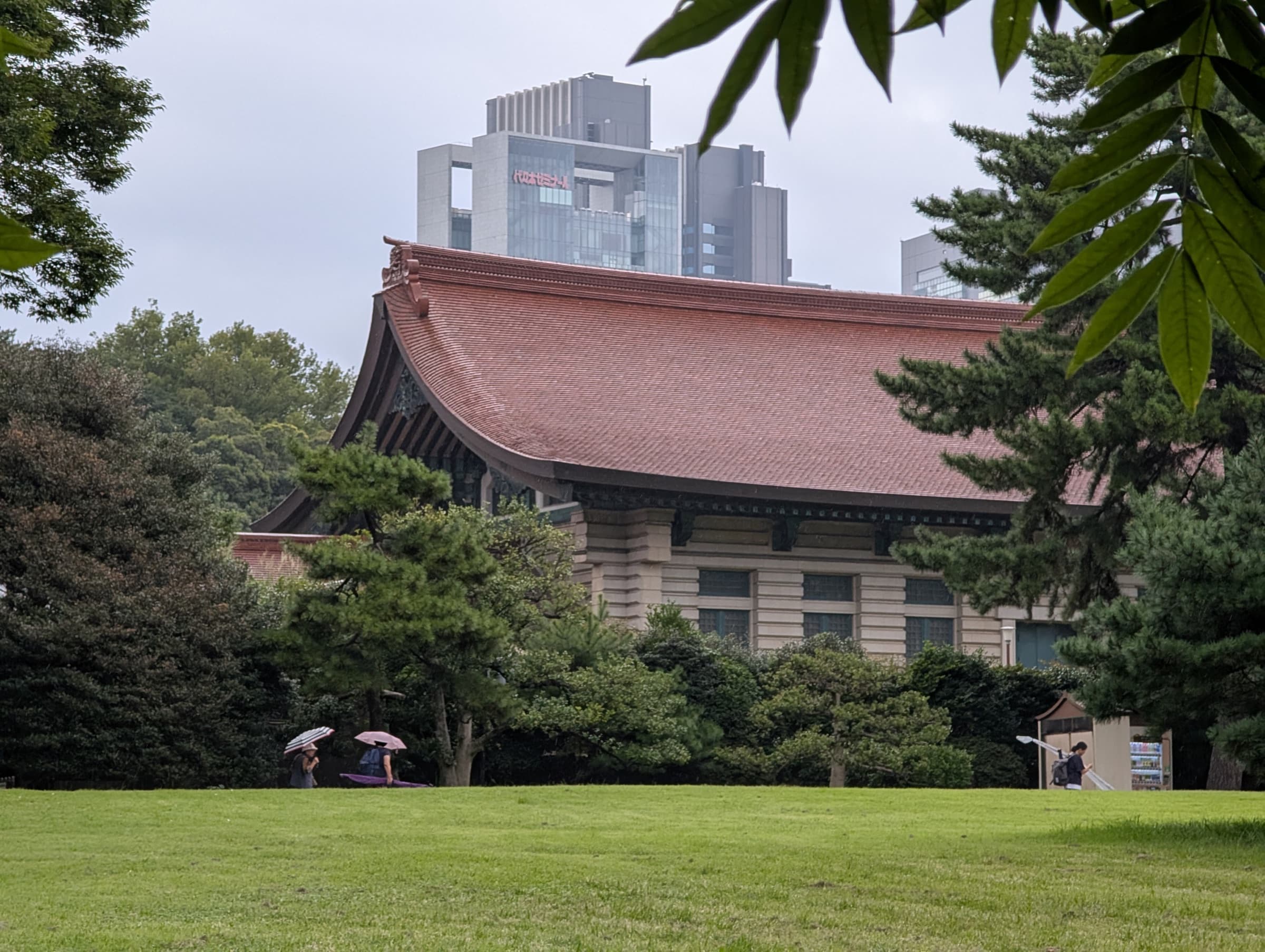
Japan’s Visitor Map Is Changing, Even If the Sidewalk Still Feels Full
JNTO’s first-half numbers show China down more than half while Korea and Taiwan surge. Spending barely budged. Here’s what that shift feels like on the ground.
4 min · Jul 24, 2026