
The First Safari Is a Test of What Kind of Luxury You Actually Like
Lodges, silence, animals, and early mornings in remote comfort.

What you are paying for
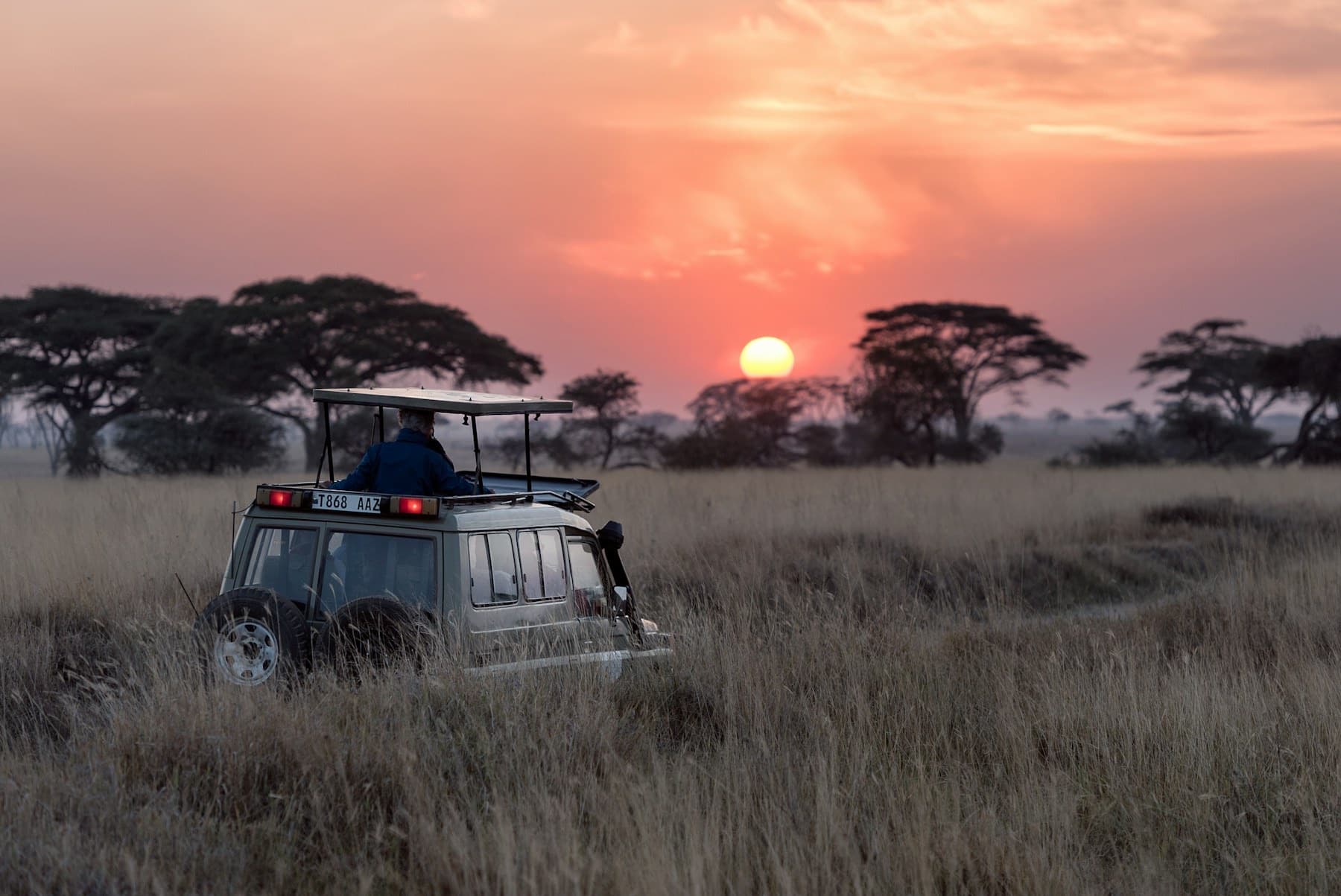
Safari pricing buys guides who read wind and tracks, vehicles maintained for bush roads, camps placed where animals actually move, and silence enforced at dawn.
Marble lobbies are irrelevant. Shower pressure at 5 a.m. is not. The invoice is competence in remote conditions: laundry done without fuss, meals that respect dietary needs, radios that work.
You are not paying for guaranteed Big Five bingo. You are paying for informed patience.
The test is whether you feel safe enough to stop performing excitement and actually watch a elephant family for twenty quiet minutes. Radio discipline at sightings separates good camps from circus operators.
Silence is part of the product.
Kenya vs Tanzania
Kenya’s Masai Mara rewards July-October migration drama with crowds to match. Tanzania’s Serengeti and Ngorongoro offer scale and slightly different crowd physics.
Same early alarm. Different visa logic and flight maps. Choose based on season and operator reputation, not forum mythology about which country is "more authentic."
First-timers should pick one country and one circuit. Crossing the border on a tight schedule is expert mode.
Nairobi and Arusha both work as hub cities if you want urban contrast before bush silence. Yellow fever and malaria guidance differ by route.
Check clinic requirements before you book bush flights. Internal flights are part of the budget.
Price the whole circuit, not only the camp nightly rate.
Asian travelers in remote luxury
Service standards read differently when you are often the only guest who looks like you. Staff may be curious, overly formal, or flawlessly professional, read case by case.
Dietary needs for halal, vegetarian, or rice-forward meals should be stated at booking, not at dinner. Premium camps can cook well when warned early.
Tipping culture and guide expectations vary. Ask the operator in writing before you land.
Photography etiquette matters: ask before photographing staff and neighboring villages. Consent is part of premium travel.
Bring neutral-toned clothing for dust and conservative villages. Bright white shows every road particle on game drives.
Sunscreen and hat etiquette still matter on open vehicles. Burn shows up fast at equator-adjacent latitudes.
Family calculus
Kids may love animals. They may hate 5 a.m., dust, and long vehicle jolts. Teens may love cameras until Wi-Fi disappears.
Age minimums exist for a reason. Choose family-oriented camps with shorter drives and pools if anyone naps unpredictably.
Parents who need bathrooms and stable beds should upgrade tent category honestly. Romantic fly-camping is misery with a six-year-old.
Build one pool afternoon into the week. Safari stamina is finite even for enthusiastic children.
Binocular sharing prevents sibling wars. Two pairs is cheap insurance on a five-figure trip.
Malaria prophylaxis conversations differ by child age. Pediatrician consult before booking remote camps.
Ethics
Choose operators who pay guides fairly, respect wildlife distance, and employ local staff beyond token roles.
Ask boring questions: vehicle limits per sighting, off-road policy, community revenue share. Avoid outfits that chase animals until they flee.
Luxury without ethics is just expensive stress for wildlife. The best camps make that tradeoff visible without lecturing you at dinner.
If a lodge brags about proximity without mentioning rules, keep searching. Community visits should feel invited, not staged.
Wildlife selfies that chase animals are a red flag, good guides block them, and dull answers about anti-poaching funding are often the most honest ones available.
Related stories
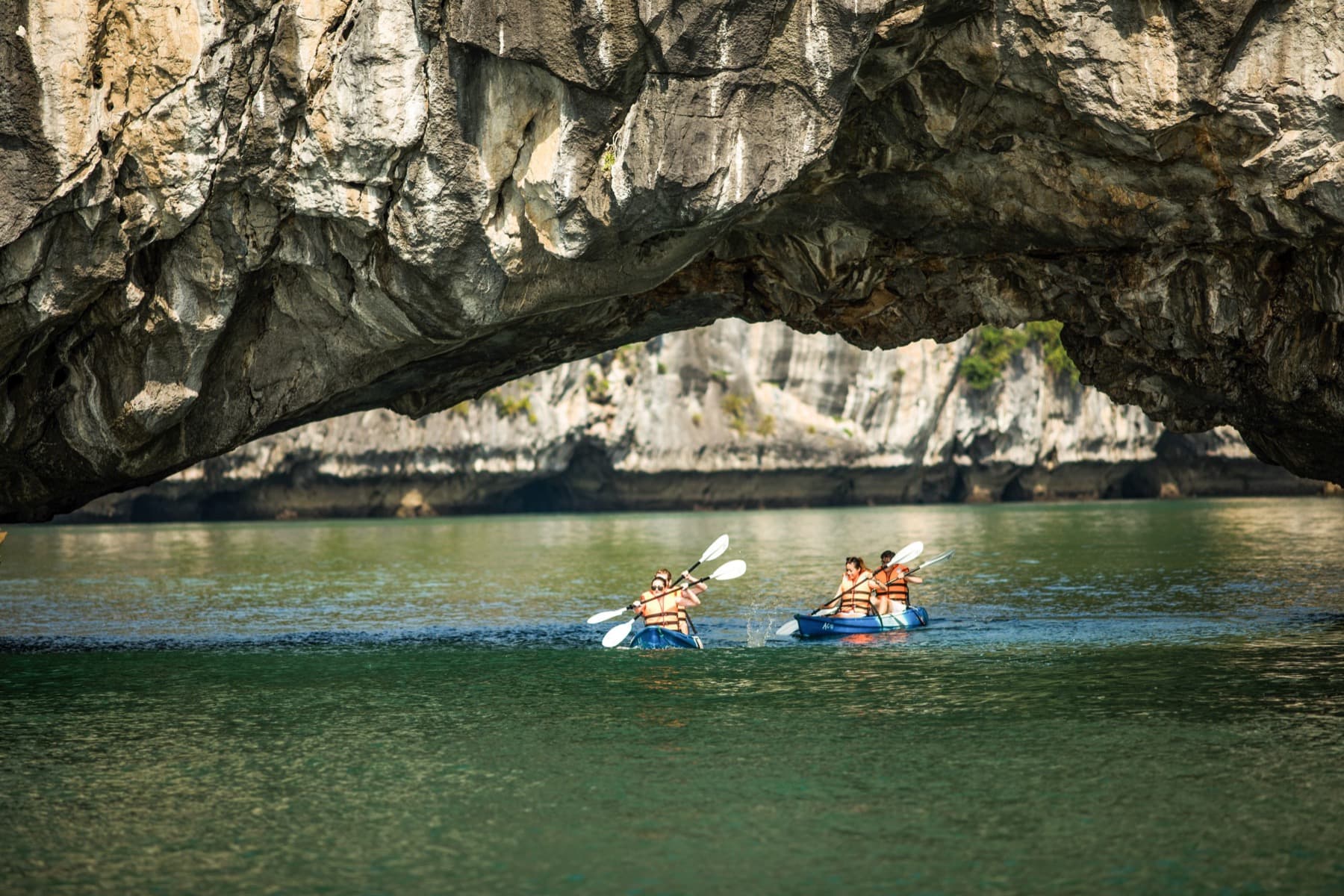
Hate Cruises? Bhaya Soul on Halong Bay May Change Your Mind
From $289 per person for two days on Bhaya Soul, small-ship Halong Bay for travelers who dislike buffet ships but want the karsts.
4 min · Jul 6, 2026
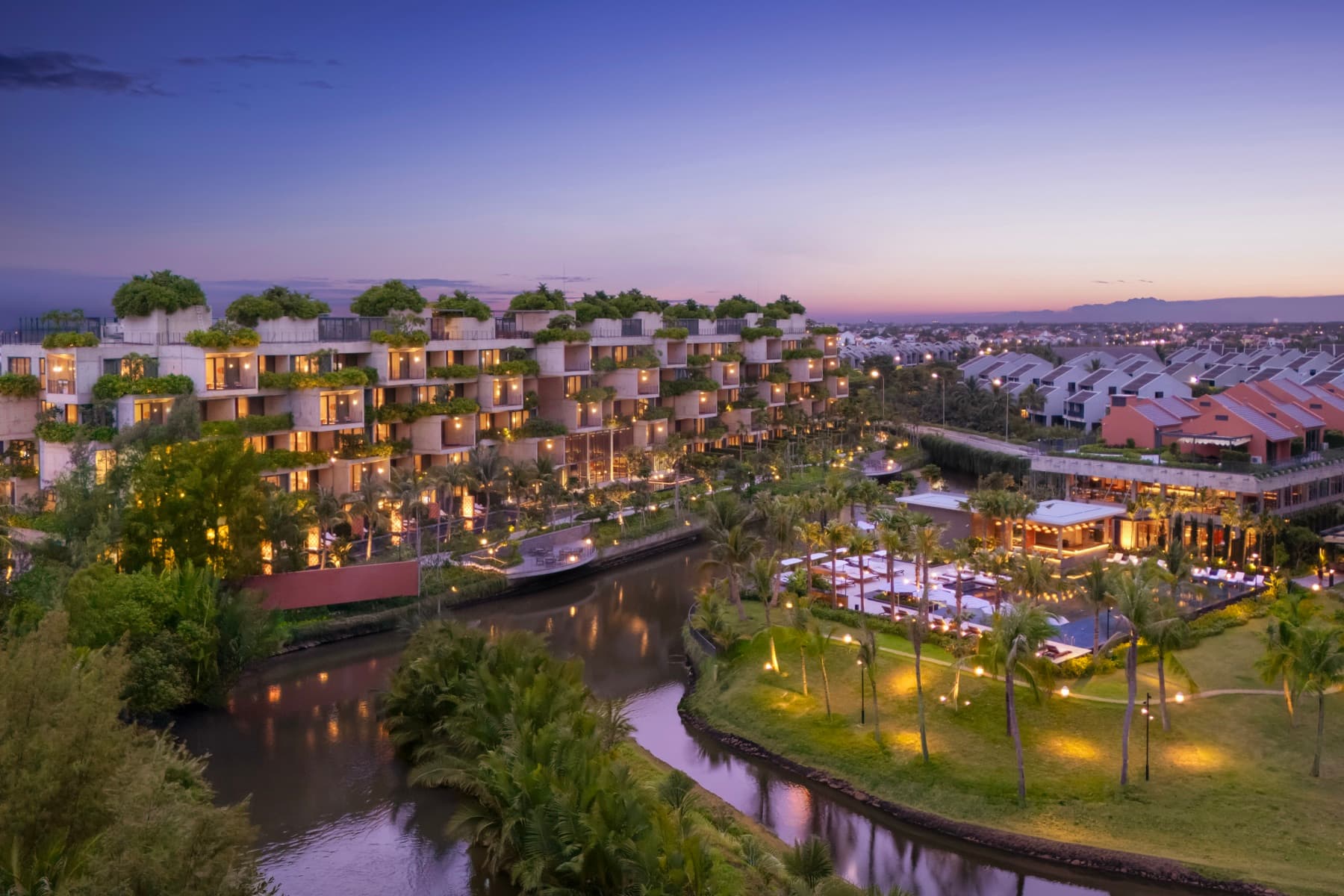
Marble Is No Longer Enough for Asia’s Luxury Travelers
The lobby can still sparkle. The room rate now has to buy back time, solve family logistics, protect sleep, and connect guests to the place outside.
7 min · Aug 17, 2026

Dubai Is Not Subtle, but That Does Not Mean It Is Stupid
Dubai rewards travelers who can enjoy scale without irony poisoning.
4 min · Mar 28, 2026
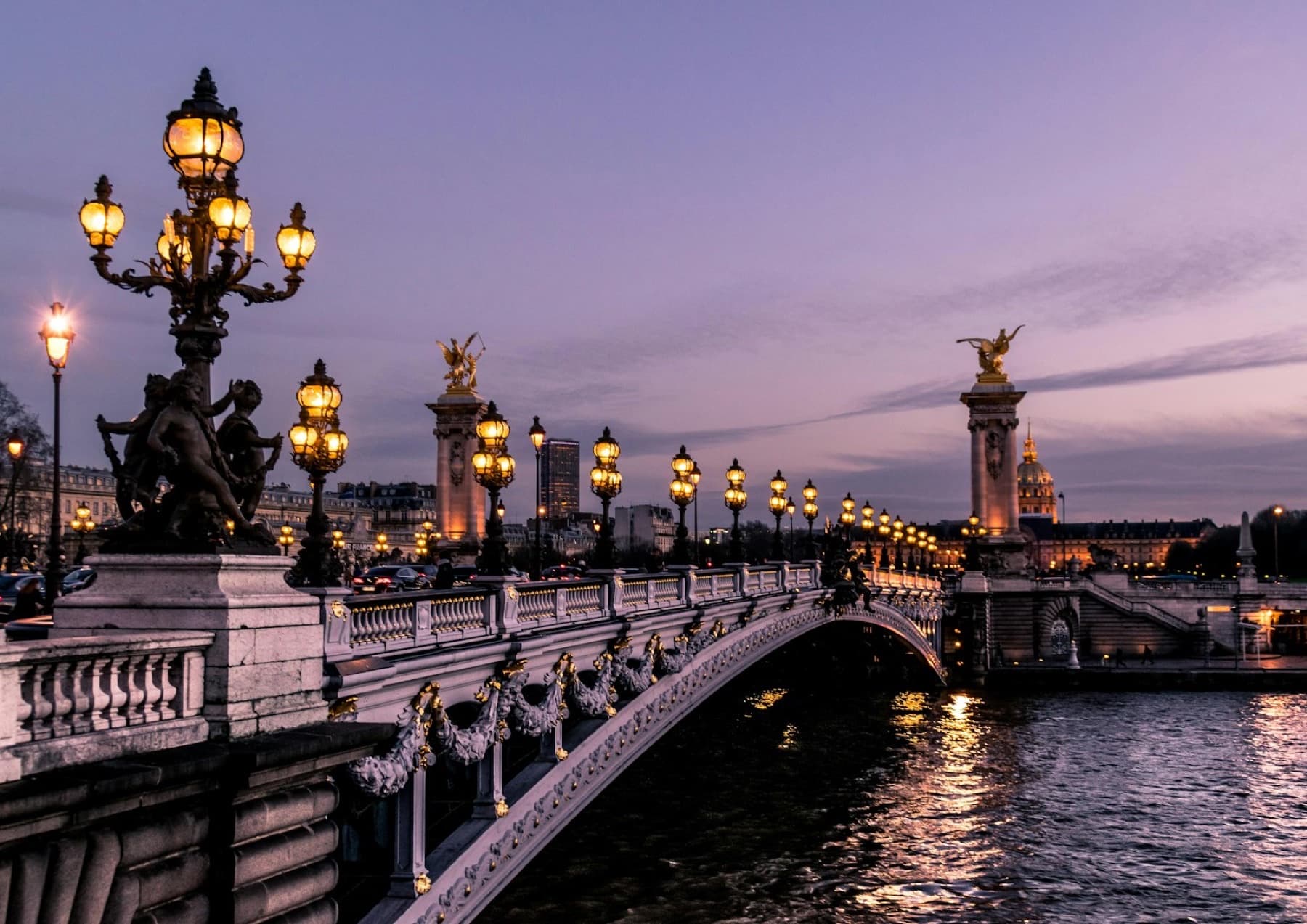
Milan for People Who Care About Taste More Than Tourism
Milan is not a postcard. That is the point.
3 min · Mar 30, 2026