
Marble Is No Longer Enough for Asia’s Luxury Travelers
Current surveys point to cultural depth, privacy, rest, and family space. Here is how to tell whether an expensive hotel will actually improve the trip.
Marble lost its monopoly
A polished stone lobby can still be beautiful. It can also be the least consequential part of an expensive stay.
The more useful question arrives after the photograph: did the hotel shorten a miserable transfer, protect a full night’s sleep, seat three generations at breakfast, or get you into the neighborhood with enough context to enjoy it? If the answer is no, the chandelier is carrying too much of the room rate.
That distinction matters for frequent Asia-Pacific travelers and diaspora families who compare service across several hospitality cultures. A guest who has experienced Tokyo precision, Singapore efficiency, Indian family hospitality, and a well-run North American business hotel is harder to impress with surface alone. The reference set has widened.
The old headline on this story argued that the new Asian luxury traveler was done being impressed by marble. Current evidence supports a more interesting conclusion. Grandeur still sells, brands still reassure, and loyalty still moves bookings. They simply have more work to do.
The research points in several directions
The Luxury Group at Marriott International, which operates brands including Ritz-Carlton, St. Regis, EDITION, and the Luxury Collection, surveyed 2,800 affluent travelers across eight Asia-Pacific markets in spring 2026. Cultural immersion and engagement with local communities influenced destination choice for 87 percent of respondents. Culinary discovery and proximity to nature each mattered to 86 percent, while wellness shaped decisions for 85 percent.
Those figures are useful, with limits. Marriott commissioned the study among frequent international leisure travelers in the wealthiest tenth of Australia, India, Indonesia, Japan, Singapore, South Korea, Thailand, and Vietnam. Mainland China was not included, and a hotel company has an obvious interest in finding new things for hotels to sell.
The same research also punctures the idea of one new luxury consumer. Marriott’s largest Gen Z profile was a “Connoisseur Traditionalist” who still cared deeply about reputation, craftsmanship, loyalty recognition, and an iconic hotel name. Within that group, brand reputation influenced 91 percent of bookings and loyalty benefits motivated 85 percent.
So the flag has not disappeared. It has become a trust layer rather than the whole experience. Guests may want the global brand to make the stay reliable while expecting the property itself to feel unmistakably local.
Time is the amenity you feel first
The best luxury service often looks like ten small frictions that never reach you. The airport driver has the right terminal. Check-in does not require a second biography after a long flight. The room is quiet at midnight, breakfast still works at 7 a.m., and a late checkout request produces an answer instead of a negotiation in public.
Hilton’s global 2026 trends survey, which covered more than 14,000 travelers, found that rest and recharge was the leading leisure motive, cited by 56 percent. That is a global result rather than an Asia-only one, but it translates cleanly into hotel choices: blackout quality, acoustic separation, bedding, temperature control, and housekeeping timing deserve more attention than the lobby render.
Privacy belongs in the same operational category. It means an arrival that does not become a queue, a villa route that avoids a crowded public room, a spa appointment that stays private, and staff who remember useful preferences without reciting a dossier. Accor’s recent writing on quiet luxury calls this “arrival invisibility.” Travelers can use a plainer test: how many times will this hotel make me explain myself?
Family travel changes the room geometry
Luxury marketing loves a couple framed against an infinity pool. Many high-value trips across Asia are actually exercises in moving parents, children, grandparents, luggage, medication, and several appetites through the same building.
Hilton’s Asia-Pacific family survey reached 8,000 adults in six markets, including mainland China. Nearly half preferred connecting rooms or family suites for multigenerational travel. Another 42 percent prioritized senior-friendly services such as mobility aids, medical assistance, and accessible dining.
That is where a floor plan becomes more luxurious than a flower arrangement. Can connecting rooms be confirmed before arrival? Is there a real door between sleeping spaces? Does the shower require a high step? Will the restaurant seat an elder comfortably and serve a child without turning every meal into an event?
Food matters here as infrastructure and pleasure. A strong breakfast understands rice, noodles, eggs, fruit, tea, dietary restrictions, and the fact that three generations may start at different speeds. A destination restaurant can be wonderful. So can competent congee delivered quietly to a room at 6:30 in the morning.
A sense of place needs evidence
Hotel copy now reaches for “local” so often that the word has become nearly weightless. A batik cushion, a lantern in the lobby, or a branded cooking class does not prove that a property understands where it sits.
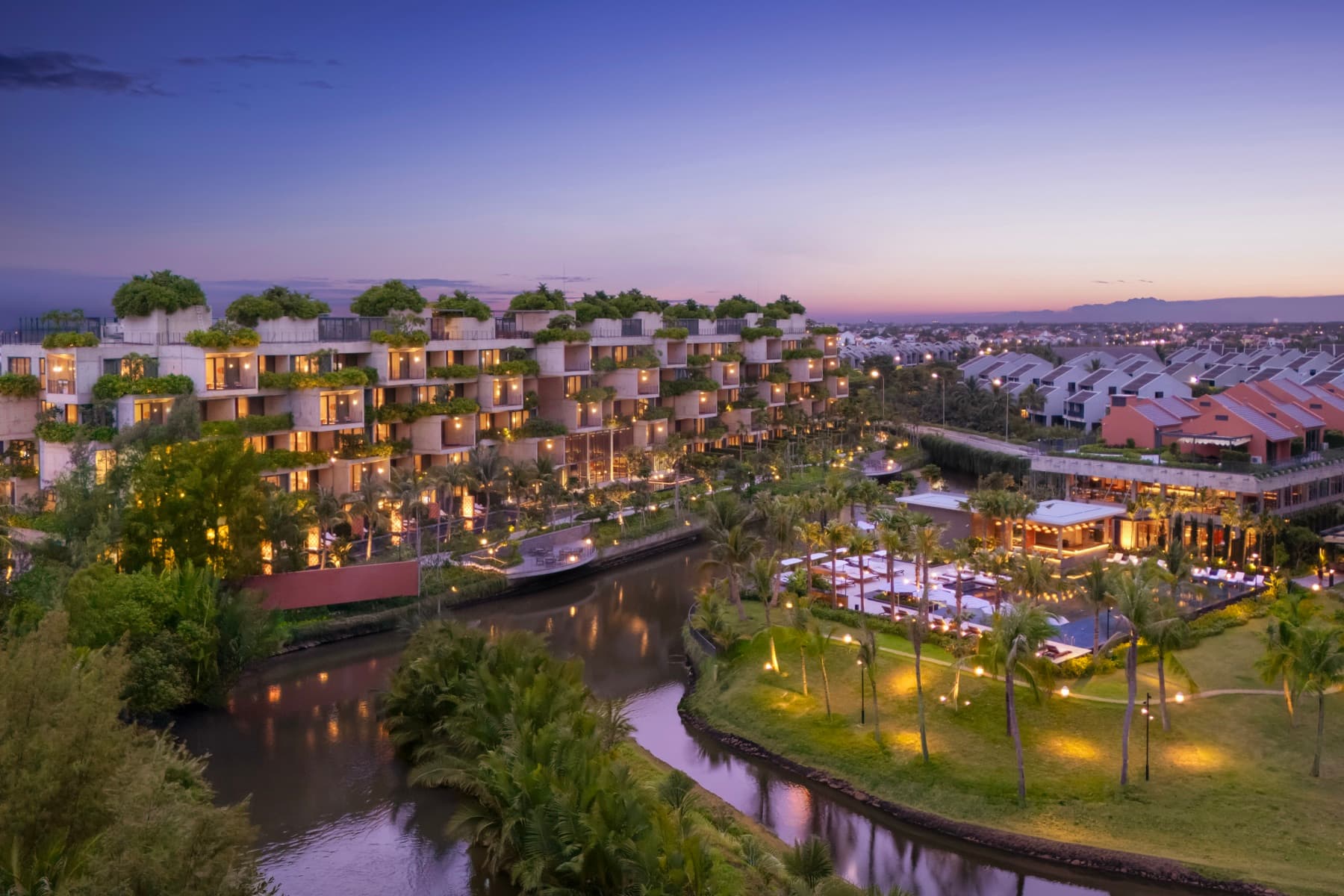
NHAAN Resort & Spa Hoi An, which opened this month under Hilton’s Tapestry Collection, offers a current test case. Vietnamese architect Võ Trọng Nghĩa designed the 174-room resort along the Cam Thanh waterways. Hilton points to locally sourced stone and timber, native textiles, pottery, and references to nearby Kim Bong carpentry. The property also keeps 19 pairs of connecting rooms, which is less romantic in a press release and more useful to an actual family.
Those details make a promising brief, not a verdict. The traveler still has to ask whether local craftspeople are named and paid, whether Central Vietnamese food survives the buffet, and whether the five-kilometer distance from Hoi An’s Ancient Town feels like welcome calm or an annoying transfer.
Real locality helps you understand the destination. It gives the concierge a point of view, puts regional dishes on the menu without turning them into costume, and makes leaving the property easier rather than implying the hotel has perfected the culture for you.
Spectacle can still be the point
There are trips when the staircase, skyline, or storied lobby is part of what you are buying. A milestone birthday, a honeymoon, a family reunion, or a first stay in a landmark hotel can support a little theater. Elders may enjoy the ceremony. Children may remember the scale forever.
The 2026 Luxe Report from Virtuoso, a global network of luxury travel advisors, puts celebration travel near the center of ultraluxe demand. Its advisors also rank family and multigenerational travel as the year’s leading trends. In that context, a grand hotel can function as a stage everyone agreed to share.
The useful distinction is intention. Book spectacle because your group wants spectacle, not because a double-height lobby is the easiest luxury signal to recognize online. Then apply the ordinary tests anyway. The famous bar should make a good drink. The landmark suite should be quiet. The concierge should know what happens beyond the porte-cochère.
Run the booking test before you pay
Start with the trip’s labor. If you are arriving after midnight, price the transfer and check whether reception truly runs overnight. If grandparents are coming, obtain written confirmation of connecting rooms, shower access, elevator routes, and dining hours. If rest is the goal, search recent reviews for construction, corridor noise, weddings, and air-conditioning rather than “luxurious.”
Then test the hotel’s relationship to place. Map three dinners you could reach without the property’s tour desk. Read the menu. Look for named local partners instead of a generic cultural calendar. In a resort, calculate how long it takes to leave the gate; in a city, decide whether the view compensates for being far from the neighborhood you came to explore.
Finally, identify what the premium actually buys. A private transfer, an excellent breakfast, a room configuration unavailable elsewhere, dependable childcare, genuine quiet, or a concierge with access can justify the rate. A bigger television and a brighter lobby may not.
Marble still has its moment. The hotel earns the rest of the bill by giving your time back, caring for the people you brought, and bringing the destination into clearer focus.
Related stories

Hate Cruises? Bhaya Soul on Halong Bay May Change Your Mind
From $289 per person for two days on Bhaya Soul, small-ship Halong Bay for travelers who dislike buffet ships but want the karsts.
4 min · Jul 6, 2026
Hotel Gajoen Tokyo Reopens July 27, Before the LXR Nameplate Arrives
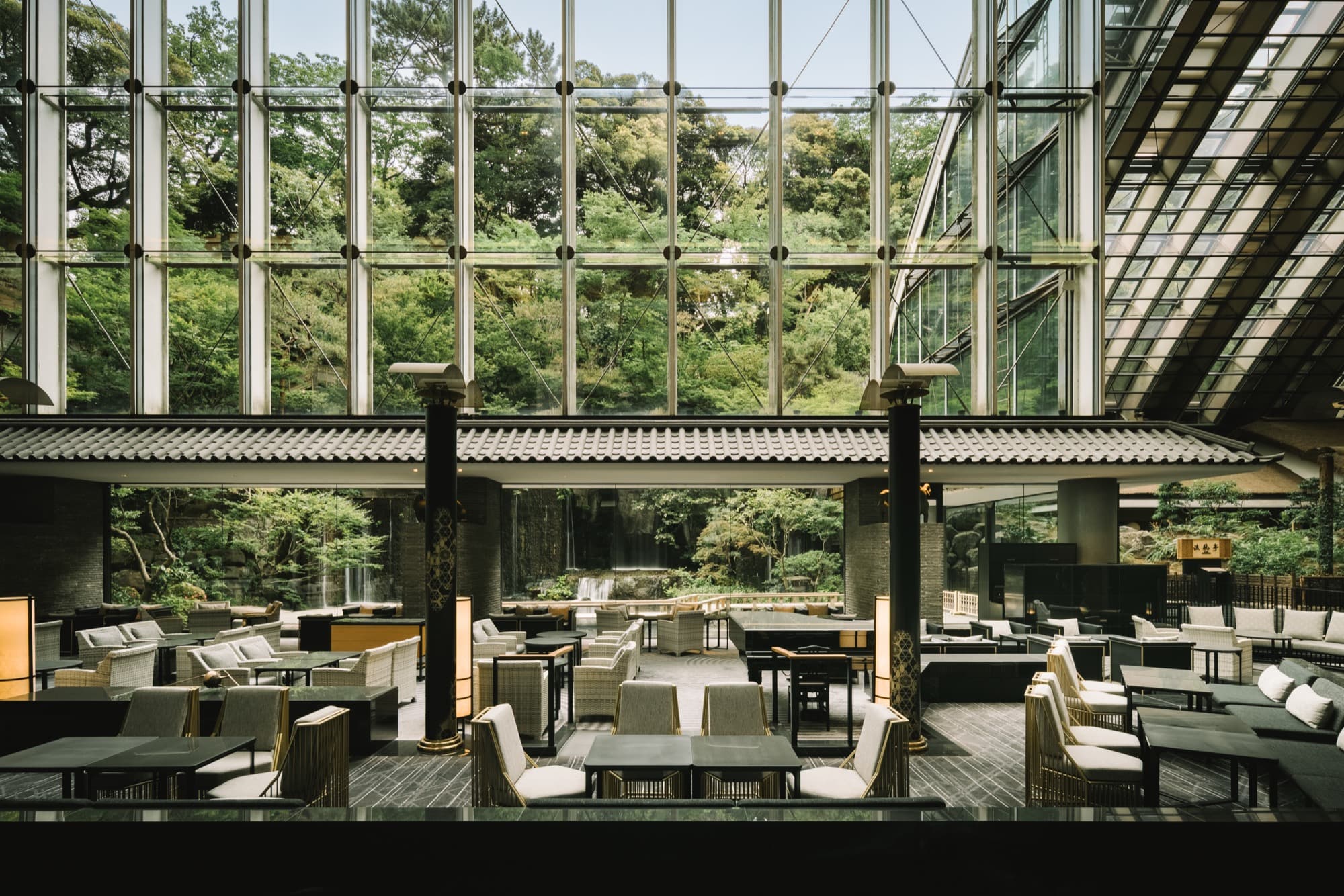
Bookings opened July 8 for a July 27 restart: sixty rooms of 70 square meters or more in Meguro, garden restaurants, and a heritage Tokyo stay that is not yet wearing the LXR badge.
4 min · Jul 21, 2026
Sleep Facing Miyajima Without the Island Crowds
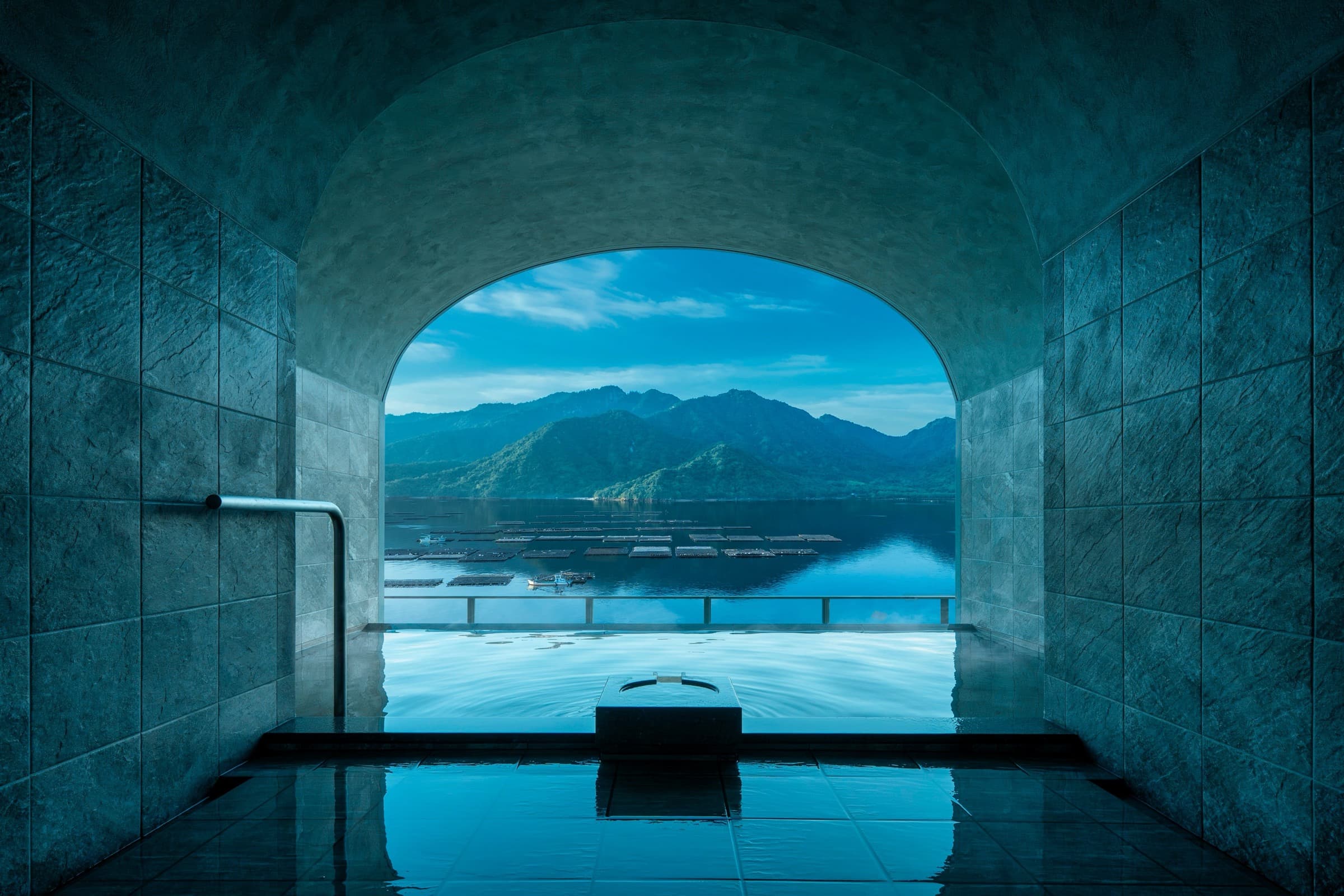
Hoshino’s first Hiroshima ryokan opened at Miyajimaguchi Onsen on July 23. Here’s the Umigiri room story, the sea-level bath, and how to pair a calm mainland night with an island day.
4 min · Jul 25, 2026

The First Safari Is a Test of What Kind of Luxury You Actually Like
Safari luxury is not marble. It is competence in the bush.
3 min · Feb 15, 2026