
A Quick Visitor's Guide to Three Days in Hong Kong
One hotel on an MTR line, one harbor crossing you mean to take, and three days that end with a café you would reorder—before a Peak queue eats the morning.
Article
Three days in Hong Kong work when you treat the city like a dense island-and-peninsula pair with one home base.
The failure mode is familiar. Peak Tram first thing, a mall lunch, a ferry you barely notice, a night market you photograph more than you eat, and a half-formed plan to “maybe do Macau.” You leave with receipts and a sense that the skyline was somewhere above the queues.
Shrink the job. Pick a hotel on one MTR line you will ride every day. Buy or top up an Octopus card at the airport MTR station or your first stop in town—it covers trains, buses, and a lot of small shops. Plan one sitting-down dim sum, two cha chaan teng meals, and one Star Ferry crossing at an hour you will actually enjoy. Cross the harbor on purpose. Keep Macau and Shenzhen for another ticket.
Where to sleep for three nights
Stay Island-side—Central, Sheung Wan, or Wan Chai—if you want walkable food density and a short walk to the Mid-Levels escalator or the Star Ferry pier. Stay in Tsim Sha Tsui if you want the harbor from the Kowloon edge and easier access to Mong Kok and Yau Ma Tei without a daily ferry obligation.
Either base works. Split bases do not. Changing hotels on night two costs you a half day you do not have.
Airport Express into Hong Kong station (Central) or Kowloon station is the cleanest arrival when luggage is light. If you land late and tired, a booked car to the hotel beats improvising with a full suitcase on the MTR. Check in, find the nearest cha chaan teng or bakery case, and sleep. Day one starts after coffee, not after the Peak.
Day 1: Island rhythm
Start with a cha chaan teng breakfast: milk tea, toast or a lunch set if you overslept, something the next table already ordered if the English menu freezes you. These Hong Kong-style cafés are ordinary infrastructure here. Sit down. Order. Pay. Leave when the table needs the seats.
Walk from Central up through the Mid-Levels escalator corridor, or drift Sheung Wan and SoHo without a landmark target. Notice exits that dump you into mall air conditioning versus humid street. The wrong exit costs twenty minutes and a mood.
Sit down for dim sum before mid-afternoon if you can. Shared plates, tea refills, ninety minutes with people you like. Order what you will finish.
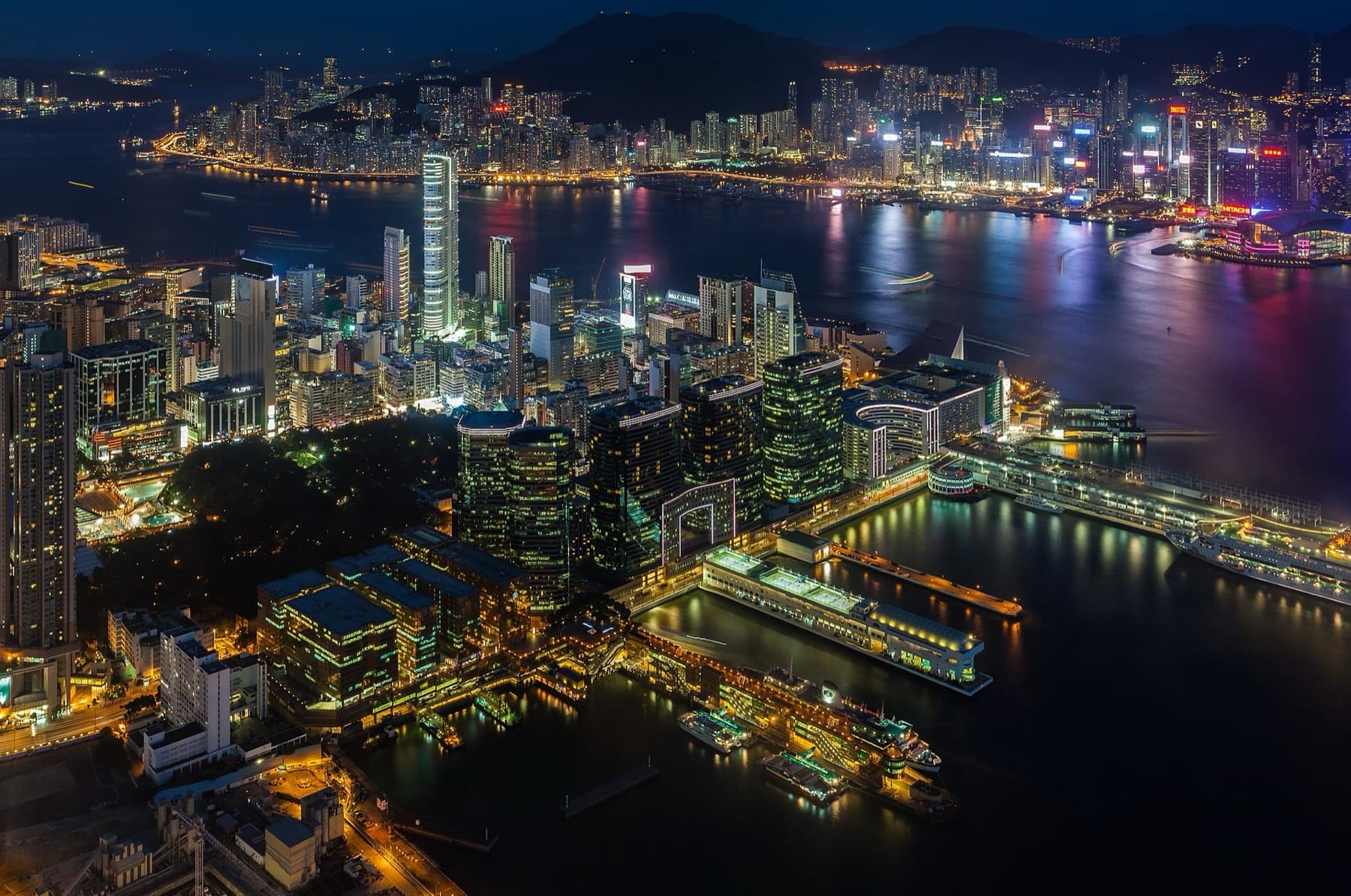
Give the harbor one deliberate crossing: Star Ferry from Central Pier to Tsim Sha Tsui, or Wan Chai to Tsim Sha Tsui, in late afternoon light if the sky cooperates. One trip is enough. Taxiing the same water every meal is how the day frays.
Save the Peak Tram for a clear morning you are willing to spend in a queue—or skip it. You already saw the skyline from the water. Eat near the hotel that night. Early sleep beats a second district.
Day 2: Kowloon depth
Give Kowloon a full day, even if your hotel is Island-side.
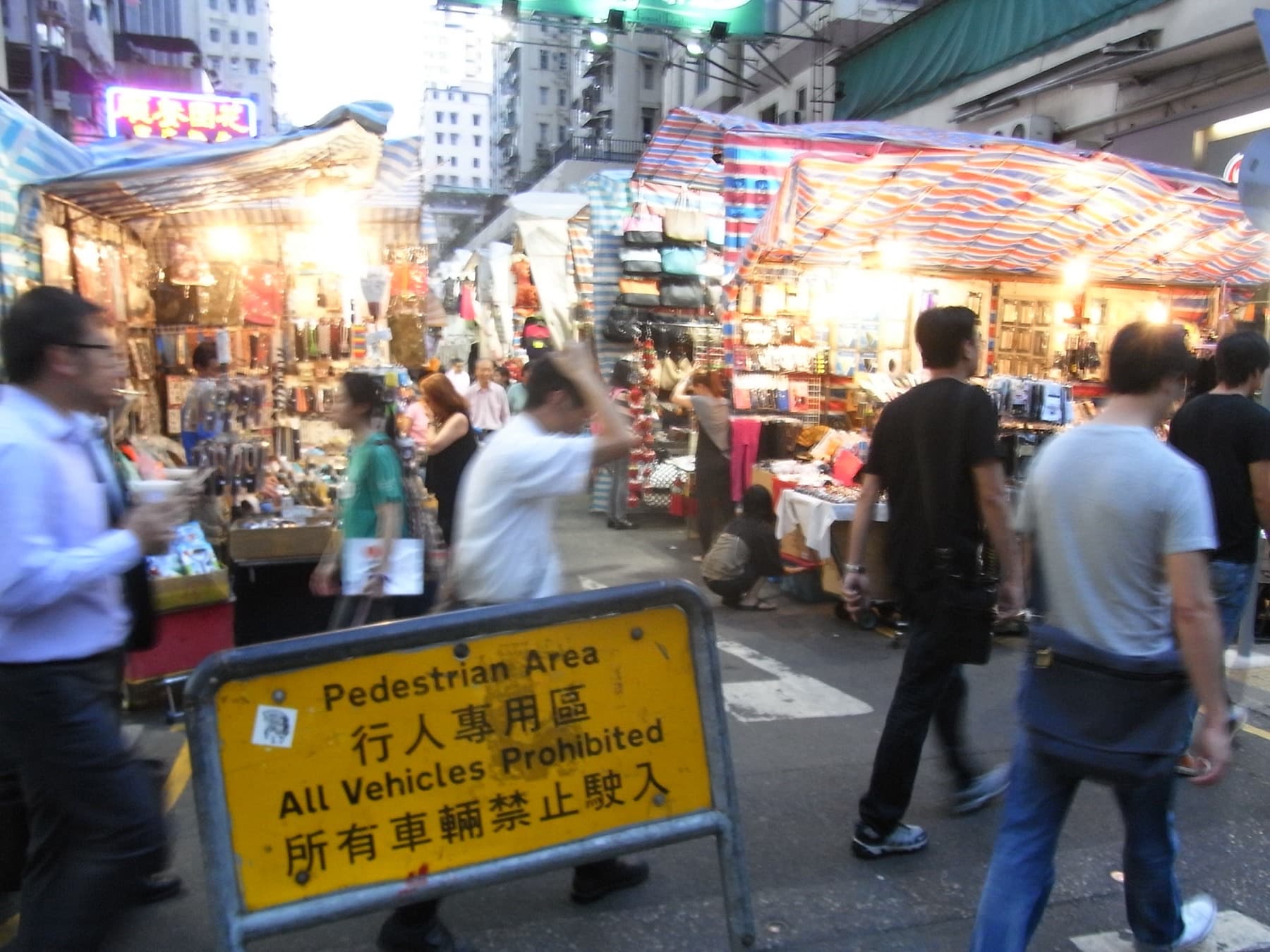
Nathan Road is useful as a spine to Mong Kok, Yau Ma Tei, or Jordan. It is a poor place to linger for its own sake. Ladies’ Market on Tung Choi Street and Temple Street Night Market earn the walk when you are hungry and patient; they waste the evening when you treat them as proof you “did” night markets. Eat something that requires standing in a queue locals also join.
For a quieter hour, shift to a neighborhood cha chaan teng or an open-air cooked-food stall where the plate is the point. Malls will find you whether you seek them or not. Save one if someone in the group needs reliable air conditioning and a bathroom you can find without an app.
End somewhere you can walk or ride back to the hotel without inventing a fourth neighborhood.
Day 3: One choice, then the airport
Day three is a fork. Pick one branch and defend it.
Sai Kung for a half-day seafood village and water that is not Victoria Harbour. Ngong Ping and the Tian Tan Buddha if someone needs a postcard day and you can tolerate cable-car logistics. Or stay in the city and repeat the neighborhood that already worked—different meal hour, same MTR exits, a bakery case you now trust.
Leave Shenzhen, Macau, and Disney for trips that own those days. Stacking them on checkout morning is how three days turn into logistics.
Build Airport Express or a booked transfer with more buffer than a domestic hop. HKG is efficient and still eats late bags. Leave while you still like the city.
What to pocket
Octopus beats most cash arguments, though older shops still take notes. Carry a light layer for indoor air conditioning. English works in the tourist core and thins in rooms worth finding; point, wait, and watch the next table.
Go home with one milk tea you would reorder and one harbor crossing you would take again. That is enough proof you were here.
Related stories
Hong Kong Beyond the Harbor: A First Week for Cantonese Diaspora Travelers
Hong Kong works when you mix one harbor ritual with neighborhoods you repeat at different meal hours.
6 min · Jun 1, 2026
A First Two-Week Trip to Asia
Tokyo–Seoul, Taipei–Hong Kong, or Singapore–Bangkok: how to spend two weeks without turning the Pacific crossing into a continent tour.
9 min · Aug 19, 2026
Taipei Is the Soft Landing More Asian Travelers Should Choose First
Why Taipei teaches you how to travel Asia before harder cities test you.
7 min · May 12, 2026
Singapore Is Not Sterile If You Know Where to Look
The city-state is curated, yes. It is also one of the world’s most serious eating capitals.
3 min · May 8, 2026