
A Surname and a Village Name Are Enough to Start
Batik Air’s inaugural Kuala Lumpur–Kinmen charter landed today with Malaysian travelers whose families came from the island. Use the launch to plan an ancestral-home visit when that is nearly all the family map you have.
What landed at Shangyi today
A Batik Air Malaysia charter flew Kuala Lumpur to Kinmen on Thursday, the first two-way package on the route. Central News Agency counted 171 passengers arriving at Shangyi Airport around midday for a six-day stay. County and local reports put the inbound number at 172, with 173 Kinmen travelers flying the other way to Kuala Lumpur. Fire trucks threw a water salute. A lion dance met the jetway.
Kinmen County Tourism Department director Hsu Chi-hsin told reporters that Malaysian Kinmen associations had helped fill the seats. The county subsidized the charter and the guests’ lodging on the island. Local operator Changling International Travel arranged the flights. AeroRoutes had already listed a matching return for November 10—about four hours each way on a 737 MAX 8.
Many of the people who stepped off were Malaysian travelers whose families came from Kinmen. They had heard the name for years. A large share of the cabin had never stood on the soil.
The guide who already knows the villages
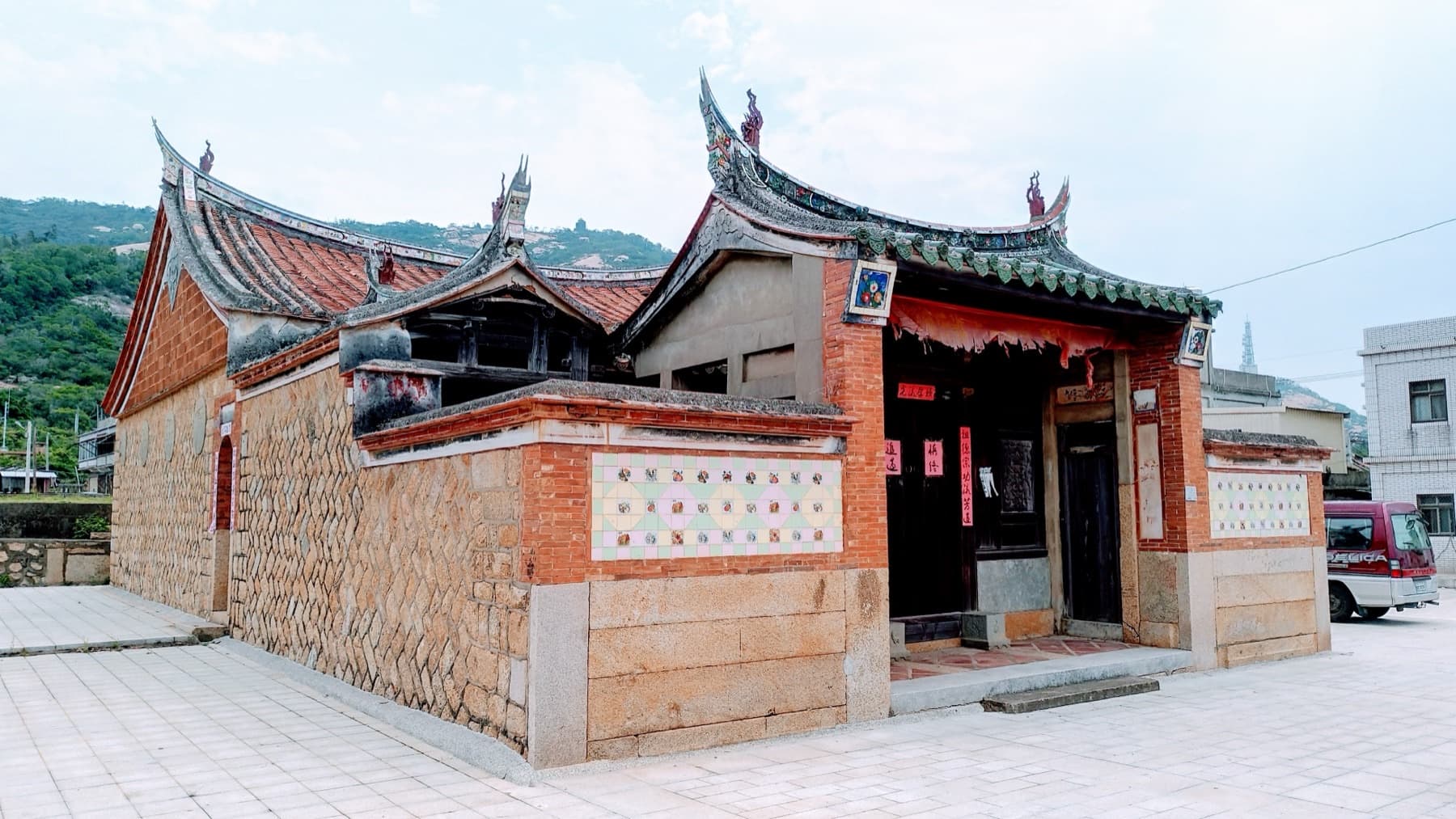
Wu Yu-keng, a Malaysian Kinmen community figure, was on the inbound flight. His ancestor Wu Xin-quan came from Dadi village in Jinsha Township. Wu has returned many times, and with another heir he donated the county-designated historic Wu Xin-quan residence in Dadi to the Kinmen County Government. Thursday was still his first charter landing. The old route meant a night in Taipei, then a second ticket to Kinmen—and fog that can cancel the short hop.
Wu told CNA that many passengers grew up being told they were Kinmen people without learning the island’s story. Liberty Times reported Malacca and Klang Kinmen association members among the group. Wu said he would take them to their ancestral places so that next time, they could come back on their own.
The charter is a Malaysian–Kinmen product. Anyone else holding a surname and a village name faces the same first questions.
How to work with a surname and a village
Write the Chinese characters first. Romanization alone will send you to the wrong lane. Quemoy, Kim Mui, and Kinmen can all point at the same island; a Hokkien spelling of a village may not match the Mandarin map pin. Ask the oldest relative who will still answer for the characters on the ancestral tablet, a marriage certificate, or a jiapu page—even a phone photo of a faded envelope helps.
Then call the association before you buy the long-haul. Overseas Kinmen tongxianghui in Malaysia, Singapore, and elsewhere did the recruiting for Thursday’s cabin. They know which surnames cluster in which villages, and which living person still keeps the keys to a hall. A cold arrival with only English letters is how people wander past the right doorway.
On the island, settlements still lean on clan geography. Many villages concentrate one surname. Ancestral halls—zongci—and family books, or jiapu, do the finer work. Generation-name poems in those books often decide the middle character in a child’s name; matching that character to a living branch is often how a visitor finds the right cousins. Sharing a surname with everyone on the lane is not proof you share a grandfather. Ask before you photograph tablets, lanterns, or someone’s courtyard. Bring a printed note with your ancestor’s name if you have one. A clan hall is someone’s family room that happens to open for rites—treat it that way.
What to book around the thin map
If you are not on a charter, price the real door. Most North American tickets still land in Taipei, then need a domestic seat to Kinmen. Build a buffer night in the capital. Fog on the Taiwan Strait can erase a same-day connection the way Wu described. A Kuala Lumpur routing only wins when an association or airline is actually selling the island leg you need. Thursday’s flight is a charter, not a daily bank.
Give the village day its own calendar block after sleep. Land, rest, then walk the lane—jet-lagged introductions rarely help. One living room and one hall beat three temples collected for proof. Stay near Jincheng if you want easy food and taxis between settlements. Stay closer to Jinsha or the east if the villages themselves are the whole point of the week.
Thursday’s passengers get six days with hosts who already know which lane to turn down. Your version may start thinner. A surname, a village name, the right Chinese characters, and one phone call to a Kinmen association are still enough to start. The reunion, if it comes, can wait until someone opens the door.
Related stories
The First Heritage Trip Should Not Be a Performance
Land, sleep, eat in public, and do one relative visit after you can form sentences. Revelation, if it comes, can wait for a later ticket.
5 min · May 15, 2026

Heritage Travel Without the Clichés
Write down why you are going before you buy the ticket. Then use markets, temples, and family days as logistics, not as a script for how you should feel.
6 min · Jun 8, 2026

What If Your Parents' Homeland Does Not Feel Like Yours?
Disappointment is data, not betrayal.
3 min · Jan 28, 2026

Diaspora Summer: Build a Heritage Trip Without the Guilt Itinerary
One relative day after you’ve slept. Then markets, subway, and empty afternoons—with jangma and typhoon season treated as logistics, not vibes.
6 min · Aug 3, 2026