
Flying Through Seoul on Nov. 19? Check Your Connection Against Korea’s Exam-Day Flight Pause
On Thursday, November 19, South Korea adjusts takeoffs and landings for Suneung. Start with the English listening window, then check three itineraries: an Incheon connection, a Gimpo trip, and a tight onward booking.
What is locked, and what is still coming
Thursday, November 19, is Suneung—South Korea’s national college entrance exam, formally the 2027 College Scholastic Ability Test. South Korea’s Ministry of Education told a Cabinet meeting on October 20 that 551,864 people are registered at 1,312 test sites. For anyone flying that day, the useful number is smaller: the English listening section runs from 1:10 p.m. to 1:35 p.m.
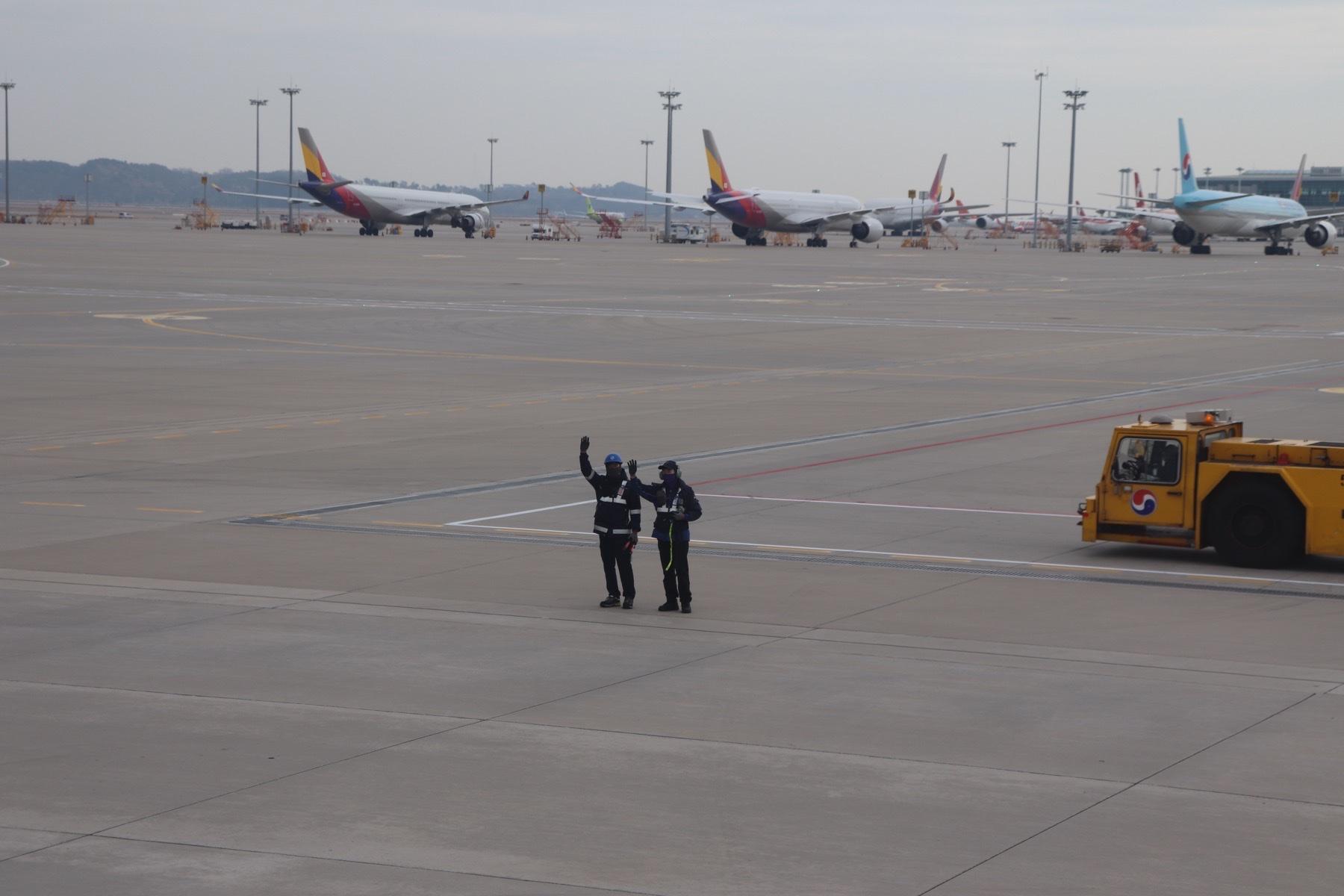
During those 25 minutes, the ministry’s plan adjusts aircraft and helicopter takeoff and landing times so engines are not roaring over classrooms. Artillery drills and tank movements pause too. That rule covers Incheon, Gimpo, and every other airport in the country. It is already public.
What still has not appeared, as of November 12, is this year’s flight-by-flight notice from the Ministry of Land, Infrastructure and Transport—the exact runway blackout, how many flights move, and which ones. Last year that list landed two days before the exam. On November 11, 2025, ahead of the November 13 sitting, the transport ministry barred takeoffs and landings from 1:05 to 1:40 p.m., five minutes on each side of listening. Planes already airborne had to hold at three kilometers or higher, emergencies excepted. Airlines retimed 140 flights, 65 international and 75 domestic. Use that as a map of how the day usually works, not as this year’s schedule. Until your carrier emails a new time, the listening window is the only clock you can trust.
Connecting at Incheon
If both legs are already ticketed through Incheon, stay airside. The risk is a midday arrival that has to circle, or a departure printed for 1:20 p.m. that slips to 1:50. Open the booking and check whether either leg sits between about 12:45 and 2:00 p.m. Korea time. If it does, turn on airline notifications and plan to read the inbox again around Tuesday, November 17—the timing that matched last year’s transport notice.
Same-terminal connections usually absorb a short hold. Changing terminals, or clearing immigration for a quick Seoul lunch, usually does not. A six-hour layover that looked roomy in October can shrink once the inbound holds and the outbound moves. Keep the lounge, the shower, and the airport meal inside security. Leave the first real neighborhood dinner for a day that is not shared with half a million exam takers.
If you are starting at Incheon in the afternoon, leave Seoul earlier than the ticket implies. Government offices and companies are asked to start after 10 a.m., so mid-morning AREX trains and airport roads can feel like a late rush hour. Extra subway trains run for students from 6:00 to 8:10 a.m. After that, taxis near schools get awkward: cars stay 200 meters back from test sites.
Heading to Gimpo
Gimpo is not a side entrance to Incheon. It sits across the Han, mainly for domestic flights and a short list of nearby international hops. A delay at either airport will not wait for the limousine bus between them.
If both of your flights are at Gimpo, the same 1:10 to 1:35 p.m. listening window still applies. Midday domestic boards are crowded, and last year’s retimed list was mostly domestic. Check the airline first, then the Korea Airports Corporation boards on the morning of the 19th. Look for 변경시각, the “new time” column.
Mixing Incheon and Gimpo on the same day is a different problem. Treat it as two trips with a surface transfer in the middle. Published minimum connects for domestic Gimpo to international Incheon often run about two and a half to three hours once bags and immigration are in the path. Add exam-day slack on top. The classic miss is a Jeju arrival into Gimpo near 1:05 p.m. paired with an evening long-haul out of Incheon: the first leg slips, the bus hits student traffic, and the international desk has already closed. If the fare rules let you move one leg now, move it.
When the onward booking is already thin
If your plane into Korea lands near 1 p.m. and you have a fixed train, ferry, tour meeting, or same-day second flight that cannot move, fix the day before the transport ministry posts anything. Buy a later onward, add a buffer night near the airport, or shift the Korea arrival into the morning. Morning arrivals and evening departures sit clear of the listening window.
What gets expensive is a ticket that looked fine in October and fails because one hold ate the only slack you had. A protected connection on one ticket still needs a realistic minimum connect. Separate tickets need more. Exam day is a poor time to invent a self-transfer between terminals, and a worse time to invent one between airports.
What to do before the 19th
Write every Seoul-area flight that day in Korea Standard Time. Hold each one up against 1:10 to 1:35 p.m. Anything near that window belongs on the watch list. Confirm the phone and email on the booking so a schedule-change text actually arrives.
Keep the two kinds of information apart when you talk through the day with whoever is traveling with you. The education plan already fixed the listening window, the later office-start request, the extra morning subways, and the 200-meter car ban at test sites. Individual flight times come from airlines and the transport ministry. A morning flight outside that window does not need a panic rebook. A midday self-transfer that was already thin does.
On the morning of November 19, refresh the airline app and the airport board once more. Plan around the new time, not the PDF from September. Read the listening window first. Then wait for the airline’s new time before you trust the old ticket.
Related stories
A Culturally Fluent Guide to the World’s Best Airports
The best airports respect time, food, and dignity.
3 min · Feb 10, 2026

The Layover Is a Taste Test
Six hours in the right airport can change your route map.
3 min · May 10, 2026

Why Asian Travelers Care So Much About Airports
Airports are not transit. They are part of home geography.
3 min · Jun 30, 2025
Seoul After the Hype Cycle
Beyond the export narrative: neighborhoods, markets, and meals that reward travelers who skip the trend checklist.
8 min · May 18, 2026