
Seoul After the Hype Cycle
Seoul is more than K-Pop and K-Drama tourism. The city is still fast, still stylish, and interesting on its own beneath the exports.
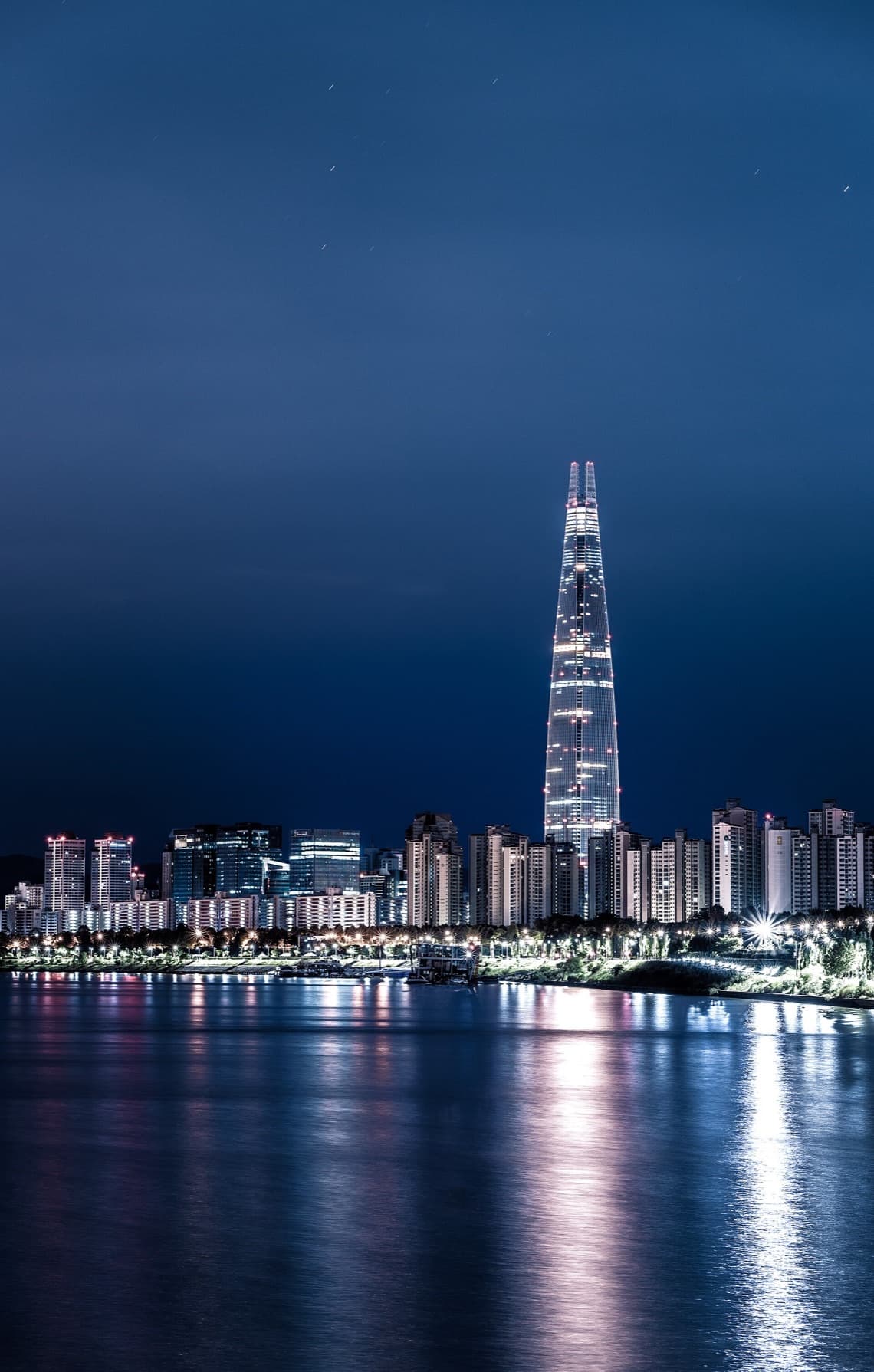
Beyond the trend export
Korean culture abroad gave travelers a vocabulary before they arrived. That helps and hurts. The city is more than cafés that look good on camera.
You already know about skincare routines, K-pop aesthetics, and the cafe interior as social stage. Seoul invented much of that global vocabulary, and also lives beyond it.
The city has pojangmacha nights, jjimjilbang recovery culture, markets that smell like soybean paste and fried pancakes, and neighborhoods where design is utilitarian, not Instagrammable.
The hype cycle flattened Seoul into a trend feed. Social media rewards the same three districts, the same beauty retail pilgrimage, the same neon alley.
The better trip digs into texture: how fast people actually walk, how direct service can feel after Western soft scripts, how the city compresses luxury and street food into the same ten-minute walk.
Seoul is more than K-Pop and K-Drama tourism. Exports gave the city a global brand; they did not replace the lived city underneath.
Let both versions exist. You do not need to declare which is "real.
" You need enough days to move past the export checklist into markets, back streets, and meals that were never meant for a subtitle card.
If this is your first time in Asia, pair this piece with our Seoul first-trip guide and the broader first-trip-to-Asia starter. Seoul is not the softest landing, but it teaches appetite and transit fast.
If you already know Tokyo or Singapore, read this alongside our Tokyo and Singapore city guides: Seoul rhymes with both on food and density, but runs hotter and more vertically.
A little history
Seoul did not begin with Hallyu. A few centuries of capital-city history explain why the center feels dense, layered, and impatient.
Korea’s Three Kingdoms period (roughly 1st century BCE through 7th century CE) set the geography of power on this peninsula. Goryeo (918–1392) and then Joseon (1392–1910) made Hanyang, modern Seoul: the administrative heart.
Walk Jongno or the grounds of Gyeongbokgung and you are in a city that has been a capital for centuries, not a theme park built yesterday.
The Joseon era left the palace grid, hanok alleys, and Confucian civic order that still shape neighborhood logic. Bukchon reads as "old Seoul" because it is; the tension between preservation and renovation is visible on every block.
The National Museum of Korea in Yongsan is the serious counterweight to palace tourism, start there if you want context before Instagram angles.
Colonial rule under Japan (1910–1945) and the Korean War (1950–1953) scarred the city physically and politically. Much of what tourists photograph was rebuilt within living memory.
That is why Seoul can feel simultaneously ancient and brand-new: layers of destruction and reinvention stacked in one metro ride.
The Republic of Korea’s breakneck growth from the 1960s onward. Han River development, chaebol industry, democratization in the late 1980s, produced the vertical skyline and 24-hour retail culture you land in today.
Hallyu, the "Korean Wave" of pop culture exports, arrived decades later as marketing amplifier, not origin story. Understanding that sequence keeps you from mistaking a decade of global trend for a millennium of city character.
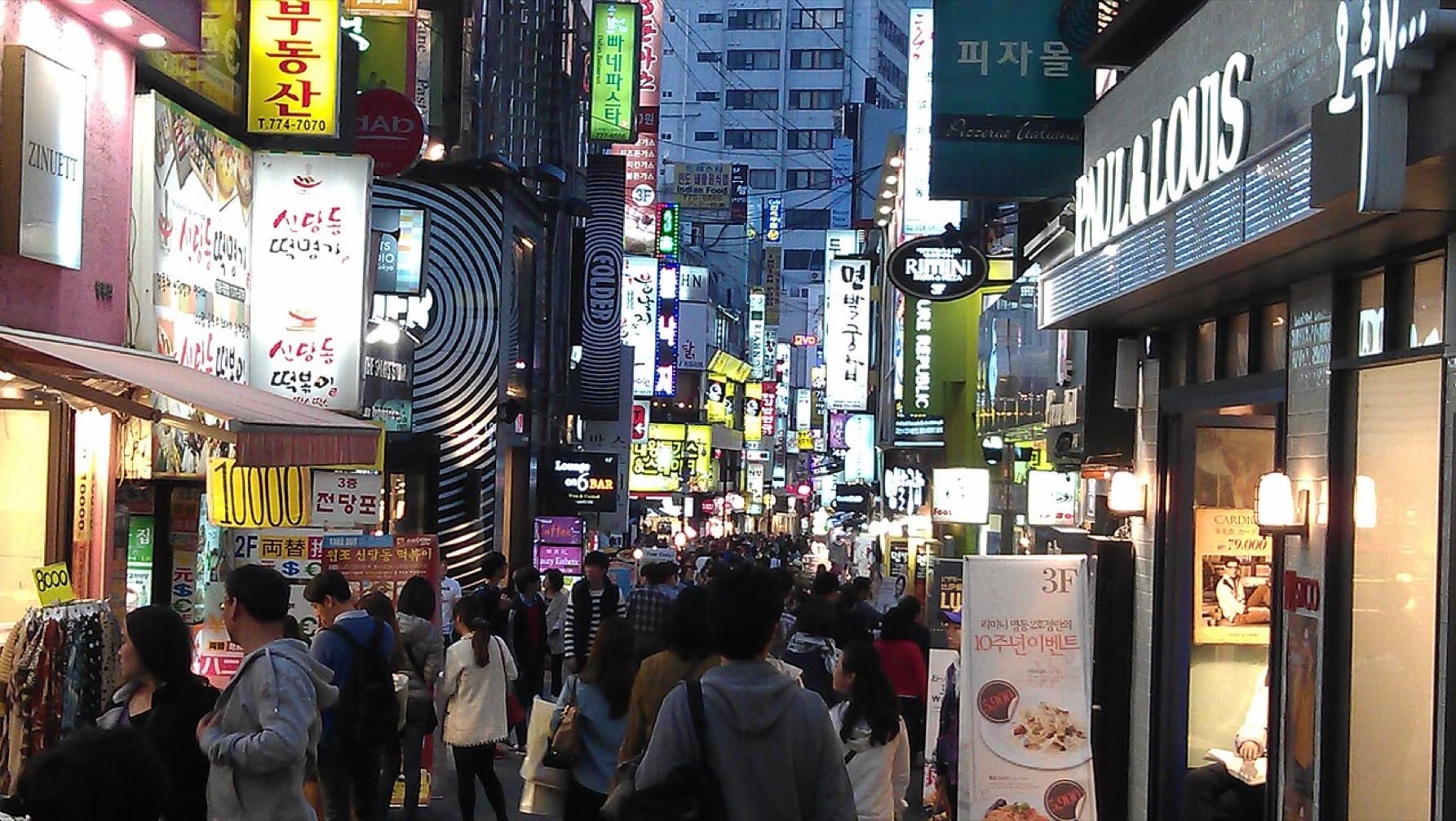
Where to actually stay
Jongno for tradition without costume, Seongsu for design, Mapo for food. Gangnam if you want efficiency and late-night skincare retail.
Jongno puts you near palaces, Bukchon mornings, and a slower pedestrian rhythm, good for travelers who want history without costume tourism. Seongsu is the design-and-coffee district that still feels like a neighborhood waking up, not a finished product.
Mapo is underrated for food density and Han River walks without the tourist volume of central Myeongdong.
Gangnam is efficient, expensive, and useful if your trip includes beauty retail, corporate meetings, or late trains. Hongdae and Itaewon still work for first-night energy and international food; just know they are louder than they are representative of the whole city.
Pick one base and stay there. Seoul’s subway is excellent.
Line 2 alone loops through many districts you will actually use, but constant hotel switching wastes the mental energy you need for food and walking. Load a T-money card at Incheon (ICN) or Seoul Station and treat the metro as your default, not a backup plan.
Most international flights land at Incheon. The Airport Railroad Express (AREX) reaches Seoul Station in about 43–51 minutes on the express service; check the latest timetable before you land.
Gimpo (GMP) is closer for domestic connections. For neighborhood detail and a softer first-week rhythm, see our Seoul destination hub and first-trip guide before you book a hotel purely from a district name you saw on social media.
The meal rhythm
Korean BBQ is not dinner every night. Balance with kalguksu, jjigae, and the kind of bakery case that makes you rethink breakfast.
Seoul eats in waves. Late breakfast or bakery coffee, a substantial lunch, snacks from a market, then a long dinner that may start after 8 p.m.
Korean BBQ is social theater, wonderful, but heavy if repeated nightly. Rotate with knife-cut noodle soups, stews, street tteokbokki, and the convenience-store gimbap that locals actually eat.
Markets like Gwangjang are not photo backgrounds. The market opened in 1905 as Korea’s first permanent covered market and still functions as a working food hall, bindaetteok (mung-bean pancakes), mayak gimbap, and raw-beef tartare stalls draw locals at lunch, not only tourists at dusk.
Go hungry, point at what someone else ordered, sit on a stool. Return to the same stall twice if it hit right.
Seoul rewards repetition more than coverage.
Department-store food halls in Myeongdong or underground malls attached to major stations are underrated for solo travelers: clean, central, and useful on jet-lagged day one when you cannot commit to a long queue. They are not a substitute for a pojangmacha night, but they are a smart bridge.
Alcohol is part of many meals but not mandatory. Soju culture is real; so is the excellent non-drinking food trip.
If you are coming from Bangkok or Tokyo, expect different spice logic and sharing norms. Korean tables are built for groups, but counter seats and market stalls solve solo dining cleanly.
Night energy and recovery
Markets after dark, pojangmacha tents, and jjimjilbang culture. Seoul’s second shift without the export script.
Seoul does not close when offices do. Night markets, neon retail corridors, and late kitchens keep districts alive past midnight.
Pojangmacha, tented street stalls, are where office workers eat and drink without ceremony. They are louder, smokier, and less photogenic than the cafés you saw online; that is the point.
Jjimjilbang (Korean bathhouses) are recovery infrastructure, not spa tourism. You shower, soak, sweat in heated rooms, nap on heated floors, and emerge reset.
Dragon Hill Spa and other large complexes cater to visitors; neighborhood jjimjilbang are cheaper and more local. Stay long enough to understand the rhythm, lockers, scrub tiers, snack bar between sessions: not just the photo at the door.
Hongdae and Itaewon still deliver international energy and late food if you want a bar night. For a calmer evening, walk the Han River paths in Mapo or Yeouido when the skyline turns on.
Seoul’s nightscape is vertical; find a river or hill viewpoint and let the city explain its scale without another queue.
Sleep debt is the hidden tax on a Seoul trip. Build one slow morning per three fast days, bakery coffee, palace grounds before tour buses, or a jjimjilbang session instead of another district hop.
The city rewards stamina, but not the kind you spend chasing every flagship store.
Repeat visitor move
Pick one market, one jjimjilbang, one bar in Itaewon, and one long walk with no destination.
Repeat visitors should shrink the map. You have seen the palaces.
You do not need every skincare flagship. Choose one market and learn its rhythm, who eats what at which hour.
Choose one jjimjilbang and stay long enough to understand the recovery logic, not just the photo.
Itaewon still works for international energy and late food. A long walk along the Han, or through a neighborhood you only passed through last time.
Seongsu before it fully matures, the Dongdaemun design cluster at night, the quieter folds of Jongno, costs nothing and teaches more than another flagship store.
Seasonality matters on return trips. April–June and September–November bring comfortable walking weather and festival energy; summer is humid and winter is dry-cold with real wind.
Cherry blossom weeks (roughly early April) and autumn foliage (October–November) book hotels early, repeat visitors often plan around one seasonal anchor instead of a district checklist.
You can’t go wrong with Seoul, but it’s best when you don’t plan an itinerary focused on "keeping up. " The city moves fast.
You do not have to match it. You have to find your version inside it, and leave one neighborhood unvisited so the next trip has a door already open.
Related stories
Seoul as a First Trip to Asia: Energy Without the Spreadsheet
Seoul is not the softest first Asia trip, but for the right traveler it teaches appetite, transit, and neighborhood rhythm fast.
5 min · Jun 7, 2026
Tokyo Is Not a Beginner City, and That Is the Point
Tokyo punishes checklist tourism and rewards travelers who can tolerate not seeing everything.
8 min · Jun 1, 2026
Where to Go When You Want Big-City Energy Without the Obvious Choices
Urban energy without the default skyline tour.
3 min · May 22, 2026
Singapore Is Not Sterile If You Know Where to Look
The city-state is curated, yes. It is also one of the world’s most serious eating capitals.
3 min · May 8, 2026
Related global reads
Transpacific Bound
Seoul as a First Trip to Asia: Energy Without the Spreadsheet
Transpacific Bound
Tokyo Is Not a Beginner City, and That Is the Point
East Table
East Asia cold noodles field guide
Goldsea
The evolution of an Asian American
Goldsea
Asia’s 8 most romantic places and the great love stories behind them