
Kyoto for Couples Who Hate Checklist Romance
One district, one reservation, and permission to miss half the temples.
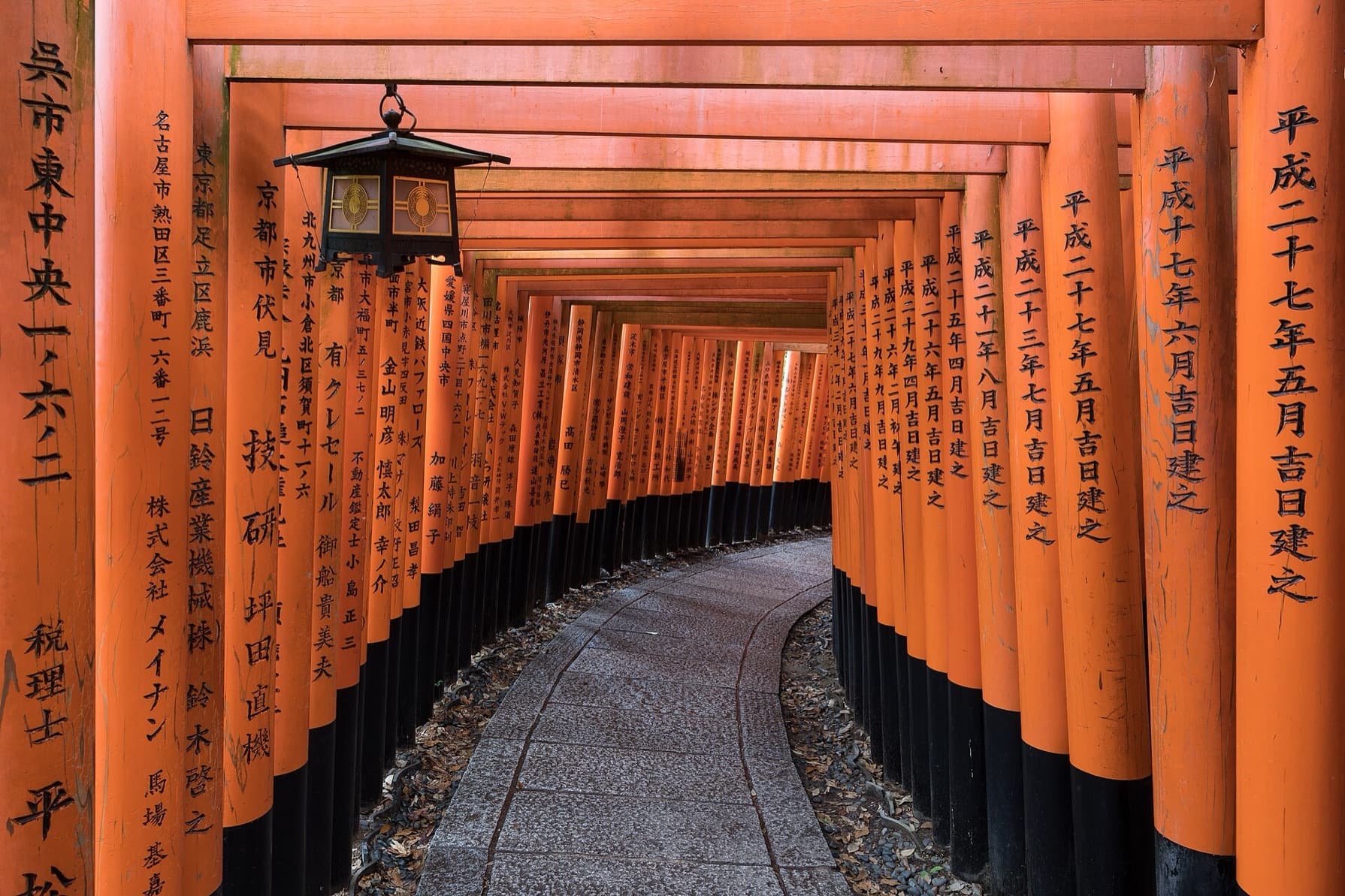
Opening thesis
Kyoto sells stillness, craft, and the fantasy of a Japan that moves at human speed. Couple trips here fail when that fantasy becomes a checklist: six temples before lunch, matching photos at every gate, resentment by day three because one person wanted rest and the other wanted coverage.
This guide is for couples who want Kyoto without performative romance or performative contemplation, two different traps that look identical on Instagram. You need pace agreement, one shared anchor meal, and permission to miss famous sights without moral language.
Kyoto works for couples when the city becomes a walk you share at dusk, not a syllabus you grade each other on. Food, ryokan or small hotel logic, and early mornings matter more than gate count.
If you are also considering Osaka, read our Osaka food guide and decide whether this trip is slow-week Kyoto or split-city appetite. Both are valid. Mixing them nightly is usually not.
Why Kyoto for couples
Kyoto offers walkable districts, early-morning quiet that feels private even in a famous city, and dinner culture that rewards planning together, one reservation, one market lunch, one decision about whether tonight is kaiseki or izakaya.
Unlike resort romance, Kyoto romance is often logistical: Did we catch the last bus? Do we agree this alley is worth another ten minutes?
Can we split, temple for one, bookstore for the other, and meet for matcha without keeping score?
Asian diaspora couples may also navigate family expectations about Japan trips: who counts as a proper pilgrimage, what photos get sent home, whether the trip is for you or for an audience of relatives. Name that tension early.
Kyoto amplifies it if unspoken.
Choose Kyoto when both of you want beauty with structure, not nightlife with spontaneity. Choose elsewhere when one person’s ideal trip is Dotonbori at midnight and the other’s is silent tea.
Compatibility tests are useful before you book non-refundable ryokan nights.
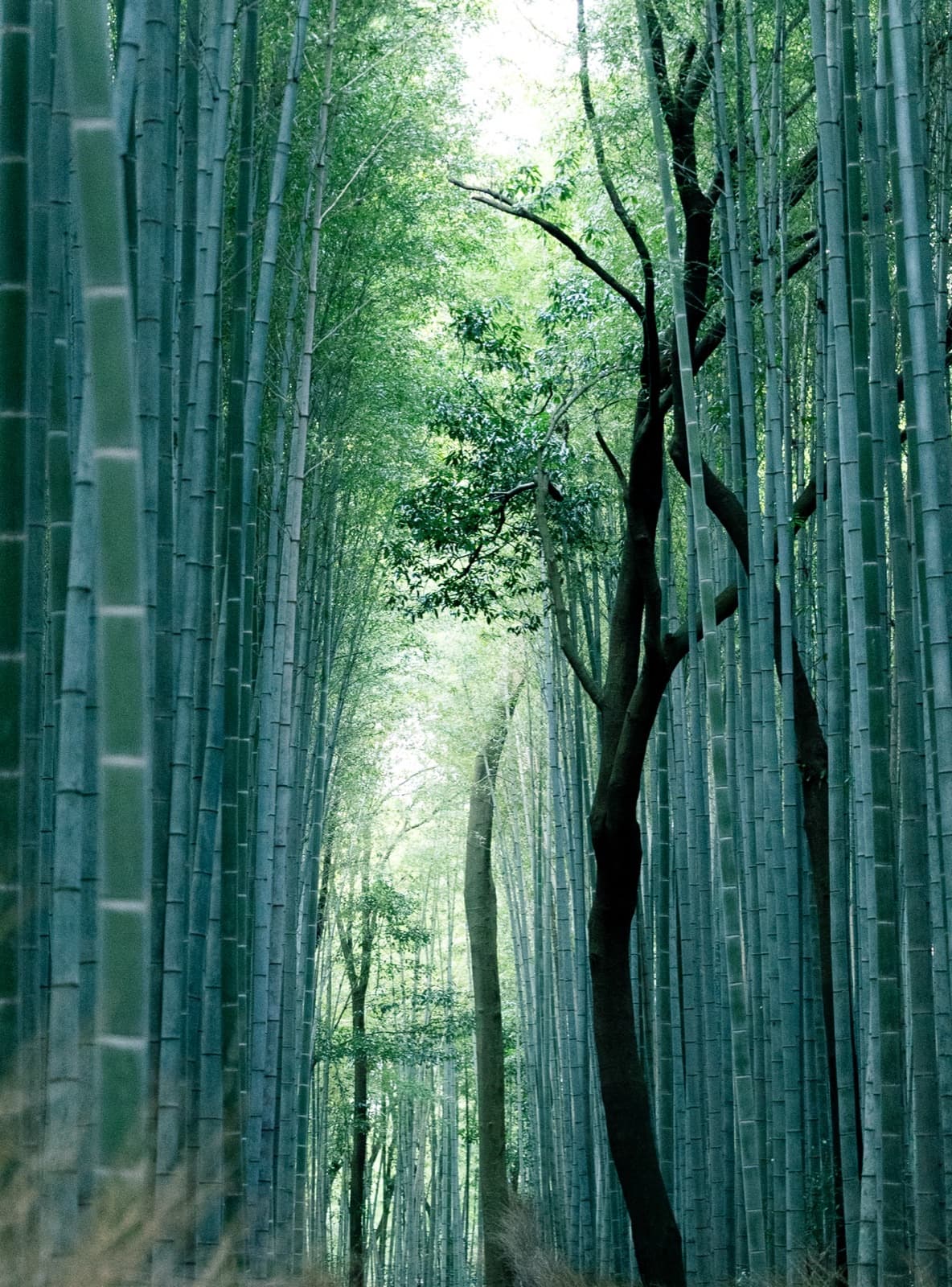
Pace over temples
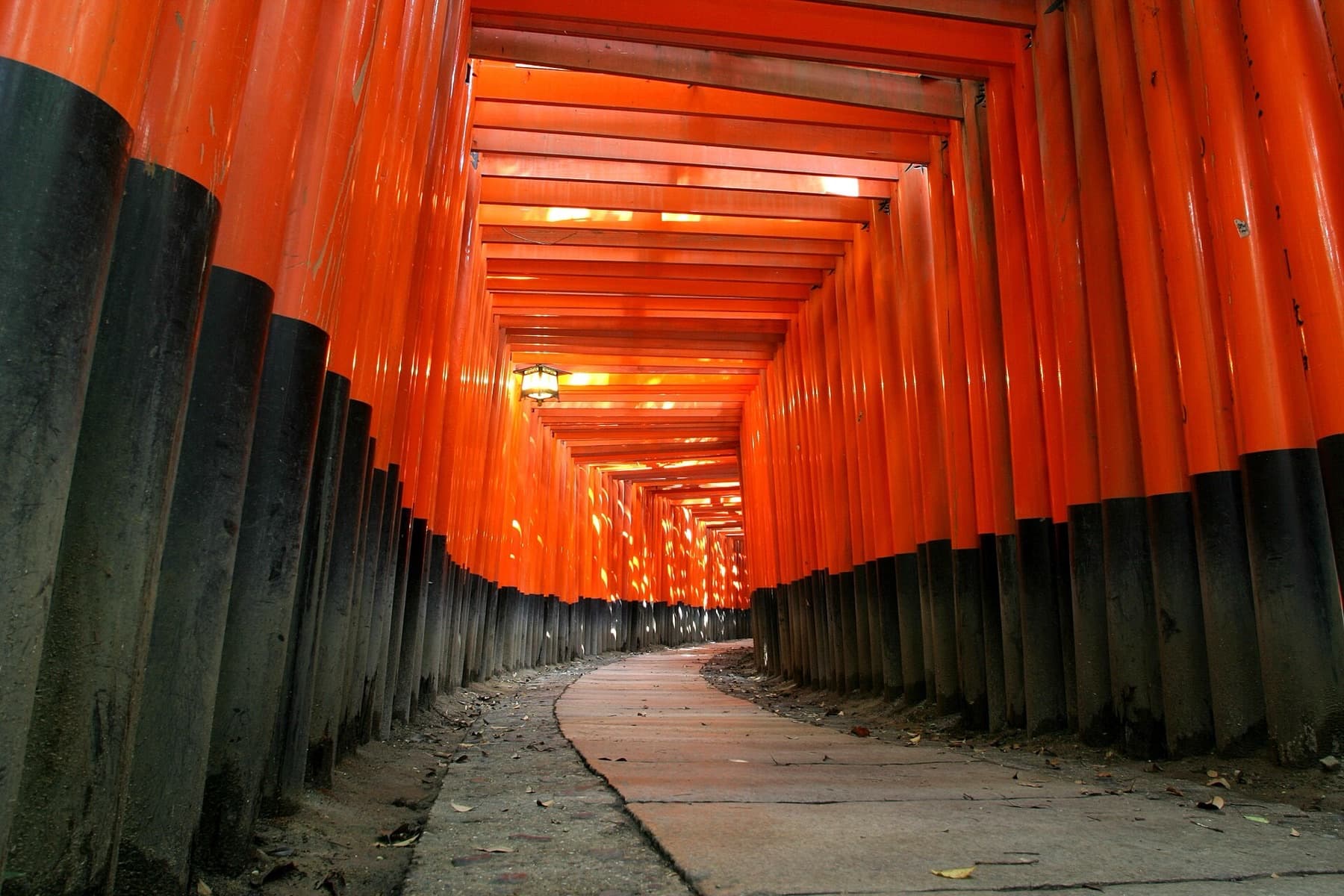
Fushimi Inari, Kiyomizu-dera, Arashiyama bamboo, Gion at dusk, you cannot do all of them well in two days without turning the trip into transit. Pick one or two that genuinely matter to you as people, not as tourists collecting proof.
Repeat a district instead of adding a district. Walk the same street at 7 a.m. and 5 p.m. Kyoto reveals craft shops, bakery cases, and light that no single temple ticket explains.
Couples fight when pace mismatch becomes moral judgment: fast walker versus slow observer, photo appetite versus privacy need. Assign roles by day rather than by personality, today you lead timing, tomorrow I do, or split for two hours without sulking.
Success is wanting to walk together again tomorrow, not maximizing shrine stamps.
One reservation together
One serious meal, kaiseki, a chef’s counter, an izakaya you booked because a friend insisted, gives the week a shared spine. Everything else can stay flexible if that night is protected from jet lag and bickering.
Book for night two or three, not arrival night. Dress codes matter in some rooms; ask when you reserve.
If one of you cares deeply and the other is indifferent, negotiate parallel excellence: you get the tasting menu, they get the excellent noodle shop nearby, meet for dessert.
Fine dining in Kyoto is craft education, not flex culture. Go curious, not competitive about who discovered the place first.
If budget says one splurge only, make it here rather than spreading three mediocre expensive meals. Memory consolidates around one great night more reliably than around three adequate ones.
Walking and rest
Kyoto punishes couples who treat walking as virtue and rest as failure. Bus and taxi exist. Use them before someone says something that requires an apology and a pastry.
Ryokan stays can be magical, shared bath timing, kaiseki at the inn, futon logistics that feel novel, or stressful if one person needs privacy and the other wants full tradition. Read room descriptions honestly before you romanticize the format.
Build one afternoon with no plan every two days. Couples need unstructured time that is not secretly a test of who suggests the best activity.
Hotel location beats view. Proximity to breakfast and last train home prevents arguments you will rehash on the shinkansen.
Season choice
Cherry blossom and autumn maple seasons are extraordinary and crowded. Winter is quieter and colder than many expect.
Summer is humid and busy. Each season changes couple math: queue tolerance, clothing layers, how much you can walk between meals.
Book early for peak foliage and blossom windows if dates are fixed. If dates are flexible, shoulder seasons reward couples who want light without stadium crowds at every gate.
Weather is not a metaphor. Pack shoes both of you can walk in on wet cobblestones. One miserable hour of soaked feet can undo three perfect meals.
Agree in advance whether you are a peak-season couple or a quiet-season couple. Mismatch here is expensive emotionally and financially.
Diaspora couples caveat
Japanese heritage, family stories, and media images of Kyoto can load the trip with expectations one partner carries and the other does not. That asymmetry is normal. It becomes toxic when unspoken.
You may feel you owe relatives a photo at a gate. You may feel zero spiritual obligation and still love the food. Both can coexist if you talk before you land.
Heritage is not a competition between partners about who is more connected. Kyoto offers craft and atmosphere more often than narrative closure. Do not demand epiphany from each other, or from the city.
Protect private moments from group chat performance. Some gates are for you; some meals are for sending home. Label which is which.
Closing takeaway
Leave knowing which street you would walk again at dusk: not which shrine you queued longest for or which photo got the most reactions.
Kyoto for couples is slow when you choose slowness, not when you fail at speed. One district, one reservation, one morning without alarms beats a syllabus that turns love into logistics combat.
If Osaka calls you for a louder final night, go eat there honestly. If Kyoto asks you back for a single season you have not seen yet, listen.
The best couple trips leave appetite for return: not exhaustion that masquerades as completion.
Related stories
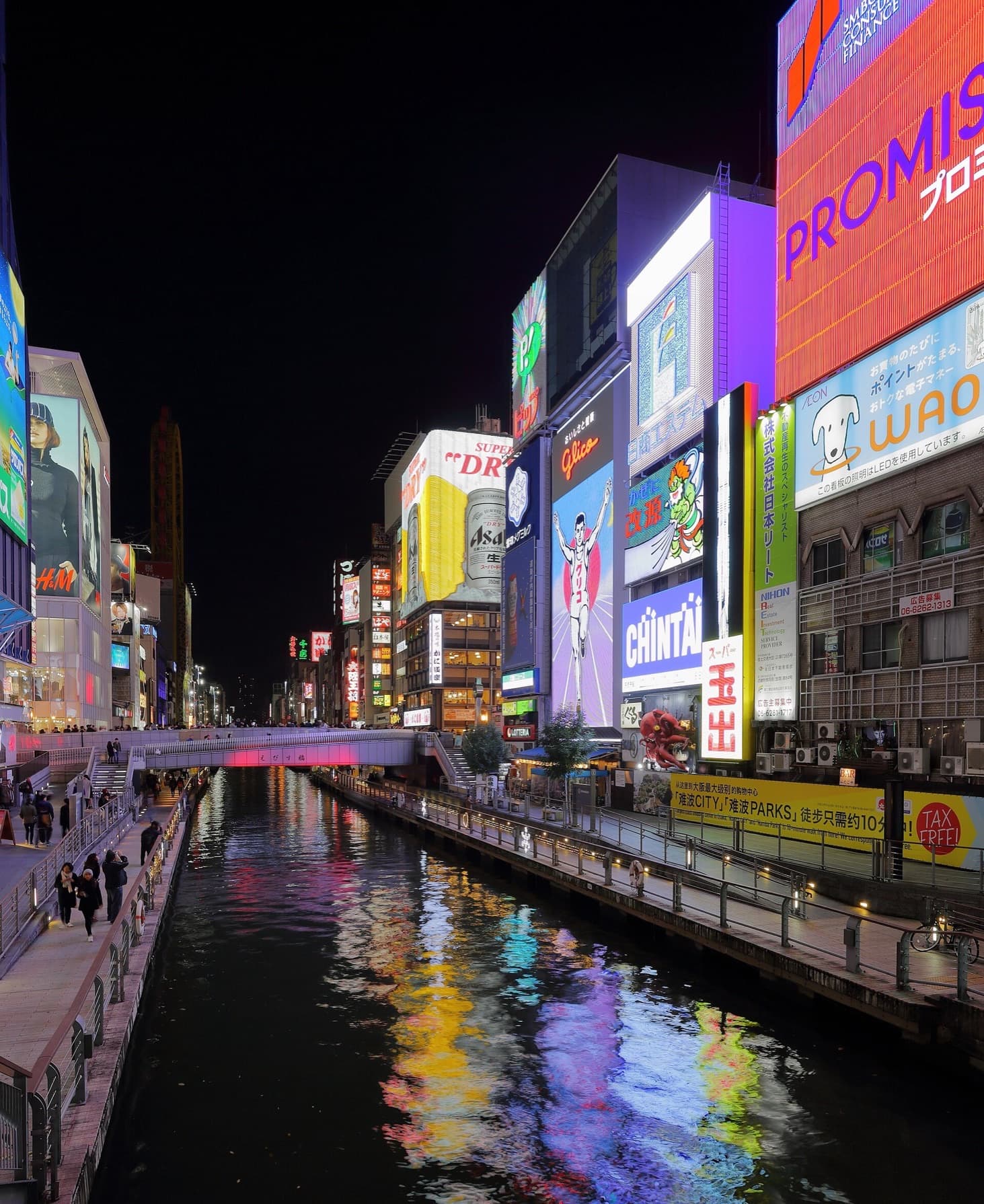
Osaka Is Not a Kyoto Appendix
Loud, generous, and unpretentious: Osaka is where Japanese food culture stops performing for export.
6 min · Jun 2, 2026

The Honeymoon for People Who Do Not Want a Honeymoon Resort
Not everyone wants a cabana.
3 min · Nov 5, 2025
The Couple Trip That Reveals Everything
If the relationship survives packing, it can survive anything.
3 min · Jul 10, 2025
The Best Luxury Trip Is Sometimes the Least Instagrammable One
The phone makes luxury performative. Some trips resist that.
3 min · Jul 5, 2025