
Osaka Is Not a Kyoto Appendix
Japan’s kitchen deserves its own nights: not a day trip between temples.
Opening thesis
Osaka is routinely filed under Kyoto as a day trip or a late-night detour. That filing error costs you the city where Japan’s food culture is loudest, least export-polished, and often most welcoming to travelers who arrive hungry without a performance script.
Tokyo teaches precision. Kyoto teaches contemplation with a menu.
Osaka teaches portion generosity, direct humor, and the municipal idea that eating until you are happily ruined is a reasonable Tuesday. For Japanese American and broader diaspora travelers, Osaka can feel like relief: less aesthetic pressure, more warmth at the counter, fewer rooms where you worry about getting one ritual wrong and failing a test nobody explained.
This is a food guide, not a castle checklist. You do not need to see every neon sign in Dotonbori to earn Osaka.
You need to eat seriously in two neighborhoods, sleep without guilt, and decide whether Kyoto belongs in the same trip as a neighbor or as a separate journey entirely.
If you read one linked guide after this, read our Kyoto couples piece or Tokyo flagship depending on whether you are building a multi-city week or an Osaka-first appetite trip.
Osaka versus Tokyo
Tokyo rewards observation before participation. Osaka rewards participation and trusts you to catch up.
Service can feel faster and louder; portions often run larger; the city assumes you came to eat, not to admire restraint.
That difference matters for diaspora travelers who loved Tokyo but felt tired from its context-reading demands. Osaka is not easier Japan in a reductive sense.
It is a different contract: less ceremony at many casual rooms, more tolerance for enthusiasm at the table.
You will still queue, still pay cash sometimes, still benefit from basic Japanese phrases. The emotional tax is lower for many first-time visitors to Kansai.
Save Tokyo precision for another trip or for the second half of a long week if you are doing both.
Compare cities by what you want to learn: Tokyo for depth and repetition, Osaka for appetite and neighborhood energy. Neither ranking is maturity. Both are appetite maps.
Dotonbori without the trap
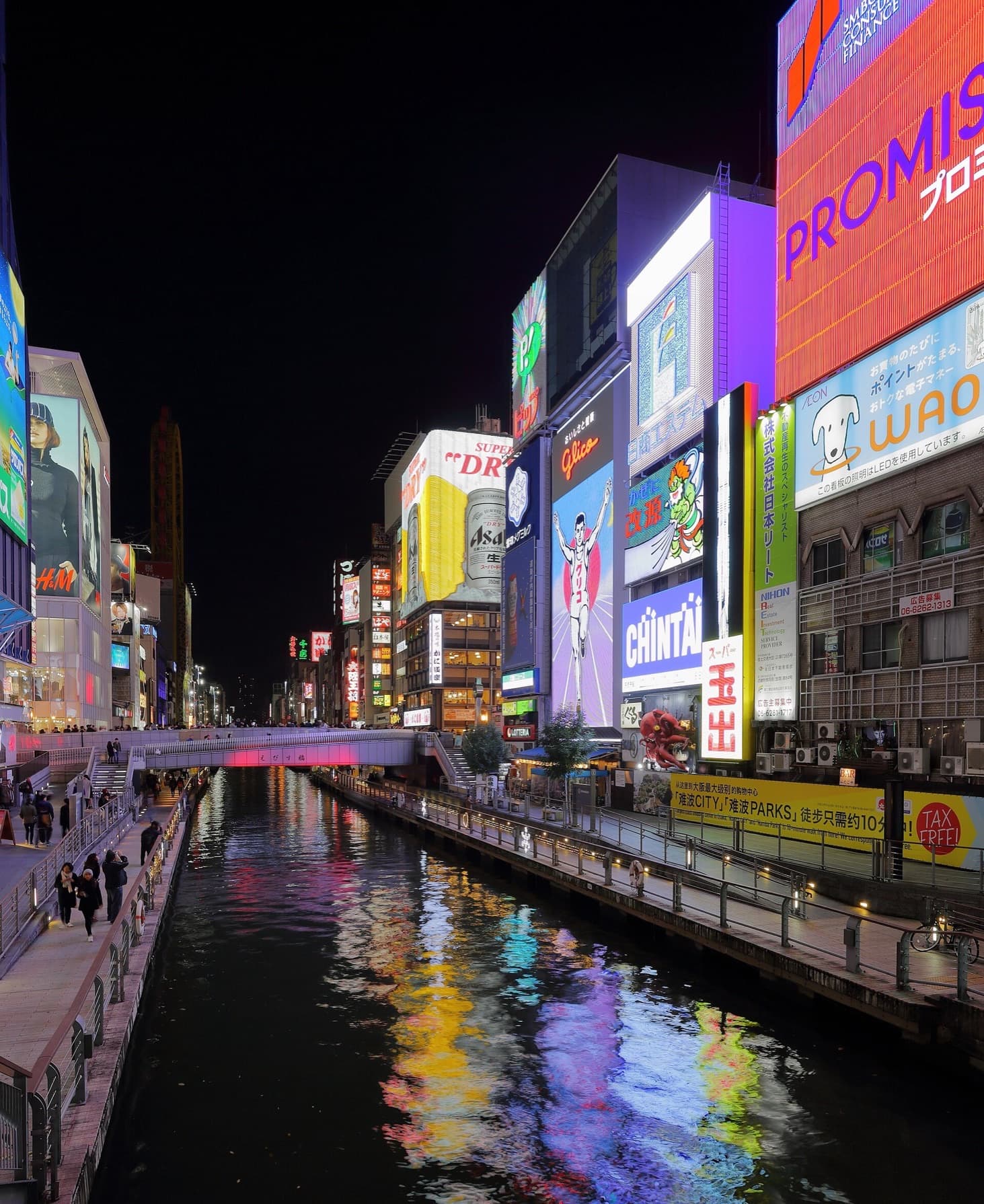
Dotonbori at night is sensory overload by design: neon, canal reflections, takoyaki smoke, crowds that move like a school of fish toward the next bright sign. It is valid as a first-night orientation.
It is not valid as your only Osaka food map.
Walk the main strip once for context. Then drift one block parallel in either direction and watch where locals queue without English menus. Busy lines remain data. Empty counters at peak dinner hour mean something too.
Takoyaki and okonomiyaki stalls on the main drag can be fine, especially if you accept that you are paying for location as well as flavor. The editorial move is to eat there once, then hunt the same categories in neighborhoods where office workers eat on Thursday, not only where tour groups eat on Saturday.
Dotonbori is the trailer. Kuromon, Namba backstreets, and the kushikatsu alleys are closer to the film.
Kuromon and morning logic
Kuromon Market rewards early arrival before tour groups compress the aisles. Think breakfast grazing: grilled seafood on sticks, fruit in season, small portions that add up to a meal without a formal sit-down reservation.
Morning markets teach Osaka pace differently than night neon. You see vendors prep, regulars banter, the city feeding itself before the performance layers switch on.
For jet-lagged arrivals, this is often the best first food education, standing, sampling, adjusting to yen and portion size without a two-hour dinner commitment.
Do not treat the market as a checklist of every stall. Pick three stops with lines or with product that looks cared for. Repeat what worked tomorrow instead of chasing coverage.
Cash still appears. Bags and eating-while-walking etiquette vary by stall, watch locals. Osaka forgives enthusiasm more than Tokyo; it still notices manners.
Okonomiyaki and kushikatsu
Two Osaka categories explain the city faster than any single Michelin line: okonomiyaki cooked on a griddle in front of you, and kushikatsu deep-fried on sticks with sauce rules that are serious even when the room is casual.
Okonomiyaki is interactive without being precious. You choose fillings, watch the flip, share from the same hot surface.
It is couple-friendly, family-friendly, and solo-friendly in ways formal sushi counters are not. Order once, learn your tolerance for mayonnaise and bonito flakes, adjust on round two.
Kushikatsu alleys run on repetition and local loyalty. Sauce double-dipping is often prohibited, read the sign or watch the table next to you.
The food is not subtle. That is the point.
Osaka uses fried skewers and savory pancakes as hospitality language, not as irony.
You do not need the most famous name online. You need a room that smells right and turns tables because neighbors keep coming back.
Kyoto day trip reality
Many travelers stay in Osaka and day-trip to Kyoto for temples. That can work if you accept commute time and the fact that Kyoto deserves more than one tired afternoon wedged between breakfast in Namba and dinner back in Dotonbori.
If you have only one day for Kyoto, pick one district: not six gates. Fushimi Inari at dawn or Nishiki Market at lunch, not both plus Arashiyama unless you enjoy suffering as tourism.
If you have three or more nights, split cities honestly: two bases or one base with one full Kyoto day and no guilt about skipping the rest until trip two. Osaka as hotel suburb for a Kyoto-only itinerary undersells Osaka and exhausts everyone.
The shinkansen and regional rail make same-day hops possible. Possible is not always wise. Food trips fail when every day is cross-city homework.
Diaspora warmth
Export Japanese pop culture often centers Tokyo aesthetics and Kyoto temples. Osaka’s directness, humor, and kitchen culture get less international branding, which means many diaspora travelers arrive without inflated expectations.
That under-branding is an advantage. You may feel recognized at a counter sooner, or you may feel visible in different ways depending on language and context.
Neither is a verdict on belonging. Osaka is busy feeding itself, not adjudicating your identity.
Japanese American travelers sometimes report Osaka as the city where Japan felt least like a test and most like a conversation. Notice what your family narrative included and omitted. Update gently.
Heritage performance is optional here in ways Kyoto sometimes makes feel mandatory. Eat. Listen. Go back to the same alley hungry on night three.
Closing takeaway
Leave with one alley you would return to without an audience: not a castle photo you barely remember between train transfers.
Osaka is not a Kyoto appendix. It is Japan’s kitchen at full volume, best heard over a griddle hiss and a beer pulled after standing in a line you chose because it smelled right.
Repeat one okonomiyaki style. Repeat one market morning. Let Kyoto wait if this trip’s thesis is appetite. You can always go back for contemplation when your stomach and your schedule both have room.
Related stories
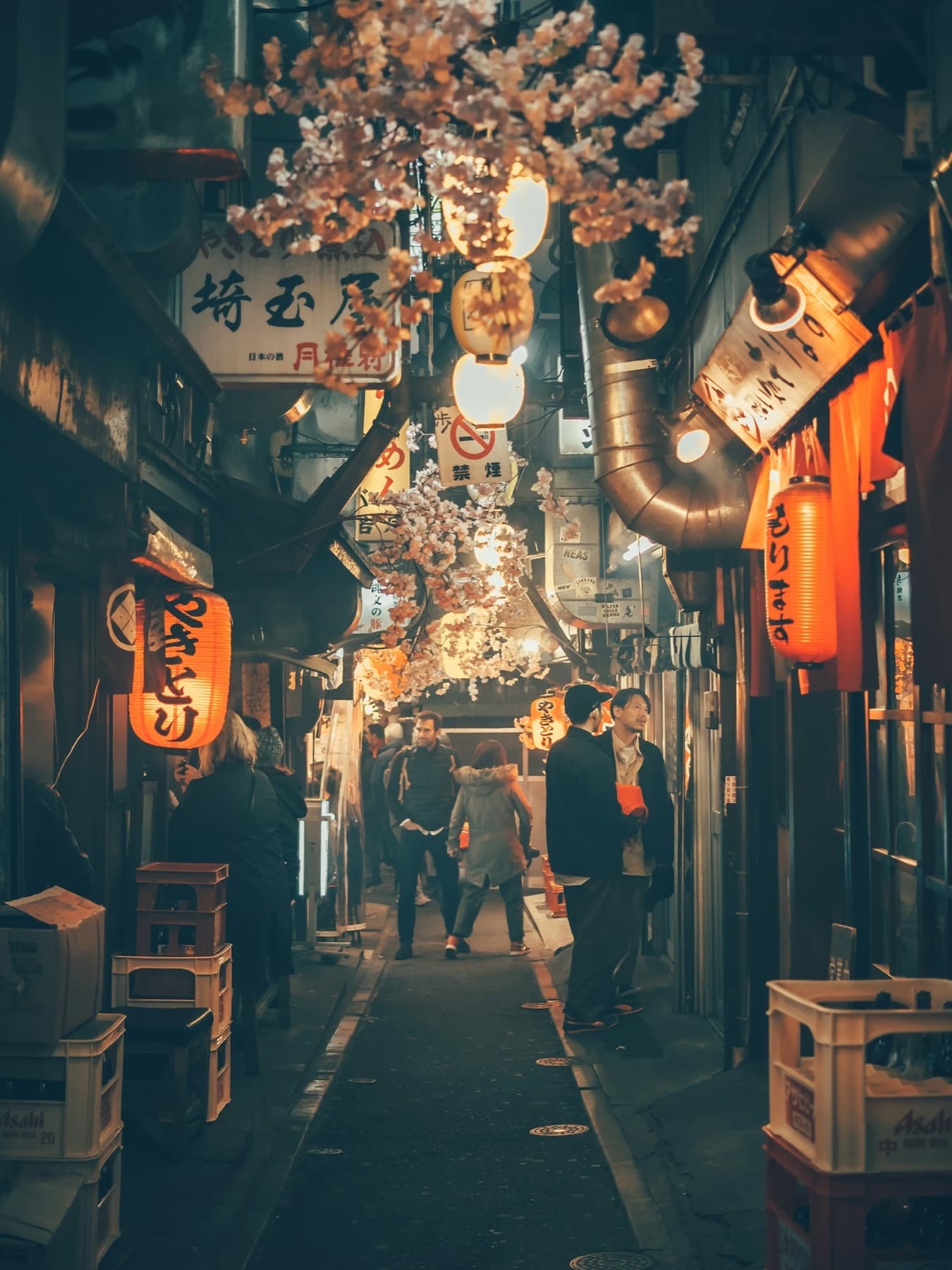
Tokyo Is Not a Beginner City, and That Is the Point
Tokyo punishes checklist tourism and rewards travelers who can tolerate not seeing everything.
8 min · Jun 1, 2026
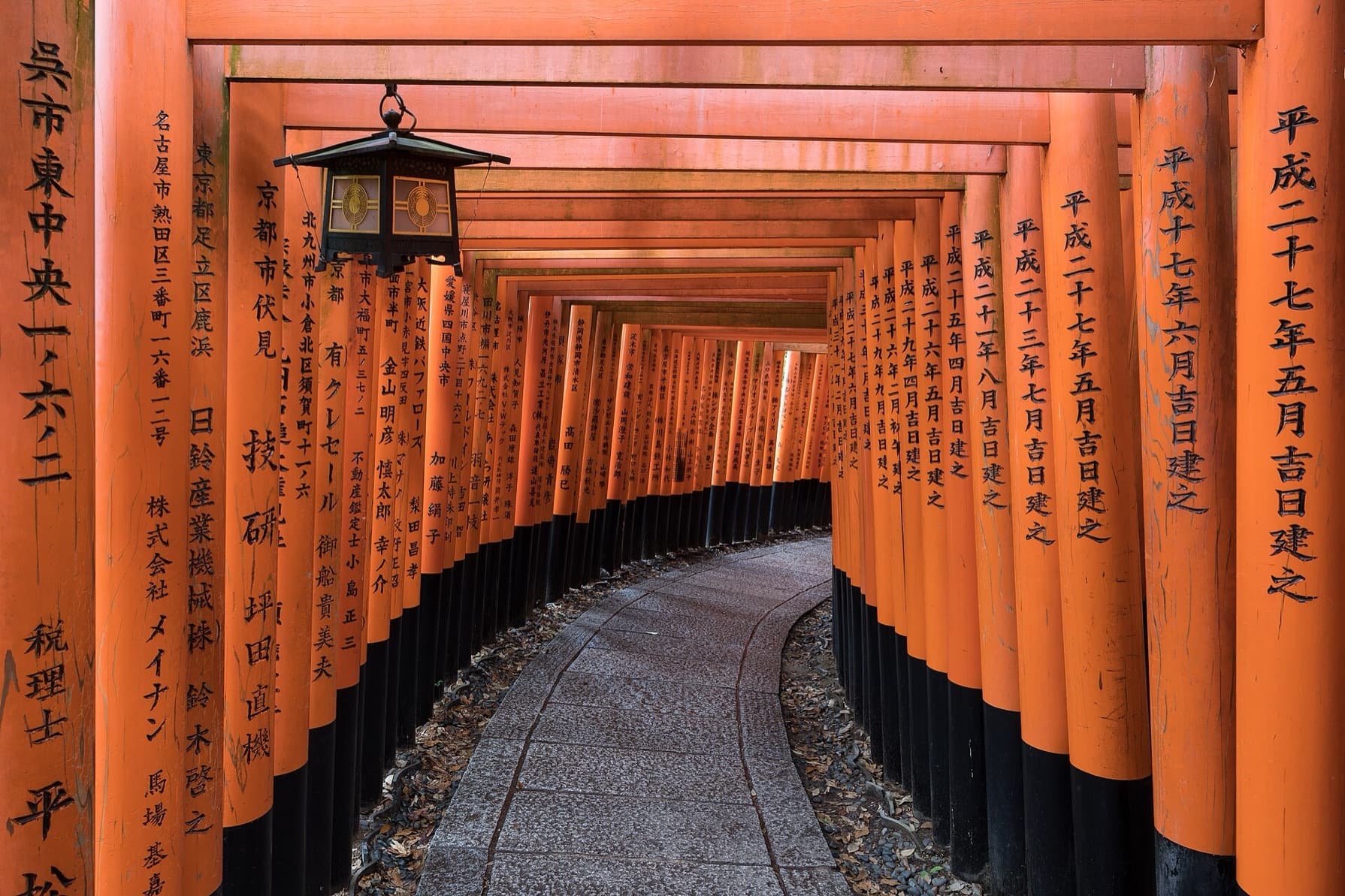
Kyoto for Couples Who Hate Checklist Romance
Couple trips here work when you stop performing contemplation and start sharing pace.
6 min · Jun 2, 2026
The Case for Planning a Trip Around One Reservation
One hard-to-get table can organize an entire itinerary with purpose.
3 min · Apr 5, 2026
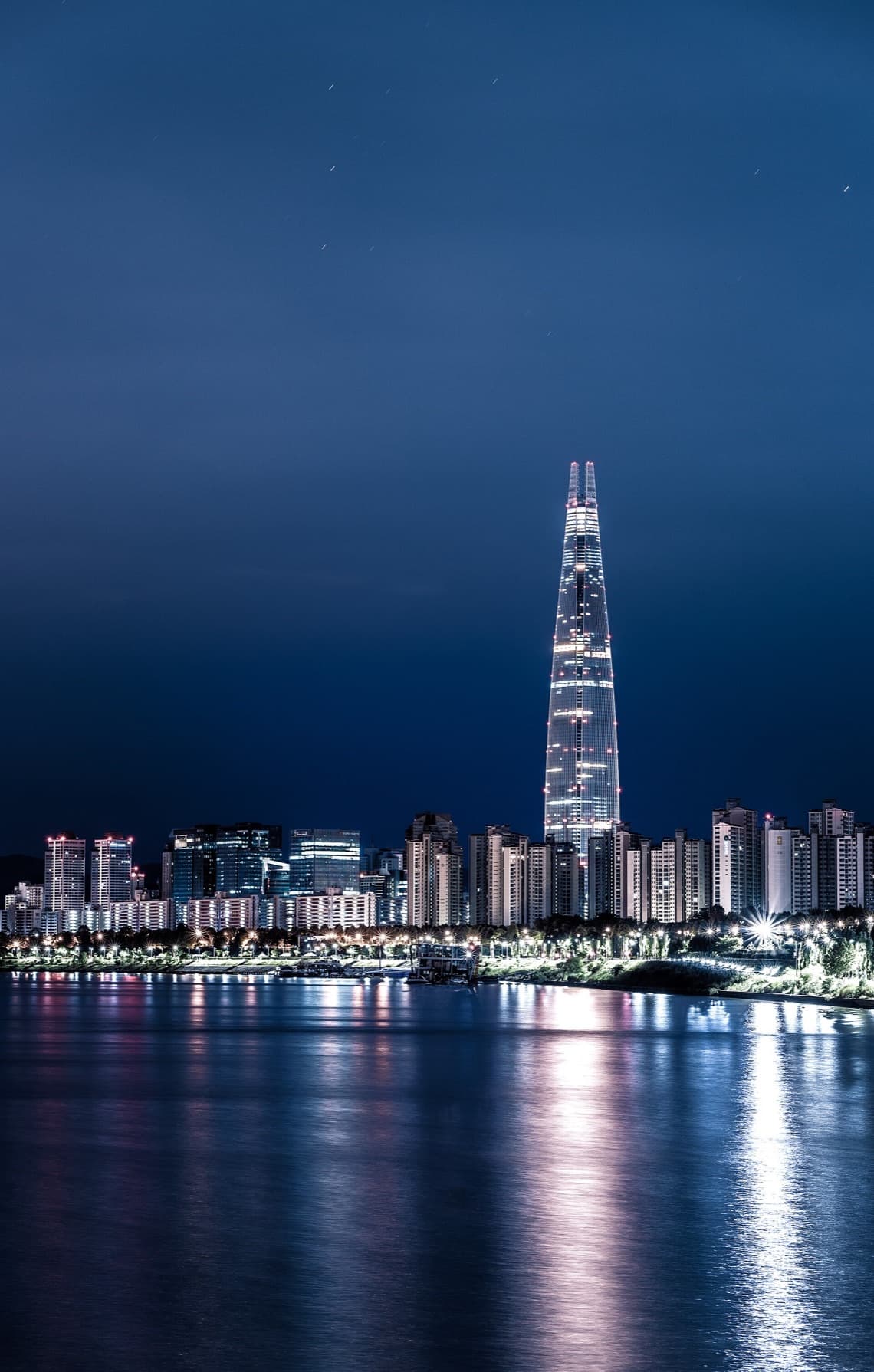
Seoul After the Hype Cycle
Beyond the export narrative: neighborhoods, markets, and meals that reward travelers who skip the trend checklist.
8 min · May 18, 2026