
London Diaspora Weekends: Southall, Chinatown, and the City Beyond the Thames
Where South Asian, East Asian, and Caribbean London actually eats: not the West End brochure.
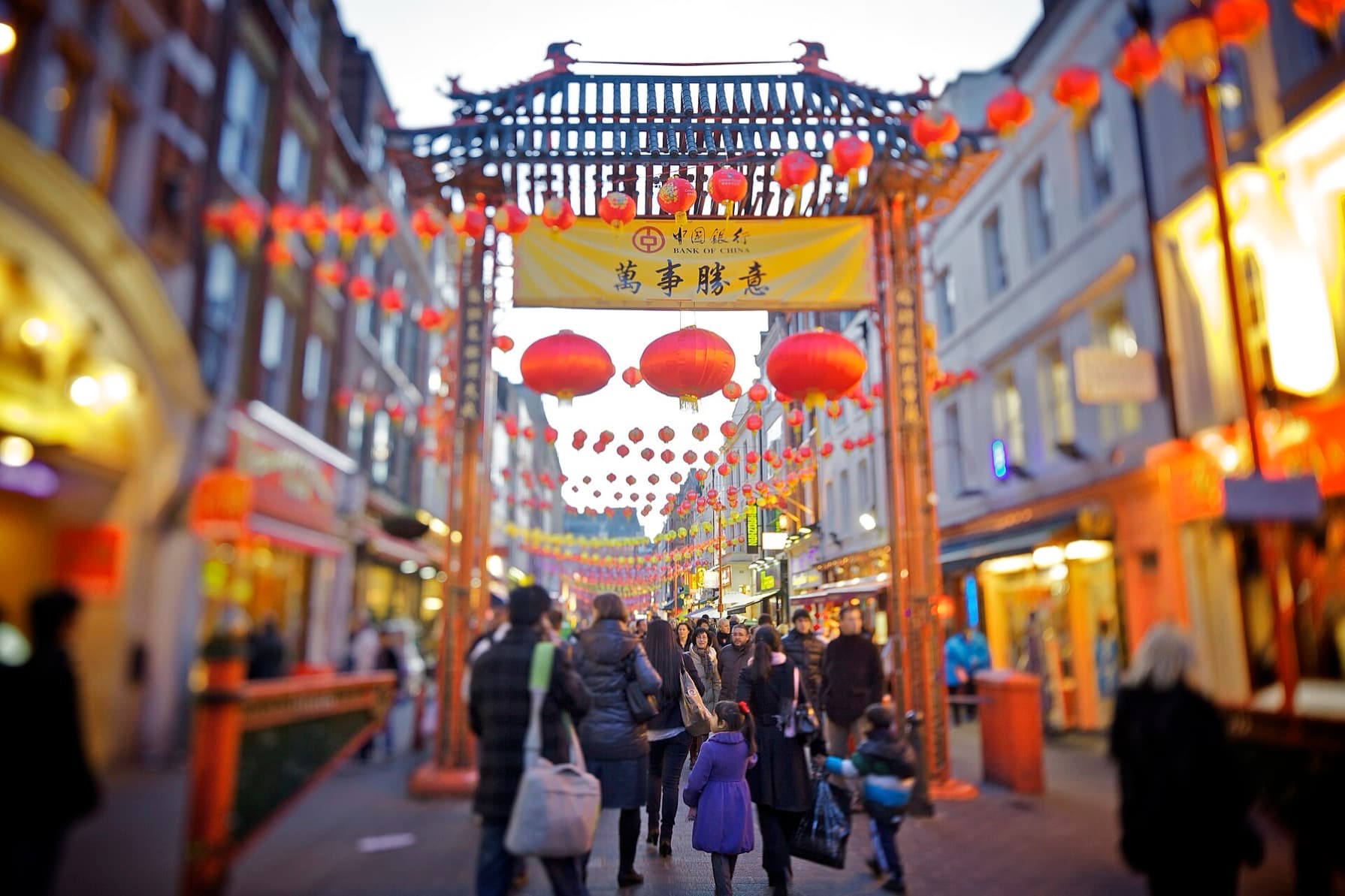
London as diaspora atlas
London is where multiple diasporas share a transit map without sharing a single neighborhood story. South Asian London, East Asian London, Caribbean London, and the newer pockets that follow post-war migration patterns all coexist, which is why the city breaks travelers who treat Zone 1 as the trip.
For Asian diaspora travelers from North America, London often feels like relief: English signage, museums that work in rain, food corridors that do not require you to be the only outsider at the counter. That ease is real.
It is also not the whole city.
The diaspora weekend argument is borough-scale. You are not visiting London.
You are visiting two or three Londons that happen to share an Oyster card. Pick corridors that match your actual appetite.
Punjabi west, Cantonese central, Vietnamese or Korean east, and repeat one of them.
Compared to Paris glamour or New York density, London’s diaspora power is spread out. That spread rewards planning and punishes ambition. Two neighborhoods done well beat six neighborhoods photographed once.
Southall and west London
Southall is often the meal that justifies a transatlantic flight for travelers who care about Punjabi London at weekday density. It is not a decorative stop between museums.
It is lunch-hour commerce, fabric shops, sweet counters, and the kind of ordinary excellence that diaspora cities produce when a community has decades to settle.
Go hungry and early if you hate queues. Go with time to walk side streets without a checklist. Southall works when you treat it as a destination, not as diversity tourism between Hyde Park and a West End show.
West London includes other South Asian pockets and the layered histories that follow rail and post-war migration. Do not conflate all of it into one meal type.
Ask what you want, vegetarian depth, grill smoke, bakery cases, and plan geographically.
If your family tree connects to South Asia, Southall may feel emotionally loud. If not, it still teaches how London eats when the brochure is irrelevant. Both are valid reasons to be there.
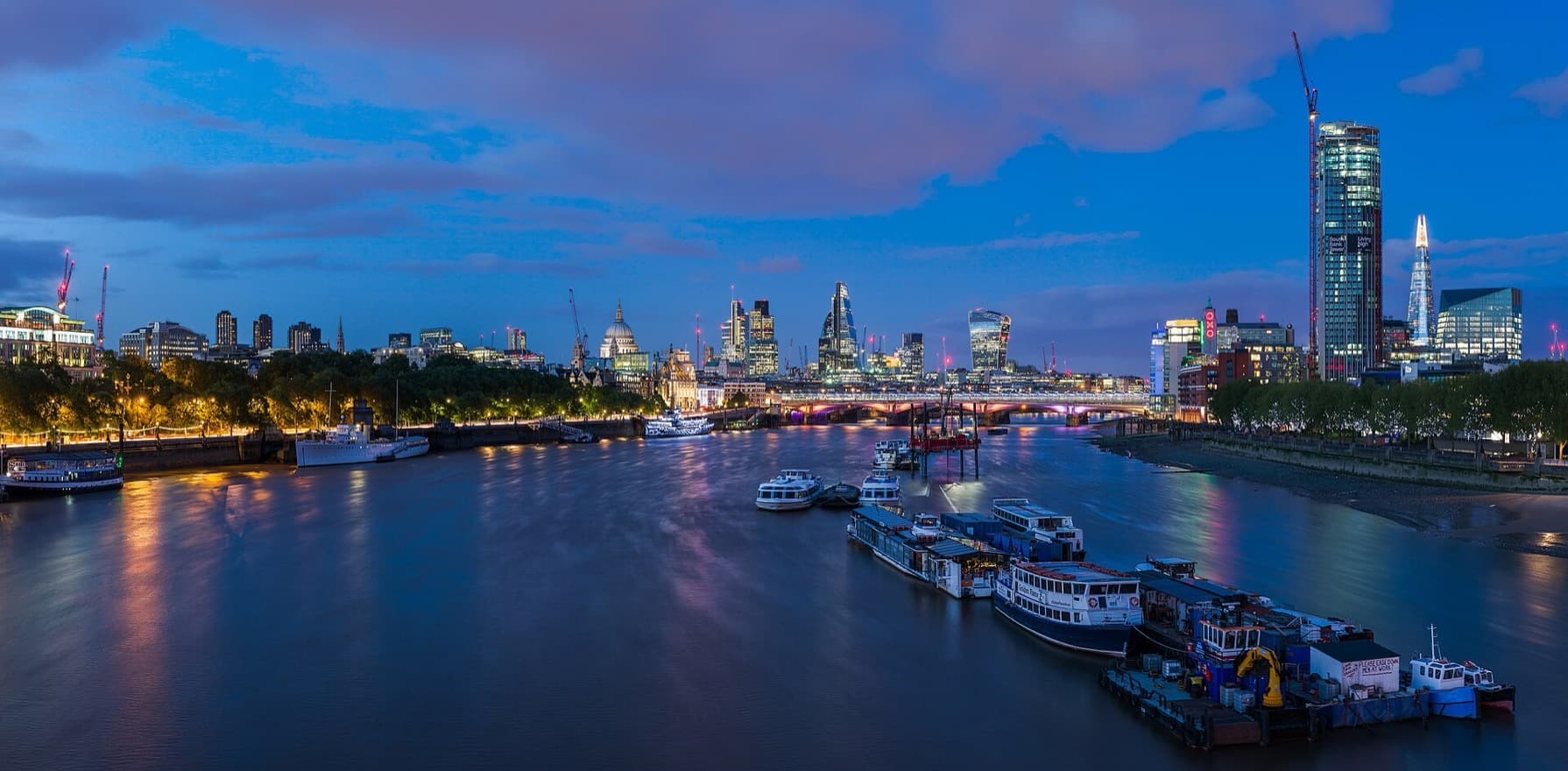
Chinatown and Soho edges
Central London Chinatown is smaller than Vancouver or New York equivalents but older in the European imagination. It is useful for a first orientation and for Cantonese foundations that shaped British Chinese life: not as the only Asian London you need.
Walk it at lunch, not only at night when theater crowds compress the streets. Notice bakery logic, supermarket aisles, and which restaurants serve workers on break versus tourists on schedule.
Soho and nearby edges carry newer East Asian energy. Korean, Japanese, Taiwanese pockets that follow student and professional migration rather than nineteenth-century port logic.
You can eat across multiple Asian Londons in one day if you accept transit time; you probably should not on a short weekend.
Chinatown here is chapter one, not the book. The diaspora atlas expands outward on the Tube lines you already paid for.
East and southeast Asian pockets
Beyond central London, Vietnamese, Korean, Japanese, and broader East Asian communities cluster where housing, work, and grocery supply chains allowed them to, often farther from postcard zones than first-time visitors expect.
That distance is not a flaw. It is how London actually works.
East and northeast corridors can carry restaurant density that feels closer to Queens than to Westminster. Research by community and cuisine, not by landmark proximity.
For diaspora travelers, these pockets may feel like home-adjacent rooms: familiar ingredients, different rent pressure, English mixed with languages you half-understand. Listen more than you perform belonging.
Build one meal here into the weekend even if it costs forty minutes on the Overground. The return trip is often the meal you talk about after the museums fade.
South Asian corridors
Brick Lane carries history and hype in equal measure. It is worth understanding as a story of Bangladeshi London even when the street itself feels compressed by tourism and change.
Go with context, not with expectations of secret discovery.
Broader South Asian London spreads across west, north, and outer zones. Gujarati vegetarian depth, Sri Lankan counters, Pakistani grill rooms, the ordinary plurality that makes "curry" an useless word for planning.
Family trips often center the corridor someone remembers from university years or cousin visits. Honor that memory with one afternoon, then build the rest of the weekend around food you choose as an adult.
Do not treat South Asian London as one cuisine or one neighborhood. The city is too large for that shorthand, and diaspora travelers know better than to accept it.
Transit without heroics
The Tube is the weekend spine. Learn which lines connect your food map without heroic transfers at rush hour.
Oyster or contactless payment keeps the friction low; standing on the right on escalators keeps the friction social.
Uber helps when rain, fatigue, or a parent knee makes another transfer feel cruel. It is not failure. It is pacing.
Heathrow and Gatwick both connect by rail with different tradeoffs, time, cost, luggage stairs. Build arrival day around one neighborhood near your hotel, not a cross-town reservation you will hate yourself for keeping.
London rewards travelers who stop treating transit as an obstacle between sights and start treating it as the sight, overheard languages, grocery bags on knees, the ordinary proof that diaspora cities move by rail.
Compared to New York
New York compresses diaspora life into walking distance at 2 a.m. London spreads it across zones and still delivers, differently.
The comparison is not which city wins. It is which city matches your weekend length and walking tolerance.
Flushing versus Southall is a useful mental pair: both justify flights, both punish checklist tourism, both require you to eat sitting down twice before you opine. Manhattan versus Zone 1 is the trap in both cities.
Asian American travelers often know New York first. London feels gentler and farther apart. Use that gentleness for family pacing, not as an excuse to stay only in museum districts.
If you leave London having eaten seriously in two corridors and slept without shame, you beat most first visits, regardless of how New York would have scored on density.
Closing takeaway
Pick two neighborhoods. Repeat one bakery or sweet shop. Let rain cancel one outdoor plan without canceling the trip’s meaning.
London diaspora weekends are not about performing Europe. They are about recognizing that the city already belongs to multiple homelands, and that your job is to eat in one of them with respect, not to collect ethnic meals like stamps.
Leave with a Tube line you understand and a corridor you would fly back for. That is enough architecture for a first diaspora weekend. Everything else is trip two.
Related stories
London Is the Easiest European City for Asian Diaspora Travelers to Understand
London is where Europe stops feeling like a test.
6 min · May 15, 2026
New York Is Still the Diaspora Weekend Standard
Every diaspora city is compared to New York eventually.
3 min · Mar 12, 2026

Vancouver Is the Asian Diaspora City Americans Underestimate
The most Asian city in North America is not in California.
4 min · Apr 22, 2026
Toronto Diaspora Weekends Start in Scarborough, Not the CN Tower
Toronto’s diaspora weekend is suburban in geography and serious in appetite.
5 min · Jun 1, 2026