
Service, Privacy, Status: What Luxury Means Across Cultures
Why the same hotel feels different depending on who you are.

Privacy
Privacy expectations differ by culture in ways star ratings never capture. Gulf properties sell visible scale and choreographed arrival; Japanese ryokan sell invisible competence; European grand hotels sell discretion; American luxury sells friendly performance that can feel intrusive if you grew up valuing quiet efficiency.
Know which culture you booked before you misread silence as snub or chatter as warmth. Staff who anticipate without hovering feel expensive. Staff who narrate every towel fold feel cheaper, regardless of thread count.
Late checkout handled without speech is the privacy test. So is room entry that respects do-not-disturb without follow-up calls "just checking."
Asian diaspora travelers
Many diaspora travelers read service through immigrant pragmatism and class mobility, efficiency valued over theater, problems solved quietly over apology tours that delay resolution. Hovering feels cheaper than anticipation.
Visible honor rituals can feel performative if you grew up watching parents tip for competence, not for pageantry.
Lounge access may mean nursing privacy, not status flex. Housekeeping at 8 a.m. when elders are sleeping is not luxury; it is schedule violence.
Book properties whose service dialect matches how your family actually defines respect, not how a brochure defines grandeur for someone else’s audience. Read recent guest complaints about noise and housekeeping timing, they reveal service culture faster than lobby photos.

Gulf versus Japan
Dubai sells marble you can photograph; Tokyo sells water pressure you notice at 6 a.m. and a checkout process that never begs for a review. Both are luxury; they are not interchangeable products with different wallpaper.
Do not expect Gulf scale in a Kyoto machiya inn. Do not expect Japanese restraint at a Las Vegas flagship where silence reads as failure. Compare hospitality cultures, not price tags.
The same nightly rate buys different status languages. Choose the one that matches whether you want to be seen, or to disappear into competence.
A Ryokan manager who remembers your allergy without card notes beats a gold lobby any week.
Europe
European service can feel brusque to Americans and warm to Nordics who prefer minimal speech. Context matters more than star count or thread count on sheets.
Tipping rules vary country by country, budget accordingly instead of importing home logic that creates awkwardness at checkout.
Discretion is often the luxury product: small lobbies, keyed elevators, staff who remember your name without performance. Paris and London reward travelers who read formality as professionalism rather than hostility.
Ask for what you need directly. European excellence often responds better to clarity than to hinted disappointment.
Small boutique hotels in Amsterdam and Zurich often outperform flagship names on quiet competence if privacy is your luxury product.
Practical takeaway
Choose hotels that match your service dialect this year, not the one Instagram says you should want because a influencer filmed a bathtub. If you need nursing rooms, prayer space, wheelchair routing, or halal meal timing, verify operations before aesthetics.
Status is local language, fluent booking beats impressive photography. Ask one specific question before paying: how do they handle early arrival bags, late checkout, and room-ready timing without phone-tag?
The answer tells you whether you bought privacy or only bought marble. If staff cannot answer that question clearly at booking, assume you bought photography backdrops and plan your patience accordingly.
Service dialect is worth more than thread count on sheets you will sleep through anyway.
Related stories

The Top 5 Airports in Asia for 7+ Hour Layovers
Seven hours at the wrong airport is misery. At the right one, it can be a shower, a meal, and a reason to reroute next time.
5 min · Jul 4, 2026
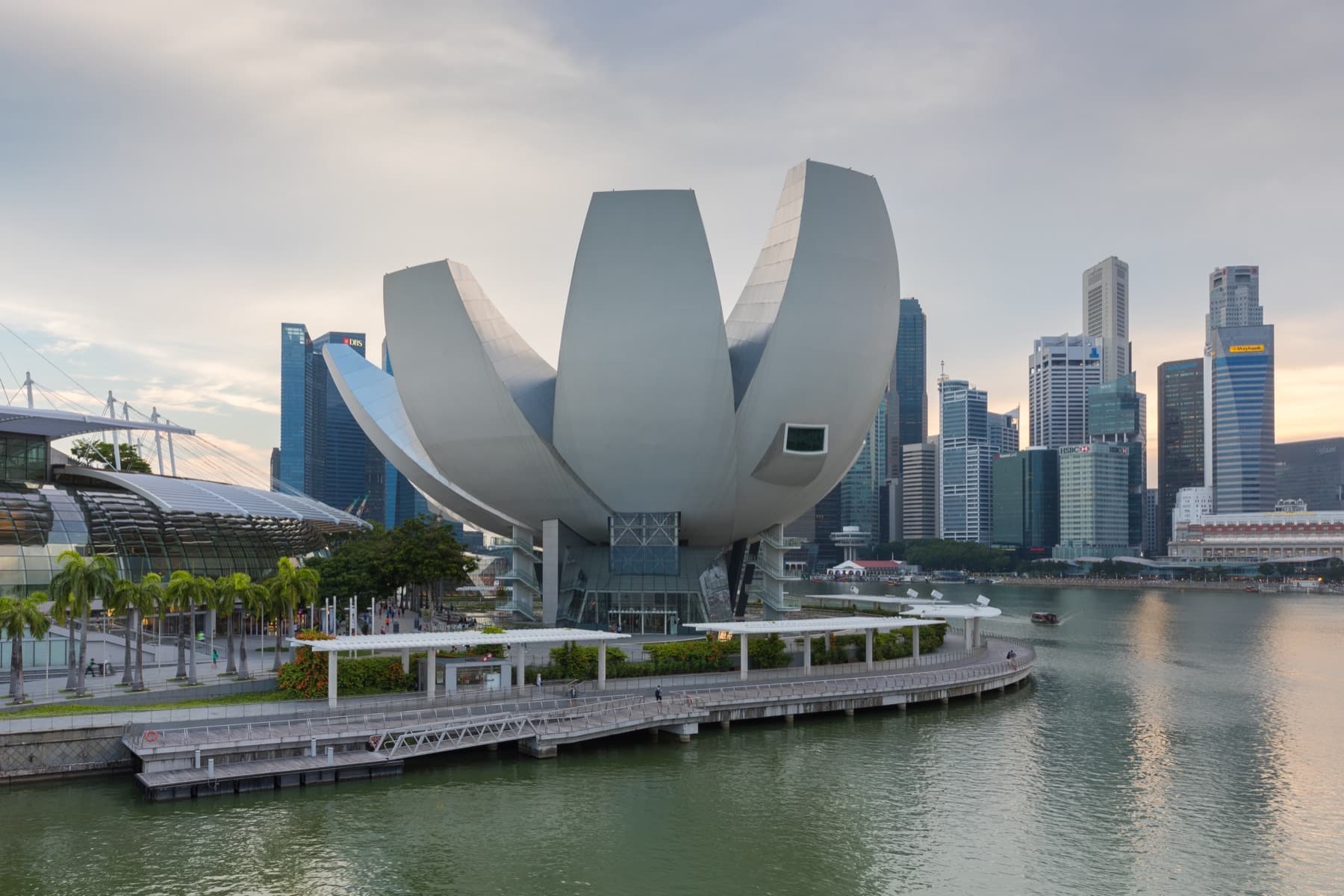
Singapore Is Not Sterile If You Know Where to Look
The city-state is curated, yes. It is also one of the world’s most serious eating capitals.
3 min · May 8, 2026

The Layover Is a Taste Test
Six hours in the right airport can change your route map.
3 min · May 10, 2026

The Singapore Layover That Becomes a Weekend
Singapore is the rare hub where a layover can rewrite your route map, if you plan time and luggage honestly.
4 min · Jun 7, 2026