
STARLUX’s Fast Rise Starts With an Ousted EVA Chairman
Chang Kuo-wei left EVA after a 2016 succession fight, founded STARLUX in 2018, flew in 2020, listed in 2024—and opened Europe from Taipei in August 2026.
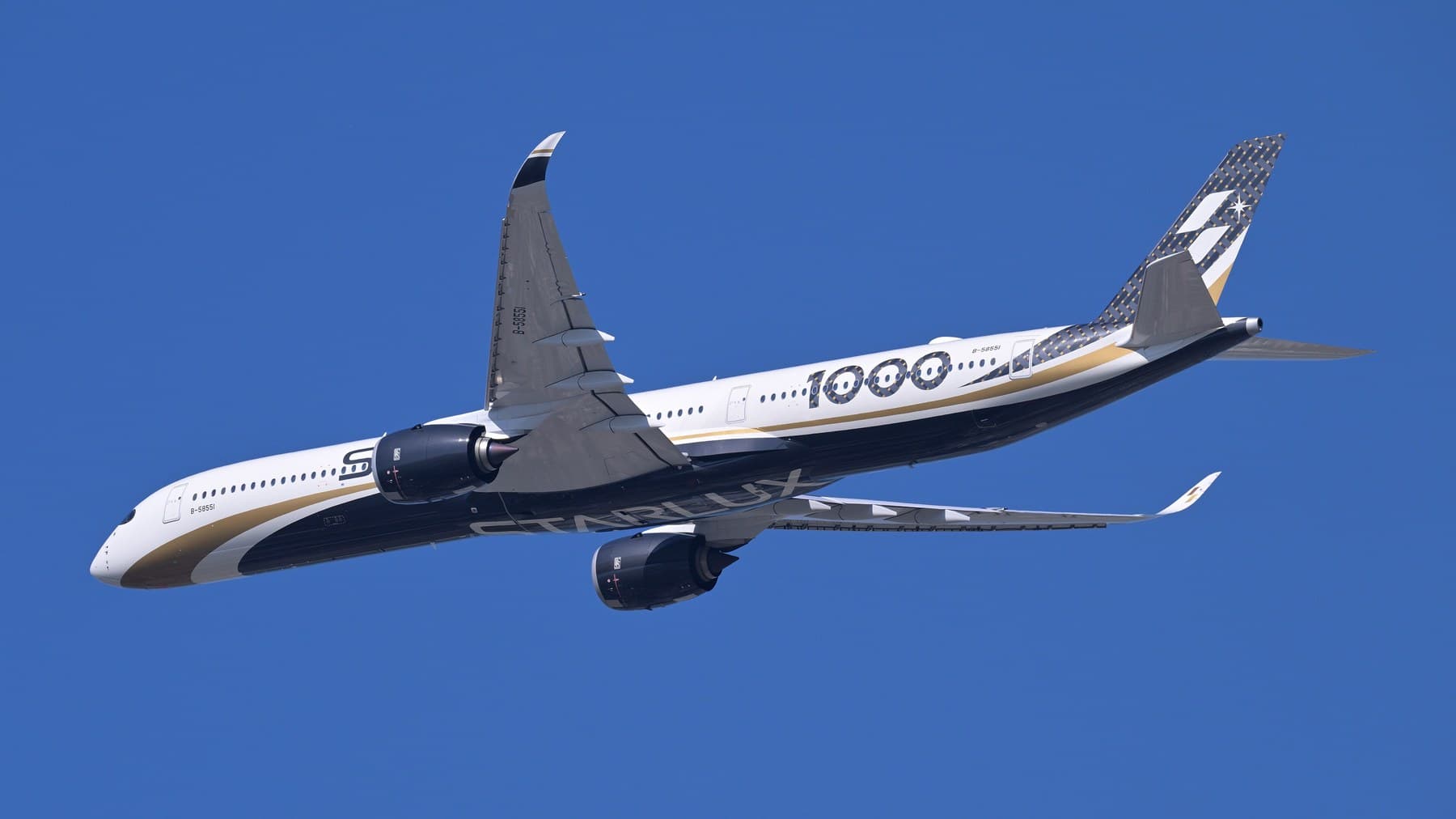
The overnight feeling
If you fly the Pacific with any regularity, STARLUX can feel like a brand that arrived fully formed.
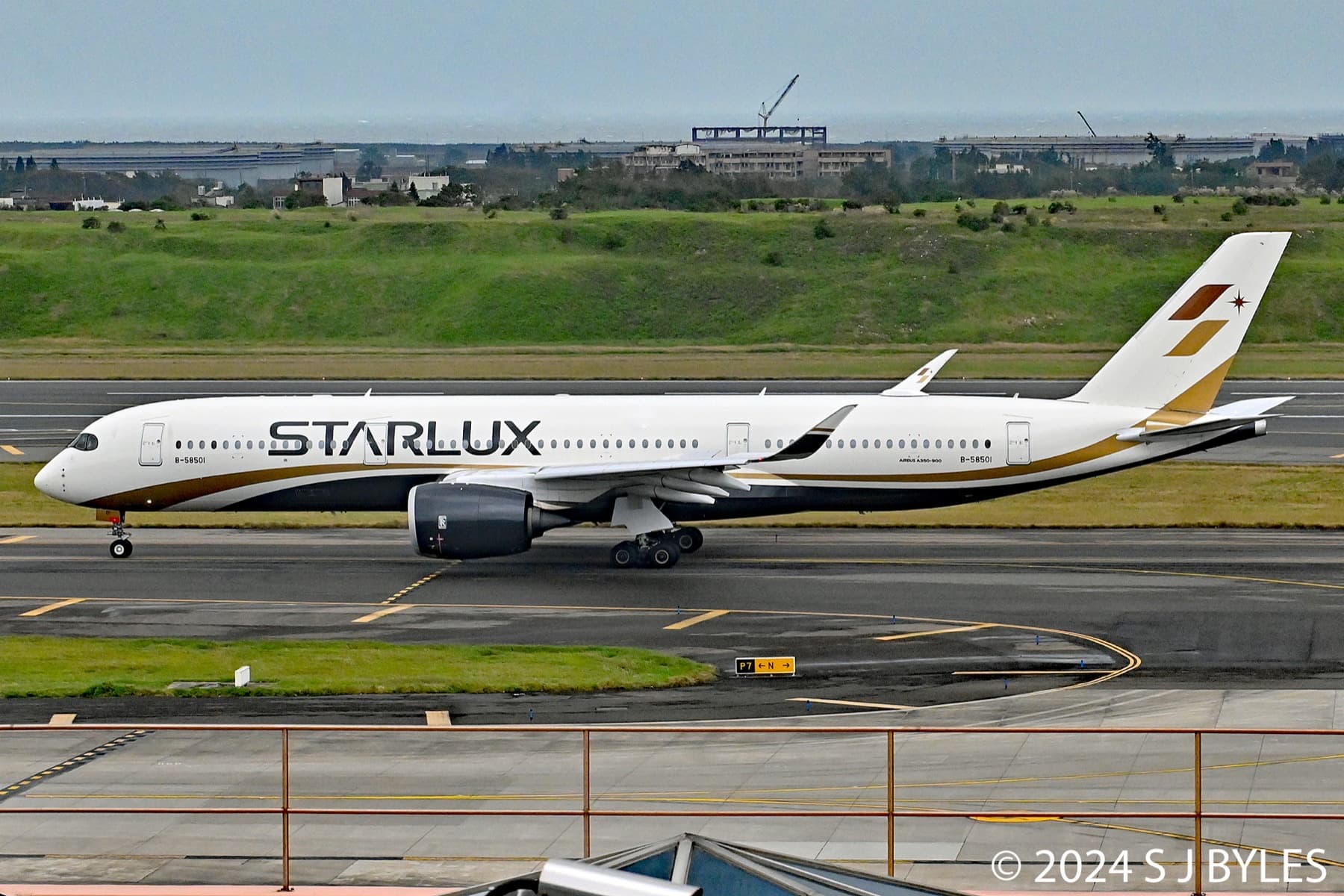
One year you are comparing China Airlines and EVA Air on the usual Asia city pairs. The next, a gold-and-slate Airbus with a star-flecked tail is selling First Class, door-equipped Business seats, and a Cosmile login—then showing up on Los Angeles, San Francisco, Seattle, Ontario, and Phoenix boards, and, as of August 1, on a Taipei–Prague nonstop.
That is the traveler experience of a company that compressed a founding story into the span of one phone upgrade cycle. The brand felt sudden because most of us met the finished product first.
An EVA chairman, then a boardroom exit
The founder is Chang Kuo-wei—K.W. Chang in English press—a trained pilot and the youngest son of Chang Yung-fa, who built Evergreen Group and EVA Air into Taiwanese industrial fixtures.
Chang Kuo-wei chaired EVA from 2013 to 2016. After his father died in January 2016, reporting described a sealed will that named him successor to the group chairmanship and primary heir to his father’s personal fortune. His older half-brothers held the voting power that mattered inside the companies. In March 2016, while he was flying an EVA service, the board removed him as chairman.
Local media reached for Hamlet. STARLUX’s communications team told CNN Travel before launch that Chang rejected the revenge framing—he wanted to build an airline that matched his idea of the job after leaving Evergreen’s constraints. Treat the Shakespeare as color that stuck to the story, not as the company’s preferred autobiography.
What travelers need from that chapter is simpler: the person who later built STARLUX already knew Taiwanese long-haul from the inside—maintenance floors, line flying, and the chairman’s office—before he ever filed for a new carrier.
2018 to 2020: from paperwork to first wheels-up
STARLUX registered under that name on May 2, 2018. Revenue flying began January 23, 2020, with Chang on the maiden flight deck—Taiwan’s first new major international airline in roughly three decades, as CNN framed the pre-launch moment.
The timing looked cursed on paper. A boutique full-service startup opened into the pandemic. The company kept metal flying, leaned on cargo and regional recovery, and kept ordering Airbus jets instead of waiting for a perfect macro window.
Eleven minutes after tickets went on sale for the first Macau, Penang, and Da Nang flights in December 2019, those inaugural departures sold out—early proof that curiosity and premium positioning could fill a cabin even before the long-haul map existed.
The product bet, without the brochure voice
STARLUX’s pitch has been consistent: boutique full-service, not a fare war. Cabins designed with BMW’s Designworks studio. An all-Airbus fleet that grew from A321neos into A330neos and A350s, including the longer A350-1000 metal that now defines the brand’s long-haul look.
For a booking decision, translate that into three practical filters. Expect fares that often sit a notch above the cheapest Taiwanese alternative when inventory is honest. Expect a four-cabin long-haul product on the big jets, including a tiny First cabin that matters more as a differentiator than as a volume play. Expect a loyalty stack—Cosmile—that is still younger than EVA’s Infinity MileageLands or China Airlines’ Dynasty, so elite reciprocity and partner depth deserve a hard look before you move a lifetime of miles.
None of that makes STARLUX automatically “better.” It makes the airline a third grammar on routes where Taiwan used to feel like a two-carrier choice.
The map that made the brand feel real
North America is where many Pacific-desk travelers first noticed the airline as more than a regional curiosity. By mid-2025, STARLUX’s U.S. story already included Los Angeles, San Francisco, and Seattle, with Ontario, California, joining on June 2, 2025, as a second Los Angeles Basin door on A350 metal. Phoenix followed in the same expansion wave; carrier and airport materials in early 2026 were selling five U.S. gateways into Asia over Taipei.
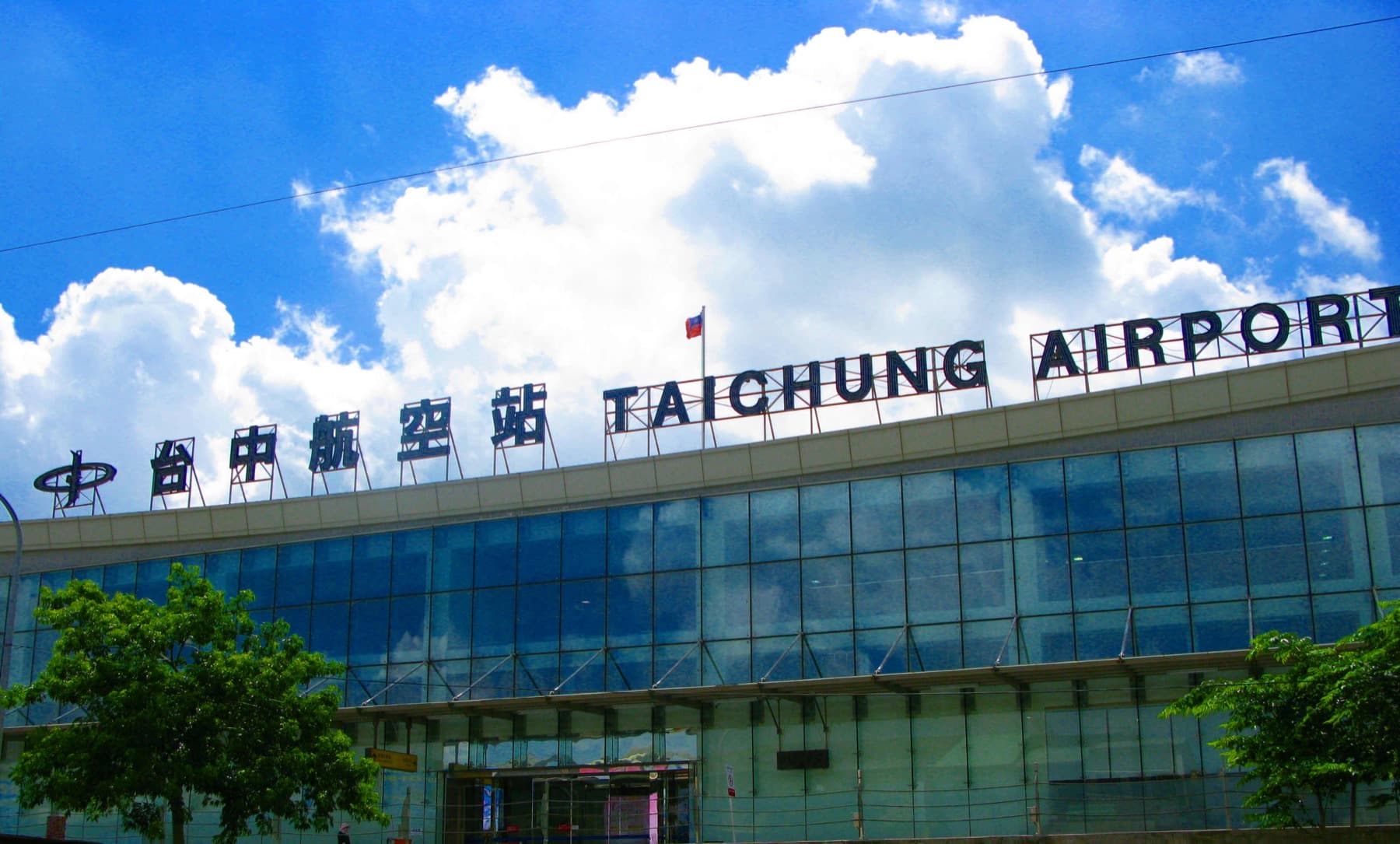
Asia short- and medium-haul filled in the transfer story—Japan, Southeast Asia, and the usual leisure city pairs that make a Taoyuan connection useful instead of ornamental. Taichung has become part of the domestic-side growth story too, including Japan flying that does not always begin with a High Speed Rail ride to the capital’s airport.
Europe arrived late and specifically. On August 1, 2026, STARLUX opened Taipei–Prague as its first European city—Central Europe before Paris glamour, and a second Taiwanese option on a city pair China Airlines already served. We covered the schedule and booking facts in our Prague inaugural piece. The origin story’s job is different: Prague is the receipt that the “startup” now behaves like a network carrier with a globe on the wall.
October 2024: the stock-exchange receipt
On October 25, 2024, STARLUX Airlines listed on the Taiwan Stock Exchange as ticker 2646. The exchange’s own listing notice treated it as a new main-board name; trade coverage put the IPO raise near NT$9.4 billion, roughly $293 million, with a first-day pop that made the ceremony feel like a victory lap after a pandemic launch.
For travelers, a listing is not a cabin amenity. It is a signal that the company wants permanent capital markets for fleet and network growth—and that the brand intends to stick around long enough for your mileage balance to matter.
Chang still shows up in the mythology the way airline founders rarely do anymore: on delivery flights, on inaugurals, sometimes literally in the left seat. That does not make every departure a special experience. It does explain why the carrier’s public story stays personal even as the route map professionalizes.
How to use the story when you book
Choose STARLUX when the cabin and schedule beat the alternatives on a city pair you already need—especially if First or a door-equipped Business seat is the whole point of the ticket, or if a U.S. West Coast or Ontario departure lines up with your ground plan better than forcing everything through LAX alone.
Keep EVA or China Airlines when alliance partners, award charts, or a denser bank of frequencies matter more than the boutique pitch. Keep checking Prague and any Barcelona language as live inventory, not as a finished Europe network.
The surprise phase is over. STARLUX is six years into revenue flying, publicly listed, and flying a European nonstop. The interesting question now is whether the premium bet still feels special once the airline is no longer the new kid on the Taiwanese departure board—only one of three majors that can take you home.
Related stories

Chang Kuo-wei Still Flies the Airline He Built
The youngest son of Evergreen’s founder lost the family airline, then built STARLUX. The company is listed now. He is still the one who flies the new jets home.
8 min · Aug 17, 2026
STARLUX’s First European Flight Landed in Prague, Not Paris
Chairman K.W. Chang flew the maiden A350 to Václav Havel. The so-what is a Central European gateway with Asia connections over Taipei—and Barcelona still waiting on ticket sales.
4 min · Aug 2, 2026
Taichung’s Airport Is Quietly Becoming Taiwan’s Second Japan Gateway
Cola Tour says Taichung-origin group tours jumped nearly 80 percent through July. Central Taiwan finally has a Japan-and-Korea departure map that is not a Taoyuan apology tour.
4 min · Aug 3, 2026

Taipei Is the Soft Landing More Asian Travelers Should Choose First
Why Taipei teaches you how to travel Asia before harder cities test you.
7 min · May 12, 2026