
STARLUX’s First European Flight Landed in Prague, Not Paris
Inaugural Taipei–Prague on August 1: three weekly A350 round trips, four from October 1—STARLUX’s Europe debut on a city pair China Airlines already flies.
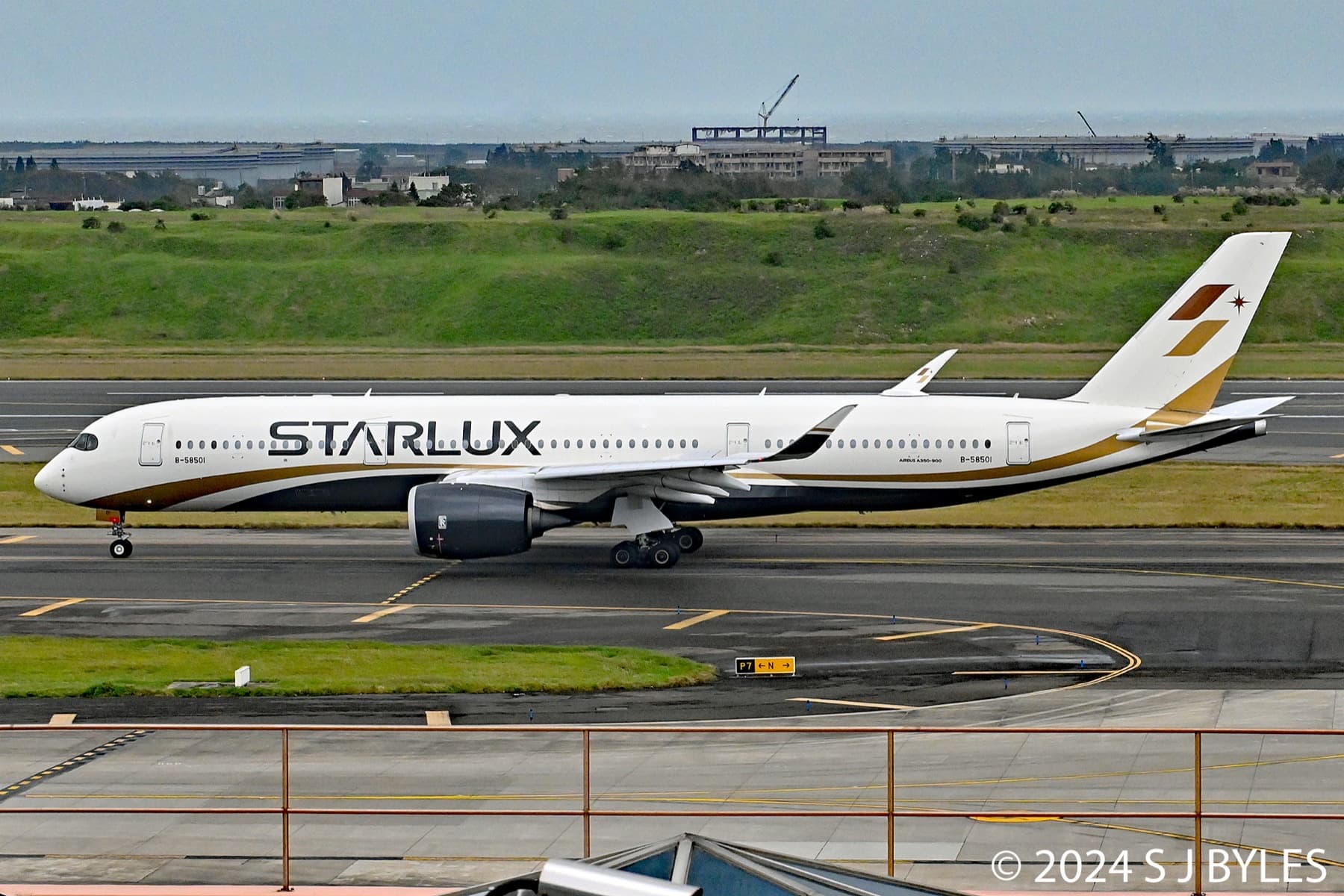
STARLUX Airlines opened Europe with a night departure from Taiwan Taoyuan to Václav Havel Airport Prague—Central Europe first, megahub glamour later. On Saturday, August 1, 2026, the carrier’s first scheduled European route left Taipei as flight JX101. Chairman K.W. Chang was on the flight deck. FlightAware put the takeoff near 12:50 a.m. local and the Prague touchdown near 9:01 a.m., a little later than the published 12:10 a.m. / 7:50 a.m. pattern that will define ordinary days.
Call the milestone carefully. It is STARLUX’s first European city. It is also the second Taiwanese nonstop to the Czech capital, after China Airlines. That competition is the booking fact passengers will actually use: another cabin, another loyalty stack, another bank of Asia connections over Taoyuan.
The published calendar is modest on purpose. Through September 30, STARLUX plans three round trips a week on Tuesdays, Thursdays, and Saturdays, Airbus A350 metal, with JX102 leaving Prague at 10:20 a.m. and reaching Taipei at 5:10 a.m. the next day. From October 1, frequency rises to four weekly flights by adding Mondays; the airline’s own advisory also shifts the Prague arrival and return departure by a few minutes in that window, so treat October as a live timetable check, not a photocopy of August. Prague Airport’s February launch materials put an A350-900 with 306 seats and four cabins—First, Business, Premium Economy, Economy—on the route. Local Czech coverage around opening day floated a larger A350-1000 from September 1; keep that as a planned upgauge until STARLUX locks the subtype on every departure.
CEO Glenn Chai called Prague a milestone in the airline’s global network and tied demand to leisure travel plus deepening semiconductor supply-chain links between Taiwan and the Czech Republic. Read that as company framing with a real industrial backdrop, not as a passenger-mix audit. Prague Airport board chair Jiří Pos has estimated more than 95,000 passengers both ways in the first year—an airport forecast, not a booking report. The operational gift for Asian travelers is the onward map: STARLUX sells Prague as a Central European front door with Taipei links toward cities such as Tokyo, Osaka, Singapore, Hong Kong, Hanoi, and Ho Chi Minh City.
Product language from the airport partnership is familiar STARLUX long-haul: BMW Designworks cabin design, lie-flat Business with doors, a four-seat First cabin, and Premium Economy sold as the middle path. Czech trade coverage has also claimed STARLUX is the only airline offering First Class on Taipei–Prague; treat that as competitive color to verify at booking time, not as a permanent monopoly. The launch-day human beat was lighter: STARLUX and Taiwan’s Tourism Administration brought Czech baseball player and engineer Ondřej Satoria—known in Taiwan for striking out Shohei Ohtani at the World Baseball Classic—onto the inaugural Prague-to-Taipei flight for a nine-day Taiwan tour.
What comes next is already half-announced. Chai said STARLUX would soon begin selling tickets to Barcelona, which would make it the first Taiwanese airline to operate direct service to Spain if and when those flights actually leave. Until seats open and a start date sticks, Barcelona is pipeline, not product. For a Pacific business desk, the useful Europe story is the schedule on the board: three A350 weeks now, four from October, a second Taiwanese flag on Prague, and a chip-adjacent corridor story that may fill seats even when leisure calendars soften.
Watch the October frequency hold, whether the A350-1000 language becomes the daily fleet, how award and corporate inventory behaves against China Airlines, and whether Barcelona ticket sales turn into a second European city or stay a press sentence. STARLUX’s Europe chapter started in Central Europe on purpose. The test is whether Prague stays a gateway—or becomes a one-city experiment that never gets a sibling.
Related stories
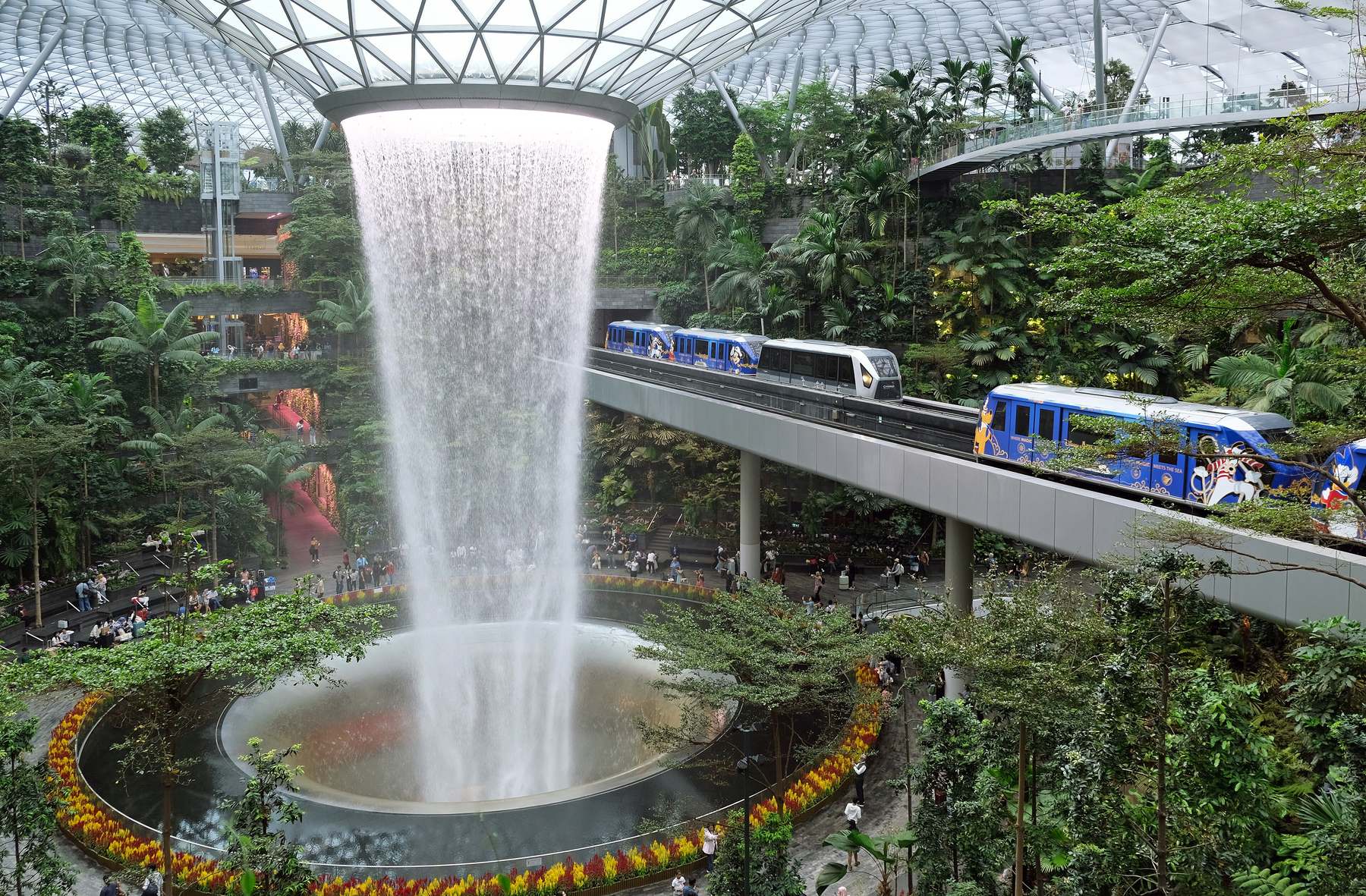
Asia’s Airports Want to Be Your First Destination
Book the connection like a city stop. Jewel’s landside campus and Incheon’s airport-island resorts are competing for your first hours in Asia.
4 min · Aug 3, 2026

AI Planned My Asia Trip. Here’s What Still Breaks.
Chatbots will sketch Seoul or Taipei in seconds. Entry rules, last trains, and closed Mondays still need a human check before you treat the itinerary as a ticket.
4 min · Aug 3, 2026
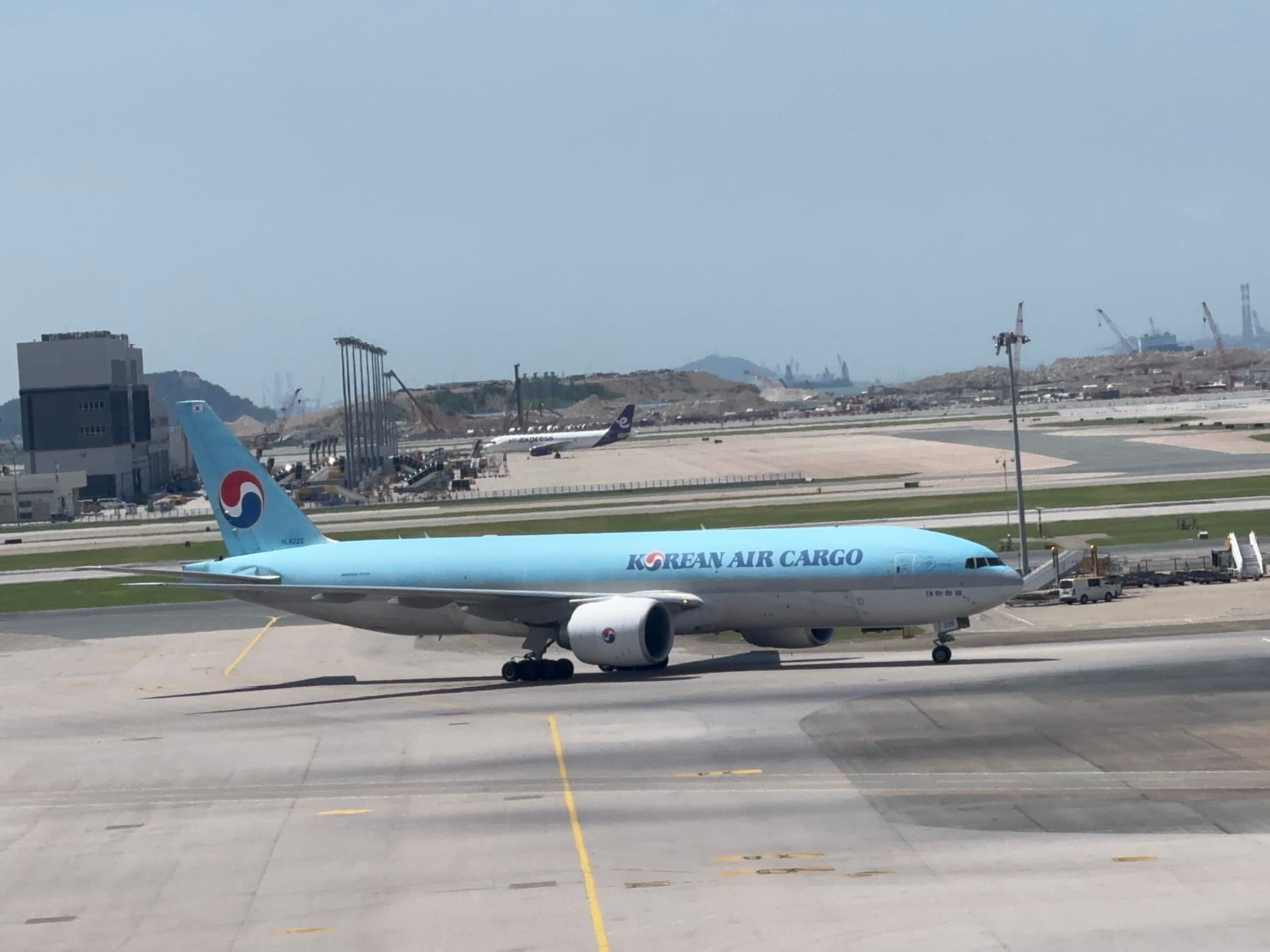
Korea’s July Exports Hit Nearly $99 Billion as Chips Almost Tripled
Second-biggest monthly export haul on record, chips above $40 billion for a second month, and a reminder that AI demand is still leaving Incheon even when Seoul equities argue.
4 min · Aug 1, 2026
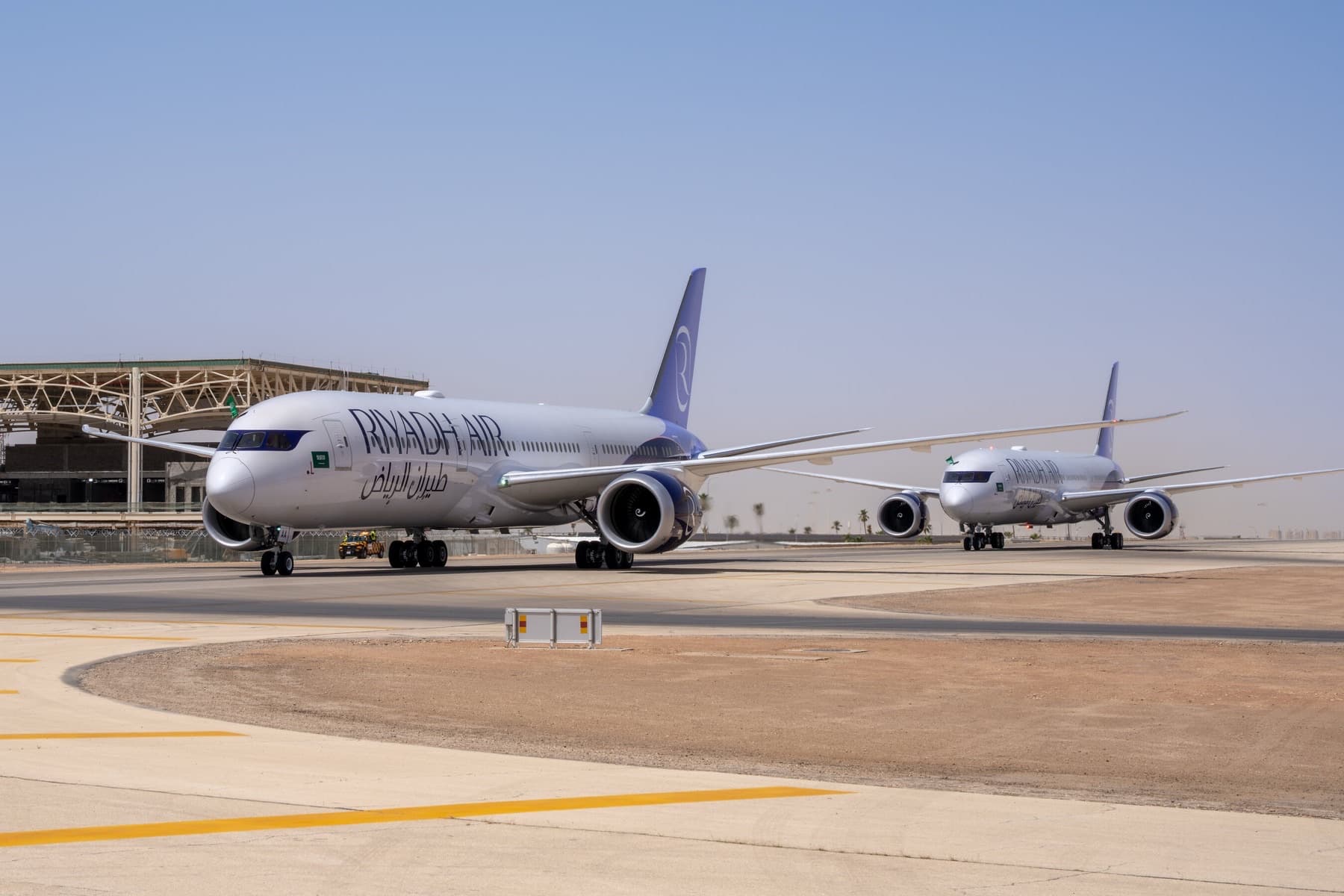
Riyadh Air Picked Kuala Lumpur, Not Bangkok or Jakarta, as Its First Stop in Southeast Asia
A month after opening to the public, PIF-backed Riyadh Air begins direct Riyadh-Kuala Lumpur service, its first Southeast Asian route and an early test of its ambition to reach 100 destinations by 2030.
6 min · Jul 30, 2026