Taipei Is One of Asia’s Best Solo Weekends
MRT clarity, counter seating, and a city that does not treat eating alone as pity.
Opening thesis
Solo travel is not a personality. It is a logistics choice: you leave when you are done, eat at the pace your body wants, and skip the negotiation about whether one more night market stall is worth thirty minutes of someone else’s fatigue.
Taipei is one of the best cities in Asia to learn that choice without turning the week into content about independence. The infrastructure forgives mistakes.
Counter seating is normal. The MRT does not require a companion to read signs for you.
For diaspora travelers, especially Asian women traveling alone who read cities with sharper situational awareness than generic guides assume. Taipei builds confidence you can spend later in Tokyo or Seoul.
This is not a soft-landing guide repeated. Our first-trip Taipei piece covers family pacing and heritage weight.
This piece covers what changes when you are the only person you need to negotiate with: breakfast at 8 a.m. or 11 a.m., three night markets or one repeated, hotel room as sanctuary without apology.
Solo in Taipei should feel ordinary by day three. If it still feels like performance, you are probably over-scheduling.
Why Taipei for solo
Taipei rewards solo travelers structurally, not symbolically. Hawker-style counters, beef noodle shops, breakfast shops with shared tables, and MRT culture all assume you might be alone and nobody pities you for it.
Compare that to destinations where fine dining and premium experiences default to pairs, long tasting menus, private guides priced for two, resorts that seat singles at honeymoon tables. Taipei lets you eat excellently without a reservation war or a companion as prop.
Taiwanese American travelers may feel familiar warmth quickly without losing discovery. That familiarity lowers the emotional tax of solo navigation: you are learning a city, not auditioning for belonging on every block.
Choose Taipei solo when you want a winnable long weekend or a first independent Asia trip that teaches transit and food habits fast. Choose elsewhere when you specifically want nightlife intensity or luxury theater.
Taipei is competence training with excellent snacks.
MRT and EasyCard
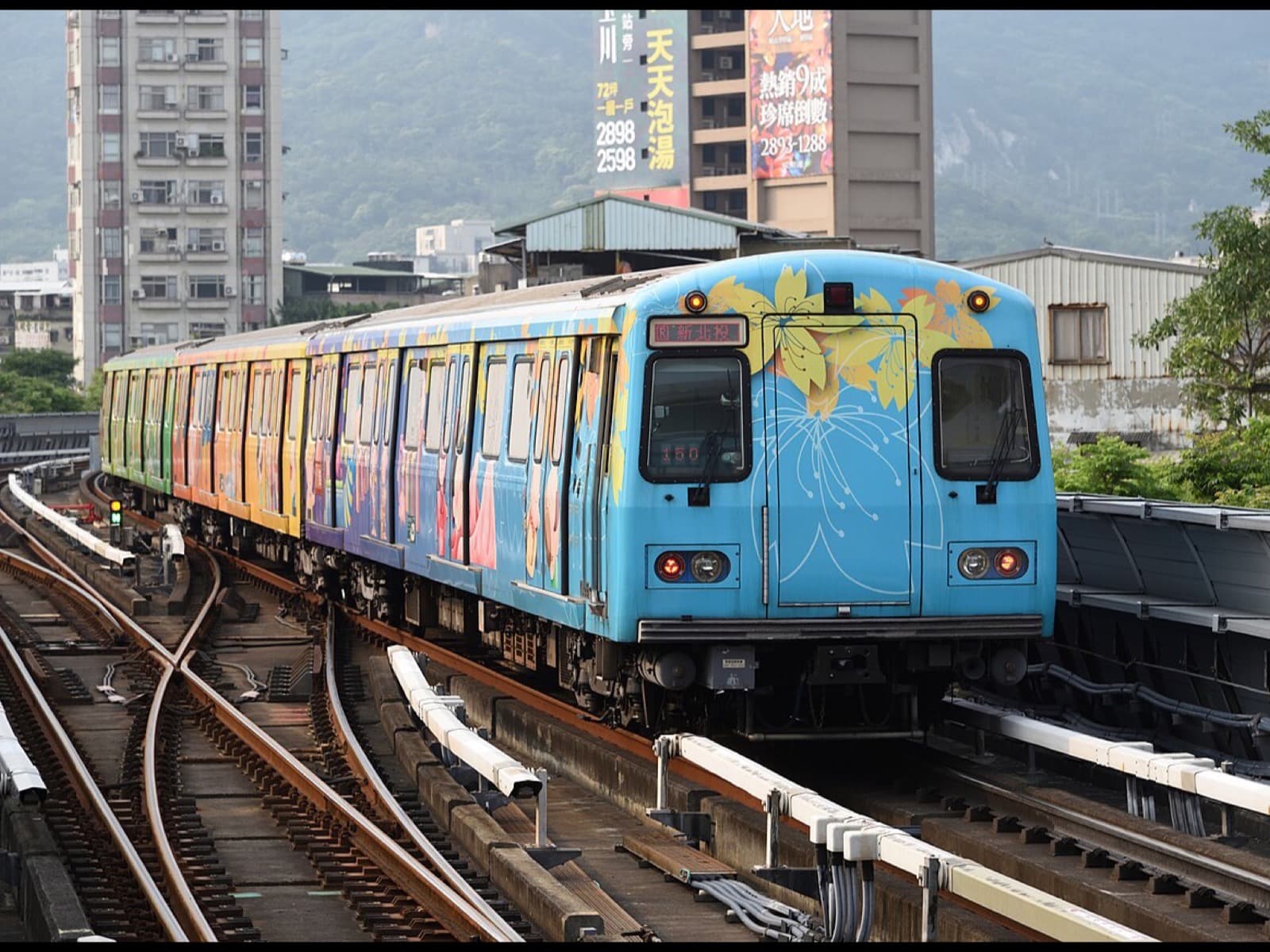
Buy an EasyCard at the airport or first major station and treat it as your weekend spine. The MRT connects breakfast corridors, night markets, and hotel zones without a car, without ride-hail roulette, and without needing a friend to split navigation labor.
Learn one line you will use daily, often the Blue or Red depending on where you stay, before you chase coverage. Taipei is compact enough that neighborhood loyalty beats borough hopping.
Wrong-station exits cost ten minutes and a mood; download offline maps and read exit numbers before you surface.
Last trains matter less than in some cities because night markets and late food exist, but fatigue matters more when you are alone. Solo travelers should optimize for getting home without heroic transfers after midnight: not because Taipei is unsafe, because tired judgment is universal.
If you are jet-lagged, day one should be one line, one neighborhood, one dinner. The MRT will still be there day two when your brain works.
Eating alone well
Breakfast shops are Taipei solo education: soy milk, egg crepes, rice rolls, and the rhythm of locals eating before work. Sit where you fit, point if needed, accept that busy shops turn tables without ceremony.
Beef noodle soup at lunch is a solo ritual in this city, one bowl, one seat, one decision about spice. Dinner can be night market grazing: multiple small portions replace the social logic of sharing a table for four.
Counter seating is comfort, not exile. A book or phone is fine; so is watching the cook’s rhythm. Solo meals go wrong when you treat eating alone as something to hide or perform. Taipei normalizes both.
Do not over-research every meal. Busy lines are data. Return to the same stall if it worked. Din Tai Fung and the anonymous shop with no English menu can coexist in the same weekend without choosing a personality.
Night market logic solo
Night markets solo mean you set portion size and stopping rules. Without a group, you can eat six small things or two large ones without negotiation.
Cash still appears at some stalls, carry small bills. Queues reward patience; empty lanes at peak hour deserve skepticism.
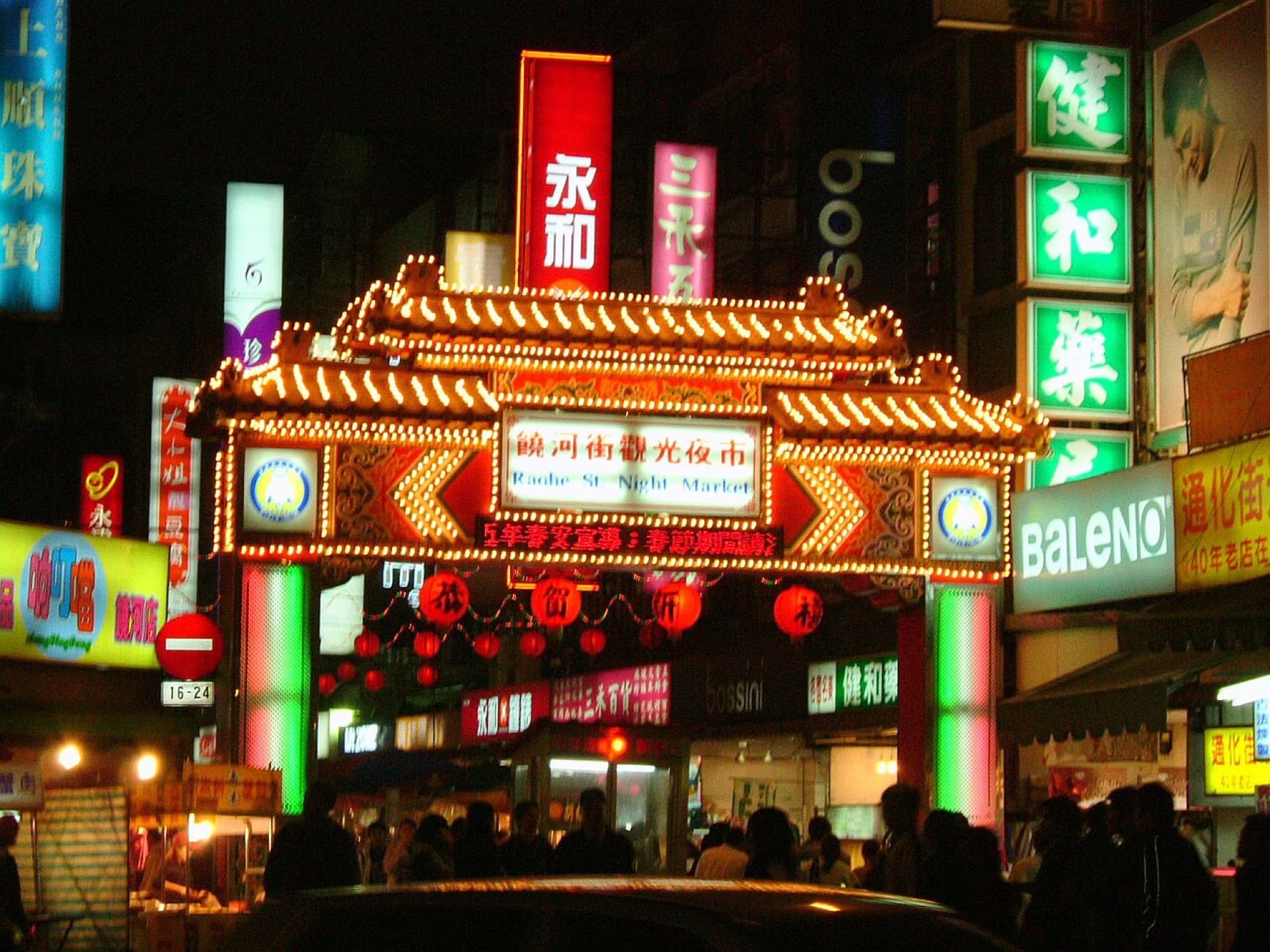
Raohe, Ningxia, and Shilin each teach different crowd logic. Pick one for a first night, repeat it on night three if you liked it, instead of collecting markets like badges.
Solo travelers often prefer repetition because nobody is bored on your behalf.
Hygiene and turnover matter more when you are alone and listening to your own body, long lines usually mean fast turnover. Trust that before you trust a viral stall name.
Protect your bag in crowds the way you would in any dense city. That is habit, not panic. Taipei night markets are crowded and generally manageable with ordinary urban awareness.
Safety without paranoia
Safety is hour-by-hour and block-by-block, not a country score. Taipei is widely regarded as comfortable for solo travelers, including many Asian women who walk late in busy districts, but comfort is not a license to ignore situational reading.
Share location with one trusted person if that helps you relax: not for drama, for logistics. Solo means you choose when to be social; it does not mean you should be unreachable if plans change.
Dress and behavior codes matter more than outfit aesthetics: look like you know where you are going, even when you do not. Confidence is practical camouflage in unfamiliar districts after dark.
Trust busy restaurants and well-lit MRT exits. Regroup in a convenience store or cafe if a street feels off.
Solo trips fail when solitude becomes proof of something to an audience at home. Travel for the city, not the caption.
Hotel choice solo
Small central hotels near an MRT line beat glamorous addresses that require twenty minutes of walking after every dinner. Solo comfort is operational: elevator reliability, 24-hour front desk, room away from ice machines if sleep matters, late check-in that does not require a performance.
Request what you need once, quiet floor, higher level, iron, and let staff solve it without explaining why you are alone. Good properties treat solo guests as normal, not as pity cases or romance gaps.
The test is discretion: housekeeping that respects do-not-disturb, breakfast where nobody asks why you are solo, staff who call a taxi to the door without making you stand outside long. Location beats lobby height for solo weekends.
If this is your first solo Asia trip, prioritize sleep and shower quality over rooftop bars you will visit once. Taipei rewards rest because you will walk more than you expect, even alone, especially alone.
Closing takeaway
Leave with habits, not hero stories: how to queue, how to ride the MRT without panic, how to eat at a counter without treating solitude as content.
Taipei solo weekends work when the city feels ordinary by day three, same breakfast shop, same market lane, EasyCard you trust. Those skills transfer to Tokyo, Seoul, and every dense Asian city you touch next.
You do not owe anyone a transformation narrative. You owe yourself one neighborhood repeated honestly, one meal you would order again, and the confidence that solo travel is logistics: not identity performance.
Related stories
Taipei Is the Soft Landing More Asian Travelers Should Choose First
Why Taipei teaches you how to travel Asia before harder cities test you.
7 min · May 12, 2026
Solo Travel Without Turning It Into a Personality
Solo travel is a logistics choice, not a identity audition.
3 min · Mar 15, 2026
Your First Trip to Asia: A Culturally Fluent Starter Guide
How to pick your first Asian city, pace the week, and avoid turning the trip into heritage performance or continent tourism.
10 min · May 5, 2026
Planning Multigenerational Asia Trips That Actually Work
Everyone’s comfort zone is a different country.
3 min · Apr 28, 2026