
Taiwan's Tourism Pitch Now Centers on Older Travelers
Golden Years Tours went to travel fairs in Singapore, New York, and Tokyo this year. For diaspora adults booking with aging parents, the badge is useful only if you read what it actually checks: pace, boarding help, soft meals, and accessible rooms.

A senior brand on the fair circuit
On November 24, Taiwan's Tourism Administration, the national tourism agency under the Ministry of Transportation and Communications, told the travel trade what it had spent late summer selling in person. Golden Years Tours, or 凰金遊程, is a certified brand for mature travelers. The Administration took it to fairs in Singapore on August 24, New York on September 14, and Tokyo on September 28: short flights and familiar food for Southeast Asia, slower wellness and Indigenous-culture packages for long-haul retirees.
Buyers were hearing a quality filter. English materials list five evaluation areas: dining, accommodation, sightseeing, shopping, and transportation. The Chinese frame is the same five: 食、宿、遊、購、行. The bet is that older travelers, and the adult children who book for them, will pay for itineraries that admit stairs, transfer time, and chewing difficulty up front.
Homeland visits to Taiwan often come apart on the small stuff: coach stairs without a handrail, hotel bathtubs that turn treacherous after dark, temple days with no place to sit, banquet food that looks generous and will not cut. Golden Years treats those as design failures the operator has to score against.
What the star items actually force
Certification lives at golden-years.taiwan.net.tw. Operators submit an itinerary; a working group and an expert panel score it. Stars on the evaluation sheet are mandatory. Miss one and the mark fails, whatever the marketing copy says.
Stops need senior-friendly hardware and an emergency plan: gentle paths, elevators or escalators where they matter, accessible toilets, canes or wheelchairs to borrow, AEDs, and a nearby hospital on the contact list. Outdoor activities need safety guidance. The operator has to publish a full day-by-day, ask about health and special needs before departure, and put real boarding help on the coach: ramps or step stools, plus staff who wait at the door.
Pace is scored, not implied. The sheet wants slow-travel timing, enough minutes at each place, and a rest stop when a transfer runs longer than about two hours. Meals need texture options: soft or easy-to-chew food, lighter oil and salt, kitchens that will adjust without a scene. Lodging has to show safety basics and barrier-free or senior-friendly rooms. Extra points go to low-floor or wheelchair-lift vehicles, first-aid kits on the bus, and hotels that go further on accessibility.
Central News Agency counted twenty-three certified itineraries after an April 30, 2025 showcase at Taipei Station. The public catalog is longer now. Treat any number as a snapshot and confirm the live badge on the itinerary page before you pay. Domestic and inbound products share the five pillars; inbound ones lean harder on multilingual guiding.
What a good parent day looks like
Read a certified day the way you would pack for your parents. Morning should start after the rush. The coach should have a step they can manage and a guide who does not rush the door. Midday needs a toilet you can find, a seat in the shade, and a kitchen willing to soften lunch. Afternoon should not bolt a long transfer onto a hillside of stairs. Night should end in a room with an elevator, a dry bathroom floor, grab bars if needed, and a room number your mother can check without asking the desk twice.
Heritage-rail and lantern days, the Pingxi and Shifen pattern, explain why the brand borrowed sky-lantern graphics: short walks, something to do with your hands, a train instead of another coach climb. They also show the badge's limit. Those streets get crowded, and tracks cut through the market. Someone still has to watch footing. Between cities, High Speed Rail often beats a long coach for older knees. Ask whether the published itinerary uses HSR for the trunk and keeps the bus for the last mile.
Premium inbound packages exist: multi-day herbal and culture trips with barrier-free hotels and soft meals at several times the cost of a domestic day tour. Those are the high end of certification. Most diaspora families will want something closer to a slow domestic day with Chinese or English guiding. Price the trip against your parents' stamina.
Three questions before you pay
Start on the Golden Years site, filter for the mark, then open the day-by-day. Count transfers over two hours. Note the vehicle. Read the hotel line for elevators and accessible rooms, not only the star rating. Email the operator three questions: Will the coach have a ramp or lift if we need a wheelchair? Can lunch be soft-texture or low-sodium without a scene at the table? Which hospital is on the emergency sheet for each overnight city?
The criteria already allow caregiver-and-care-recipient and family designs. That is the real shape of many homeland trips: one parent who walks slowly, one adult child with the documents, maybe a grandchild on a third pace. Certification is still a travel product. It does not replace a doctor's advice, travel insurance, or an honest count of how many temple stairs are worth it this year.
If you build the trip yourself, steal the same filter. Prefer HSR trunks, tourist-shuttle last miles, hotels near stations with elevators, and restaurants that will adjust texture when asked. Taiwan PASS helps on the transport spine. It does not answer the bathroom or boarding question. The Golden Years mark simply makes an operator answer those questions on a scored sheet first.
Shortlist, then match the parents
The fair circuit told overseas buyers that Taiwan wants older travelers. The evaluation sheet is what helps a family decide.
Shortlist itineraries that carry the badge. Then sit with your parents and match the coach door, the hotel bathroom, and the lunch menu to how they move and eat. If the answers fit, book. If they do not, keep looking. The trains, shuttles, and hotels for a slower trip are already there. The badge is how you find operators who planned the day that way.
Related stories
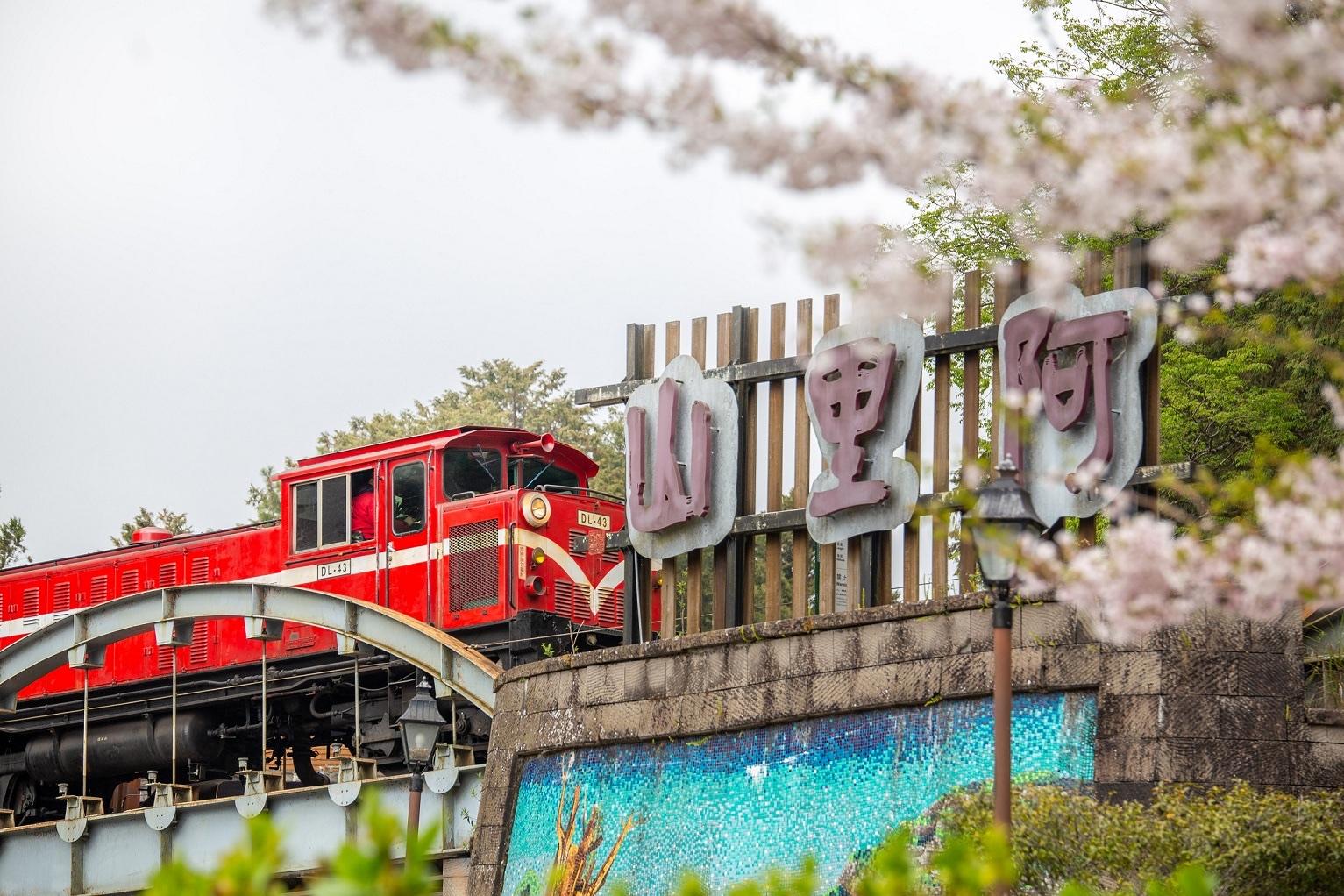
Taiwan PASS Adds Seven Tourist Shuttles, and Qingjing Boards by QR
Taiwan PASS now covers seven more tourist-shuttle routes at no extra pass price, with Qingjing boarding by app QR. You still pick only one scenic option, and some buses still need a phone or online hold.
7 min · Nov 21, 2026
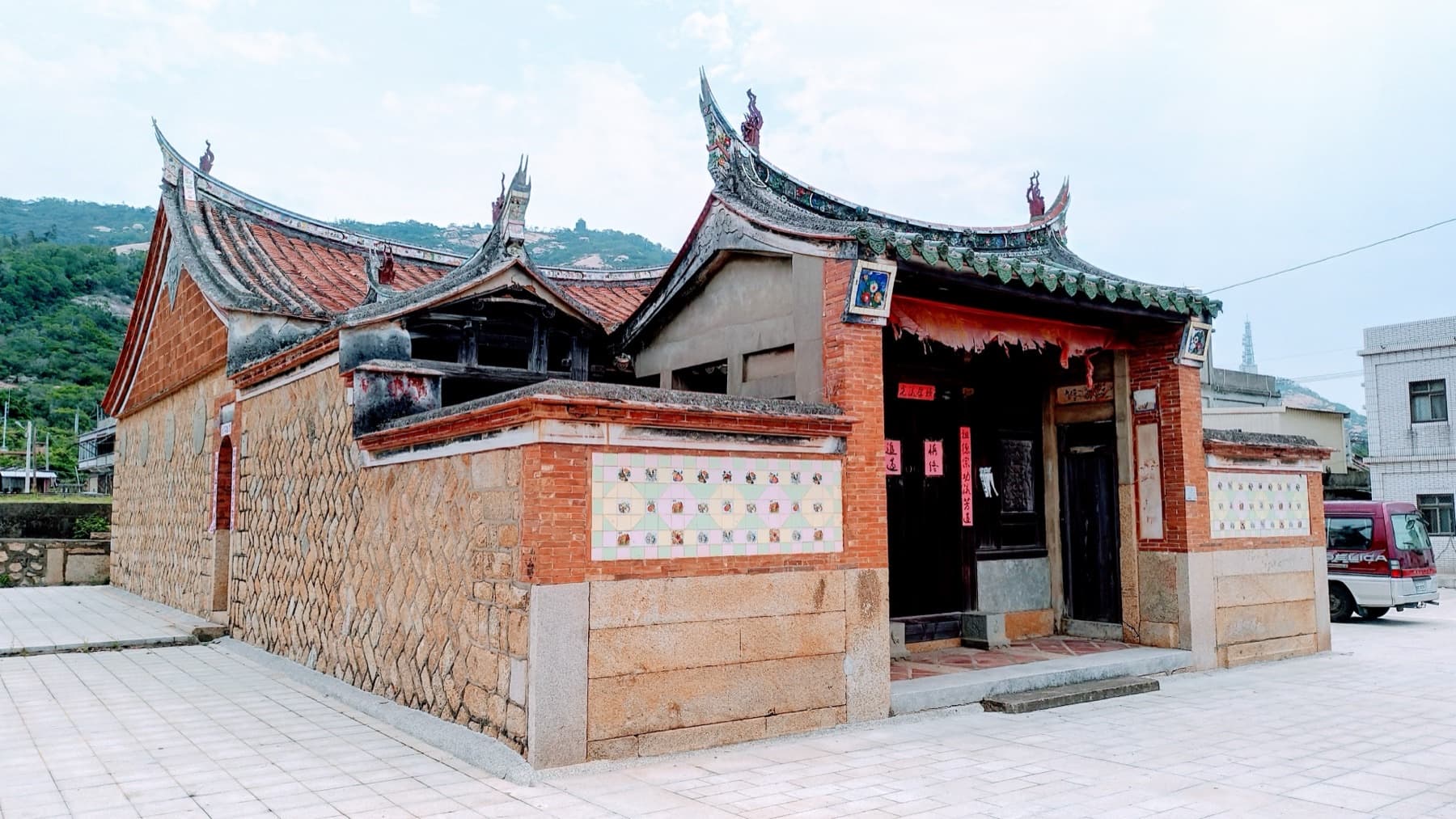
A Surname and a Village Name Are Enough to Start
Today’s Kinmen charter carried people who grew up hearing they were from Kinmen. Here is how to turn a surname and a village into a first roots trip.
7 min · Nov 5, 2026

What If Your Parents' Homeland Does Not Feel Like Yours?
Disappointment is data, not betrayal.
3 min · Jan 28, 2026
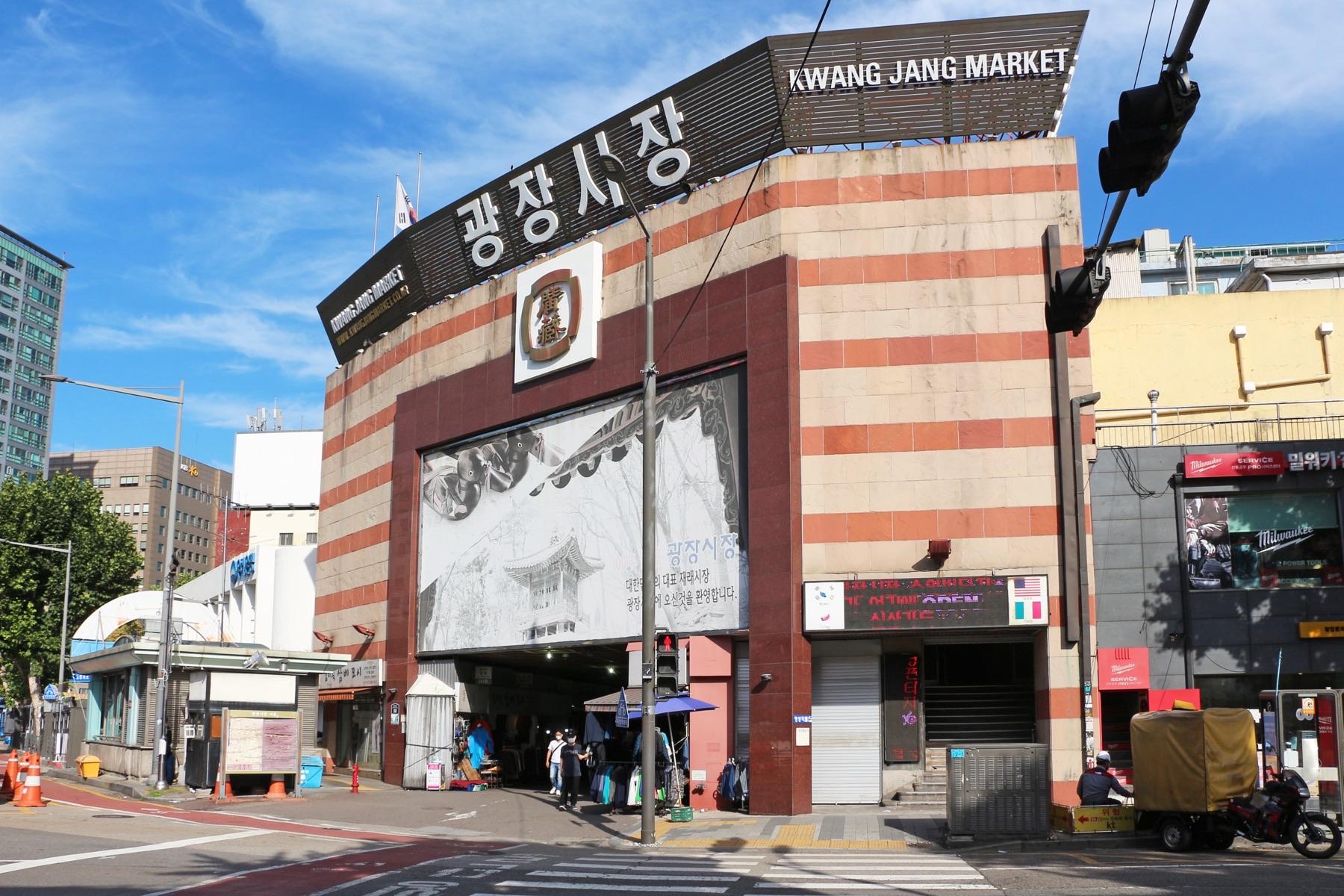
Diaspora Summer: Build a Heritage Trip Without the Guilt Itinerary
One relative day after you’ve slept. Then markets, subway, and empty afternoons—with jangma and typhoon season treated as logistics, not vibes.
6 min · Aug 3, 2026