
The Transpacific Time Zone Problem
Remote teams across the Pacific need overlap hours, not midnight heroics.

Opening thesis
The Pacific Ocean is not a buffer. It is a scheduling problem that never resolves cleanly.
When your team sits in San Francisco, Singapore, and Taipei, someone is always eating dinner during someone else’s standup, and someone is always pretending that is fine.
This guide is for diaspora founders, operators, and remote workers who route work across the Pacific regularly. Not a productivity hack list.
A honest map of time zones, overlap windows, and the cultural expectation that "async" does not mean "invisible. "
If you only read one idea: protect two shared hours or admit you do not have a team, you have three night shifts wearing one Slack workspace.
The overlap math
Singapore and Hong Kong run UTC+8 year-round. Tokyo and Seoul run UTC+9. Taipei matches UTC+8. US West Coast is UTC−8 (UTC−7 during daylight saving). US East Coast is UTC−5 (UTC−4 in summer).
That means when it is 9 a.m. in Los Angeles, it is midnight in Singapore, already tomorrow. When it is 9 a.m. in New York, it is 9 p.m. in Singapore the same calendar day.
There is no magical overlap unless someone works early or late on purpose.
The workable US–Southeast Asia window for live calls is narrow: roughly 6–9 a.m. US West / 9 p.m.–midnight Singapore for same-day meetings, or flip to US evening if Asia leads.
East Coast teams get slightly more afternoon overlap with India; they get less mercy with Tokyo.
Write the math on paper before you hire. "Global team" without named overlap hours is how resentment becomes culture.

Async is not absence
Documentation beats heroics. Decision logs, Loom walkthroughs, and written specs matter more when half the team is asleep during your urgency.
Diaspora operators often over-index on real-time responsiveness because their careers were built proving reliability across distance, answer the WeChat, answer the email, answer the midnight ping.
That reflex burns people out. Async culture requires explicit response-time norms: not "instant," but "within one business day in your time zone." Asia teams should not be default night shift for US headquarters.
If leadership lives in California and engineering lives in Taipei, the Taipei team’s "business day" must count as business: not as the hours left after US meetings end.
Travel weeks rewrite the schedule
Transpacific business travel temporarily fixes overlap and creates new chaos. You land in Tokyo on Tuesday local time, your body thinks it is Monday, and your calendar still shows US calls at 3 a.m. hotel time.
Block arrival days for zero external meetings. Protect one morning for sleep before you represent the company across a table. Jet lag is a liability in negotiation rooms; treating it as weakness is how deals get rushed.
When you return, expect a week of asymmetric availability. Tell clients honestly rather than performing normal hours while cognitively underwater.
Tools that help (and hurt)
Shared calendars with time-zone labels visible: not buried. World Clock on phone home screens. Not another project-management app unless it replaces status meetings.
Slack "always online" green dots destroy trust across time zones. Status messages that name return time beat silent midnight replies that train everyone to expect 24-hour access.
For diaspora teams, WeChat, LINE, and WhatsApp often carry family and business in the same channels. Separate them deliberately or boundaries disappear.
Closing takeaway
Build the team around overlap you can sustain for years, not weeks. Two shared hours beats six heroic midnight calls.
The transpacific advantage is talent and market access: not the fantasy that the date line disappears if you work hard enough. Name the time zones out loud in every hiring conversation.
Write them in the job post. Your future self in Singapore at 11 p.m. will thank you for honesty upfront.
Related stories
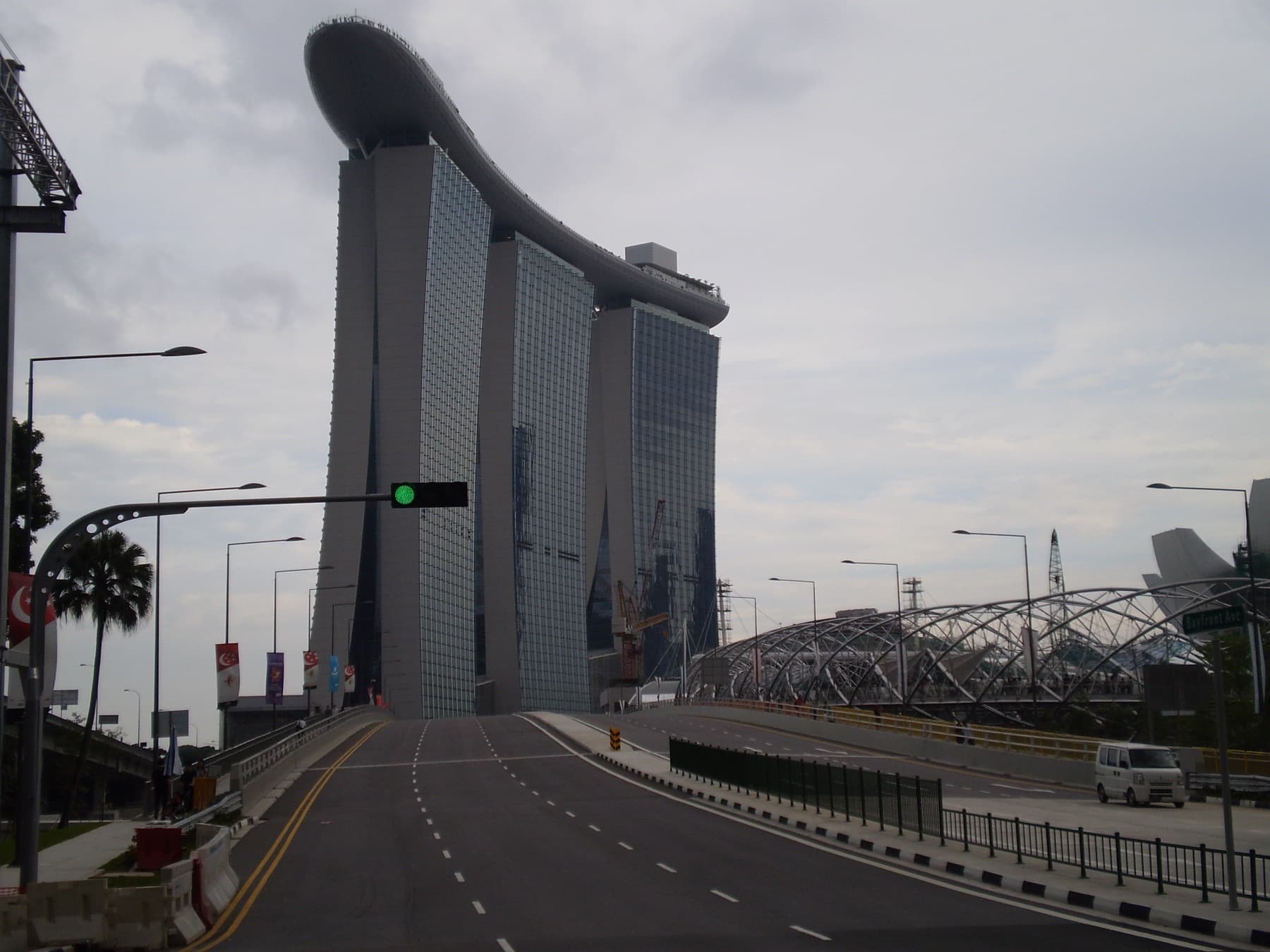
Singapore and Hong Kong Still Come First for Asia Entry
Founders still route through these two cities for infrastructure, English-friendly business, and capital markets.
3 min · Jun 8, 2026

Your Asia Business Trip Is Not a Vacation With Meetings
Heritage fluency helps at meals. It does not replace calendar discipline.
3 min · Jun 8, 2026

A Culturally Fluent Guide to the World’s Best Airports
The best airports respect time, food, and dignity.
3 min · Feb 10, 2026

Why Asian Travelers Care So Much About Airports
Airports are not transit. They are part of home geography.
3 min · Jun 30, 2025