
Your Asia Business Trip Is Not a Vacation With Meetings
Different pacing, different dinners, different success metrics.

Opening thesis
An Asia business trip is not a vacation with meetings inserted. It is a different trip type that borrows your leisure skills, eating well, reading neighborhoods, and applies them to schedules that punish spontaneity.
Diaspora professionals sometimes assume heritage fluency transfers automatically to boardrooms. It helps with food and family dynamics.
It does not replace knowing when to be early, when to gift, when to shut your laptop during dinner, and when to stop trying to turn every meal into tourism.
This guide separates business pacing from vacation pacing so you return with relationships intact and jet lag managed: not with a resentful list of temples you never saw.
Itinerary shape
Business trips need one anchor meeting per half-day, not three sights before lunch. Build buffers for traffic. Bangkok, Jakarta, and Manila punish optimistic Uber math.
Keep evenings partially open for dinners that are actually work. In Japan and Korea, after-work meals are often where decisions move; skipping them to "rest" can signal disinterest.
If you extend for personal days, split the trip explicitly in your calendar: business segment ends, vacation segment begins. Mixing them without naming the switch is how you fail at both.
Japan and Korea meeting culture
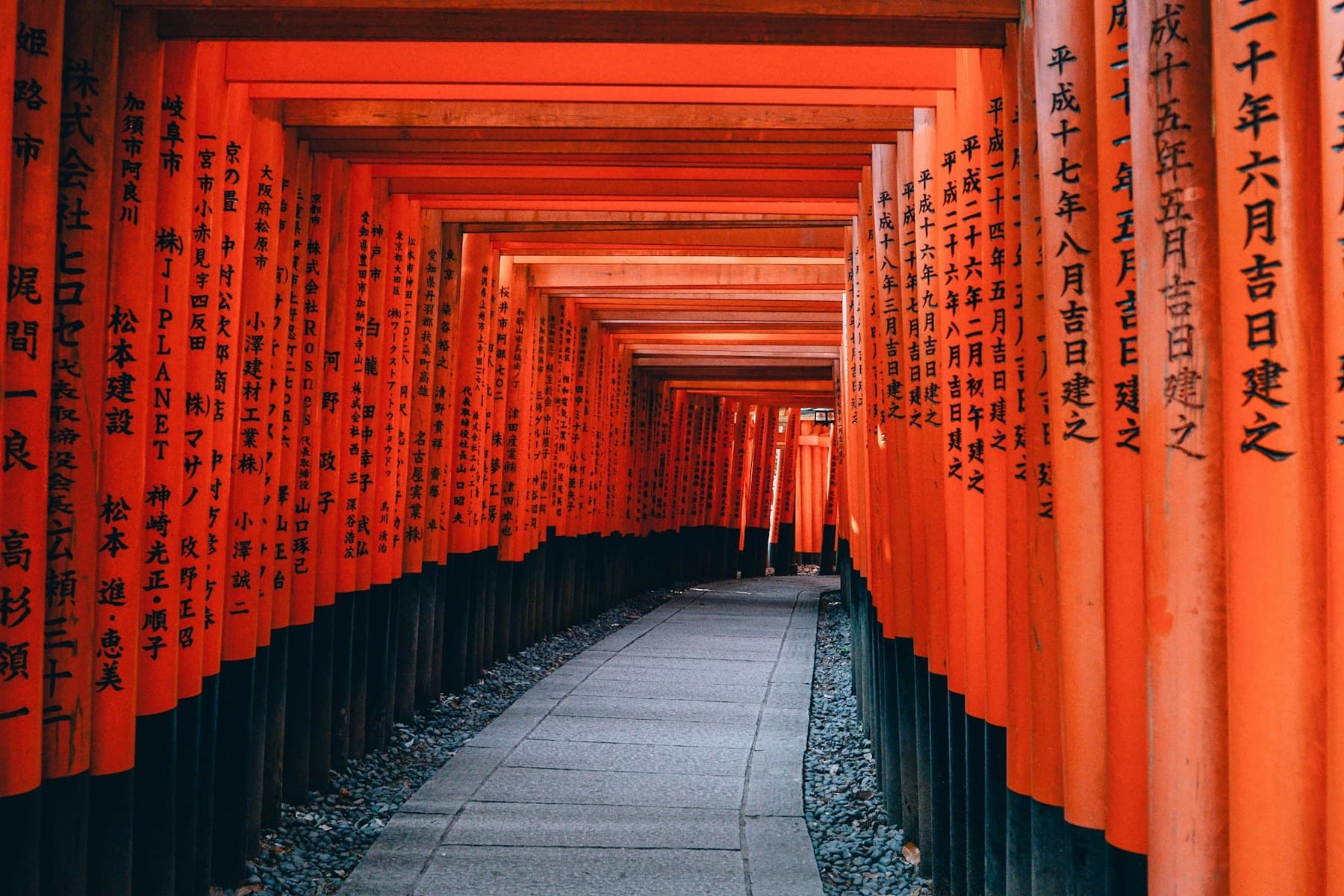
Japan rewards punctuality, printed materials, and patience with silence that US rooms misread as rejection. Exchange business cards with both hands; treat cards as objects worth respect, not as swag.
Korea rewards energy and directness relative to Japan, but hierarchy still matters, age and title order seating and who speaks first. Dinner drinking culture exists; you may decline alcohol politely without drama if you do so with warmth.
For diaspora travelers, language advantage is partial at best. Do not perform native fluency you do not have; do perform cultural patience you do have.
Singapore and Hong Kong efficiency
Both cities run on calendar discipline and WhatsApp follow-ups. Lateness is read as incompetence, not creative spirit.
Dress one notch sharper than your US default; "business casual" has narrower tolerance in finance and law contexts.
Meals are fast by US standards. Order decisively. Split bills differently than US norms, watch who reaches for payment and do not fight the host on the first offer if hierarchy is clear.
Air-conditioning is arctic indoors; carry a layer like locals do.
When family overlaps business
Diaspora business trips often collide with cousin dinners and parent expectations. Name boundaries before landing: "I have meetings until Friday 6 p.m.; Saturday is family."
Do not invite colleagues to family events without preparing both sides. Do not skip family entirely if the trip carries heritage weight, schedule it like a meeting block with equal dignity.
Parallel success beats forced integration. One honest conversation before the trip prevents the silent scorekeeping that ruins both the deal and the reunion.
Closing takeaway
Leave with follow-ups dated, not with a scrapbook of rushed temples. The business trip succeeded if the next meeting is already on calendar.
Add vacation days if you want discovery. Asia rewards return trips more than heroic single-week coverage.
Your passport and your pitch deck can share a flight; they do not share the same daily schedule. Name which is which before you land, and protect sleep like it is line-item budget.
Related stories

The Transpacific Time Zone Problem
When San Francisco and Singapore share a Slack, someone is always eating dinner during standup.
3 min · Jun 8, 2026
Singapore and Hong Kong Still Come First for Asia Entry
Founders still route through these two cities for infrastructure, English-friendly business, and capital markets.
3 min · Jun 8, 2026

The Case for Planning a Trip Around One Reservation
One hard-to-get table can organize an entire itinerary with purpose.
3 min · Apr 5, 2026

Tokyo Is Not a Beginner City, and That Is the Point
Tokyo punishes checklist tourism and rewards travelers who can tolerate not seeing everything.
8 min · Jun 1, 2026