
UN Tourism Cut This Year’s Arrival Forecast
September’s barometer now expects arrivals to grow 1 to 2 percent, down from 3 to 4 percent in January. On Japan Airlines, a U.S.–Japan fuel charge becomes $381 on Sunday.
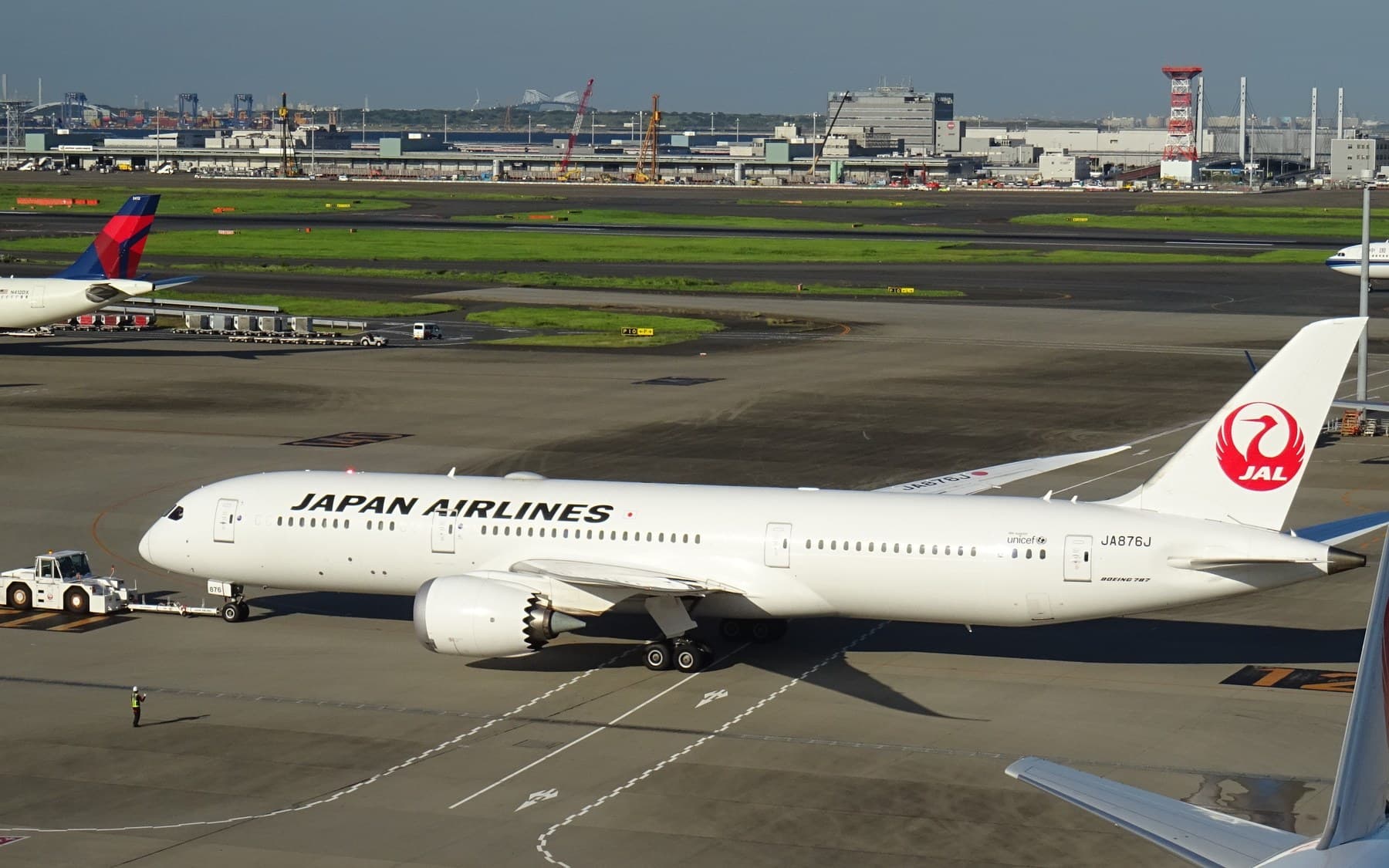
September’s cut
In September, UN Tourism cut its forecast for international arrivals in 2026 to 1 to 2 percent. January’s barometer had said 3 to 4 percent, and only if the economy held up, inflation kept easing, and conflicts did not get worse. Xinhua reported the new range from Madrid on September 17.
The first half of the year is why the range came down. Arrivals grew 2 percent in the first quarter, then fell 1 percent in the second. Together that is 0.4 percent: about 690 million trips, 3 million more than a year earlier. Asia and the Pacific grew 1 percent, and the region is still 11 percent short of 2019. The Middle East fell 22 percent.
UN Tourism said the rest of the year depends on how long the conflict lasts, and on oil prices and inflation. When the flight gets expensive, people take a shorter trip.
What Sunday costs
That oil price is already a line on a ticket. Japan Airlines, for a trip that starts outside Japan, charges $381 in fuel on each segment between Japan and North America if you buy it from Sunday through December 31. Through Saturday the same segment is $320. The $381 sits on top of the fare.
A round trip is two segments. Buy in November and the fuel lines are $762. Buy by Saturday and they are $640. JAL uses the charge on the day the ticket is issued. Leave the flights alone after that, and the airline does not come back for the difference.
The charge follows the distance. In November, Japan to Singapore, Bangkok, or Kuala Lumpur is $193, up from $160. Japan to Seoul is $39, up from $31. A Japan–Middle East segment is $381, the same fuel line as a flight to Los Angeles or New York. A trip that starts in Canada is 531 Canadian dollars on that November line.
Two ways across
Southeast Asia had 5 percent fewer arrivals in June. UN Tourism pointed to weaker demand from Asia, geopolitical tension, flights disrupted through the Middle East, and higher travel costs.
A Japan Airlines nonstop between the United States and Japan pays that North America line, and you stay on the airplane. Via Doha or Dubai, a Japan–Middle East segment on this table is also $381, and you change planes in the Middle East. The Pacific flight pays the fuel charge. The Gulf connection is the one that was already being disrupted.
Korean Air publishes its own table. The longest one-way, for a ticket bought in November that starts in Korea, is about $304, the conversion the Korea JoongAng Daily published. That band is New York and Los Angeles.
If the Pacific date is already set, buy it by Saturday. You keep $320 on each U.S.–Japan segment. If the routing goes through the Gulf, price a nonstop before you treat that connection as the plan.
Related stories
Buy the Korea Ticket Before November
If the trip is already set, buy it this month. The November level is 27, up from 23.
5 min · Oct 17, 2026

New and Returning Nonstop Flights Between North America and Asia
From Phoenix–Taipei and Dulles–Taipei to Chicago–Manila and a winter race into Sapporo, the 2026 nonstop list is thickening beyond the usual coastal hubs. Here is what is operating, bookable, or still just announced as of August 19.
7 min · Aug 19, 2026

Japan’s Prices Cleared 2 Percent Again
The Friday morning price index is back over the Bank of Japan’s line. A fall room costs more than last fall, and a sushi counter is a different bill from a bag of rice.
5 min · Oct 23, 2026
Philippine Startup Week Opens Monday. Who Is Actually Meeting the Founders?
Philippine Startup Week opens Monday in Quezon City. The useful map is Gobi, Foxmont, and Kickstart on the Investors’ Stage, plus Tuesday’s IGNITE X judges and Japan MOUs.
7 min · Nov 6, 2026