
Asia’s Hotel Boom Is Moving Deeper Into Vietnam’s Resort Markets
Accor and Sun Group just locked a multi-year Phu Quoc and Da Nang pipeline. Read the brand names as a map of where rooms are headed—not a promise of a better beach next month.

Vietnam’s resort coasts are getting the hotel capital that used to stop at the big cities.
On July 7, Accor and Vietnam’s Sun Group signed a strategic portfolio deal. Accor frames it as more than 5,300 hotel, resort, and serviced-residence keys over the next five years. Sun Group’s own note puts the package closer to nearly 6,000 rooms and apartments. Both are pipeline numbers—development and management agreements, not a block of doors you can book this weekend.
The destinations in the signing are what matter for travelers: Phu Quoc and Da Nang. That is where the money is concentrating once the city-hotel map already feels crowded.
Accor already runs 45 hotels in Vietnam, its third-largest Asian market outside India and Greater China. The July deal expands a decade-long Sun Group partnership. It is not a market entry.
What is new is the brand ladder Accor wants to plant. First-time Vietnam names in Accor’s framing include Sofitel Serviced Residences, Swissôtel Living, the lifestyle brand TRIBE, and Ennismore’s fashion-rooted SO/. Familiar labels already in the country—MGallery, Grand Mercure, and ibis Styles—are set to grow through the same agreement.
Sun Group’s parallel language puts Sofitel, Swissôtel, and MGallery at Da Nang’s DIFF fireworks-festival precinct and atop Ba Na Hills, and SO/, MGallery, Grand Mercure, TRIBE, and ibis Styles at Phu Quoc’s Bai Dat Do beachfront “hotel city” and Hon Thom island. Treat that as a destination map, not a room inventory.
A first-phase slate of six named properties already carries published room counts—from a 180-key MGallery at Phu Quoc’s Ruby Beach to a 588-key ibis Styles on Hon Thom, with a 250-key MGallery at Ba Na Hills and midsize SO/, Grand Mercure, and TRIBE projects in between. Those are signed products with sizes attached. Opening quarters for most of them have not been locked in Accor’s public first-phase note.
The clearer near-term Accor-linked date on the island is Rixos Phu Quoc Resort. Sun Group describes a fourth-quarter 2026 opening under the Accor and Ennismore umbrella, and calls it Southeast Asia’s first all-inclusive luxury Rixos. Read that as a scheduled opening window, still subject to construction and handover.
Phu Quoc takes most of the first-phase weight: five of the six named hotels sit on the island, clustered around Ruby Beach and Hon Thom. Sun Group sells Bai Dat Do as a beachfront hotel city next to Sunset Town, with cable-car and entertainment infrastructure already part of the pitch. The island is also in the hosting narrative for APEC 2027. For a traveler, that mix usually means resort density, entertainment next door, and more loyalty redemptions later—not a quiet village beach forever.
Da Nang is a different trip. The Accor brands there attach to a city-coast base: the DIFF fireworks precinct and the Ba Na Hills day-trip machine above the Han River. You book Da Nang for beach plus city, Hoi An day trips, and festival weeks. You book Phu Quoc for an island package that increasingly looks like a managed leisure ecosystem.
More international flags do not automatically mean a better beach, better value, or a quieter shoreline. They mean more inventory in places developers already believe can absorb rooms.
Competition can help once keys open. Midscale and lifestyle brands such as TRIBE, Grand Mercure, and ibis Styles widen the Accor ladder between resort luxury and pure economy. Accor’s ALL loyalty program gets more useful when Phu Quoc and Da Nang offer options beyond a thin luxury strip. Service depth sometimes improves when a global operator’s standards arrive—housekeeping, breakfast, complaint pathways—especially on islands where independent resorts vary wildly.
None of that lands on your booking engine the week a press release ships. Loyalty points need an open property. Competition needs two open properties, not two renders.
Construction zones are the honest near-term risk. Resort coasts that absorb thousands of keys rarely stay photogenic through the build years. Roads, beach access, and views can feel unfinished even when the lobby has cut the ribbon.
Generic resort design is the softer risk. A Sofitel Residences logo or an SO/ facade does not guarantee a sense of place; it guarantees a brand playbook. Ask what sits outside the property—fishing villages, market food, unbranded beaches—before you pay for the flag alone.
Infrastructure pressure follows the demand that makes the deal look smart. Vietnam welcomed about 12.3 million international visitors in the first half of 2026, up roughly 15 percent year over year, per National Statistics Office figures carried in state media. That growth is why Accor and Sun Group are building. It is also why Phu Quoc’s airport and island roads will feel the pipeline before your stay does.
Use the deal as a destination signal. Phu Quoc and Da Nang are where Accor is placing multi-year bets. Use the six named hotels as a checklist to revisit every few months for opening announcements—not as 2026 booking inventory.
If you want Vietnam for food cities and heritage towns, Hanoi, Ho Chi Minh City, and Hoi An still do that work without waiting for Hon Thom to open. If you want a resort week with a loyalty program attached, put Phu Quoc and Da Nang on a watchlist and book only what is actually accepting reservations.
A loyalty logo on a render does not move the tide line. The boom is real. The beach you get still depends on which rooms have keys.
Related stories

Hate Cruises? Bhaya Soul on Halong Bay May Change Your Mind
From $289 per person for two days on Bhaya Soul, small-ship Halong Bay for travelers who dislike buffet ships but want the karsts.
4 min · Jul 6, 2026
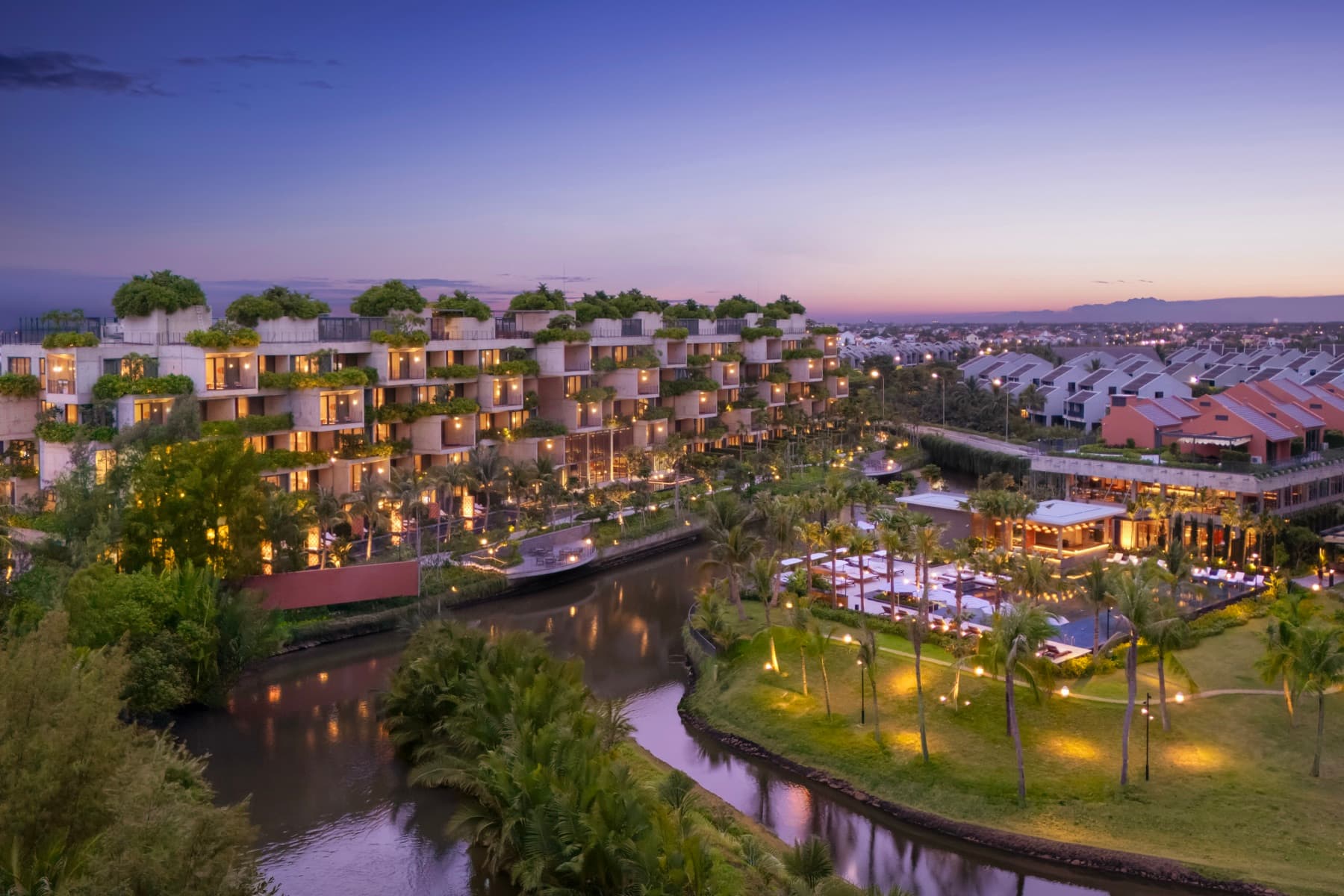
Marble Is No Longer Enough for Asia’s Luxury Travelers
The lobby can still sparkle. The room rate now has to buy back time, solve family logistics, protect sleep, and connect guests to the place outside.
7 min · Aug 17, 2026
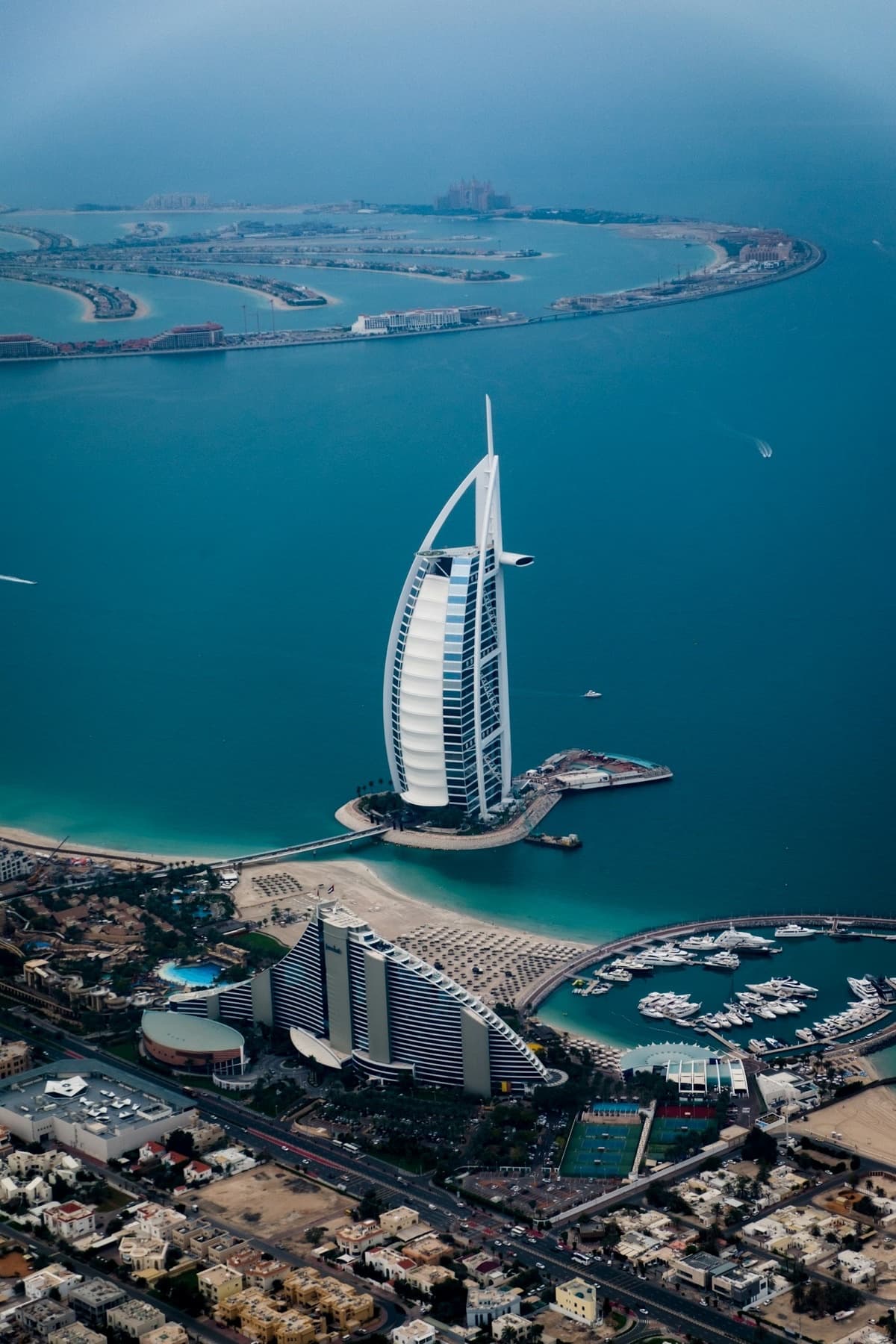
Dubai Is Not Subtle, but That Does Not Mean It Is Stupid
Dubai rewards travelers who can enjoy scale without irony poisoning.
4 min · Mar 28, 2026
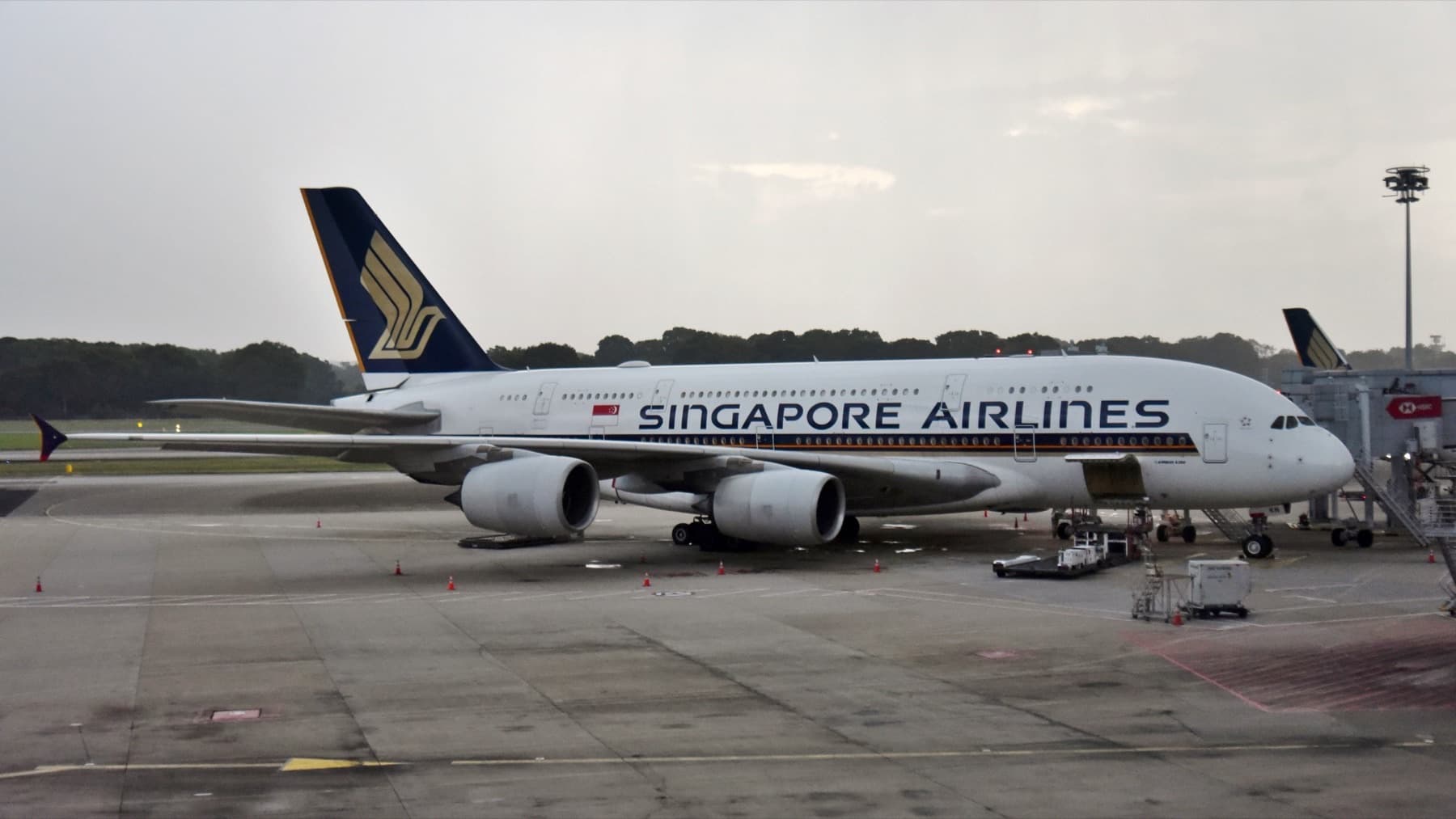
Singapore Airlines Is Adding Nearly 25% More A380 Flights This Winter
More double-decker flights to Melbourne, Shanghai, and Auckland mean more Suites and Business seats via Singapore. If you are flying Frankfurt this winter, check the aircraft type.
5 min · Aug 10, 2026