
Why Asians Love to Travel
The ticket is often the gathering. Income helps. The holiday calendar insists. It is less a personality than a map.

Article
Pew Research Center, reading Census data, put the U.S. Asian population at nearly 25 million in 2023. That is about 7 percent of the country. They remain the only major racial group that is still majority immigrant. Fifty-four percent were born somewhere else.
That single fact does more work than a slogan about wanderlust. A lot of those households have a living room on one ocean and a grandmother on the other. The road trip does not reach Manila. The plane does.
A Nielsen study from 2013 found Asian Americans 43 percent more likely than the general population to travel abroad for leisure. About half had taken a domestic flight in the previous year. They were 46 percent more likely to have sat in first class on a foreign trip. The survey is old. The ocean has not gotten shorter.
The love, if you want to call it that, has a boarding time.
The money that makes the seat possible
Income is the unromantic half of the story, and it is real.
The Census Bureau's 2025 household-income report, released this month, put the median for Asian-headed households at $126,300. The median for all U.S. households was $87,460. Asian households sat at the top of the groups the bureau publishes.
That median is a headline, not a household. Pew's finer cut of 2021–23 Census data found Indian-headed households at $151,200 and Taiwanese-headed households at $133,300. Burmese-headed households were at $67,600. Mongolian-headed households were at $54,300. Some of these families buy business class without blinking. Some of them are buying the cheapest Tuesday departure and splitting a hotel near the auntie.
More education rides along with the higher medians. Pew put 56 percent of U.S. Asians 25 and older at a bachelor's degree or more, against about 36 percent of U.S.-born adults in the same age band. Taiwanese adults were at 83 percent. Laotian adults were at 18 percent. The ticket-buying class is not "Asians." It is a set of households that can pay, next to a set that cannot.
When the body cannot go, the money sometimes still does. In Pew's 2022–23 survey, 27 percent of Asian American adults had sent remittances to someone in their ancestral homeland in the prior year. Twenty percent had given to a charity there. The transfer is a cousin of the ticket. Both are how you stay in the room.
The year arrives in clumps
On the other side of the ocean, the habit is older than the diaspora version.
Leave in much of East Asia shows up in a pile. Lunar New Year. China's National Day Golden Week. Chuseok, which is this week in Korea. Mid-Autumn, which is this weekend in China. Obon in Japan. A wedding weekend that requires the cousins from three cities. You use the days or you miss the room where everyone else is.
MMGY Travel Intelligence, the travel-research firm, surveyed more than 4,000 people who already take international trips in China, India, Australia, Japan, and South Korea. The February release said travelers in China and India expected 3.2 to 3.5 international leisure trips in the next twelve months. Travelers in Japan, South Korea, and Australia expected 1.9 to 2.3. Chinese respondents put mean spend around $7,750 a trip. A third of the Chinese sample and 38 percent of the Indian sample had flown business or first in the past year. That is a survey of people who already leave the country, not a census of every household. It still tells you what the frequent-flyer version looks like.
Hilton's Asia-Pacific family survey, fielded last August among households where grandparents already travel with the family, found that 48 percent take a holiday with three or more generations at least once a year. In China the share was 78 percent. In India, 65 percent. Six in ten said quality time mattered more than downtime. Culinary wandering and old buildings led the activity list. The hotel is selling rooms. The celebration is still the trip.
Visa's 2026 travel-intentions study, with more than 17,000 Asia-Pacific respondents, found 63 percent had traveled inside the region. Thirty-seven percent said they plan around food and culture, against 29 percent globally. Japan was the destination named most often. The short hop is doing a lot of the "love of travel" work. You do not need a personality type to explain a four-hour flight to eat something your uncle will argue about.
What the ticket is actually for
Wanderlust is a brochure word. Showing up is the one that gets the ticket bought.
In a lot of these families, presence is the offering. A nice dinner in the same city is not the same as being in the apartment. Filial duty gets oversold by people who have never sat through the afternoon. The plainer version is this: if the people you are supposed to see live eight hours away by air, you will buy air. You will buy it for a funeral, a first birthday, a new baby, a parent who is suddenly older. You will also buy it because the group chat decided on Phuket and nobody wanted to be the one who stayed home.
That is celebration travel with a longer memory than the American "destination wedding" cycle. AAA found this year that most Americans who plan to travel are wrapping the trip around a birthday, a reunion, a wedding. The Asian and Asian American version of that sentence has been true for a while. The calendar just made it official.
It is also why the boarding group looks the way it does. Dark hair, yes. Backpacks, sometimes. More often a hard-sided suitcase and a teenager who would rather be anywhere else, which is how you know it is a real family trip.
Book the extra seat
If you are the person buying, stop treating North America and "home" as two different hobbies. They are often the same ticket, with a layover. If you are the person selling, stop writing copy about finding yourself. Sell the connecting room, the extra seat, the date that already exists.
Chuseok is this week. China's Golden Week begins October 1. Lunar New Year is the winter clump. The next tickets are already moving. Call it love if it helps you pack. Pack anyway.
Related stories
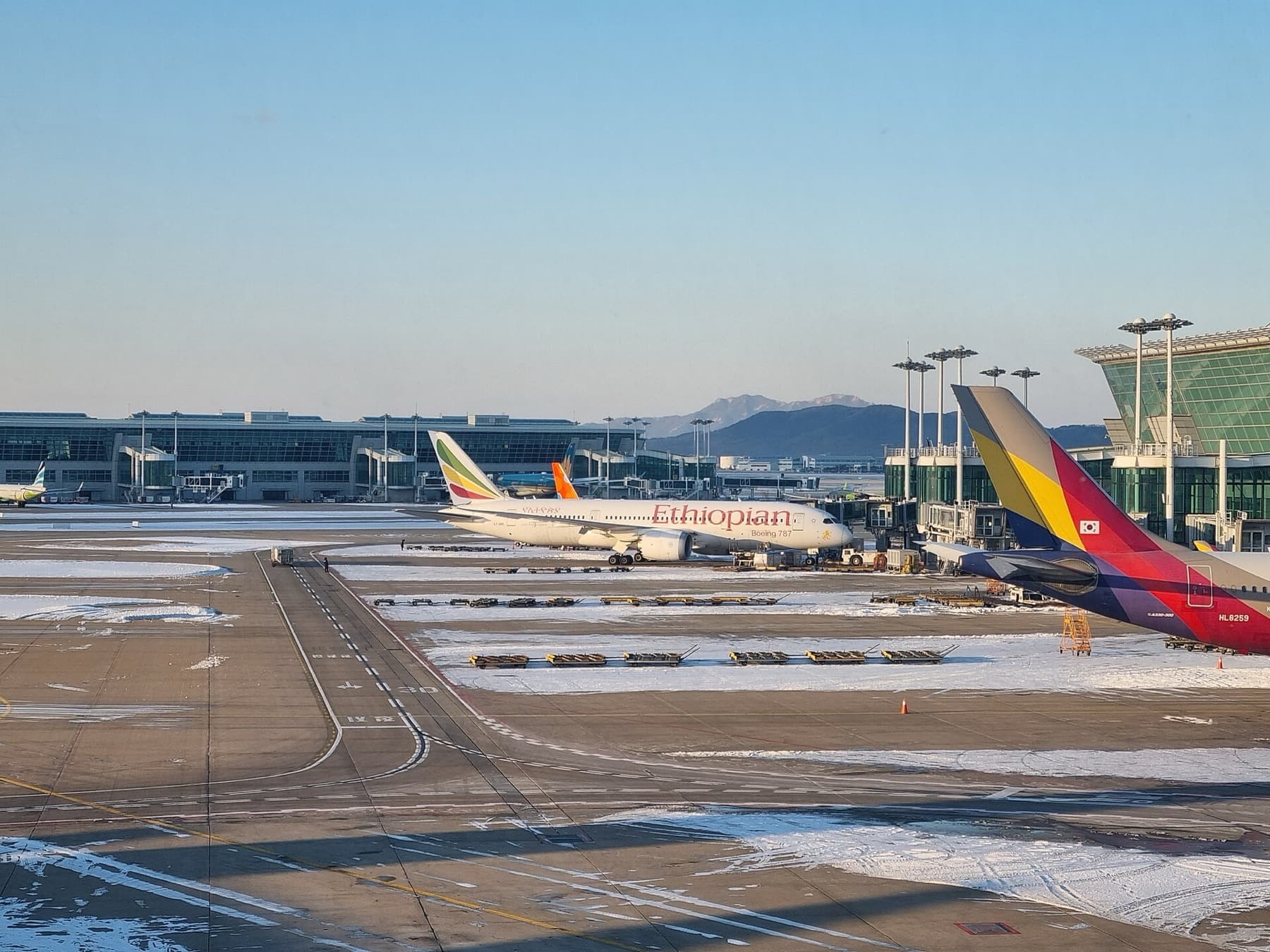
Where Asian Travelers Are Headed in 2026
Outbound Asia is not a single queue for Japan anymore. Three passport stories are reshaping where the region actually goes on holiday this year.
7 min · Sep 19, 2026
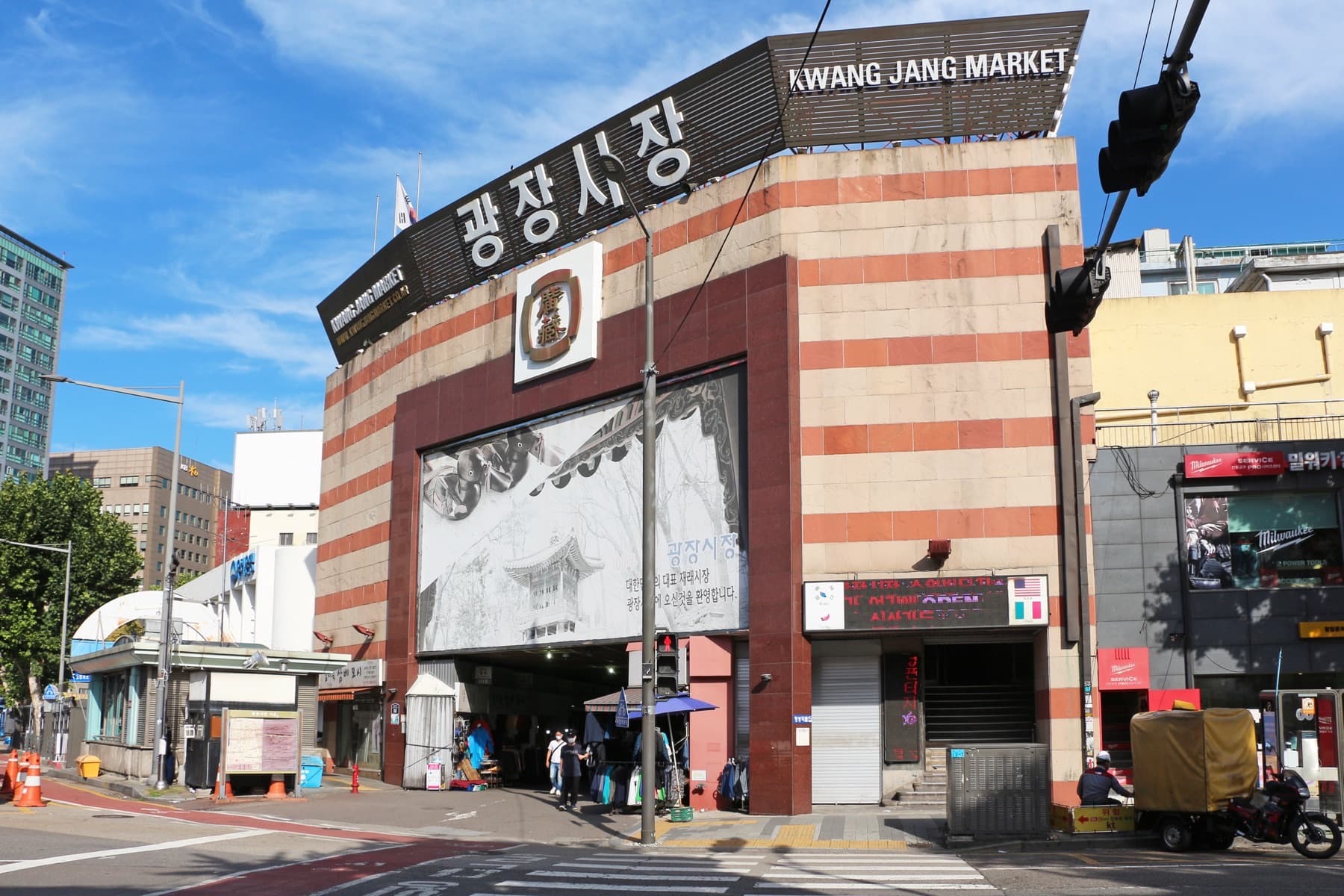
Diaspora Summer: Build a Heritage Trip Without the Guilt Itinerary
One relative day after you’ve slept. Then markets, subway, and empty afternoons—with jangma and typhoon season treated as logistics, not vibes.
6 min · Aug 3, 2026
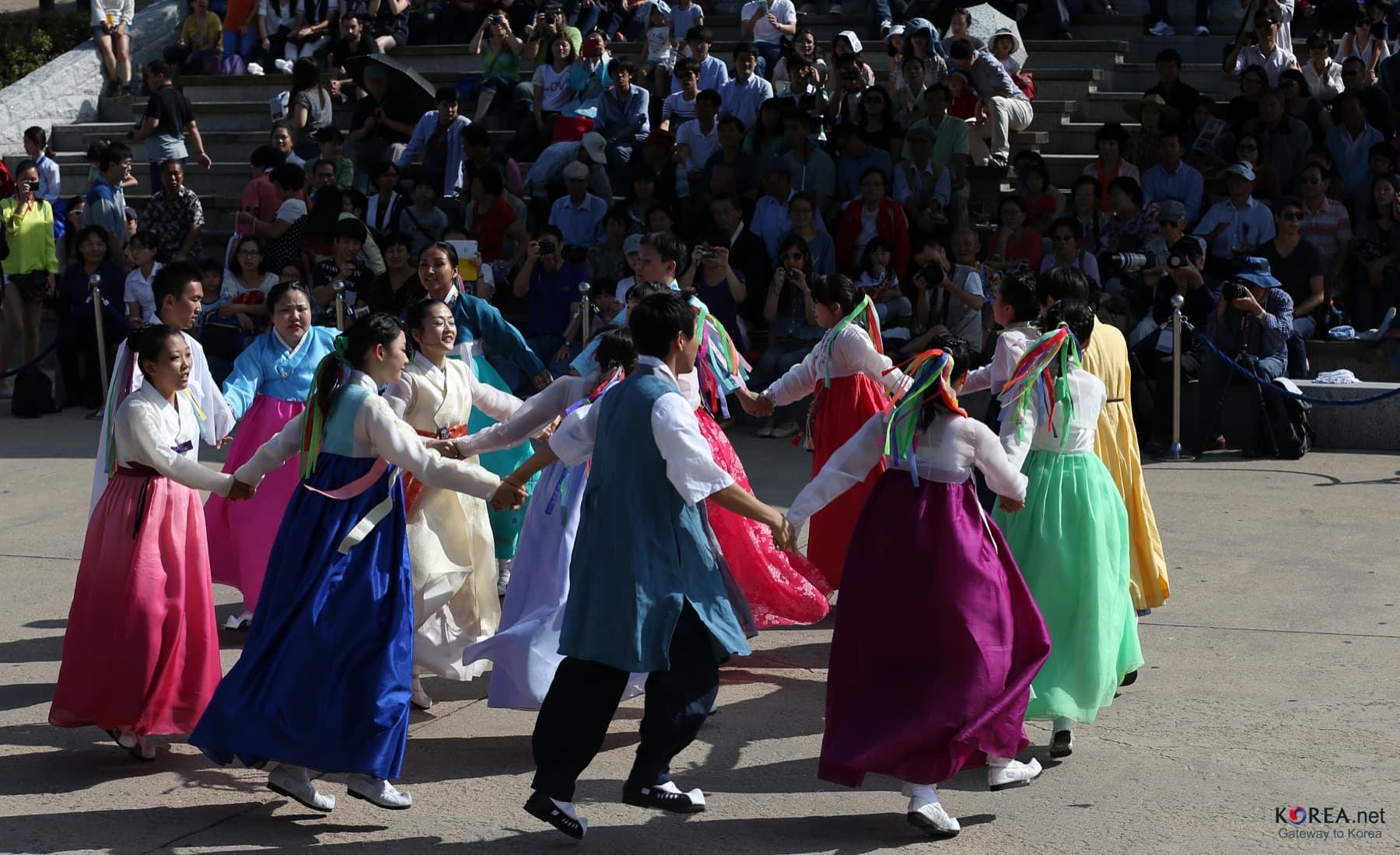
Chuseok in Korea: What It Is and How to Celebrate
Songpyeon, ancestor tables, hometown trains, and quieter city streets: a traveler’s guide to Chuseok 2026, from meaning to a practical celebration plan.
7 min · Sep 3, 2026

Asian Travelers Are Going to Canada Instead of the United States
The United States is losing Asian visitors. Canada caught part of that demand in 2025 and early 2026, then posted a July in which overseas arrivals rose while Asia fell. The continent trip is no longer an automatic American booking.
7 min · Sep 24, 2026