
Chuseok in Korea: What It Is and How to Celebrate
Korea’s autumn harvest holiday falls September 24–26. Here is what families actually do, and what a visitor can join without crashing a private rite.
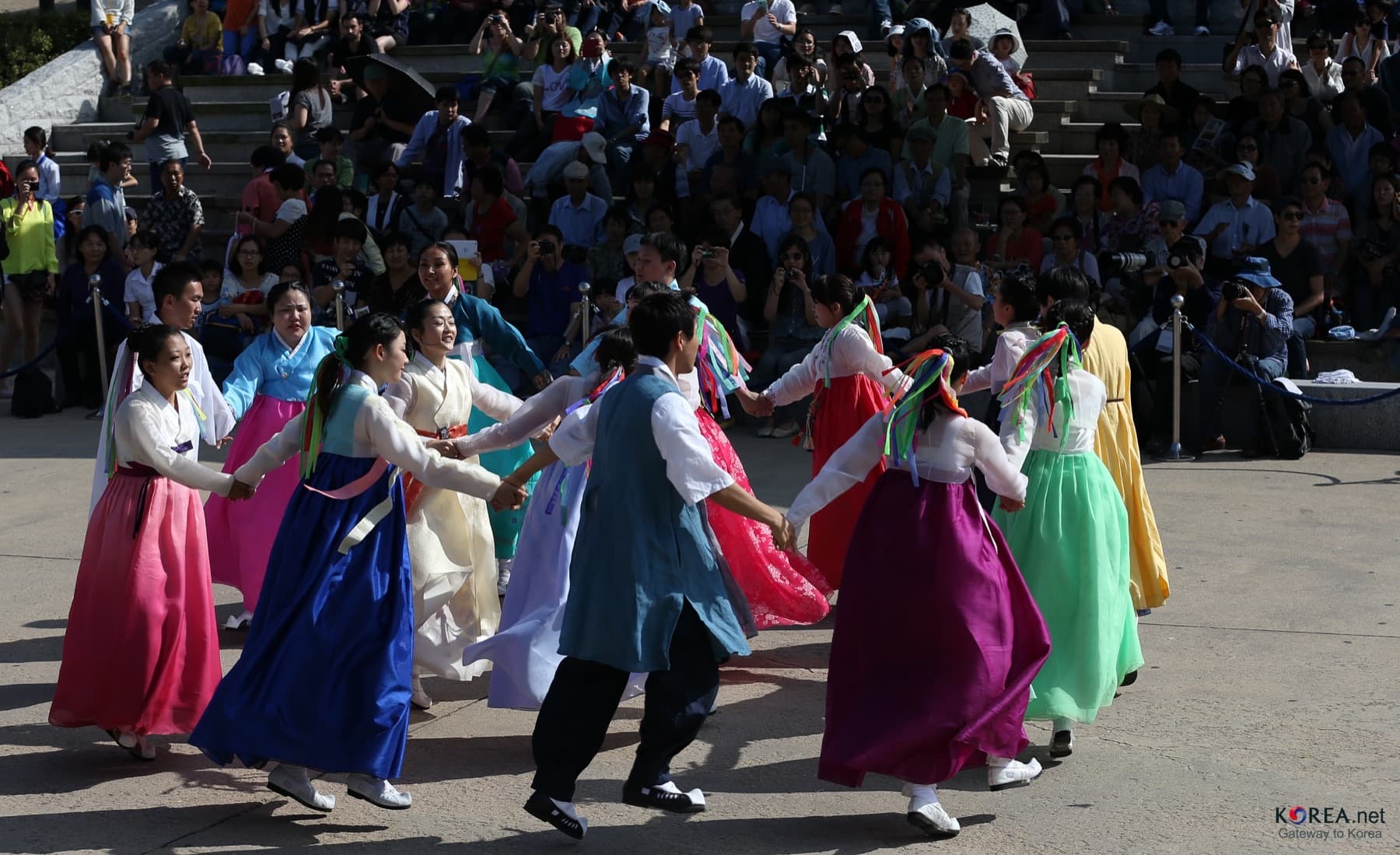
If you are in Korea in late September, the country briefly rearranges itself around a holiday that guidebooks still rush to translate.
Chuseok, also called Hangawi, is Korea’s autumn harvest holiday. In 2026 it falls on Friday, September 25, with the official public break running Thursday the 24th through Saturday the 26th. It is less a street festival than a nationwide homecoming. Trains fill. Neighborhood restaurants shutter. Palaces and department-store food halls keep working. The useful question is what the holiday asks of Korean families, and what a visitor can join without treating someone’s ancestral table as a photo op.
On the lunar calendar, Chuseok is the fifteenth day of the eighth month: harvest-moon night, historically the moment to thank the year’s crop and the people who came before you. The Korea Tourism Organization groups it with Seollal (Lunar New Year) and Dano as one of the country’s three major traditional holidays. Hangawi, the older name, is often glossed as the great mid-autumn day.
The private core is reunion. Adult children travel to parents or to the family’s head house. In the morning, many families hold charye, a memorial rite for ancestors, with a carefully arranged table of food and drink. Freshly harvested rice, alcohol, and songpyeon (half-moon rice cakes) belong on that table. After the bows, relatives eat together, a sharing sometimes called eumbok. Another custom, seongmyo, takes people to ancestral graves to tidy the ground and pay respects. Those rites are not public tourism. If you are not invited, you are not missing a ticketed experience. You are correctly staying outside a family room.
If Chuseok has one edible symbol, it is songpyeon. Rice flour dough, often smaller than a golf ball, gets filled with sesame, beans, sweetened red bean, chestnut, or honey, then steamed over pine needles. The pine scent is why the name starts with song. Families still make them together on the eve when they have time; plenty of people also buy them. A folk line says whoever shapes the prettiest cakes meets a beautiful spouse or has a beautiful child. Treat that as holiday banter, not doctrine.
Around the rice cakes sit the rest of the feast vocabulary: jeon, the savory egg-battered fritters of fish, meat, and vegetables; galbijjim, braised short ribs; hangwa sweets; sikhye, the sweet rice punch. You will find songpyeon in bakeries, traditional markets, convenience stores, and the basement food halls of big department stores even when the side-street restaurant you loved on Tuesday is closed for the hometown run.
Celebrate the public holiday, not the private rite.
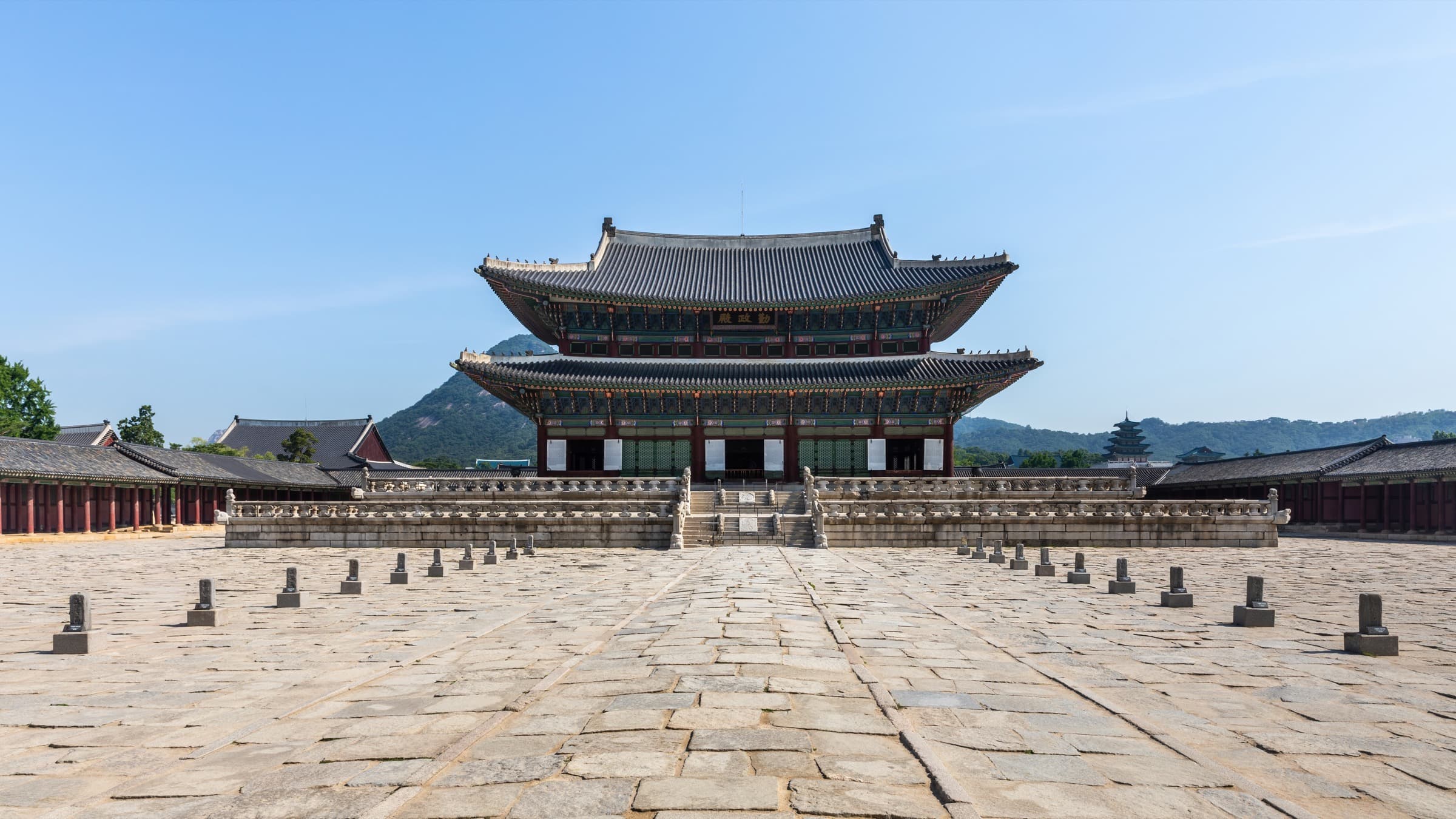
Start with food. Buy songpyeon early in the holiday window and try one filling you have not had. Walk a palace or royal tomb site if it is open; heritage grounds often stay open when family kitchens do not. Rent hanbok only if you want the holiday look without pretending the costume is your family’s ceremonial dress. The Korea Tourism Organization notes that rentals cluster near royal palaces and hanok villages for occasions like this.
Then look for folk culture staged for the public. Ganggangsullae, the hand-holding circle dance tied to full-moon and harvest nights, shows up at folk villages, cultural festivals, and outdoor programs. Jegichagi (shuttlecock kicking), yutnori board games, pungmul drumming, and mask dance appear in the same programming. In Seoul, Namsangol Hanok Village is an easy base for games and performances. Outside the city, the Korean Folk Village does the same job with more costume and less chance of wandering into a private charye.
Check calendars for late September into early October. Seoul’s Autumn K-Royal Culture Festival lands in early October this year, with advance reservations opening September 4. It is close enough to share the cultural mood, and separate from the three Chuseok holiday days themselves.
The logistical Chuseok is the one that will shape your booking this week.
Korail is selling tickets for holiday trains running September 23 through 27. Priority sales for eligible passengers (seniors 65 and over, registered disabled travelers, certain national-merit recipients, and pregnant travelers) run September 3 and 4. General sale runs September 7 through 11, mornings only, split by line and train type. Bookings are online through the Korail+ app and a dedicated holiday page. This is also the first holiday rush under Korail and SR’s integrated membership. If you only have an old SR login, convert before you try to buy.
Without a confirmed seat, stay put. Seoul’s subway still moves when the highways do not. Expect many small restaurants and some offices to close. Convenience stores, major museums, theme parks, and tourist-heavy districts usually keep going. Confirm hours a day or two ahead. Do not plan a last-minute Busan or Jeju dash on the 24th and call it spontaneous.
Chuseok asks Koreans to go home, bow, eat, and look after the graves of people who made the harvest possible. For a visitor, the honest version is smaller: learn the name, taste the pine-scented rice cake, watch a circle of dancers if you find one, and give the trains to the families who need them.
If you are already in Korea for late September, book the seat this week only if you must travel. Otherwise buy songpyeon, pick one open palace morning, and leave the ancestral rooms to the people who belong in them.
Related stories
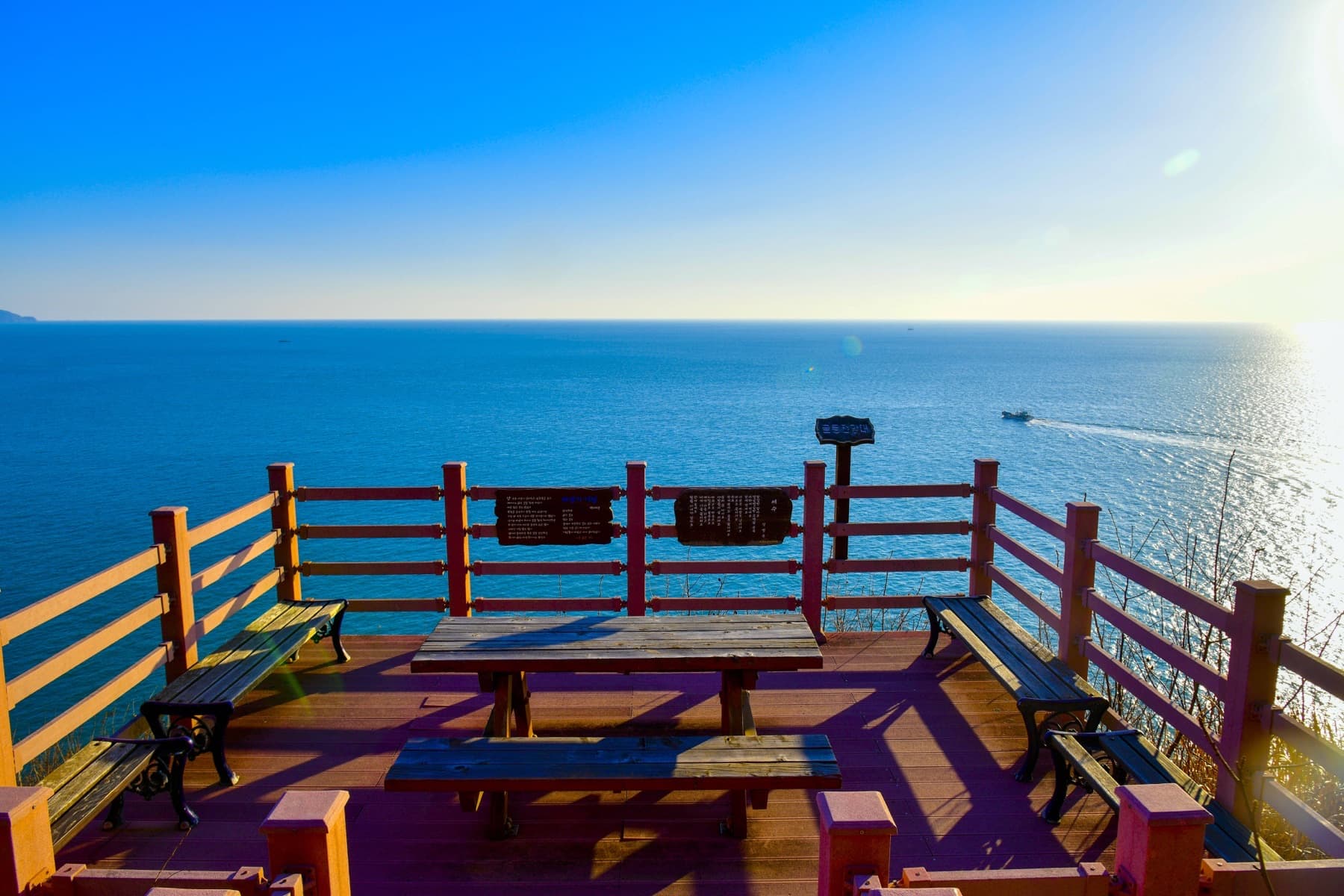
What It’s Like Exploring Yeosu’s Under-the-Radar Isles
Odongdo’s breakwater, Dolsan’s cliff temples, and short hops to Gaedo and Geumodo still sit outside most Seoul itineraries. Here’s how to use the expo season without letting the expo run the week.
7 min · Sep 3, 2026
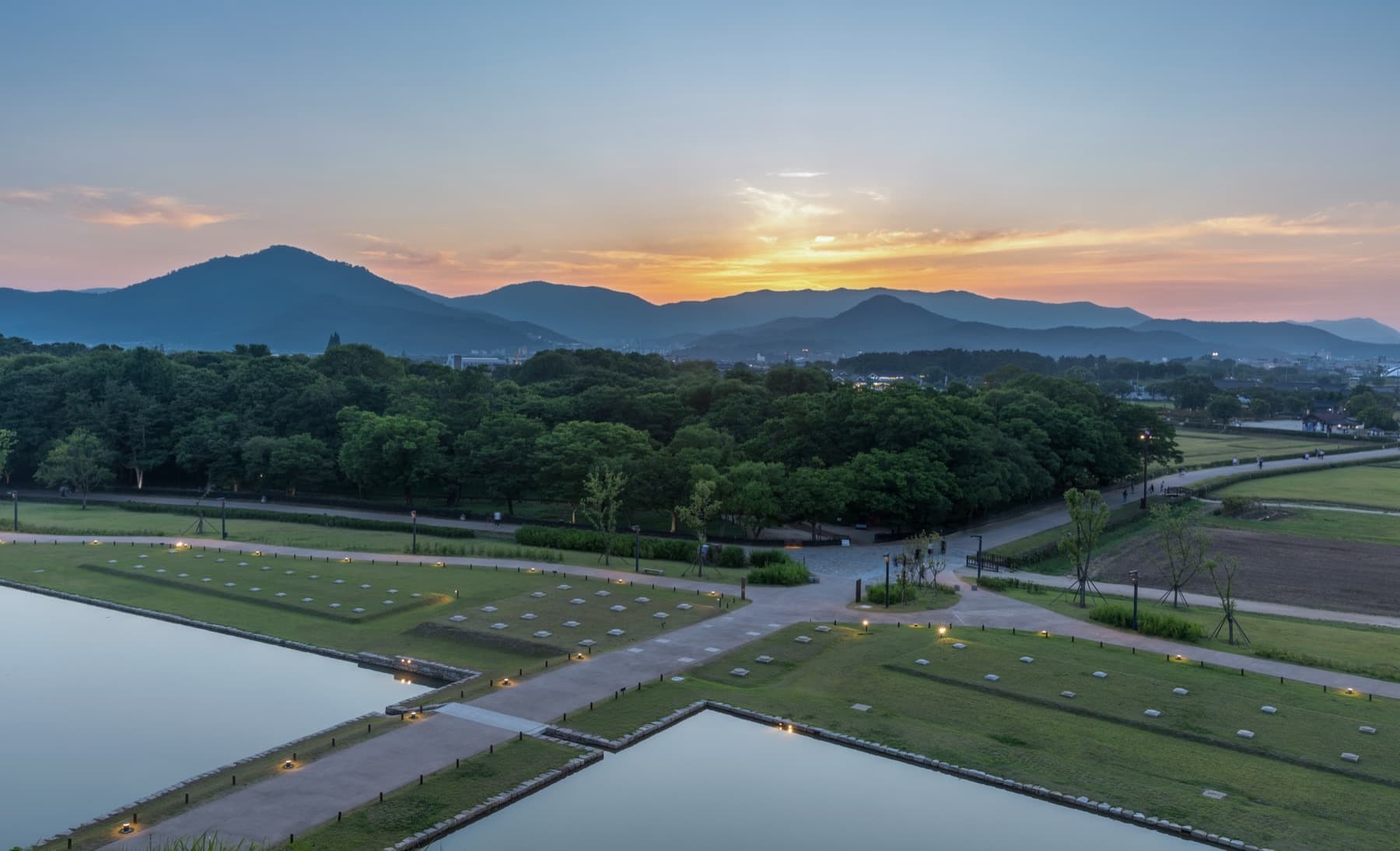
Korea Just Bet on Gyeongju and Haeundae to Pull You Out of Seoul
Gyeongju and Haeundae are Korea’s first Global Tourism Special Zones. Here’s what the ministry is funding, and how to plan a trip that actually leaves the capital.
5 min · Jul 31, 2026
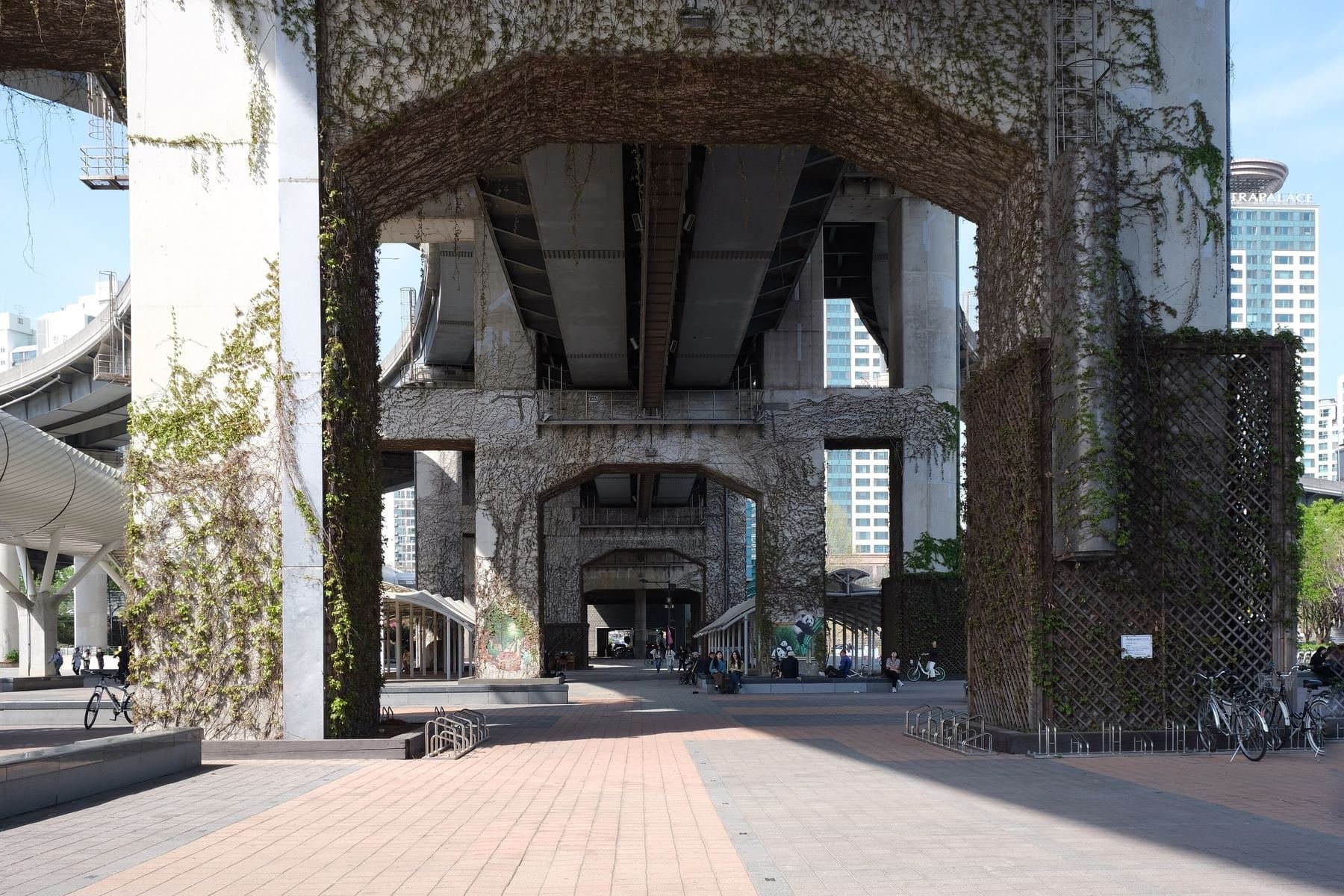
After the K-Drama: How to Do Seoul Without the Set-Jet Checklist
Ninety-four percent say K-culture sparked interest in Korea. Here’s a neighborhood-first week that does not turn into a location scavenger hunt.
6 min · Aug 3, 2026
Korea’s Sidewalks Are Crowded for a Reason
KTO’s H1 numbers show China still leading while Taiwan and the US sit far above 2019 baselines. Here’s what that density feels like in Seoul, and why Busan belongs on the map.
4 min · Jul 25, 2026