

Bali
Two bases, room to breathe
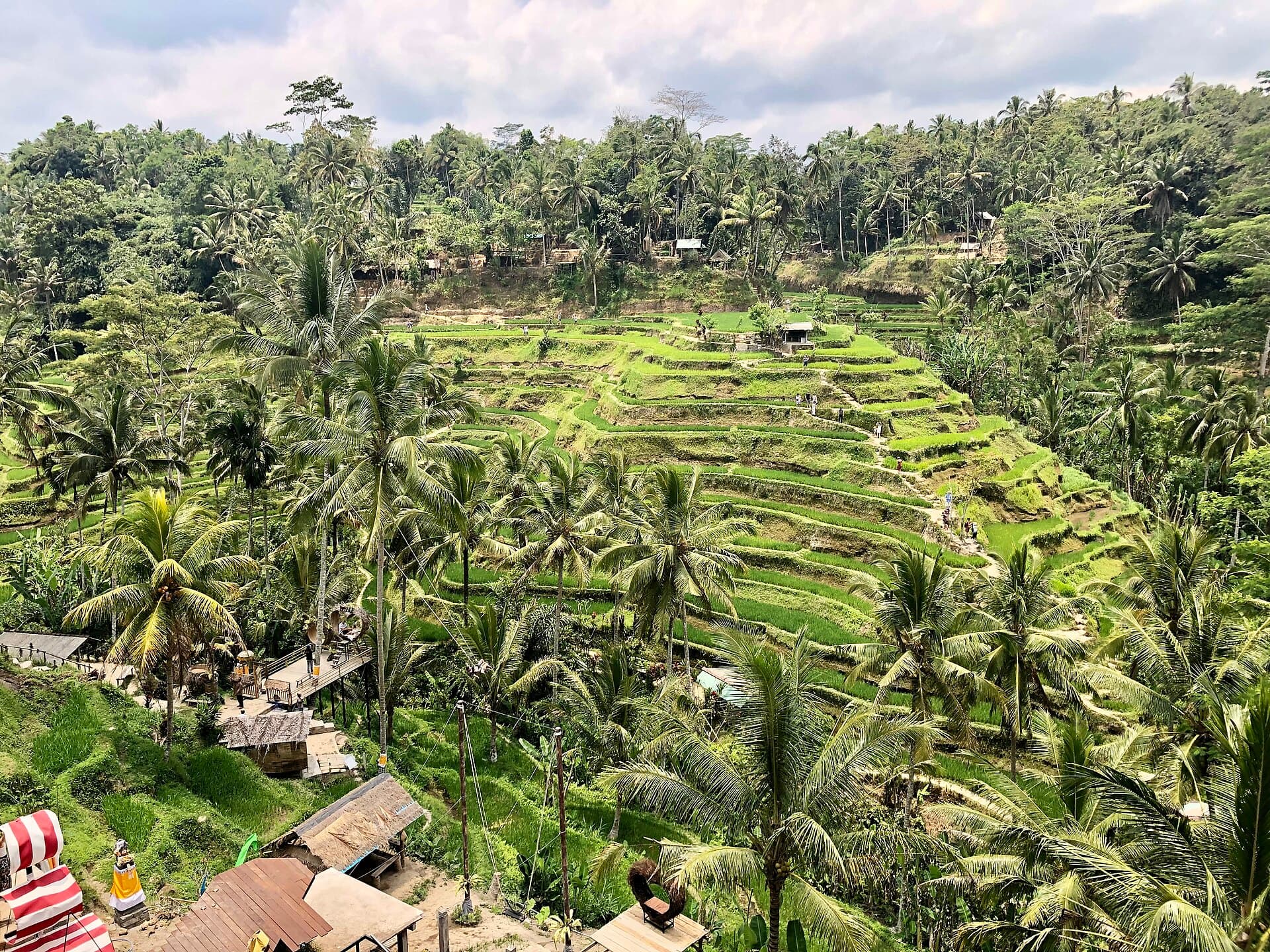
Pinterpandai / “Tegallalang Rice Terrace” / resized from original
Bali is most generous when you stop trying to collect the whole island. Give yourself one inland rhythm—Ubud mornings, warung dinners, a terrace walk before the tour vans arrive—and one southern stretch for beach light and easier evenings in Seminyak, Canggu, or Uluwatu. A mid-trip transfer between those two bases usually feels better than seven temple stops threaded through three hours of traffic.
The island still asks for a little patience on day one. e-VOA, the Love Bali levy, and a customs declaration belong before you argue with the transfer desk; then the drive itself becomes part of the trip. Seminyak can be under an hour from DPS when roads cooperate. Ubud often wants closer to ninety minutes or more. That gap is information, not a failure of planning.
What you get for the restraint is bandwidth: a temple morning with a sarong tied properly, a babi guling lunch you did not negotiate in a group chat, and an afternoon that is allowed to be quiet. Dry season helps. Peak July and August crowds do not erase Bali; they just reward earlier starts and fewer heroic day stacks.
| Best months to visit | April–October for more reliable dry-season roads. July–August brings peak crowds and slower southern traffic. |
| Primary airport(s) | DPS (Ngurah Rai) sits in the south |
| Ease for first-timers | 6/10 |
| Trip intensity | Moderate |
| Typical budget feel | Comfortable |
| Suggested trip length | 8–12 days |
Transpacific Bound destination editorial. Not live pricing or availability; confirm seasons and entry rules before booking.
Why go now
Online levy and e-VOA steps make arrival calmer, and a two-base week still feels more generous than an island-wide sprint.
Who this trip is for
Travelers who want craft, temples, and beach time without heroic daily drives—and who will hire a driver or use Grab/Gojek instead of circling the island.
First-timer move
Split the stay: Ubud for three nights, then Seminyak, Canggu, or Uluwatu. Pre-pay the Love Bali levy and e-VOA so arrival is paperwork, not improvisation.
Repeat visitor angle
A second trip can leave Seminyak earlier for quieter Sanur mornings, a longer Ubud stay without Tegallalang crowds, or a Bukit base focused on Uluwatu and nearby beaches. Skip repeating the same cafe loop unless you are hosting someone new.
Where to stay
Choose Ubud for inland craft and calmer nights, Seminyak for restaurant density near the coast, Canggu for surf-and-cafe energy with heavier traffic, or Uluwatu for cliff temples and Bukit beaches. Sanur and Nusa Dua suit travelers who want a quieter or more resort-shaped south.
Under normal conditions, Canggu or Seminyak to Ubud often takes one to two hours. Ubud to Uluwatu often takes two to two and a half hours. Hire a driver for temple days if your group prefers not to negotiate scooters and parking. Grab and Gojek work in the south; coverage thins on some inland roads—confirm pickup points.
What to eat
Warungs for babi guling, bebek, and nasi campur; keep cafe culture as a side dish, not the whole menu.
Cultural fluency notes
Apply for e-VOA on the official Indonesian immigration portal before you fly when eligible; airport VOA queues run longer at peak banks. Pay the Love Bali levy (IDR 150,000 per foreign tourist, once per trip) at lovebali.baliprov.go.id and save the QR code—ignore lookalike domains. Complete the customs e-CD on the official Beacukai site before arrival.
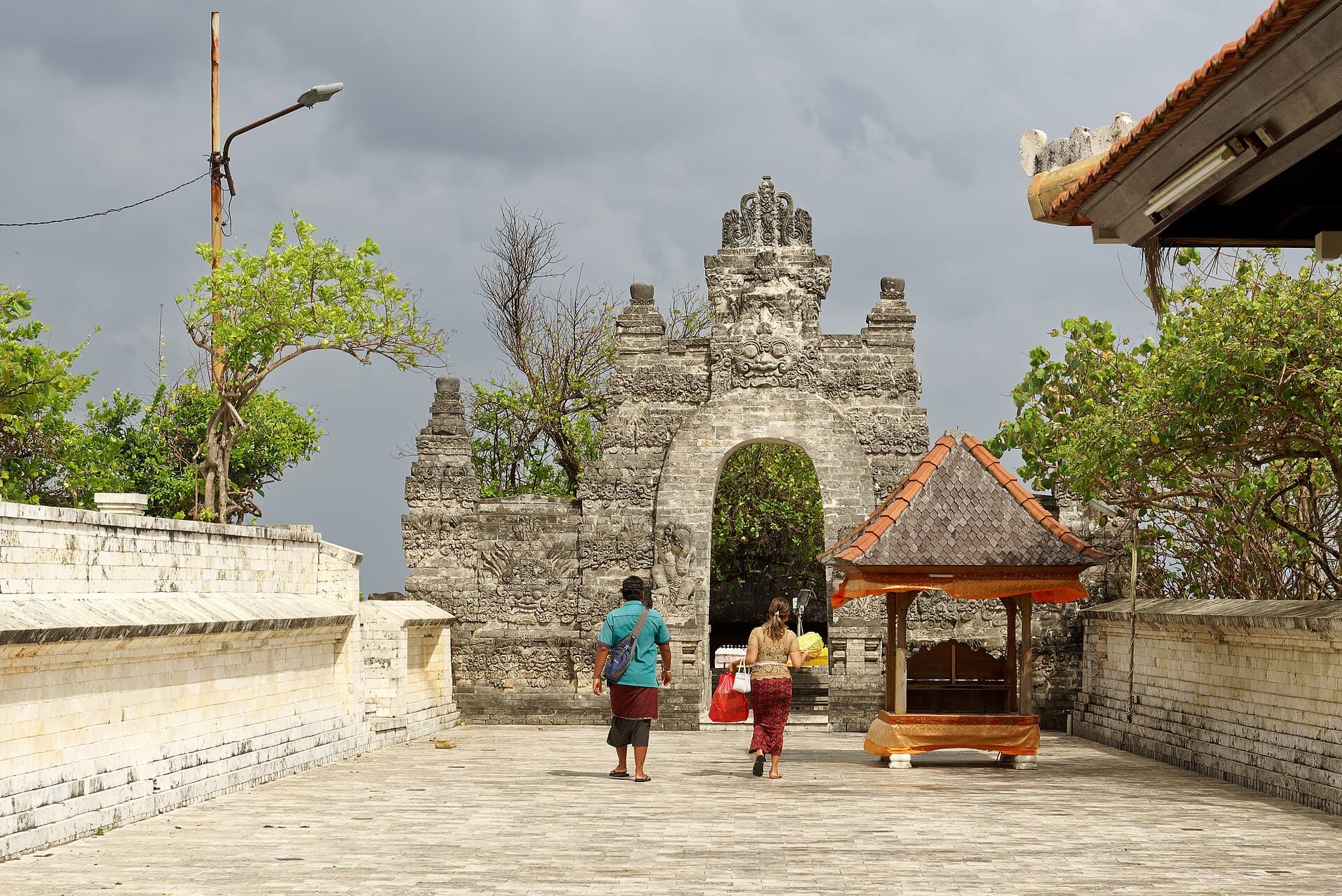
Cover shoulders and legs for temple compounds; sarongs are often available for rent or loan at major sites such as Pura Luhur Uluwatu. Cash still helps at warungs and small offerings; cards work more widely in tourist belts. Monsoon rain and ceremonial days can close roads or slow transfers without warning.
What diaspora travelers may notice
For Indonesian diaspora travelers, Bali can feel like home and like a stage set in the same afternoon: a ceremony that lands with quiet recognition, then a beach club priced for visitors who will never hear the offering music. Both reactions can sit next to each other without needing a verdict.
If family or ceremony pulls one day, let it. Build the rest of the week around two bases so the trip still has rest in it—not only obligation and content.
Worth the splurge
A rice-terrace villa with a private pool near Ubud, or a cliff-side stay on the Bukit with a reserved Uluwatu sunset plan.
What not to do
Do not schedule Ubud temples, Tegallalang, and Uluwatu sunset on the same day. Do not pay the tourist levy on a random .com site. Do not treat scooters as mandatory for every traveler. Do not fill every morning with dawn ceremonies and call the exhaustion spiritual.
Best paired with
Singapore is the easiest urban reset before or after Bali. Bangkok adds food intensity. Kuala Lumpur works as a shorter Southeast Asian city contrast with clearer rail logistics.
Best time to go
April–October for more reliable dry-season roads. July–August brings peak crowds and slower southern traffic.
Airport notes
DPS (Ngurah Rai) sits in the south. e-VOA, Love Bali levy (IDR 150,000 via the official .go.id portal), and customs e-CD come before the transfer. Ubud can take 60–120 minutes; Seminyak often 25–45.
A 5-day editorial itinerary
Day 1
Land at DPS with e-VOA, Love Bali QR, and customs declaration ready. Transfer to your first base—Ubud if inland calm matters, Seminyak or Canggu if you want an easier first night near the coast. Warung dinner near the hotel; early sleep.
Day 2
If based in Ubud, take a morning temple or craft block and an optional early Tegallalang terrace walk before tour buses peak. Keep afternoon light. If based in the south, use the day for beach time and a reserved dinner without adding Ubud.
Day 3
Stay in the same region for a cooking class, market stop, or spa block. Repeat a warung you trusted. Avoid a long cross-island transfer today.
Day 4
Transfer to the second base with traffic buffer. Southern travelers heading to Uluwatu can plan a late-afternoon temple visit with sarong etiquette and a sunset window; Ubud arrivals should keep the first evening quiet after the drive.
Day 5
One focused morning in the second base, then DPS with more buffer than feels necessary—southern traffic and airport banks punish tight connections. Island hops to other Indonesian destinations need separate flight and ferry logic.
What this place feels like
Related stories
Worth planning around
Upcoming Bali events
Related destinations
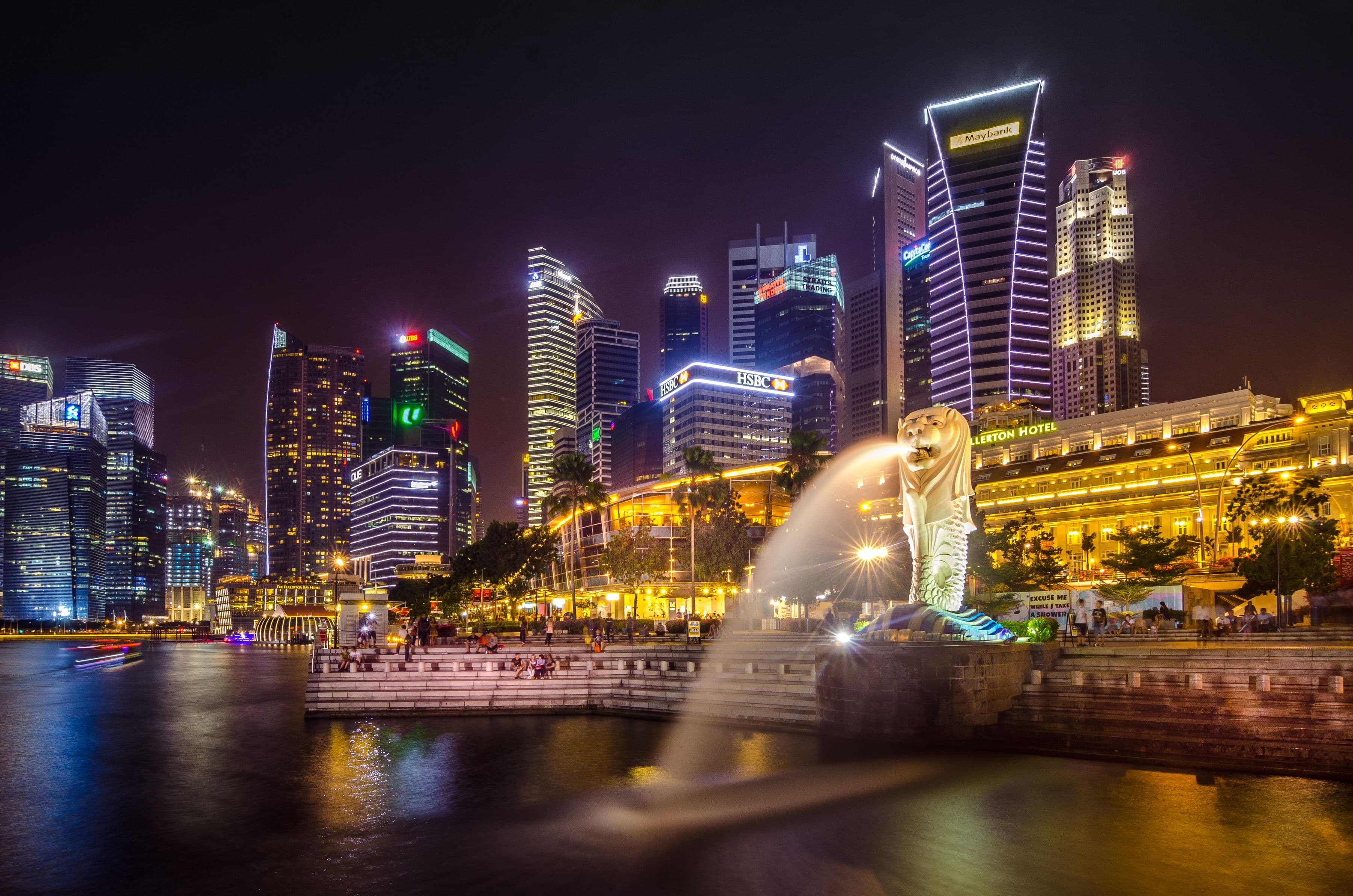
Singapore
Southeast Asia · Singapore
Luxury, order, and tropical city energy in a place that makes complexity feel effortless.
View guide →

Bangkok
Southeast Asia · Thailand
Street food temples, golden spires, and a city that rewards both chaos-embracers and luxury seekers.
View guide →
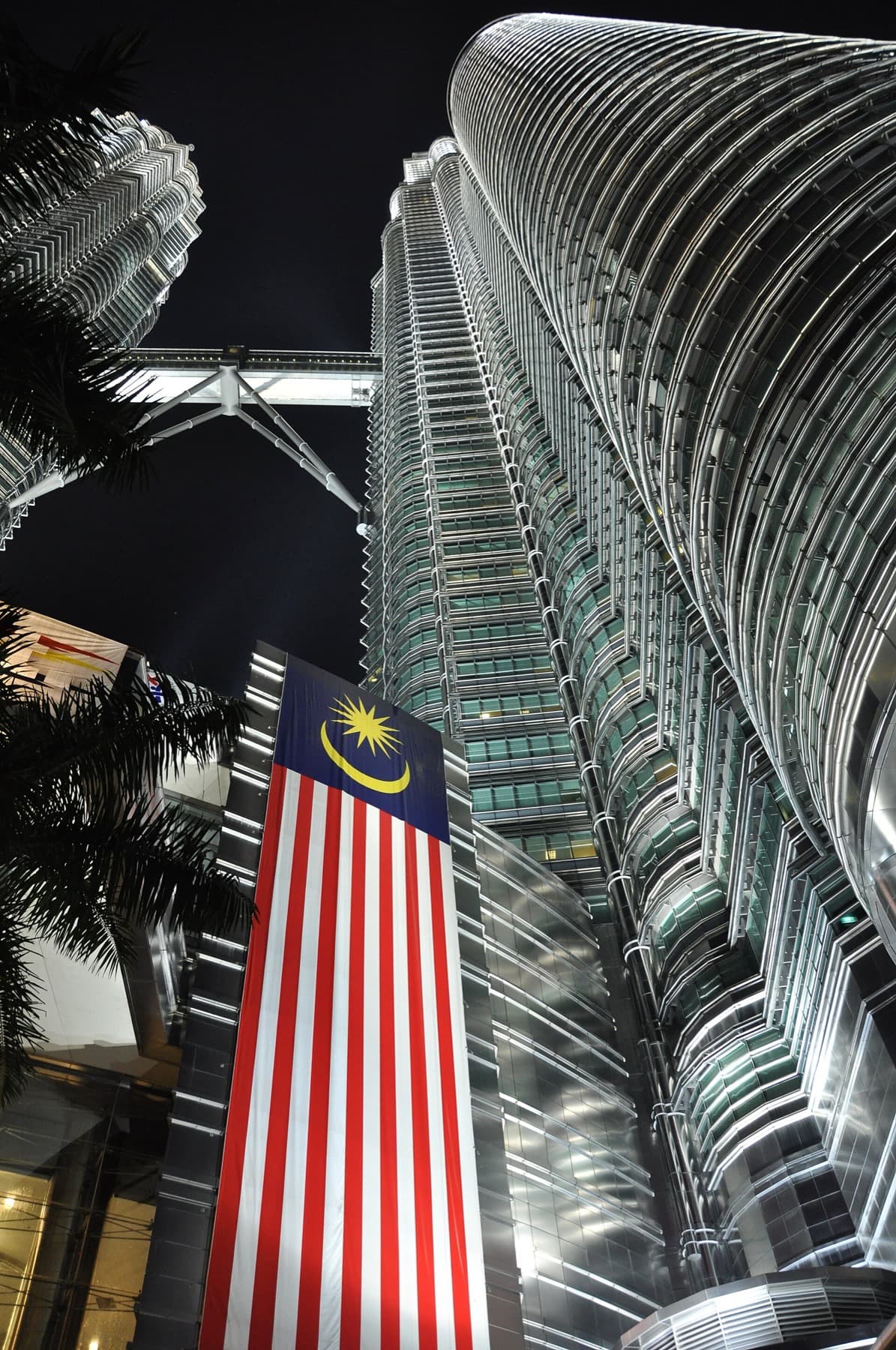
Kuala Lumpur
Southeast Asia · Malaysia
Kuala Lumpur travel guide to KLIA rail, Touch ’n Go transit, Petronas logistics, and Malay, Chinese Malaysian, Indian Malaysian, and mamak food corridors.
View guide →