

Kuala Lumpur
A heat-aware skyline city with Malay, Chinese Malaysian, Indian Malaysian, and mamak food corridors on named rail lines
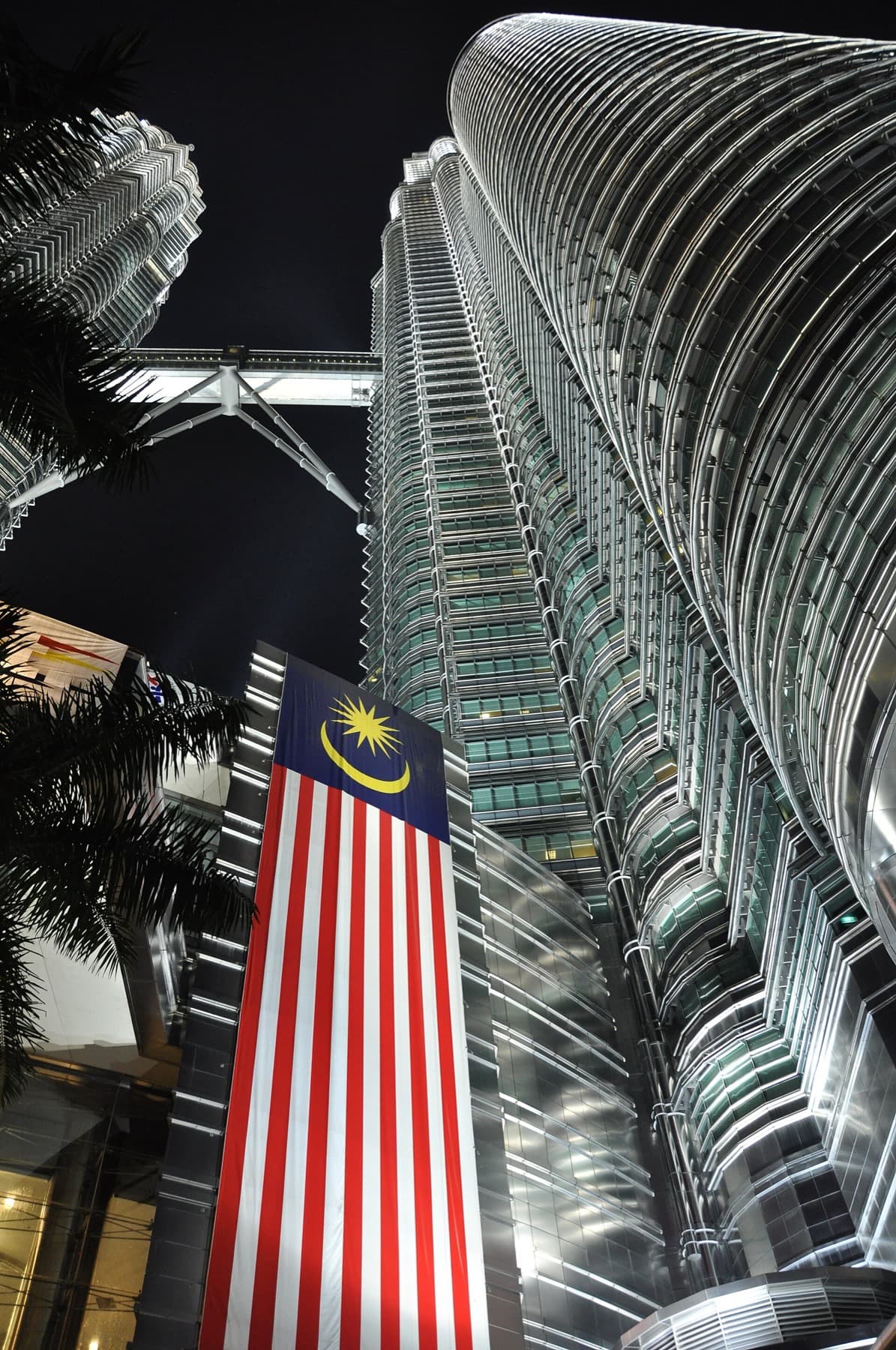
Dcubillas / “Petronas Towers at Night - from the base upwards” / resized from original
Kuala Lumpur works best for travelers who want a skyline base, clear airport rail, and several distinct food corridors rather than one generic hawker night. KL Sentral, Bukit Bintang, KLCC, Chinatown around Petaling Street, Brickfields, and Kampung Baru cover most first trips on MRT, LRT, monorail, KTM, and short Grab rides.
The food map is specific. Jalan Alor concentrates Chinese Malaysian street stalls beside Bukit Bintang. Kampung Baru is the practical Malay food village near the towers. Brickfields holds Indian Malaysian banana-leaf restaurants and shops beside KL Sentral. Mamak restaurants fill late-night gaps with roti canai, teh tarik, and rice plates across the city.
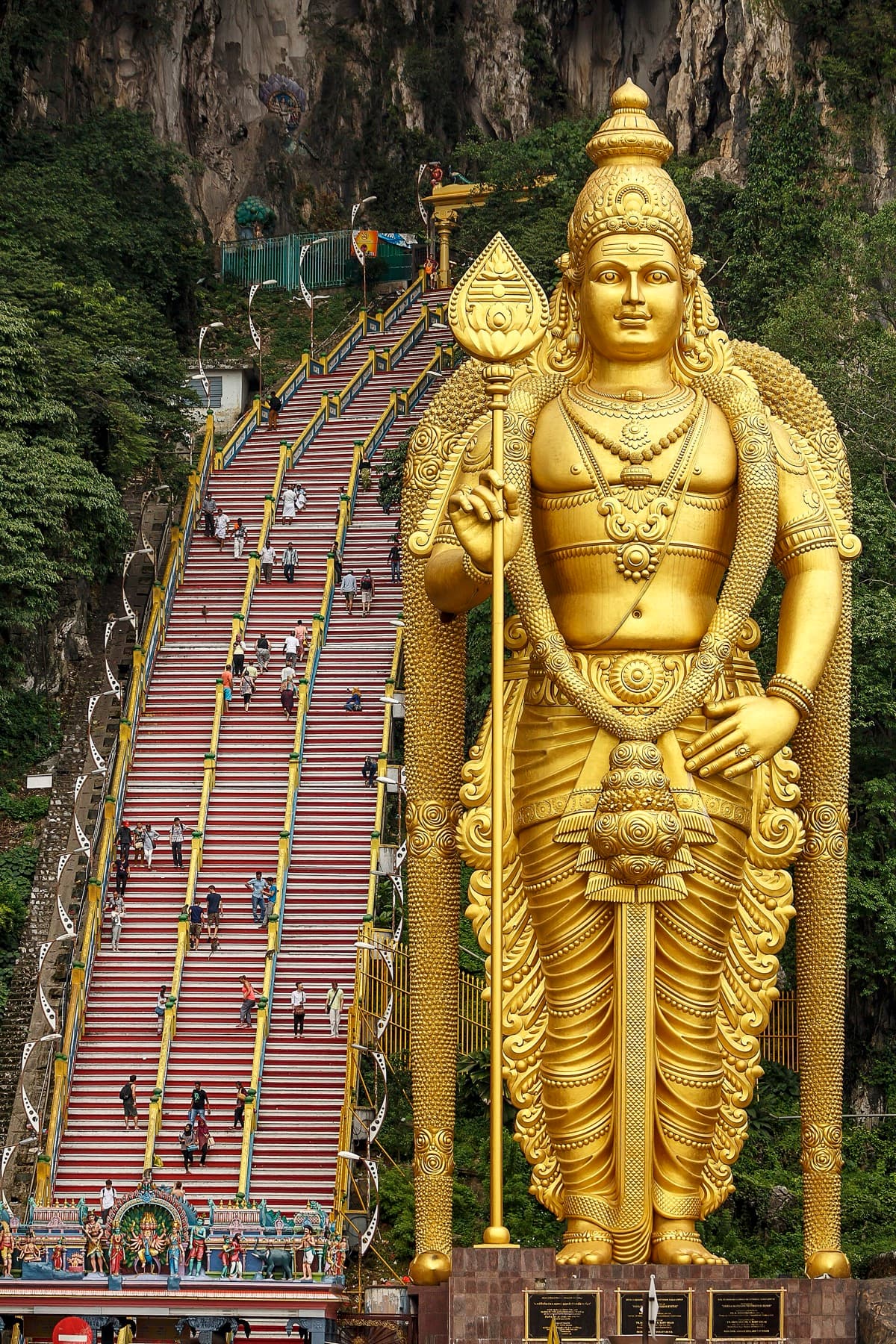
Five days leave room for arrival logistics, a Petronas or KLCC park block, one Batu Caves morning, repeated food corridors, and either a Melaka day or a slower museum-and-mall buffer before the airport train.
| Best months to visit | Heat is year-round. Shoulder months with fewer downpours are often easier for walking. Ramadan shifts daytime restaurant hours and intensifies night bazaars. |
| Primary airport(s) | KUL has Terminal 1 and Terminal 2 (klia2) |
| Ease for first-timers | 9/10 |
| Trip intensity | Easy |
| Typical budget feel | Smart value |
| Suggested trip length | 5–7 days |
Transpacific Bound destination editorial. Not live pricing or availability; confirm seasons and entry rules before booking.
Why go now
Airport rail, Touch ’n Go city transit, and timed Petronas tickets make a short KL stay more plannable than older generic stopover advice suggests.
Who this trip is for
Food-first travelers who want a manageable Southeast Asian capital with clear rail and Grab options, and who will plan around heat and rain.
First-timer move
Ride KLIA Ekspres to KL Sentral, keep the first night near Bukit Bintang or Brickfields, then separate Petronas, Jalan Alor, and Batu Caves into different half-days.
Repeat visitor angle
A second visit can leave the Golden Triangle earlier. Bangsar or Petaling Jaya neighborhoods such as SS2 reward a half-day of local Chinese and Malay eating without another Jalan Alor night. Putrajaya fits travelers who want planned monuments on the KLIA Transit line. Penang needs an overnight.
Where to stay
Stay near Bukit Bintang for walkable nights around Jalan Alor, Pavilion, and Changkat, or near KL Sentral / Brickfields for airport convenience and Indian Malaysian dining. KLCC suits tower views and mall days with quieter evenings.
Under normal service, Bukit Bintang is a short monorail or MRT hop from KL Sentral. KLCC LRT serves the towers and park. Pasar Seni MRT/LRT anchors Chinatown and Central Market. Kampung Baru LRT sits close to Malay food streets under the skyline. Batu Caves is about 30 to 40 minutes by KTM Komuter from KL Sentral. Use MyRapid or Grab when rain or heat makes transfers unpleasant.
What to eat
Compare Jalan Alor for Chinese Malaysian street food, Kampung Baru for Malay meals, Brickfields for Indian Malaysian banana-leaf and thali, and a mamak for late roti canai and teh tarik.
Cultural fluency notes
As of July 19, Rapid KL LRT, MRT, Monorail, and buses still require a Touch ’n Go card or a single-journey token. Bank cards and phone wallets are not yet enabled for direct gate tap; Prasarana has announced an open-payment project that is not fully live. Keep Grab for door-to-door hops, late nights, and luggage.
KLIA Ekspres takes about 28 minutes between KL Sentral and KLIA Terminal 1, with about three minutes more to Terminal 2. Adult fares are commonly RM55 one-way and RM100 return; confirm current prices when booking. KLIA Transit is the stopping service and uses separate tickets.
Most foreign nationals must submit the Malaysia Digital Arrival Card within 72 hours before arrival on the official Immigration portal. MDAC is free and separate from any visa requirement, which depends on the passport used.
Heat and sudden rain shape every outdoor plan. Ramadan changes daytime restaurant hours and intensifies night bazaars. Cover shoulders and knees for the Batu Caves temple climb; sarongs are usually available at the base.
What diaspora travelers may notice
KL's food corridors map onto different community histories. Kampung Baru preserves Malay village-scale dining beside the modern skyline. Petaling Street and nearby Chinatown streets continue Chinese Malaysian commercial life. Brickfields remains the city's main Indian Malaysian shopping and restaurant strip. Mamak culture—Indian Muslim restaurants open late—cuts across neighborhoods and is often the easiest late meal after Jalan Alor.
Arriving by rail, ordering ordinary breakfast plates, and giving each corridor its own meal block make for a more grounded visit than treating every stall street as the same hawker experience.
Worth the splurge
A timed Petronas Twin Towers visit, a KLCC skyline hotel, or a full Melaka day by bus from TBS.
What not to do
Do not collapse the trip into Petronas at dusk and one Jalan Alor dinner. Separate the tower visit, Malay food in Kampung Baru, Brickfields, and Chinatown into different blocks.
Do not assume a foreign bank card will open Rapid KL gates. Carry Touch ’n Go value or buy a token. Do not climb the Batu Caves stairs in shorts or sleeveless tops. Do not stack Melaka and Batu Caves on the same day; Melaka is about two to two and a half hours each way by bus from TBS.
Best paired with
Singapore is the closest urban comparison for another dense food-and-transit capital. Bangkok adds intensity and a different street-food tempo. Penang is the natural Malaysian extension for a second city focused on heritage streets and hawker food, and it needs an overnight.
Best time to go
Heat is year-round. Shoulder months with fewer downpours are often easier for walking. Ramadan shifts daytime restaurant hours and intensifies night bazaars.
Airport notes
KUL has Terminal 1 and Terminal 2 (klia2). KLIA Ekspres reaches KL Sentral in about 28 minutes; KLIA Transit is slower with intermediate stops. Confirm the terminal on the ticket.
A 5-day editorial itinerary
Day 1
Confirm whether the flight uses KLIA Terminal 1 or Terminal 2. Take KLIA Ekspres to KL Sentral or Grab if arriving with heavy luggage late. Keep dinner in Brickfields or near the hotel and sleep early.
Day 2
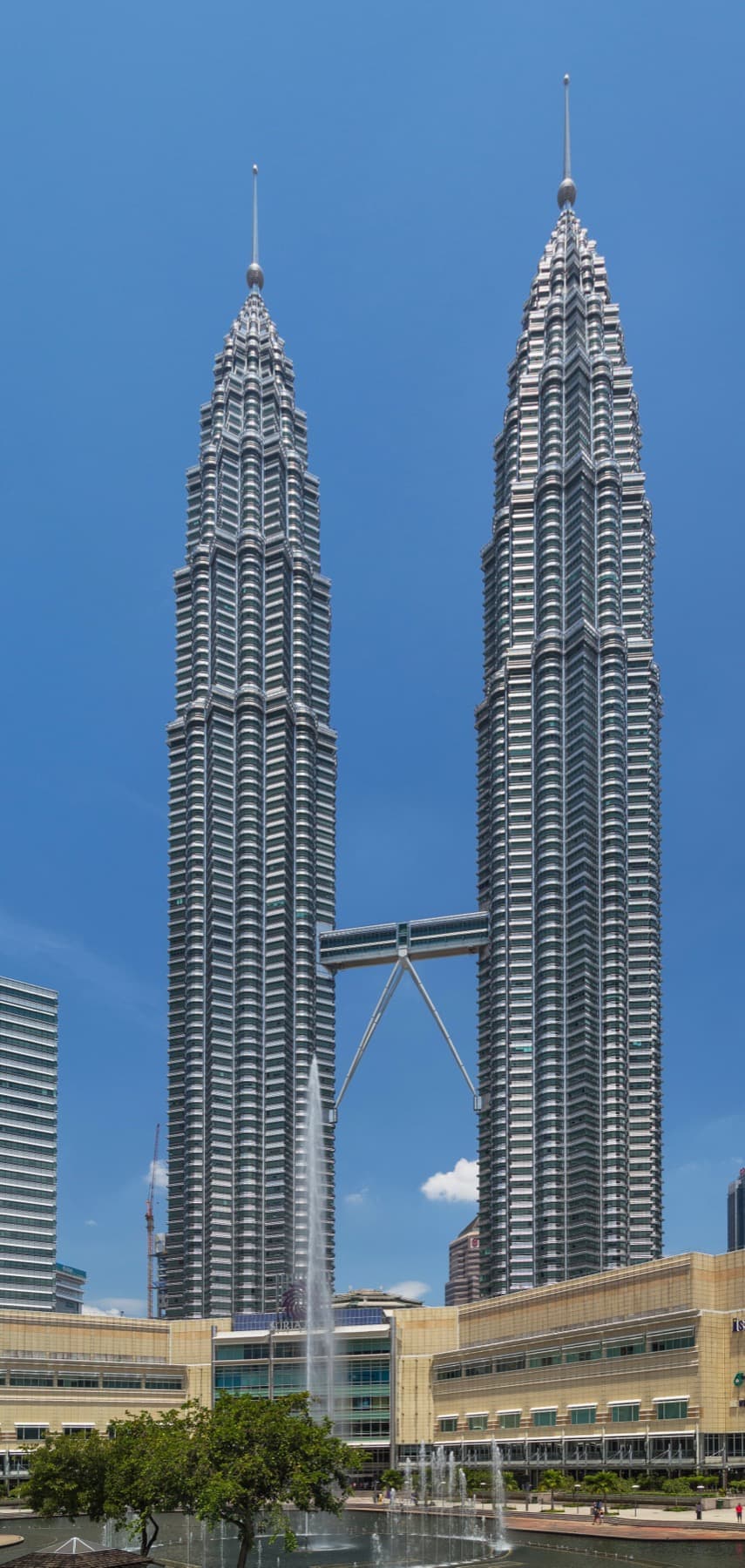
Spend the cooler morning or late afternoon at KLCC Park. Book a timed Petronas Twin Towers slot in advance if interior access matters; otherwise enjoy the park and Suria KLCC without a ticket. Eat Malay food in Kampung Baru, then continue to Jalan Alor after dark.
Day 3
Use Pasar Seni for Chinatown, Petaling Street, and Central Market in the morning before the worst heat. Break midday indoors. Return to a mamak or a repeat Jalan Alor stall for dinner rather than adding a long suburban ride.
Day 4
Take the KTM Komuter from KL Sentral to Batu Caves for a morning visit with covered shoulders and knees. Keep the afternoon light: Islamic Arts Museum, the National Museum, or a Bangsar / Petaling Jaya food half-day. Skip Melaka today.
Day 5
Either take a full Melaka day by express bus from TBS at Bandar Tasik Selatan, or stay in the city for shopping and a final food corridor before KLIA Ekspres. Leave fare confirmation and terminal checks in the departure buffer.
What this place feels like
Related stories
Worth planning around
Upcoming Kuala Lumpur events
Related destinations
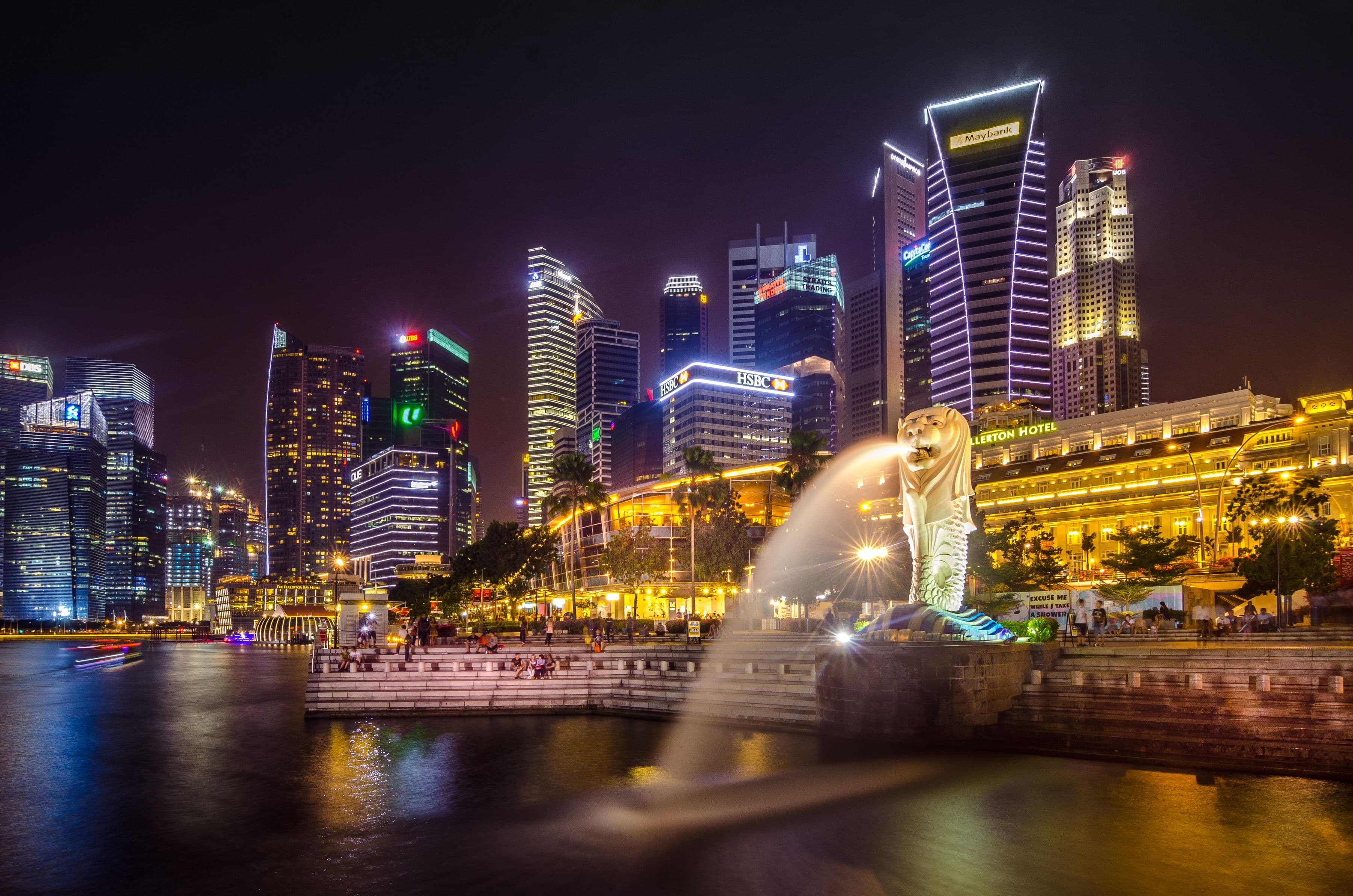
Singapore
Southeast Asia · Singapore
Luxury, order, and tropical city energy in a place that makes complexity feel effortless.
View guide →
Bangkok
Southeast Asia · Thailand
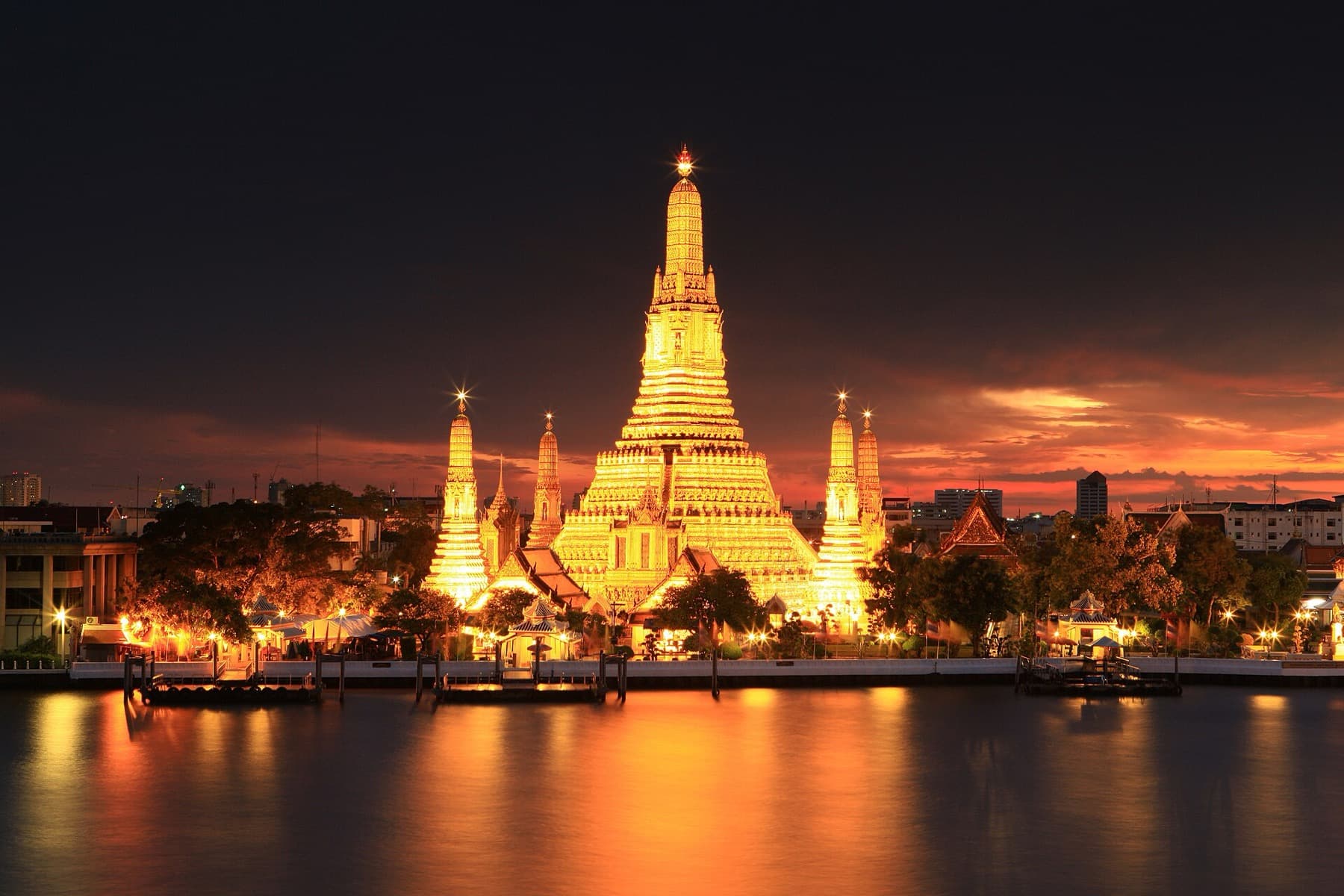
Street food temples, golden spires, and a city that rewards both chaos-embracers and luxury seekers.
View guide →
Bali
Southeast Asia · Indonesia
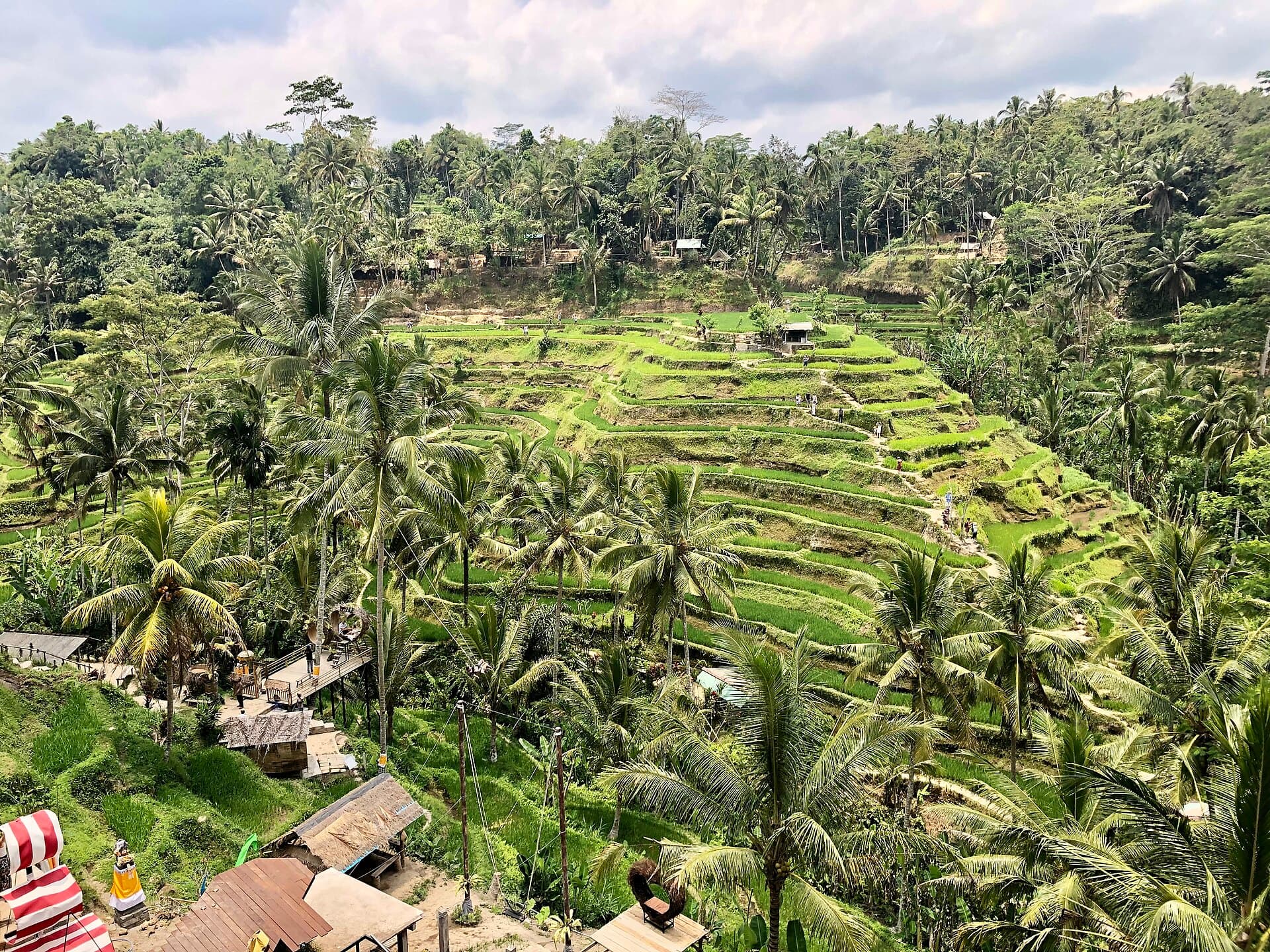
Ubud craft mornings and a southern beach base, with enough restraint to leave the traffic—and the checklist—behind.
View guide →