
Honolulu
Pacific gateway, Japanese influence, ease
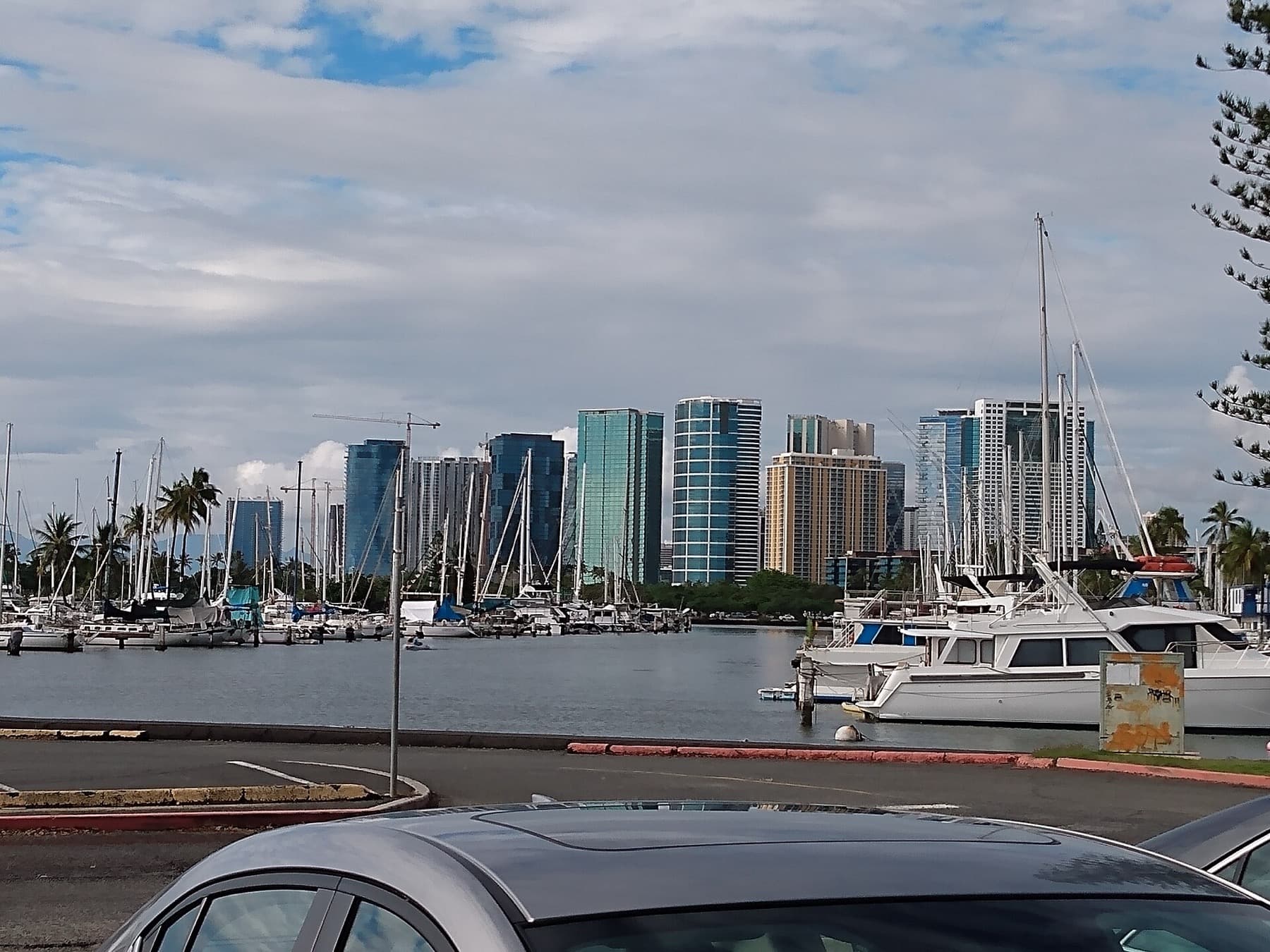
Photo: Wikimedia Commons
Honolulu is diaspora comfort without leaving the US passport bubble: Japanese-adjacent food culture, Pacific positioning, and demographic reality that many Asian American travelers feel before they unpack.
It is also a real city beyond Waikiki if you drive or bus to local neighborhoods—though many first trips correctly prioritize ease and beach access.
The editorial case mixes poke, plate lunch, Japanese technique on Hawaiian ingredients, and the honesty that some travelers come here to rest, not to discover.
| Best months to visit | Year-round, but April–June and September–November avoid peak crowds and prices. |
| Primary airport(s) | HNL is a major Pacific hub with excellent connections to Asia |
| Ease for first-timers | 9/10 |
| Trip intensity | Easy |
| Typical budget feel | Comfortable |
| Suggested trip length | 5–7 days |
Transpacific Bound destination editorial. Not live pricing or availability; confirm seasons and entry rules before booking.
Why go now
Honolulu's dining scene continues to evolve beyond tourist traps, with serious chefs engaging Hawaiian ingredients and Asian techniques.
Who this trip is for
US-based travelers wanting Asia-Pacific vibes without passport complexity. Great for families.
First-timer move
Waikiki sunrise walk, poke for lunch, North Shore day trip if you have wheels.
Repeat visitor angle
Return for Kakaako coffee, North Shore day trips with modest expectations, or a second poke spot you trust more than the first.
Where to stay
Waikiki for first-timer ease and beach logic. Kakaako or Ala Moana adjacency if you want slightly less tourist density.
Windward side stays trade commute for calm.
What to eat
Poke, plate lunches, shave ice, and the excellent Japanese and Korean food scenes. Farm-to-table dining is underrated here.
Cultural fluency notes
Rent a car for North Shore or accept you are staying urban. Sun and hydration matter—tourist pace is slower than locals'.
Respect beach and reef norms. Aloha spirit is not a brand—it is daily courtesy.
What diaspora travelers may notice
Asian American travelers often feel immediate familiarity here—and may still be tourists. Both truths coexist.
Japanese American visitors may feel specific historical layers at memorials and in daily food culture. Expect majority-Asian Honolulu as demographic fact, not automatic belonging—mainland and local scripts diverge.
Worth the splurge
A beachfront resort on the quieter windward side, or a chef's table experience showcasing Hawaiian regional cuisine.
What not to do
Do not eat only at hotel restaurants. Do not treat luaus as the only cultural meal.
Do not pack mainland hurry—island time is structural.
Best paired with
Pair with Tokyo or Seoul for Asia depth, or LA for Pacific Rim food comparison on the mainland.
Best time to go
Year-round, but April–June and September–November avoid peak crowds and prices.
Airport notes
HNL is a major Pacific hub with excellent connections to Asia. The airport is close to Waikiki.
A 3-day editorial itinerary
Day 1
Waikiki walk, poke lunch, sunset without forcing a luau.
Day 2
Local breakfast, optional North Shore or east-side drive, repeat best casual meal.
Day 3
Farmers market morning if timing works, fly HNL with reef-safe sunscreen packed.
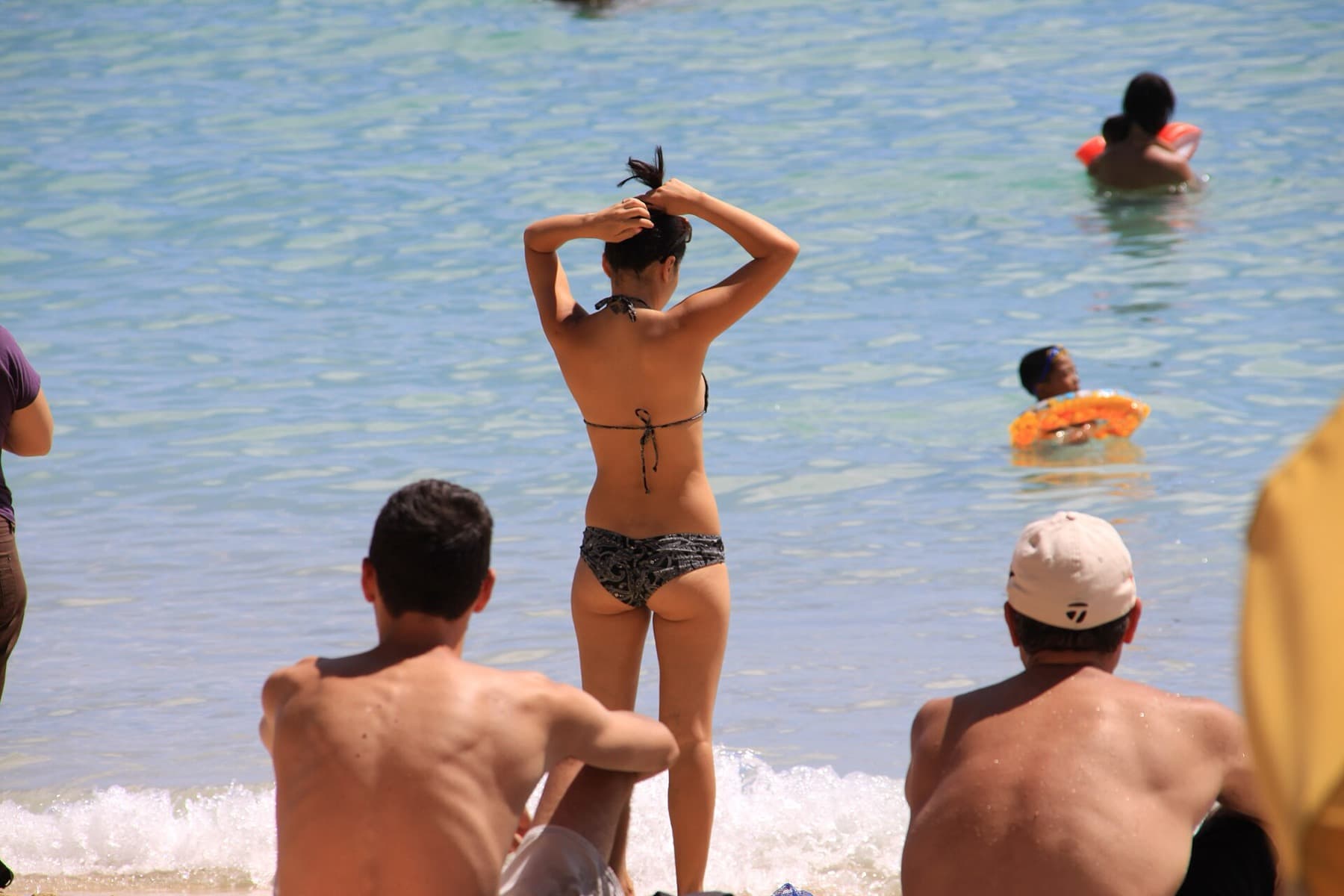
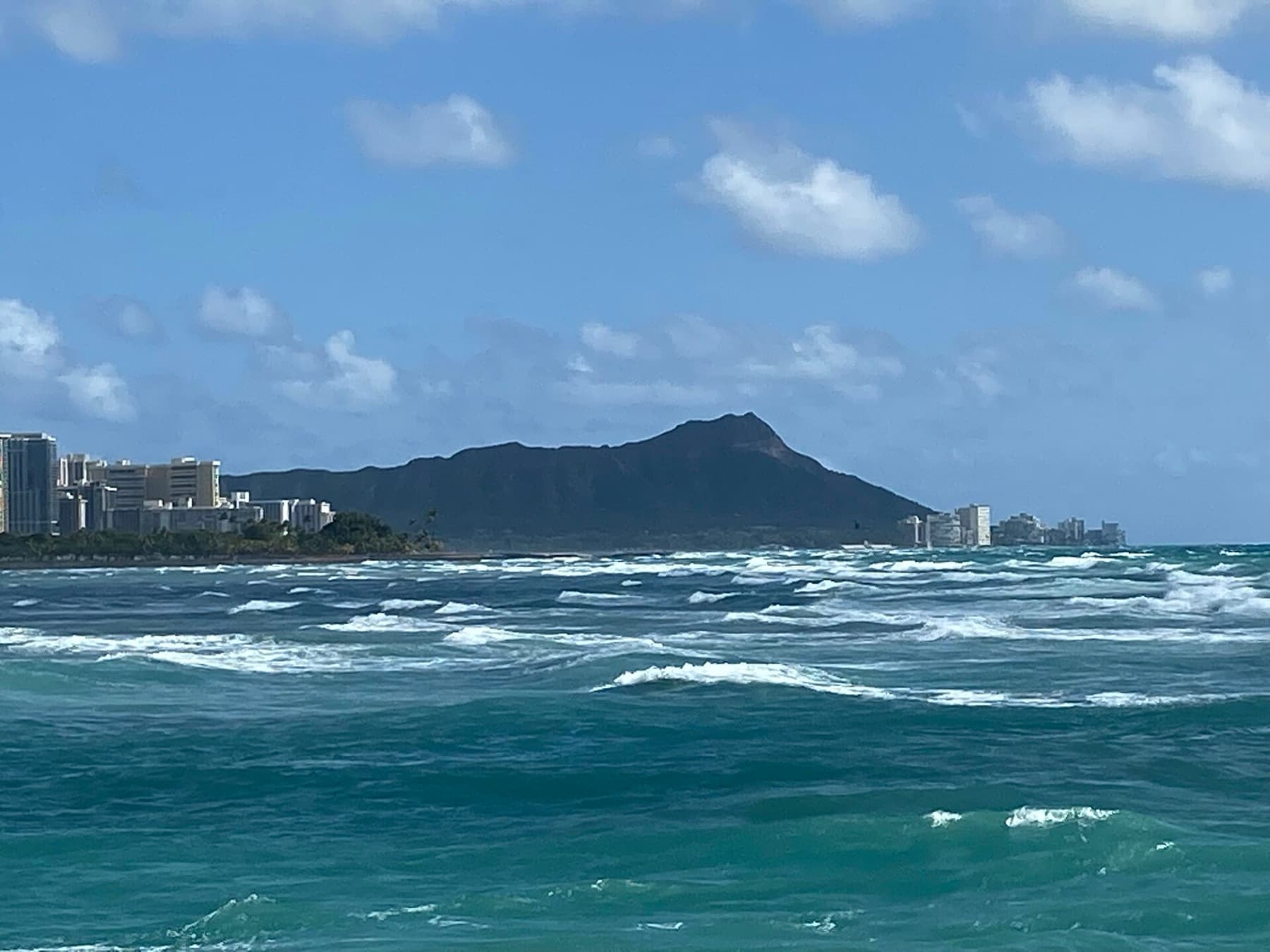
What this place feels like
Related stories
Related destinations
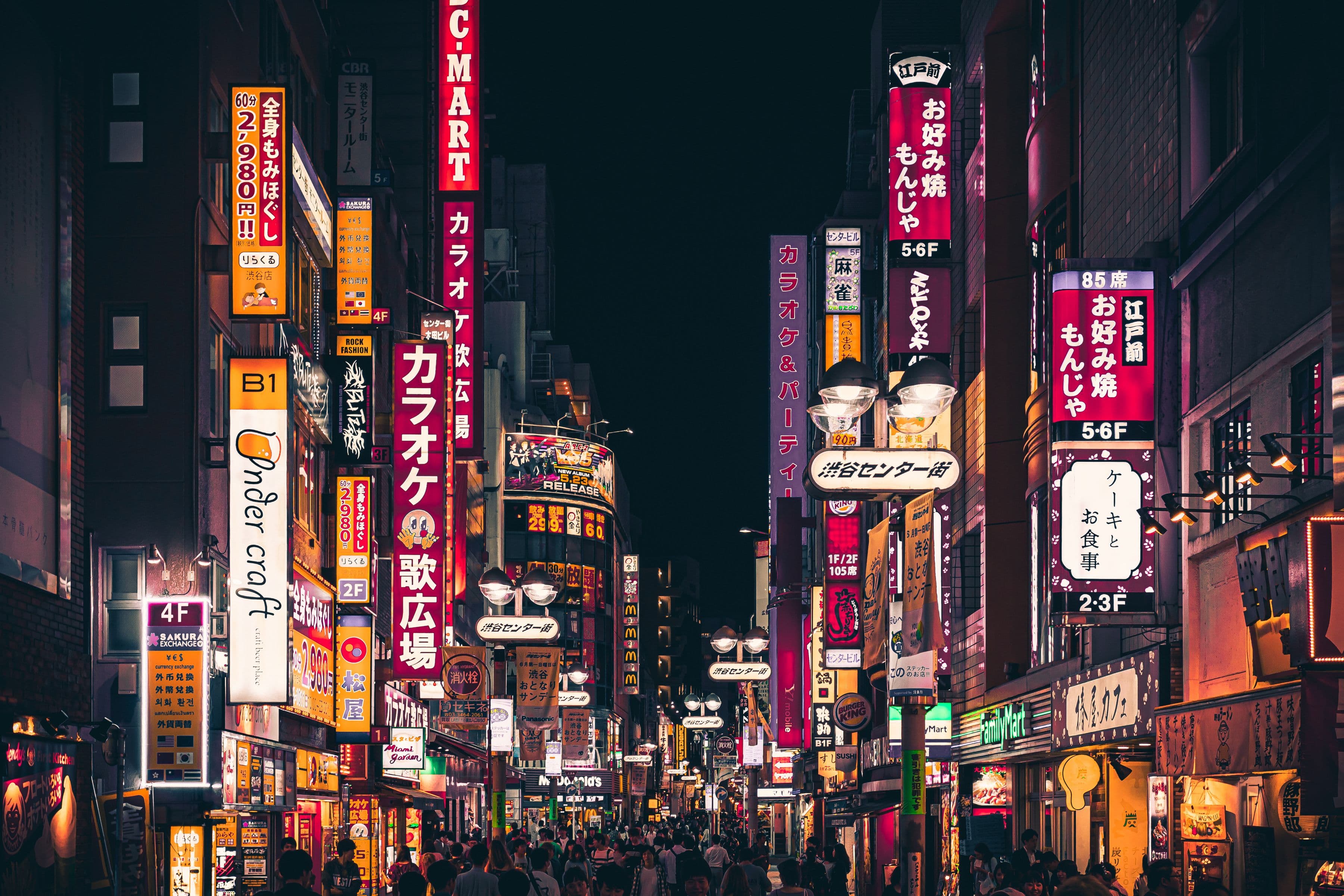
Tokyo
East Asia · Japan
Tokyo travel guide for diaspora and first-time Asia visitors: neighborhoods, food, transit, and how to pace a trip without checklist tourism.
View guide →

Vancouver
North America · Canada
Pacific Rim city with exceptional Asian food, nature access, and diaspora community depth.
View guide →
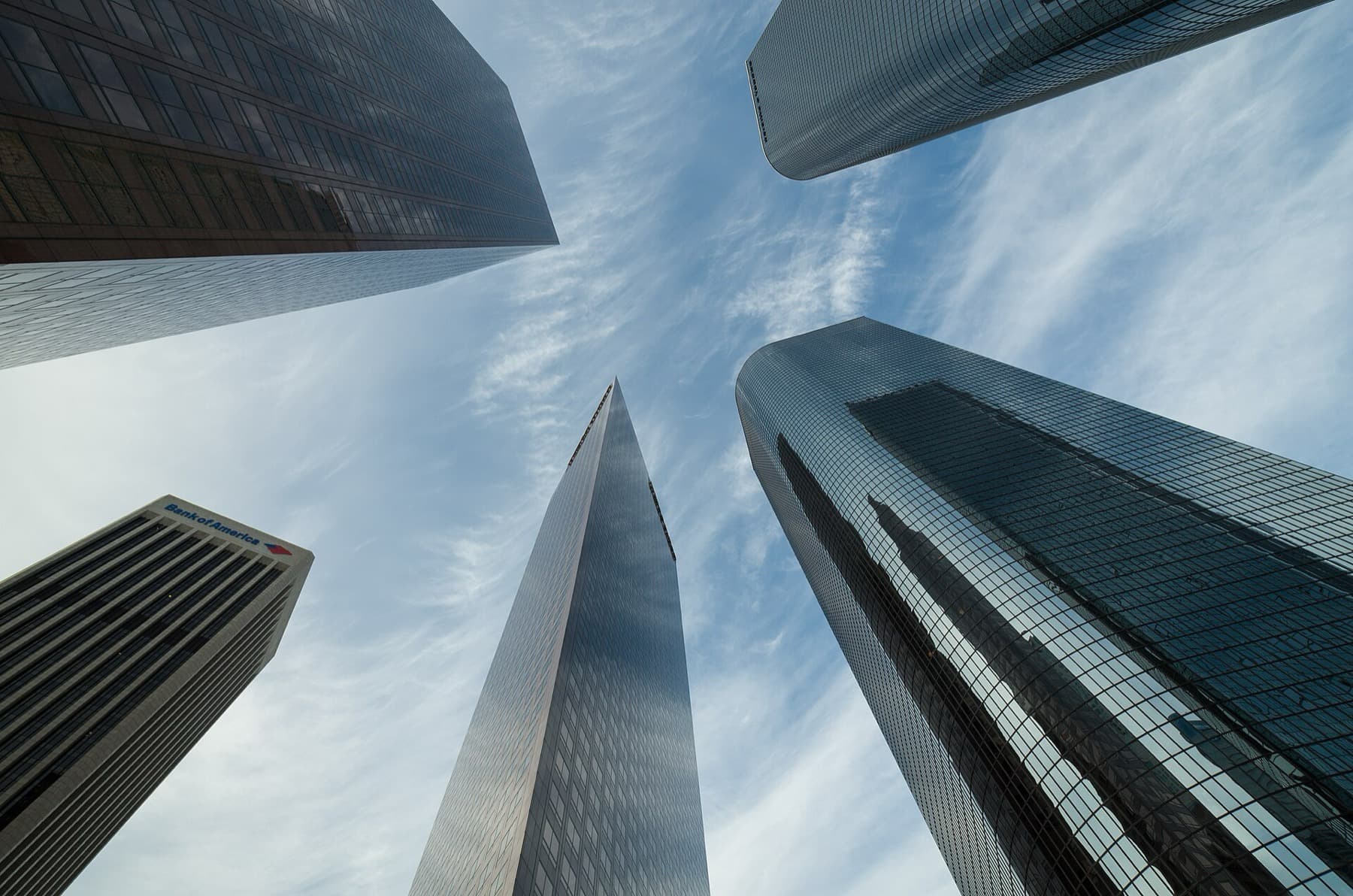
Los Angeles
North America · United States
The definitive Asian American city. K-town, SGV, and Pacific Rim culture at full scale.
View guide →
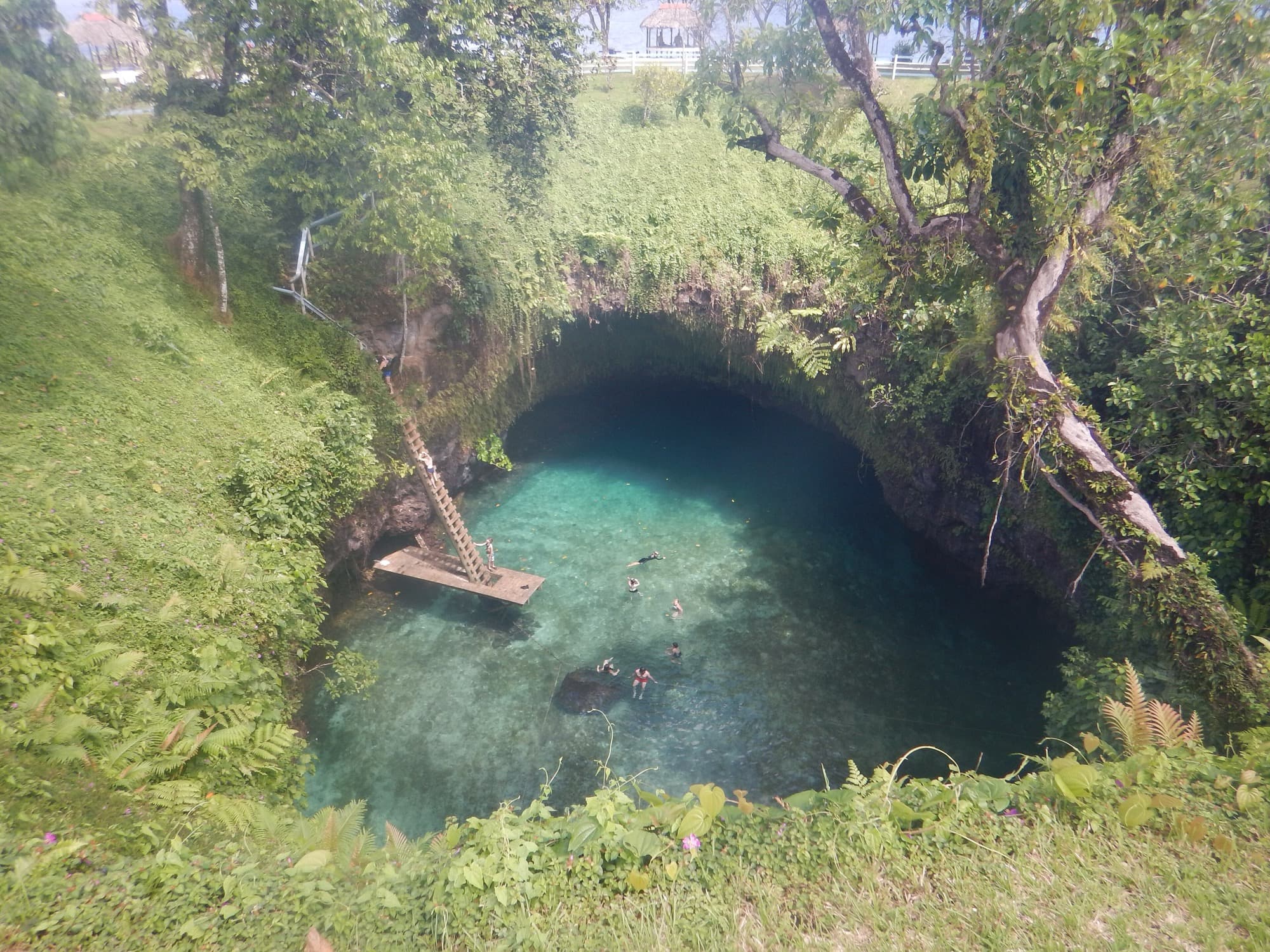
Samoa
Pacific · Samoa
Samoa travel guide for independent Polynesia: Apia and Faleolo arrivals, Upolu beaches and To Sua, Savaiʻi ferry days, Samoan culture, and expect 2025 visitor trends led by New Zealand and Australia.
View guide →
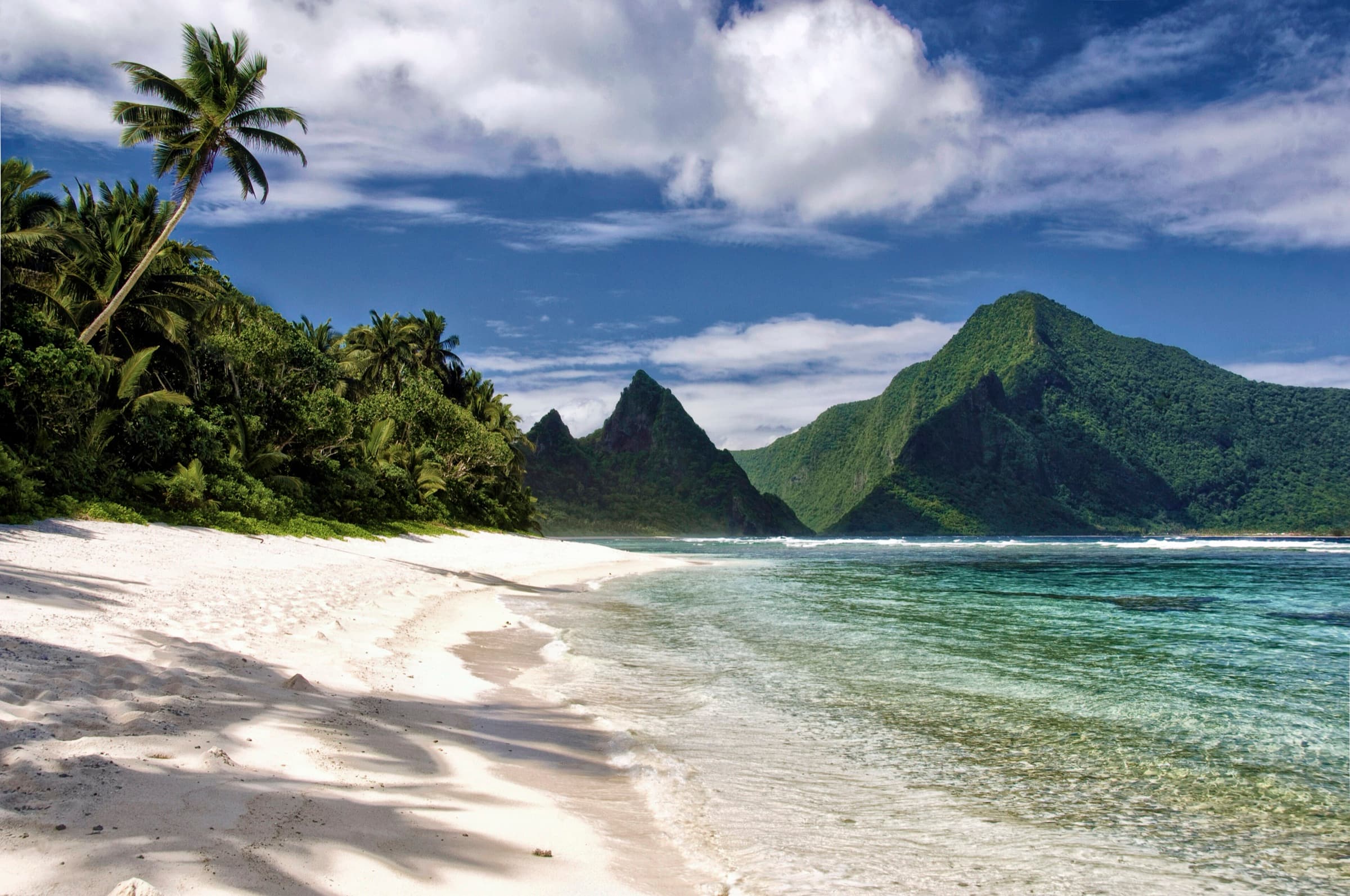
American Samoa
Pacific · United States
American Samoa travel guide for the US territory south of the equator: Pago Pago (PPG), National Park of American Samoa on Tutuila, Ofu, and Taʻū, Hawaiian Airlines from Honolulu, and expect faʻasamoa with its own immigration rules.
View guide →