
Tokyo Is Not a Beginner City, and That Is the Point
The city rewards restraint, research, and enough humility to miss a few things on purpose.
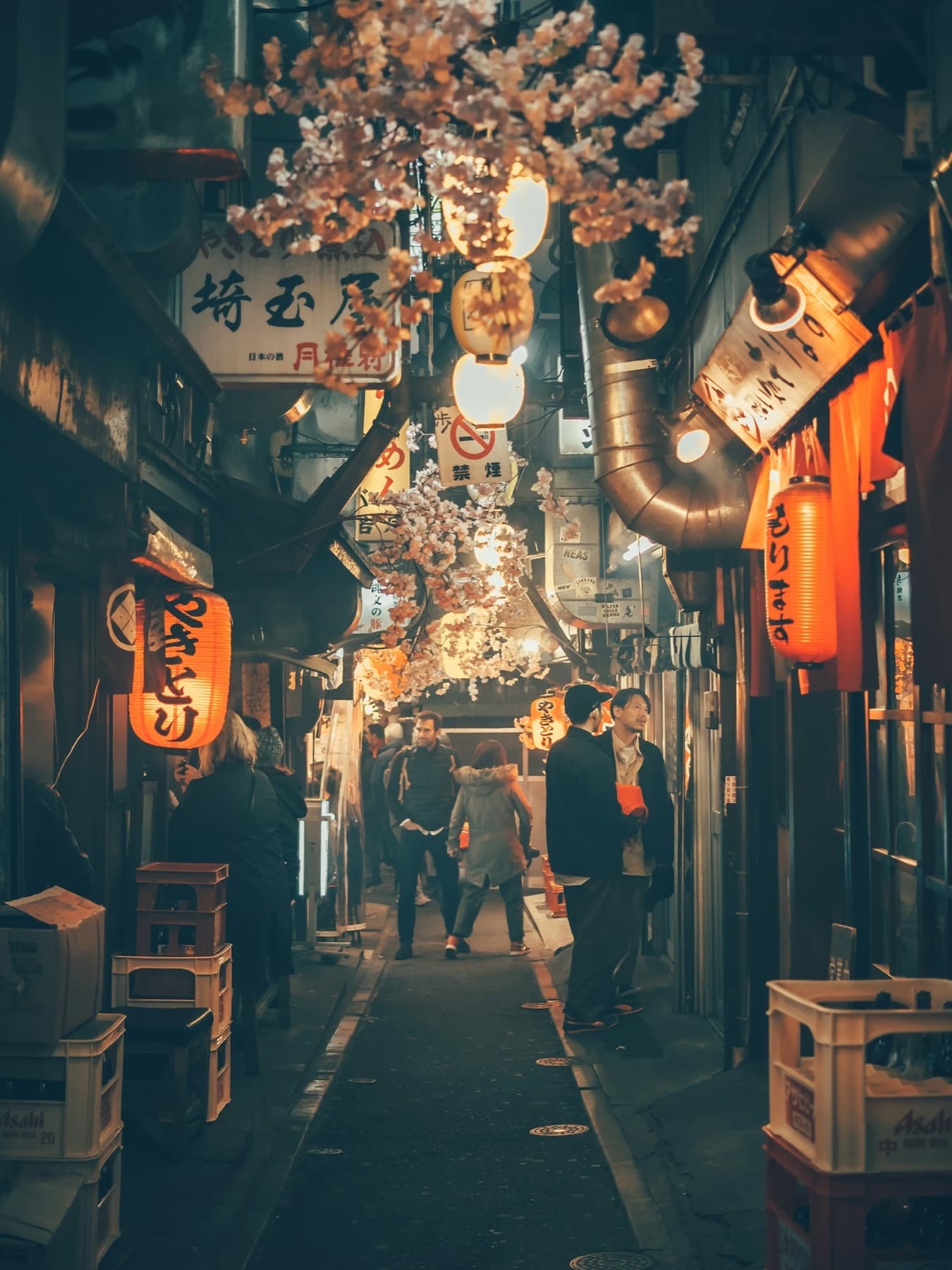
The intimidation is real
Tokyo is not difficult because it is hostile. It is difficult because it is legible only if you accept that legibility takes time.
For diaspora travelers, especially those raised around Japanese-adjacent food and aesthetics in North America, the city can feel both familiar and ruthlessly specific.
You may recognize ramen broth styles, stationery shop logic, or the quiet choreography of convenience stores. What you may not recognize is how deeply the city expects you to read context: which side of the escalator, how loudly to speak on the train, when a shopkeeper’s silence means "I am helping you" versus "please leave.
"
That learning curve is not a flaw. It is the city’s filter.
Tokyo rewards travelers who can tolerate being slightly behind for the first forty-eight hours without turning the trip into a performance of competence. The best first days are observational: watch how locals queue, how menus are structured, how neighborhoods change character after 10 p.m.
For Japanese American and broader Asian American travelers, there is an additional layer: the city can feel like a parallel version of a culture you partially inherited. That can be exhilarating or disorienting.
Neither reaction is wrong. The goal is to let Tokyo be itself, not a referendum on how Asian you feel that week.
Start with neighborhoods, not attractions
Shinjuku, Shimokitazawa, and Kiyosumi-Shirakawa teach different versions of the city. Pick two and repeat them. Tokyo is not a museum with operating hours, and neighborhood rhythm beats landmark guilt.
Shinjuku is transit, density, and late food. Shimokitazawa is vintage, coffee, and a softer residential rhythm.
Kiyosumi-Shirakawa is warehouse galleries, slow walks, and excellent kissaten. You do not need all three on a first trip.
You need one that matches your energy and a second that stretches it slightly.
Repeat visits matter more than coverage. Return to the same bakery on day three.
Walk the same shotengai at dusk after seeing it in morning rain. Tokyo reveals itself through repetition: the seasonal pastry that replaced yesterday’s, the bar that was closed Monday but open Thursday, the side street you finally turn down.
Skip the mental spreadsheet of "must-see" unless one item genuinely matters to you. TeamLab, a specific museum exhibition, a reservation you already earned, fine.
The rest is optional. Tokyo punishes checklist tourism not because the sights are bad, but because the city is the sight.
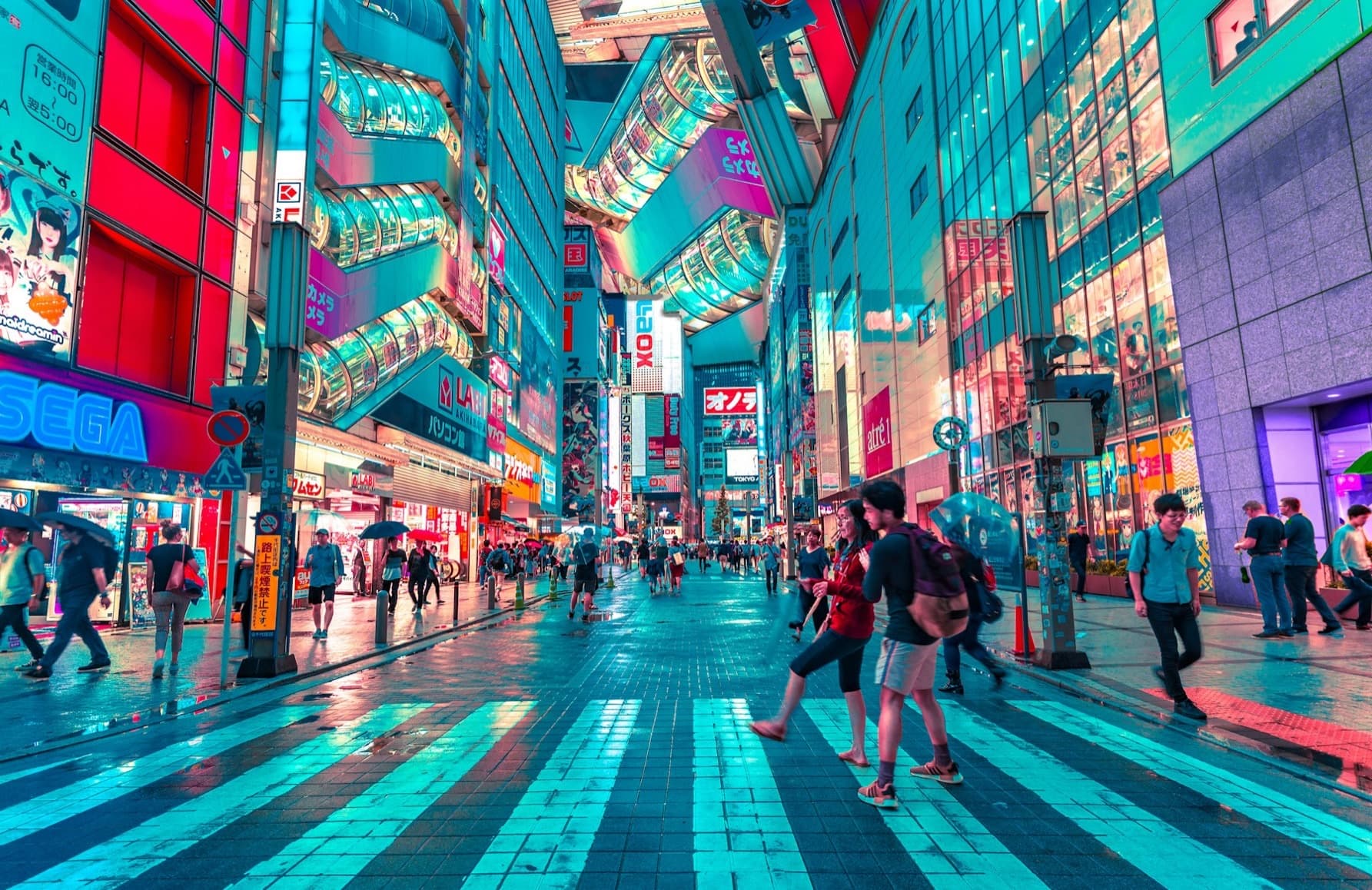
Food as navigation
Depachika in Isetan or Mitsukoshi, then a standing bar in Yurakucho, then a reservation you earned two weeks ago. Let meals anchor the day instead of monuments.
Start mornings in department-store food halls: immaculate fruit, seasonal bento logic, free samples that teach you more than a guidebook. Lunch can be a bowl of noodles in a neighborhood you are already exploring.
Dinner is where Tokyo’s reservation culture matters, not because every meal must be expensive, but because the best counters and small restaurants run on predictability.
Standing bars under the train tracks in Yurakucho are a masterclass in efficient pleasure: short menus, fast turnover, smoke and salarymen and tourists mixed without ceremony. Pair that with one meal you planned ahead, omakase, yakitori, a chef’s tasting menu, and you have a food arc that mirrors how locals actually eat: convenience plus one serious splurge.
Do not eat only where English is guaranteed. Point, nod, accept the day’s special. Tokyo’s food system is built for people who pay attention, not for people who need every variable explained in advance.
What diaspora travelers notice
You may feel overqualified on ramen and underqualified on everything else. That gap is useful. It keeps the trip from becoming heritage cosplay.
Many Asian American travelers arrive with strong opinions about Japanese food, design, or pop culture exported abroad. Tokyo will confirm some of those opinions and quietly dismantle others.
The tonkotsu shop you loved in Los Angeles is related to, but not the same as, what you find in Fukuoka-influenced Tokyo neighborhoods. The stationery you bought online makes more sense when you stand in the Loft aisle that inspired it.
There is also the question of visibility. Depending on how you read, you may blend in until you speak, or you may never blend in.
Both experiences shape the trip. Neither means you belong or do not belong.
Tokyo is a global city that is not primarily organized around welcoming you, which can feel refreshingly honest after tourism markets built on performance.
Use the trip to update your mental map. What did your family narrative get right? What did media flatten? What do you want to carry home that is not a souvenir?
Tokyo vs Taipei for a first Asia trip
Taipei forgives mistakes faster. Tokyo teaches deeper if you can tolerate being slightly behind for forty-eight hours without shame.
Taipei offers MRT clarity, night-market logic, and food that educates without punishing you for not knowing the rules yet. Tokyo offers precision, depth, and a city that expects you to read context before you feel competent.
Neither is a moral upgrade. They are different first lessons.
Choose Taipei first if you want the trip to feel winnable while you learn how cash, transit, and busy lines work across Asia. Choose Tokyo first if you are patient, food-obsessed, and not trying to see everything in one week.
The affluent mistake is booking Tokyo because it sounds serious, then spending the week exhausted and guilty in Shinjuku.
Many diaspora travelers do Taipei or a family-friendly hub first, then Tokyo second with sharper questions. That sequence is underrated. Tokyo on trip two often feels generous instead of judgmental.
If you only have one week and nervous energy, bias softer. If you have ten days and curiosity, Tokyo can be a magnificent first anchor, as long as you accept repetition over coverage.
Airports and arrival day
Haneda (HND) beats Narita (NRT) for most city-first itineraries. The goal on day one is not culture. It is cards, calories, and sleep.
Buy a Suica or Pasmo at the airport or first major station. Load cash if needed.
Connect pocket Wi-Fi or activate eSIM before you leave baggage claim if possible. Take the train or monorail into the city unless you arrive after midnight with heavy luggage and elders in tow, then a booked car can be worth the cost.
Day one should include konbini dinner, a ten-minute neighborhood walk, and an early hotel sleep. Do not schedule a reservation dinner on arrival night unless you are certain of your energy and transit timing.
Jet lag plus neon plus a dress code is how good trips start badly.
Narita is workable via Narita Express or Skyliner; it is not a failure. It just costs time you would rather spend in a ward, not a train.
If fares force Narita, accept the commute and protect day two from over-scheduling.
Your arrival day sets the tone. Tokyo rewards travelers who admit they are tired on night one and curious on night three.
A five-day rhythm that works
Three neighborhoods, two reservations, one department-store basement, and one afternoon with no plan. That is enough architecture for a first Tokyo week.
Days one and two: learn transit and one ward. Days three and four: repeat what worked, add one new neighborhood that contrasts the first.
Day five: one optional sight or exhibition if you care, otherwise one last depachika run and a walk at a different hour than day one.
Book one serious dinner for night three or four, after jet lag softens. Keep lunch spontaneous in the ward you are already exploring. Breakfast in a depachika or kissaten is not a placeholder: it is Tokyo education.
Build one rest block every afternoon. Tokyo walking adds up. The hotel nap is not failure. It is how you have energy for standing bars at nine p.m.
If family is traveling with you, cut the plan in half and double the elevator-and-bathroom standards. Success is everyone willing to eat again tomorrow, not everyone seeing Shibuya crossing on schedule.
What not to do
Do not attempt day trips to every adjacent prefecture. Do not confuse Shibuya crossing with understanding Tokyo. Stay longer in fewer wards.
Day trips to Hakone, Nikko, or Kamakura can be wonderful, after you have a relationship with Tokyo itself. Otherwise you turn the city into an expensive hotel lobby between bus tours.
If you only have five days, spend four in Tokyo and one elsewhere, not the reverse.
Shibuya crossing is a crosswalk, not a personality. Photograph it once, then walk into the back streets where the city actually eats and drinks. The same applies to any viral location: useful orientation, poor identity.
Cash still matters in smaller shops. Pocket Wi-Fi or eSIM helps, but does not replace noticing.
Learn three phrases and use them. Tokyo responds to effort, not fluency.
The travelers who love this city longest are the ones who stopped trying to win it in a week.
Closing takeaway
The better Tokyo trip is usually shorter on sights and longer on repetition. Leave knowing which ward you would return to without an audience.
You do not pass Tokyo by volume. You earn it by returning to the same bakery, the same shotengai at dusk, the same counter where the chef finally recognizes your order.
That rhythm is the opposite of checklist tourism and the opposite of heritage performance.
Bring home one habit: how to queue, how to eat standing, how to read a depachika without panic. Those skills transfer to Seoul, Taipei, and every other city you touch next.
Stop trying to win Tokyo in a week. Start trying to learn one version of it honestly. The city responds to that approach more than it responds to admiration.
Related stories
Your First Trip to Asia: A Culturally Fluent Starter Guide
How to pick your first Asian city, pace the week, and avoid turning the trip into heritage performance or continent tourism.
10 min · May 5, 2026
Seoul After the Hype Cycle
Beyond the export narrative: neighborhoods, markets, and meals that reward travelers who skip the trend checklist.
8 min · May 18, 2026
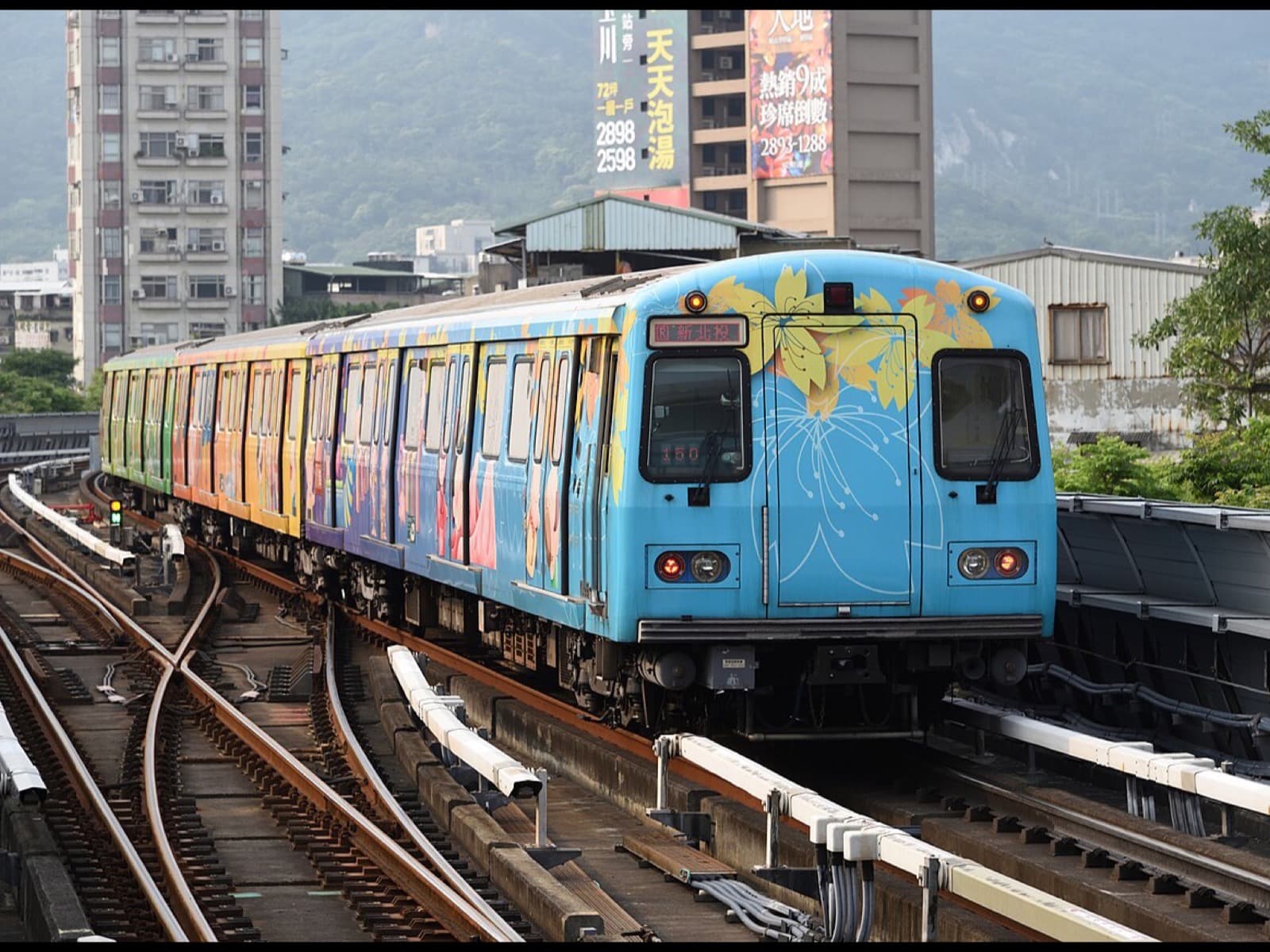
Taipei Is the Soft Landing More Asian Travelers Should Choose First
Why Taipei teaches you how to travel Asia before harder cities test you.
7 min · May 12, 2026
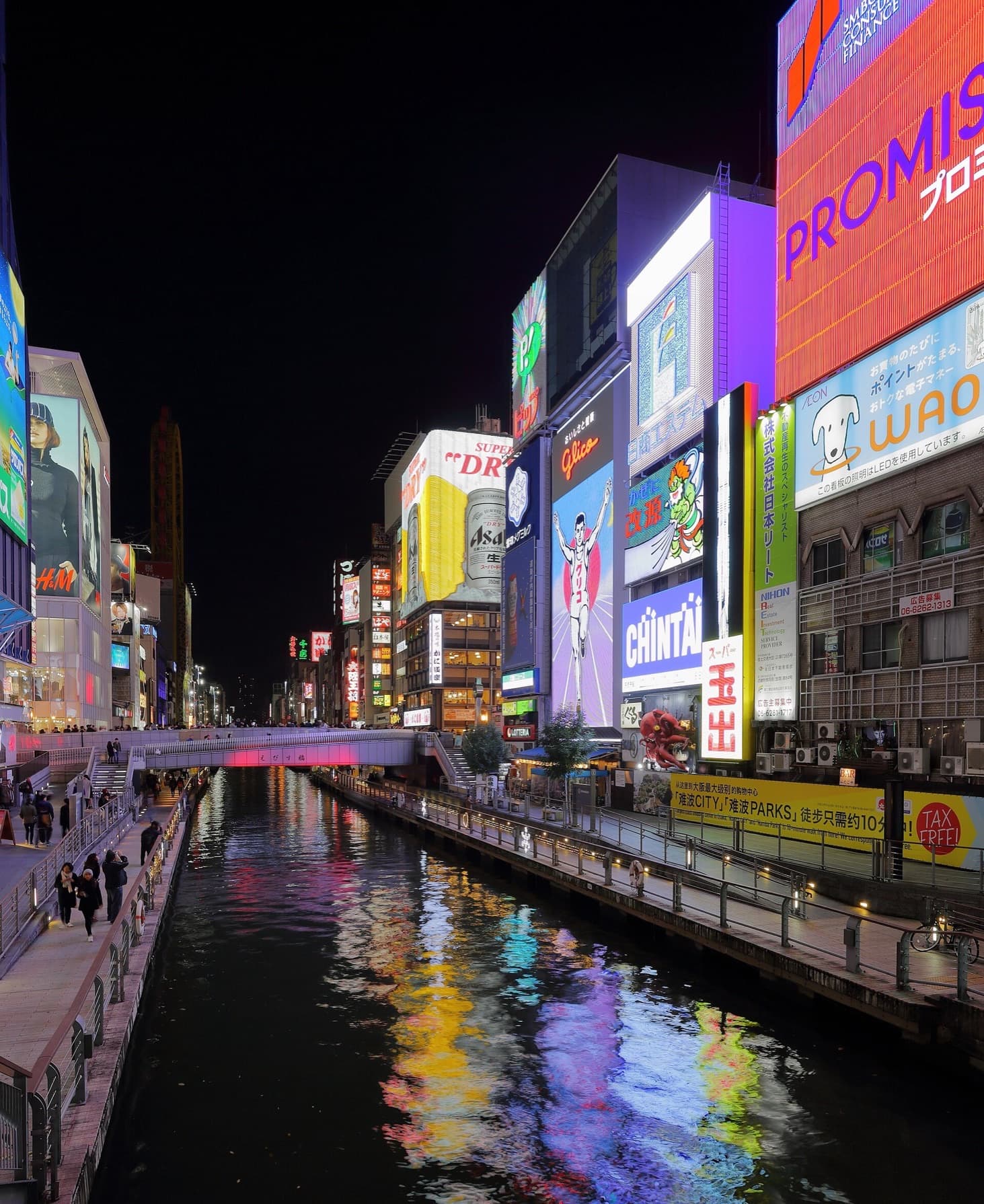
Osaka Is Not a Kyoto Appendix
Loud, generous, and unpretentious: Osaka is where Japanese food culture stops performing for export.
6 min · Jun 2, 2026