

Samoa
Two main islands, a working ferry, and Polynesia at a softer price than Tahiti lagoons
Rickard Törnblad / resized from original
Samoa is independent Polynesia with two islands most visitors actually use: Upolu for Apia, Faleolo arrivals, south-coast beaches, and To Sua; Savaiʻi for lava fields, waterfalls to the sea, and a slower loop once the ferry from Mulifanua does its job.
Expect Samoa Bureau of Statistics figures for 2025: 183,147 visitors (+2.0% vs 2024) inside 250,984 total arrivals. New Zealand suggests nearly half of visitors, Australia about a quarter, and the United States around 9%—with holiday travel and visiting friends and relatives both large in the published mix. That is a different volume story from French Polynesia’s rarer lagoons and from Fiji’s near-million Melanesian map.
For North American travelers, the usual path suggests a connection through Auckland, Nadi, Honolulu, or Brisbane into Faleolo (APW). Air New Zealand, Fiji Airways, Qantas, Virgin Australia, Samoa Airways, and Talofa among carriers that moved 2025 arrivals—confirm live frequencies. Once on Upolu, the Samoa Shipping Corporation ferry to Salelologa is the practical Savaiʻi door; treat schedules as weather-sensitive.
This page sits on our Polynesia desk beside French Polynesia and Honolulu. It is not American Samoa—Pago Pago is a different sovereignty, even when the flight across the strait looks short.
| Best months to visit | Drier months roughly May–October for easier outdoor days. November–April brings more rain and cyclone-season risk—still workable for short stays if you watch forecasts and keep ferry and road plans flexible. |
| Oceania region | Polynesia |
| Relative cost while there | $$$ — see cost notes below |
| Primary airport(s) | Faleolo International (APW) on Upolu is the main gateway, west of Apia near the Savaiʻi ferry |
| Ease for first-timers | 7/10 |
| Trip intensity | Easy |
| Typical budget feel | Comfortable |
| Suggested trip length | 8–12 days |
| Capital / main hub | Apia (capital) · Faleolo / APW (gateway) · Salelologa (Savaiʻi hub) |
| Currency | Samoan tālā (WST) |
Transpacific Bound destination editorial. Not live pricing or availability; confirm seasons and entry rules before booking.
Good for
Why go now
Samoa Bureau of Statistics suggests 183,147 visitors in 2025 (+2.0% vs 2024), inside 250,984 total arrivals. New Zealand remains the largest market (~48%), Australia second (~25%), with the United States around 9%. Holiday travel and VFR both matter—plan around faʻa Samoa, not only brochure beaches.
Who this trip is for
Travelers who want Polynesian culture and beaches with clearer NZ/AU airlift than most of the triangle, a usable inter-island ferry, and a cost curve softer than French Polynesia overwater defaults.
Brief history
Samoan society long predates European contact, with chiefly systems, voyaging, and village land at the center of identity. Plan for German, then New Zealand administration before independence on 1 January 1962—the first Pacific island nation to regain sovereignty in the modern decolonization wave.
Christianity, faʻa Samoa, and diaspora ties to New Zealand, Australia, and the United States shape contemporary life. The 2011 date-line shift that moved Samoa west of the International Date Line (skipping 30 December 2011) as a quirky logistics fact travelers still meet in timezone math. Tourism sits beside agriculture and remittances rather than replacing them.
Languages
Samoan (Gagana Samoa) · English
Samoan and English are official. Samoan as the language of home, church, and village life; English dominates visitor services, government forms, and many Apia businesses. Learning talofa and faʻafetai is useful hospitality—not a performance.
Getting there
Fly into Faleolo International (APW) on Upolu, west of Apia and near the Savaiʻi ferry. Confirm Air New Zealand from Auckland as the volume bridge, Fiji Airways from Nadi (and Honolulu among regional options), plus Australian carriers and Samoa Airways / Talofa including American Samoa hops—confirm live frequencies. North American travelers usually connect via AKL, NAN, HNL, or BNE. Once on Upolu, Savaiʻi access is the Mulifanua–Salelologa ferry (expect 60–90 minutes plus vehicle loading); build weather buffers.
Relative cost while there
$$$
A typical North American week as $$$ once you add rental cars, inter-island ferry with a vehicle, and midrange rooms—still usually softer than French Polynesia $$$$ lagoons. Beach fales and self-catering can pull a careful trip toward $$ if you accept simpler rooms and fewer restaurant nights. Village site fees are small line items; under-budgeting the car and ferry is the common mistake.
First-timer move
Land at Faleolo (APW), sleep one night near Apia or the northwest coast, then either drive Upolu’s south coast (To Sua, Lalomanu) or ferry to Savaiʻi from Mulifanua—not both islands in a frantic three-day sprint.
Repeat visitor angle
Second trips should leave the Apia–Lalomanu comfort circuit. If the first week stayed on Upolu, give Savaiʻi three or four nights. If you already did Saleʻaula lava and Mu Pagoa, slow into a village stay or a quieter northwest-coast week booked through hosts who treat faʻa Samoa as hospitality.
Repeat visitors can also pair Samoa with American Samoa as a same-archipelago contrast—or with Auckland as a diaspora-city bookend—rather than stacking every waterfall on one itinerary.
Where to stay
Base one: Apia for markets, the Robert Louis Stevenson Museum at Vailima, and first-night recovery after Faleolo. Base two: Upolu’s south or east coast (Lotofaga / Lalomanu corridor) when beaches and To Sua are the point. Base three: Salelologa and a Savaiʻi loop when you want lava, coastal waterfalls, and fewer day-trippers.
Do not treat Manono or Apolima as casual afternoon checkboxes without a boat plan. American Samoa is a separate trip product even when PPG flights exist.
What to eat
Samoan umu and seafood when offered locally, fresh tropical fruit, Apia cafés and markets, and Chinese–Samoan kitchens in town. Outer beaches and fales run thinner and more self-catering.
Cultural fluency notes
Learn a greeting—talofa—and treat village visits as invitations with rules: dress modestly away from beach fales when asked, respect Sunday church rhythms, and ask before photographing people or ceremonies. Faʻa Samoa (the Samoan way) as family, chiefly, and communal obligations that shape daily life—not a show put on for tourists.
English works widely in visitor services; Samoan carries home, church, and village life. Tipping is not a rigid North American script—follow accommodation guidance and tip for clear service without turning every interaction into a negotiation.
What diaspora travelers may notice
Samoan diaspora travelers from Auckland, Sydney, Honolulu, Los Angeles, and American Samoa may already know family land, church calendars, and funeral or wedding travel peaks that reshape flights and rooms. That familiarity is real and incomplete for a visitor who still needs ferry times and village protocols.
Avoid collapsing independent Samoa into American Samoa, or treating the islands as a generic “Polynesian beach” interchangeable with Fiji resorts or Tahiti overwater defaults.
Worth the splurge
A better beach-fale or boutique resort night on Lalomanu or the south coast, a private Savaiʻi day with a named driver-guide, or a cultural village experience booked as hospitality rather than costume.
What not to do
Do not try to “do” To Sua, Lalomanu, Saleʻaula, and a full Savaiʻi loop in four days. Ferry loading and village site hours eat the fantasy.
Do not invent beach access without paying village fees or asking hosts. Do not skip Sunday quiet in villages. Visas and visitor permits by passport—never invent a universal visa-free list. Do not confuse Samoa with American Samoa on booking sites.
Best paired with
French Polynesia pairs as a pricier Polynesian contrast. Honolulu pairs for US-passport travelers connecting east and for diaspora networks. Fiji pairs as Melanesia with denser North American nonstops. Auckland and Sydney pair as gateway cities that also hold large Samoan communities.
American Samoa pairs only when you want the US-territory side of the same archipelago—and you treat immigration as a real border.
Best time to go
Drier months roughly May–October for easier outdoor days. November–April brings more rain and cyclone-season risk—still workable for short stays if you watch forecasts and keep ferry and road plans flexible.
Airport notes
Faleolo International (APW) on Upolu is the main gateway, west of Apia near the Savaiʻi ferry. Expect Air New Zealand from Auckland, Fiji Airways from Nadi (and Honolulu among regional links), plus Australian carriers and Samoa Airways / Talofa hops including American Samoa—confirm the live schedule. Fagaliʻi near Apia suggests domestic flights toward Savaiʻi when operating.
Getting around
Rental cars are the honest Upolu and Savaiʻi tool; allow fuel and Sunday quiet. Buses on main corridors when you have time. The Mulifanua–Salelologa ferry is the inter-island spine—passenger-only or with vehicle; check Samoa Shipping Corporation for the month’s timetable. Budget for domestic flights Fagaliʻi–Maota when operating as a time-saver, not a guaranteed schedule.
Entry and visas
Entry is passport-specific. Many visitors receive a gratis visitor permit on arrival for short stays (often cited up to 90 days) when they hold a valid passport, onward ticket, proof of funds, and a confirmed address—verify current Ministry of the Prime Minister and Cabinet / Immigration Samoa guidance. Do not invent a universal visa-free list or confuse American Samoa entry with independent Samoa.
Power and driving
Type I power plugs (~230V) and left-side driving (same side as Australia and New Zealand). US travelers should bring adapters; AU/NZ plugs often work.
Top sites and experiences
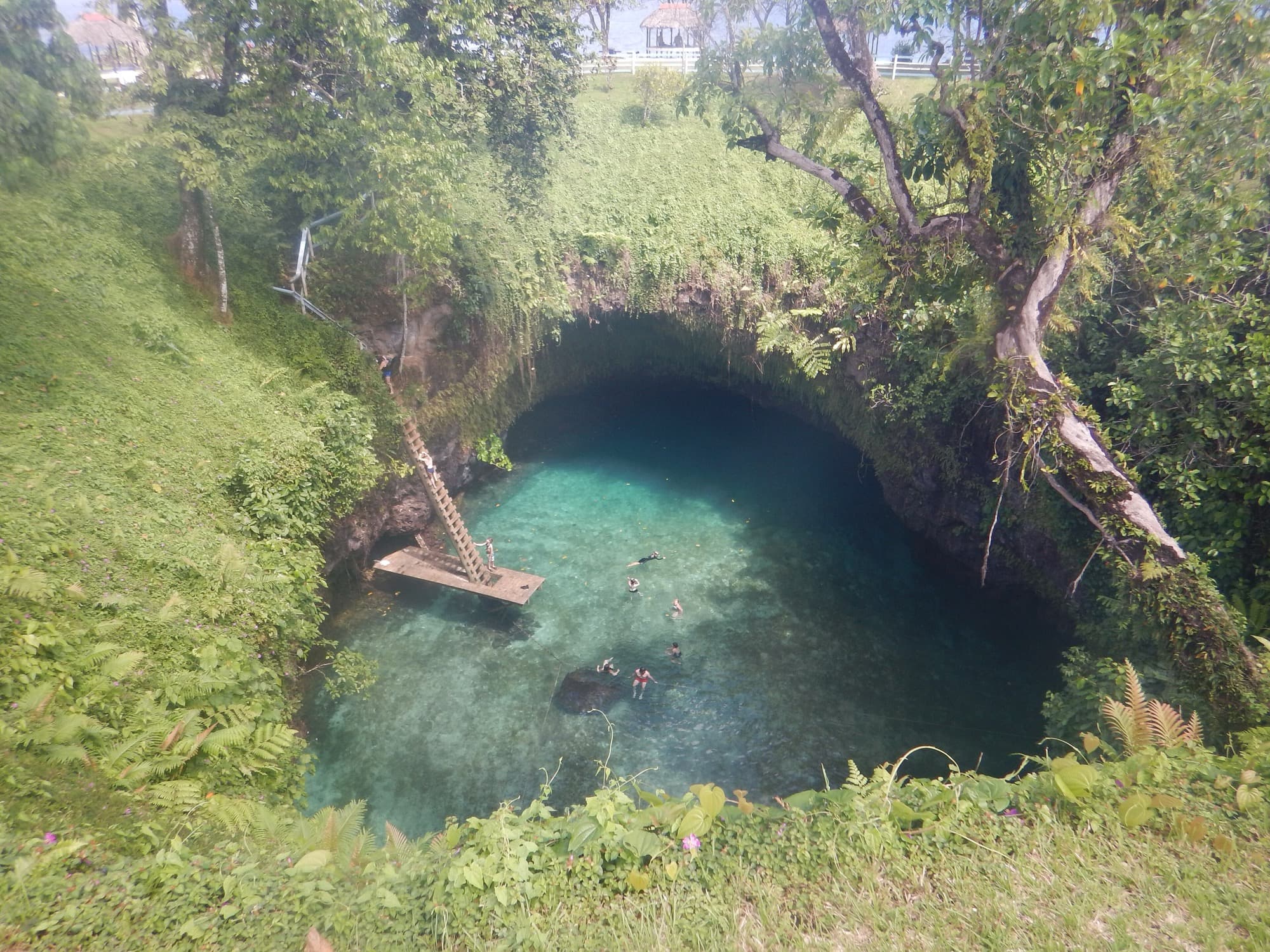
To Sua Ocean Trench
Village-managed swimming sinkhole on Upolu’s south coast—ladder, fees, and tide awareness required.
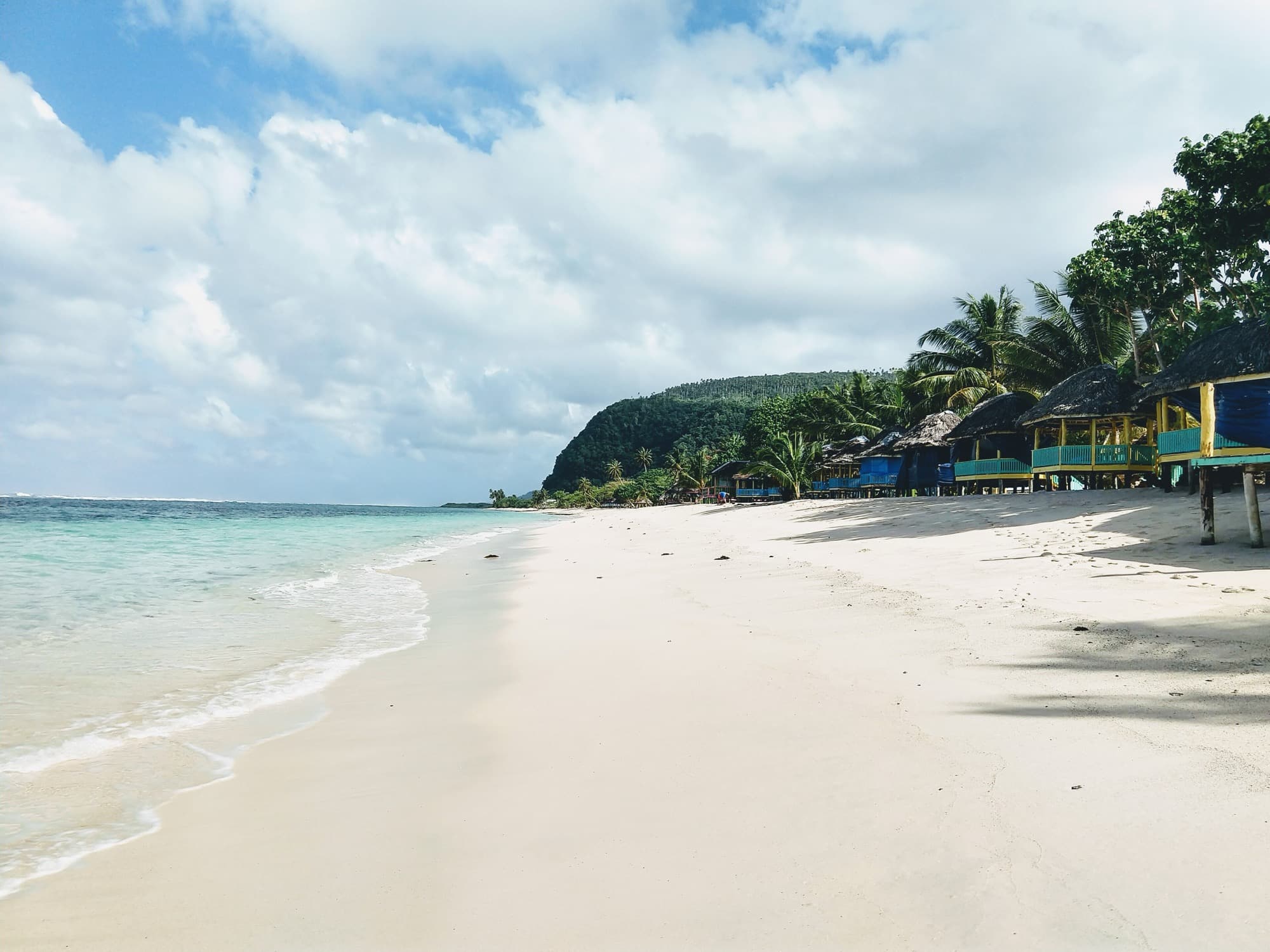
Lalomanu and Upolu beaches
East/south coast sand, reef days, and beach-fale stays that define many first Samoa nights.
Apia and Vailima
Capital markets and waterfront plus the Robert Louis Stevenson Museum when you want town texture.
Savaiʻi ferry and Salelologa
The practical door to Samoa’s larger, quieter island—treat the timetable as part of the trip.
Saleʻaula lava fields
Matavanu-era lava landscape on Savaiʻi’s north side—shoes with grip, sun, and village access notes.
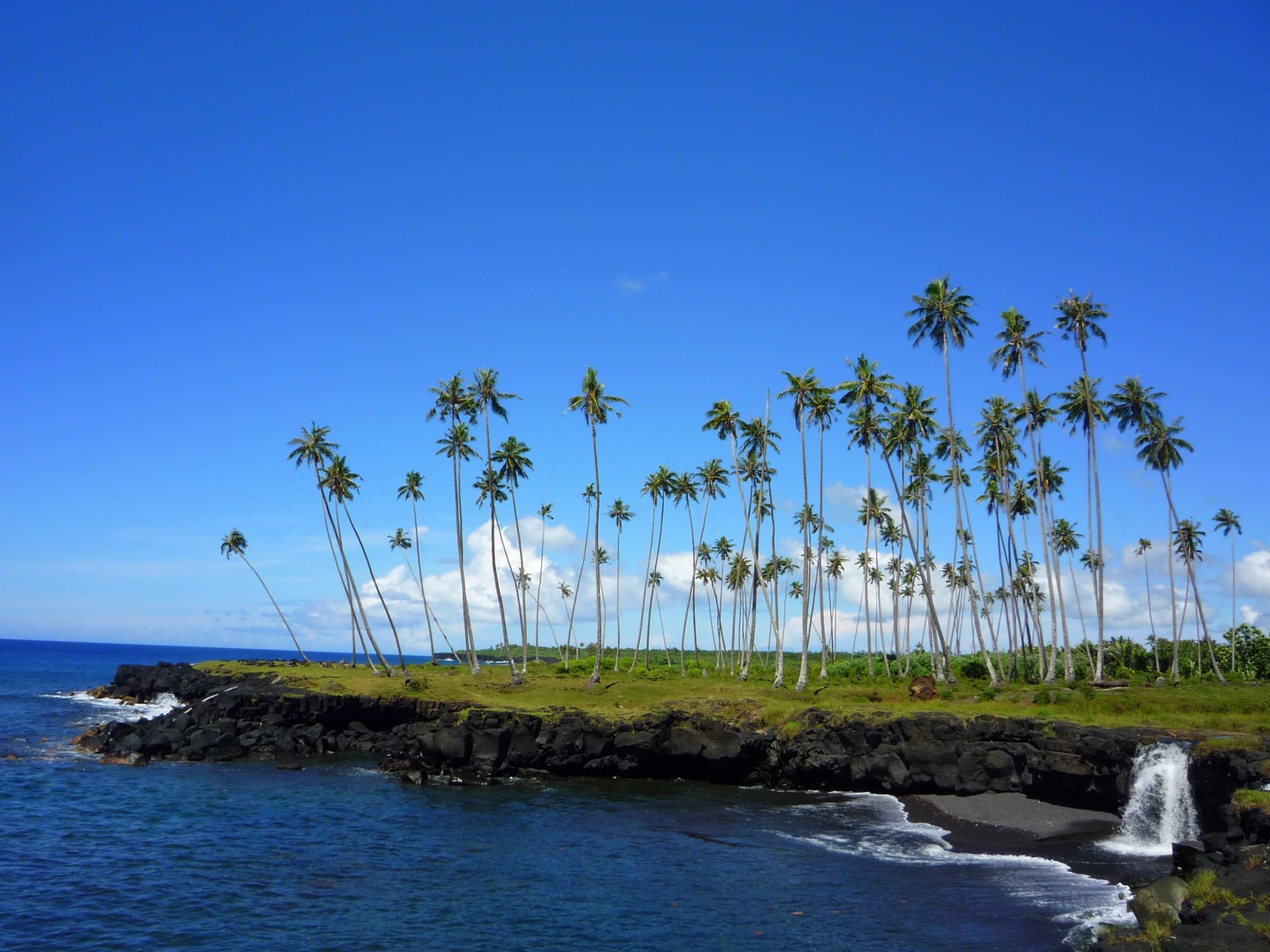
Mu Pagoa and coastal waterfalls
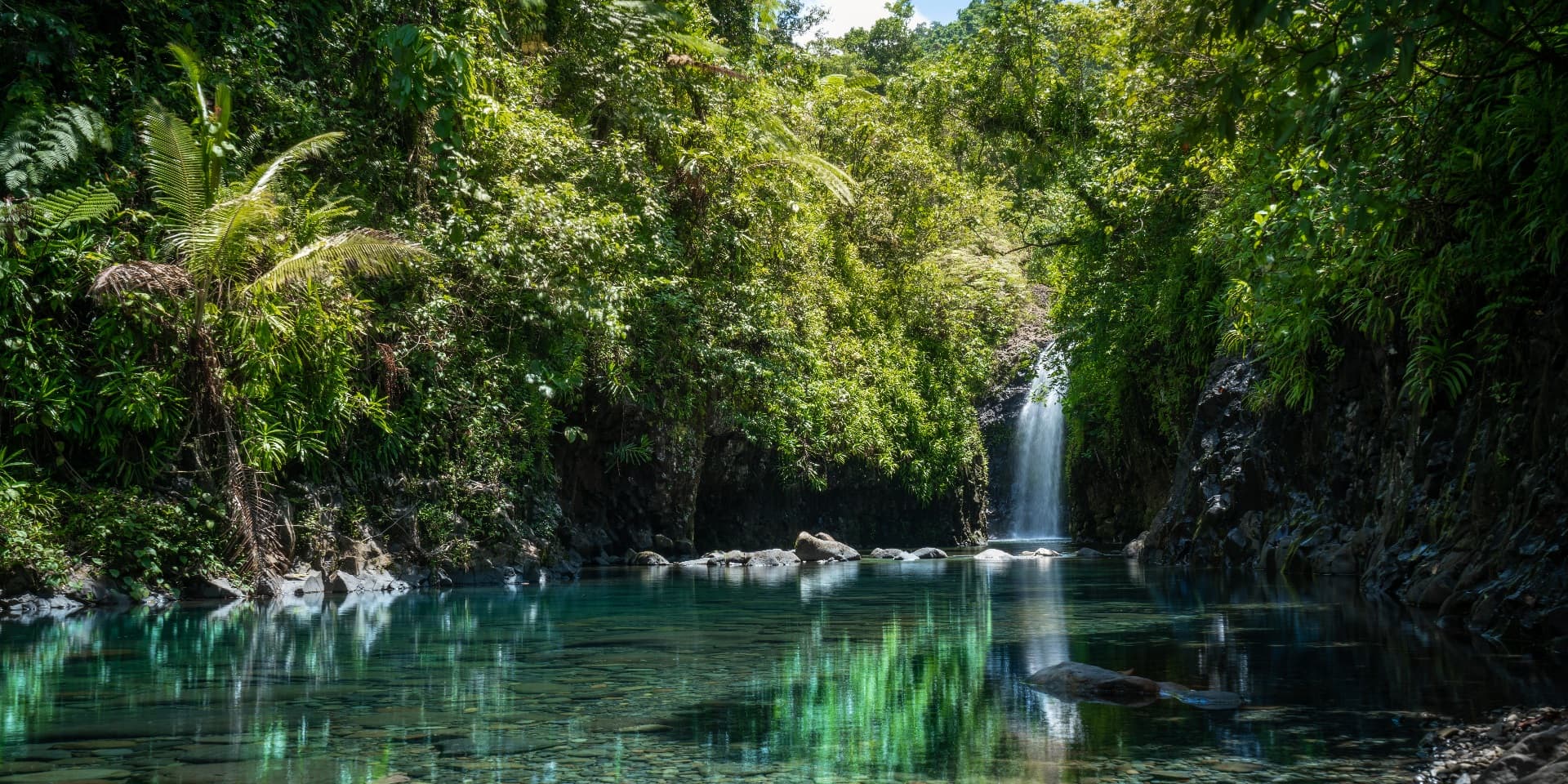
Confirm Savaiʻi falls that meet the sea when access and conditions allow—confirm locally.
Village stays and faʻa Samoa
Booked hospitality that centers church, family, and protocol—not a costume checklist.
Island facts
- Independence on 1 January 1962 from New Zealand administration—often cited as the first Pacific island nation to regain modern sovereignty.
- SBS: 183,147 visitors in 2025 (+2.0%); 250,984 total arrivals (−0.1% vs 2024).
- Budget for New Zealand ~48% of 2025 visitors, Australia ~25%, United States ~9%, with American Samoa among other Oceania shares.
- Holiday/vacation suggests ~46% of visitors; VFR ~38%—diaspora travel is not a side note.
- Currency is the Samoan tālā (WST); expect cards in Apia and larger properties, cash outside town.
- Timezone suggests Samoa Standard Time (SST, UTC+13) after the 2011 date-line shift west of the line.
- Driving is on the left; expect Type I power plugs (AU/NZ style).
- Upolu holds Apia and Faleolo; Savaiʻi is larger and quieter—linked by the Apolima Strait ferry.
- American Samoa is a separate US territory; do not book them as one country.
- Air New Zealand as the largest 2025 carrier by arrivals share in SBS tables, with Fiji Airways second—reconfirm before you plan around any frequency.
Access routes at a glance
- Auckland (AKL) · nonstop — Air New Zealand; densest leisure bridge—confirm frequency
- Nadi (NAN) · nonstop — Fiji Airways; useful Melanesia–Polynesia link
- Brisbane (BNE) · nonstop — Plan for Virgin Australia / Qantas among AU options—reconfirm
- Honolulu (HNL) · nonstop — Fiji Airways among regional links—confirm live schedule
- Pago Pago (PPG) · nonstop — Samoa Airways / Talofa; American Samoa is a separate immigration stop
- Mulifanua Wharf · ferry — Samoa Shipping Corporation to Salelologa, Savaiʻi—about 60–90 minutes plus loading
A 6-day editorial itinerary
Day 1
Arrive Faleolo (APW). Transfer toward Apia or a northwest-coast base, sleep. Do not book a south-coast waterfall ladder the same afternoon.
Day 2
Apia orientation: market, waterfront, and the Robert Louis Stevenson Museum at Vailima if open. Keep dinner near your base.
Day 3
Upolu south coast: To Sua Ocean Trench with village entry paid, then Lalomanu or another named beach for the afternoon.
Day 4
Ferry Mulifanua–Salelologa to Savaiʻi. Settle near Salelologa or your Savaiʻi base; keep the first evening light.
Day 5
Savaiʻi loop day: Saleʻaula lava fields and one coastal waterfall (expect Mu Pagoa when access and tide allow)—or reverse order with a named driver.
Day 6–7
Buffer for weather, a second Savaiʻi beach day, or return ferry to Upolu before the long connection home through Auckland, Nadi, Honolulu, or Brisbane.
What this place feels like
Related stories
From the editorial watchlist
Related destinations
Honolulu
Pacific · United States
Pacific gateway with Japanese-influenced culture, serious dining, and beach access without leaving the US.
View guide →
Fiji
Pacific · Fiji
Fiji travel guide for Melanesia’s most connected archipelago: Nadi arrivals, Mamanuca and Yasawa ferries, Coral Coast pacing, Indo-Fijian food, and expect visitor trends past nearly one million arrivals.
View guide →
French Polynesia
Pacific · France
French Polynesia travel guide for The Islands of Tahiti: Papeete arrivals, Moorea ferries, Bora Bora lagoon logic, Marquesas and Tuamotu side trips, and expect visitor trends for a first Polynesian archipelago trip.
View guide →
Upolu
Pacific · Samoa
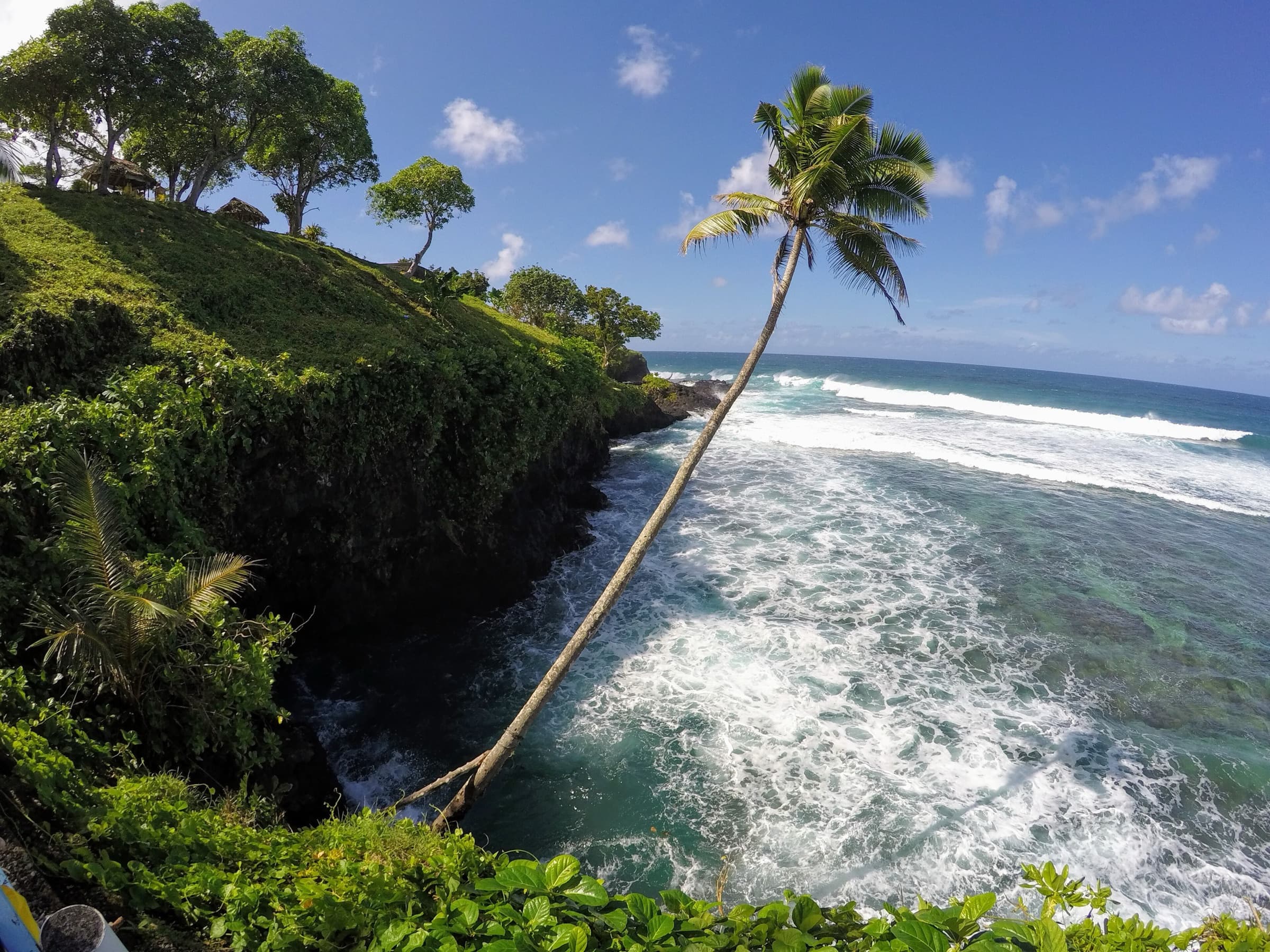
Upolu travel guide for Samoa’s gateway island: Faleolo (APW), Apia, To Sua and Lalomanu, south-coast fales, and the Mulifanua ferry door to Savaiʻi—with faʻa Samoa logistics that stay unconfirmed.
View guide →
Savaiʻi
Pacific · Samoa
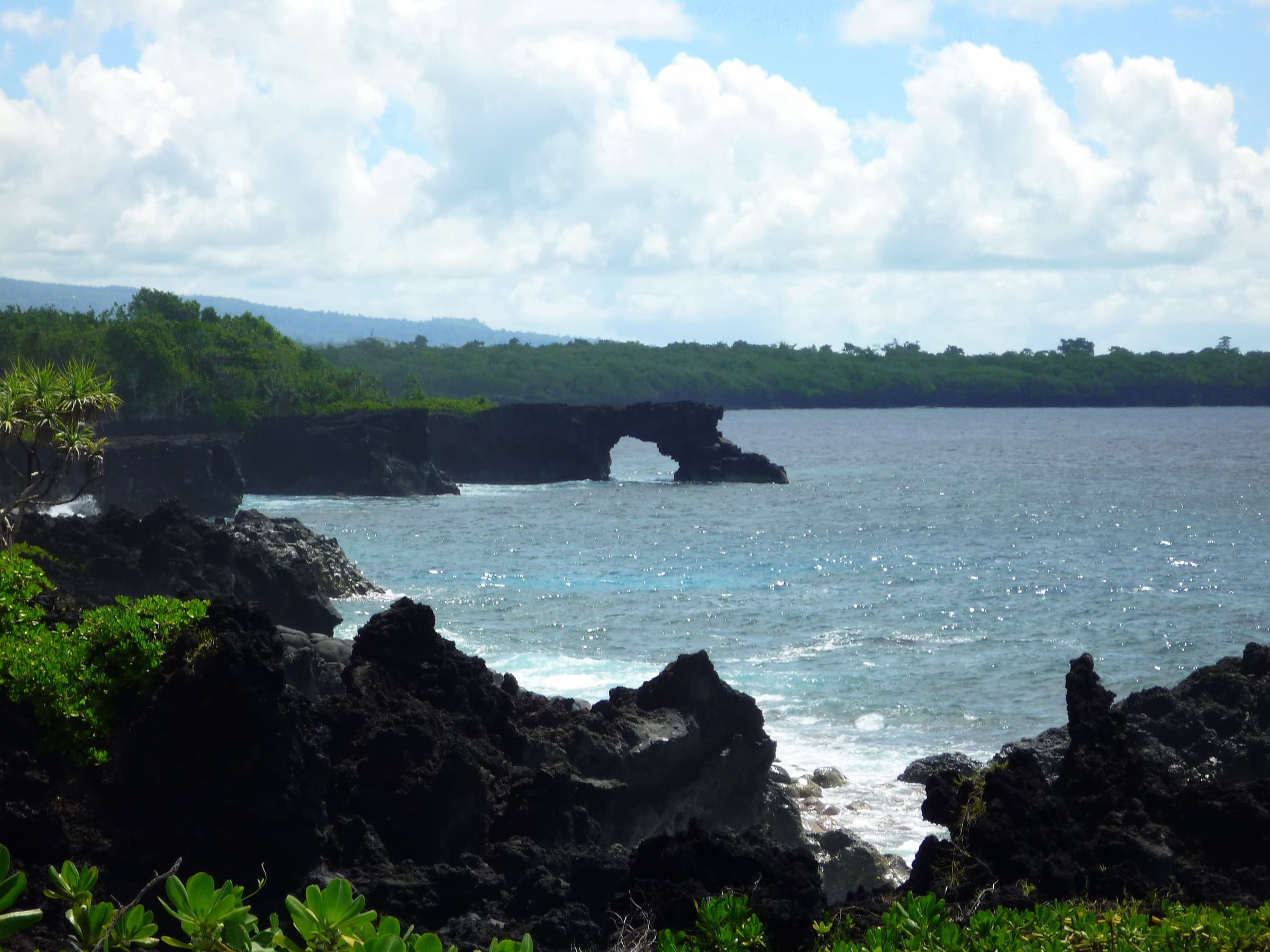
Savaiʻi travel guide for Samoa’s larger quieter island: Salelologa ferry arrivals, Saleʻaula lava fields, Alofaaga blowholes, coastal waterfalls, and a loop-road week that rewards buffers over checklists.
View guide →
American Samoa
Pacific · United States
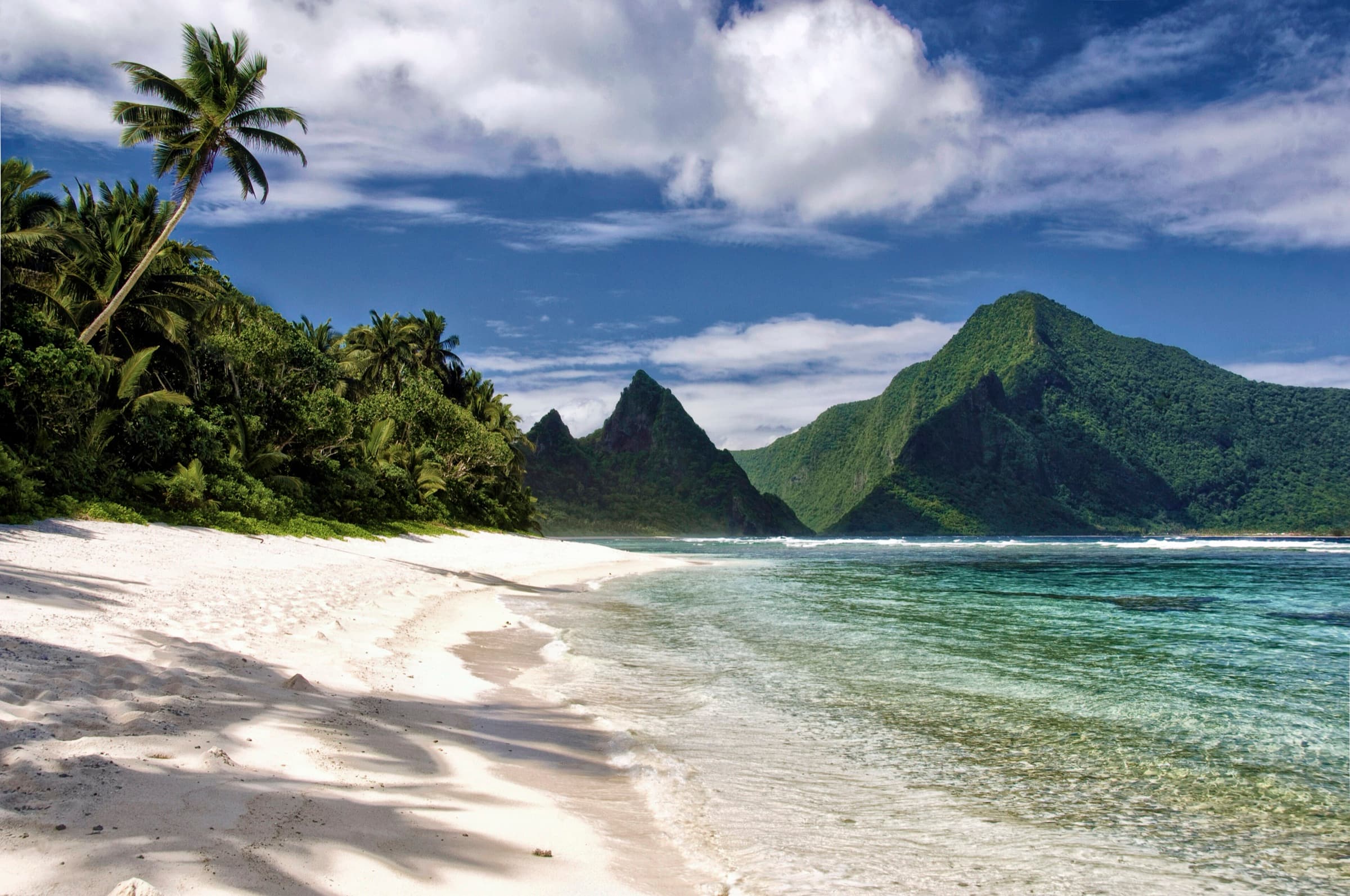
American Samoa travel guide for the US territory south of the equator: Pago Pago (PPG), National Park of American Samoa on Tutuila, Ofu, and Taʻū, Hawaiian Airlines from Honolulu, and expect faʻasamoa with its own immigration rules.
View guide →
Cook Islands
Pacific · Cook Islands
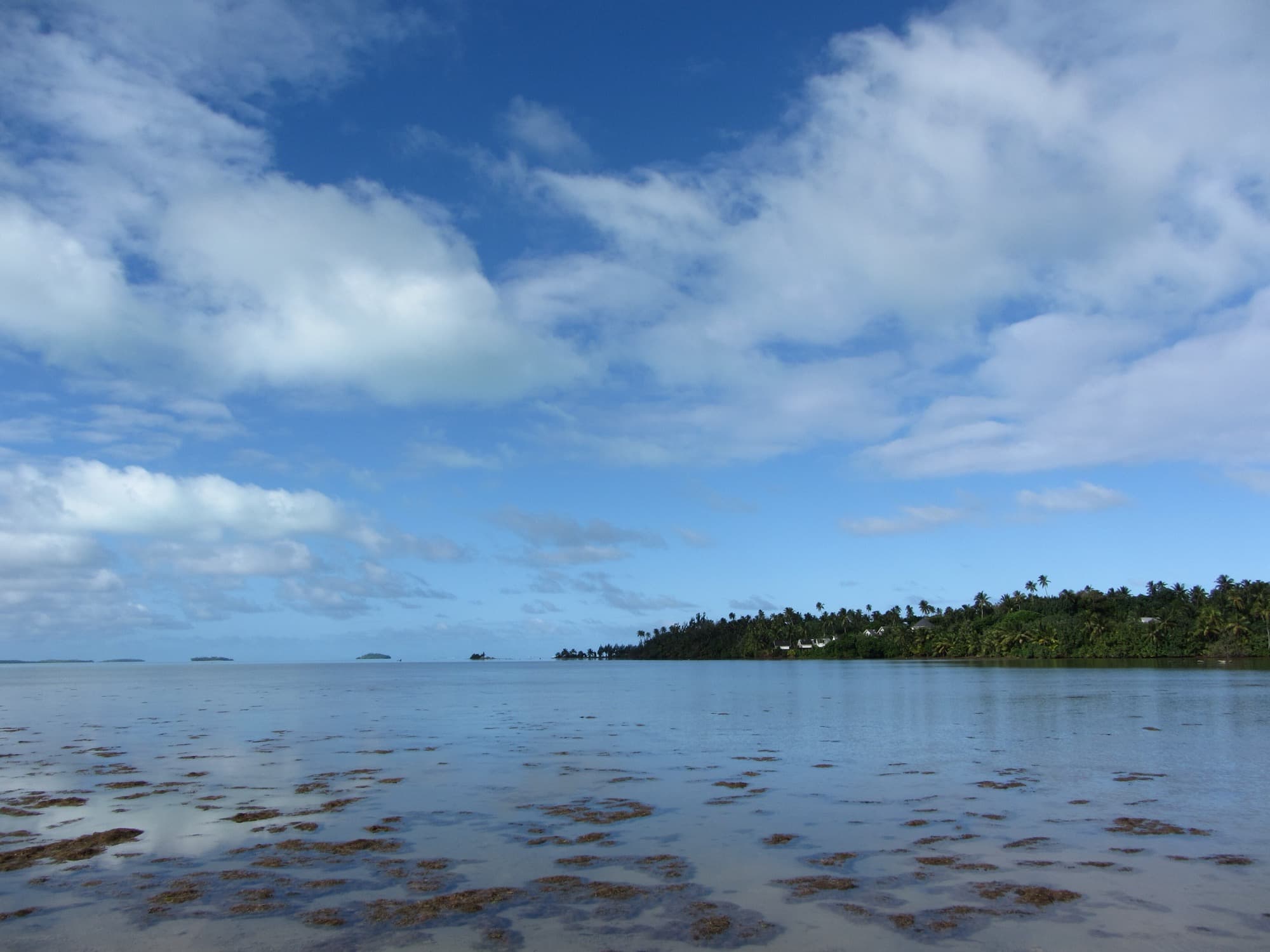
Cook Islands travel guide for Rarotonga and Aitutaki: Air New Zealand into RAR, Air Rarotonga lagoon hops, Cook Islands Māori culture, NZD pricing, and expect 2025 visitor trends still led by New Zealand.
View guide →