
Melbourne
A compact cultural center with food neighborhoods along rail and tram corridors
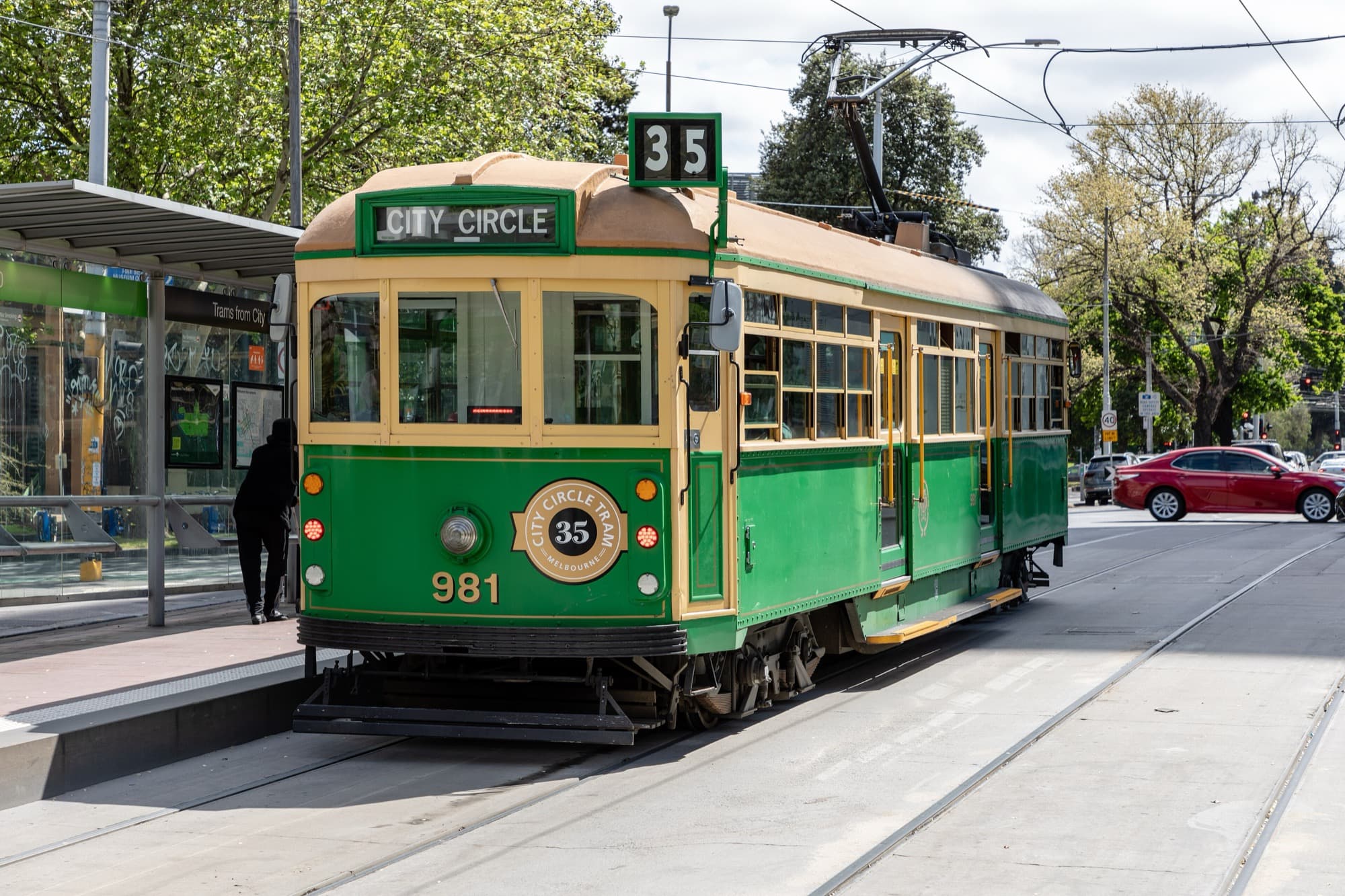
Dietmar Rabich / “Melbourne (AU), City Circle Tram -- 2019 -- 1550” / resized from original
Melbourne works best for food and culture travelers who are happy to leave the center for a focused half-day and adjust plans around variable weather. The CBD puts arcades, street-art lanes, Chinatown, Federation Square, migration museums, theatres, and the Yarra within a compact area, making it a practical first base.
Beyond the center, the food map follows rail and tram corridors. Victoria Street carries a specific Vietnamese refugee and business history. Footscray combines a market, Vietnamese and Chinese groceries, Indian businesses, the African and multicultural precinct around Nicholson Street, and community arts. Box Hill is a dense Chinese and broader Asian activity center around its station. Springvale and Glen Waverley add different Southeast Asian, South Asian, and evening dining districts farther from the CBD.
Coffee fits into that migration history. Melbourne's postwar Italian espresso institutions preceded a later specialty-roasting culture represented by businesses such as Market Lane, Seven Seeds, and Proud Mary. Both traditions remain easy to encounter, and ordering requires no insider vocabulary.
Five days leaves room for the center, two outward neighborhoods, and a flexible culture or market day. The Australian Open, Formula 1, AFL fixtures, Melbourne Cup, and Boxing Day Test can change hotel demand and transport around entire districts, so their calendars belong in the booking decision.
| Best months to visit | March–May usually offers comfortable walking weather. June–August favors museums, theatre, and dining in cool, damp conditions. Spring is variable; summer brings long evenings, major events, and occasional severe heat. |
| Primary airport(s) | Melbourne Airport (MEL) has four terminals in one precinct and no airport train yet—SkyBus runs to Southern Cross in about 20–30 minutes |
| Ease for first-timers | 9/10 |
| Trip intensity | Easy |
| Typical budget feel | Comfortable |
| Suggested trip length | 5–7 days |
Transpacific Bound destination editorial. Not live pricing or availability; confirm seasons and entry rules before booking.
Why go now
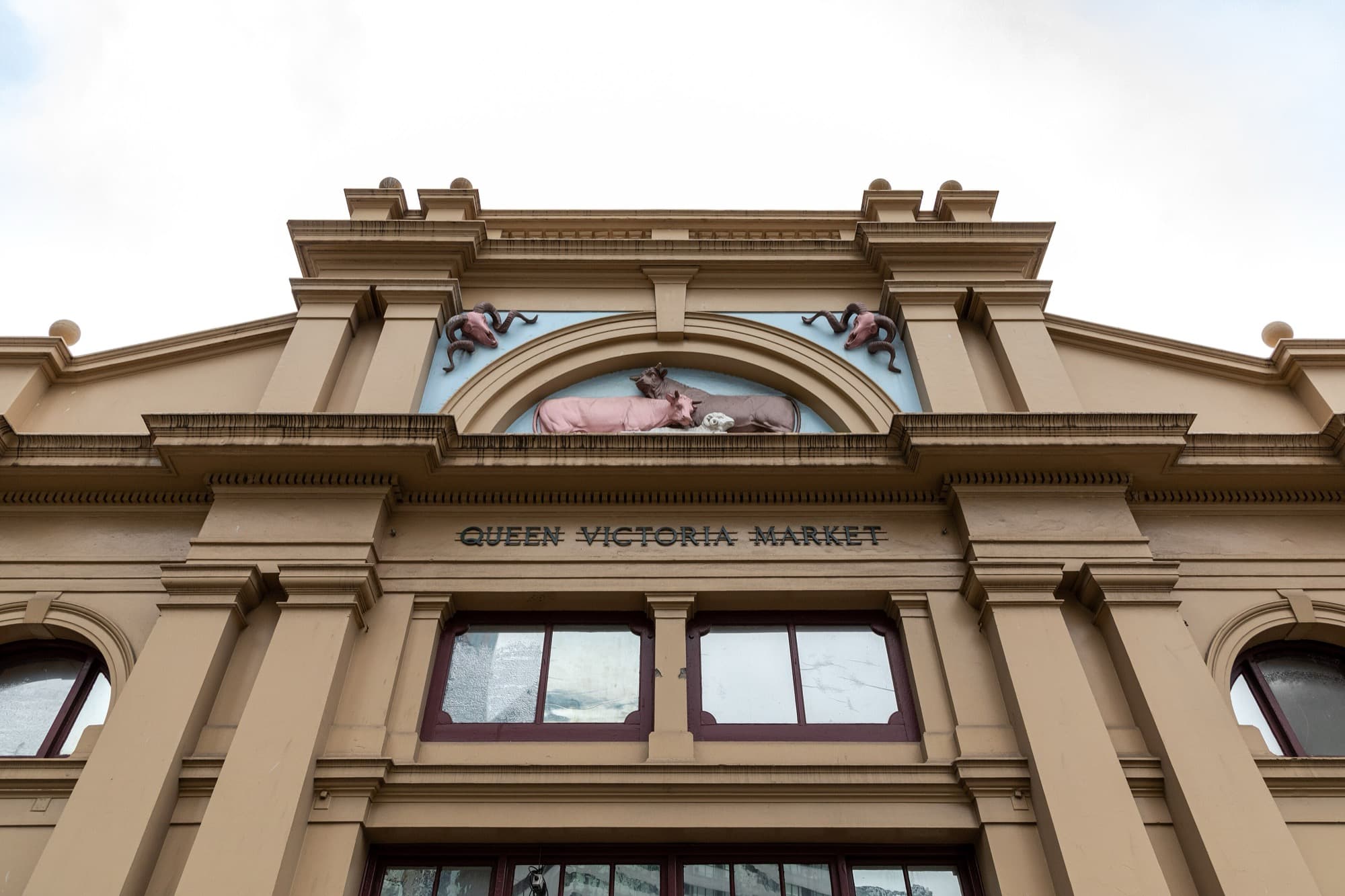
The Metro Tunnel and 2026 contactless-payment rollout have changed how visitors move around the city, while Queen Victoria Market and the arts precinct remain open through major renewal work.
Who this trip is for
Food and culture travelers who want a walkable museum core plus outward neighborhood trips, and who are comfortable planning around variable weather and major-event crowds. Beach-first or low-planning holidays are better served elsewhere.
First-timer move
Keep the first day central, then devote one later day to a single outward corridor: Victoria Street, Footscray, Box Hill, or Springvale.
Repeat visitor angle
A second visit can follow a different line. Someone who reached Box Hill the first time might spend the next trip in Footscray and its community-arts precinct, or take a half-day around Springvale's Buckingham and Balmoral streets. Richmond's Victoria Street is the easiest community commercial corridor to add when an earlier stay remained entirely central.
Federation Square remains useful on repeat trips because ACMI, Koorie Heritage Trust, and NGV Australia rotate programs. Carlton adds Melbourne Museum and Bunjilaka, while Collingwood and Fitzroy support a slower day of independent shops, galleries, live music, and specialty coffee.
The Great Ocean Road works better with a night near the coast. A commercial day tour commonly consumes 12 to 14 hours, and the Twelve Apostles are roughly four hours from Melbourne by the scenic route. Rail to Geelong or a full Yarra Valley day creates an easier regional alternative.
Where to stay
The eastern CBD places Chinatown, theatres, Federation Square, and the sports precinct close by. The western CBD is convenient for Southern Cross and SkyBus. Southbank suits the arts precinct, convention travel, and larger hotels, although construction affects some approaches.
Carlton and the Fitzroy or Collingwood edge work for neighborhood evenings, cafes, and independent retail, with more tram dependence. Richmond suits Victoria Street, live music, and MCG access; event days add crowds and room demand. St Kilda provides beach and nightlife but requires a longer tram trip to the center and has no train station.
Each outward food district needs its own half-day. Under normal service, Victoria Street is roughly 10 to 20 minutes by tram 12 or 109 from the eastern CBD; Footscray is about ten minutes by train from Southern Cross; Box Hill is usually 25 to 30 minutes by train from Flinders Street; Springvale generally requires 35 to 45 minutes from Town Hall station; and Glen Waverley takes a similar range from Flinders Street. These are planning ranges before waits and local walking. The Transport Victoria journey planner should settle the route on the day, especially during works or replacement buses.
What to eat
Compare the Vietnamese history of Victoria Street, Footscray's market and migrant businesses, the Chinese concentration around Box Hill station, and Springvale's Southeast and South Asian layers. In the center, add Chinatown, Queen Victoria Market, and Melbourne's Italian-to-specialty coffee history.
Cultural fluency notes
As of July 19, contactless Visa and Mastercard payments work on trains and trams. Any journey involving a bus, including airport route 901, should still use myki until the bus rollout is confirmed complete on July 26. Concession riders continue to use myki. No touch-on is required when an entire tram trip stays inside the Free Tram Zone; crossing its boundary requires valid payment.
Some tram vehicles and stops are not step-free. Transport Victoria's accessible-journey filters and the City of Melbourne access map identify suitable services, accessible toilets, Changing Places facilities, and support points. The Metro Tunnel opened in late 2025, making some older rail maps obsolete.
A flat white uses espresso and textured milk with relatively little foam. A long black is espresso over hot water. A `magic` generally combines a double ristretto with steamed milk in a small cup, but recipes vary. Baristas routinely explain the available beans and formats.
Most non-citizens need an appropriate Australian visa before travel, with eligibility determined by the passport used. On arrival, declare relevant food, plant, and animal products; commercial packaging does not automatically make food admissible.
AFL runs from March through September. MCG games affect Richmond, Jolimont, and the eastern CBD before and after play. The Australian Open and Formula 1 create similarly concentrated crowd and transport effects.
What diaspora travelers may notice
Melbourne's migration history is visible in institutions as well as restaurants. The Immigration Museum occupies the Old Customs House, the Chinese Museum documents Chinese Australian history from Chinatown, and Vietnamese Museum Australia's permanent home is being developed in Sunshine near the station. Brimbank Council's project page lists a mid-2026 completion target, so verify opening status before making a trip.
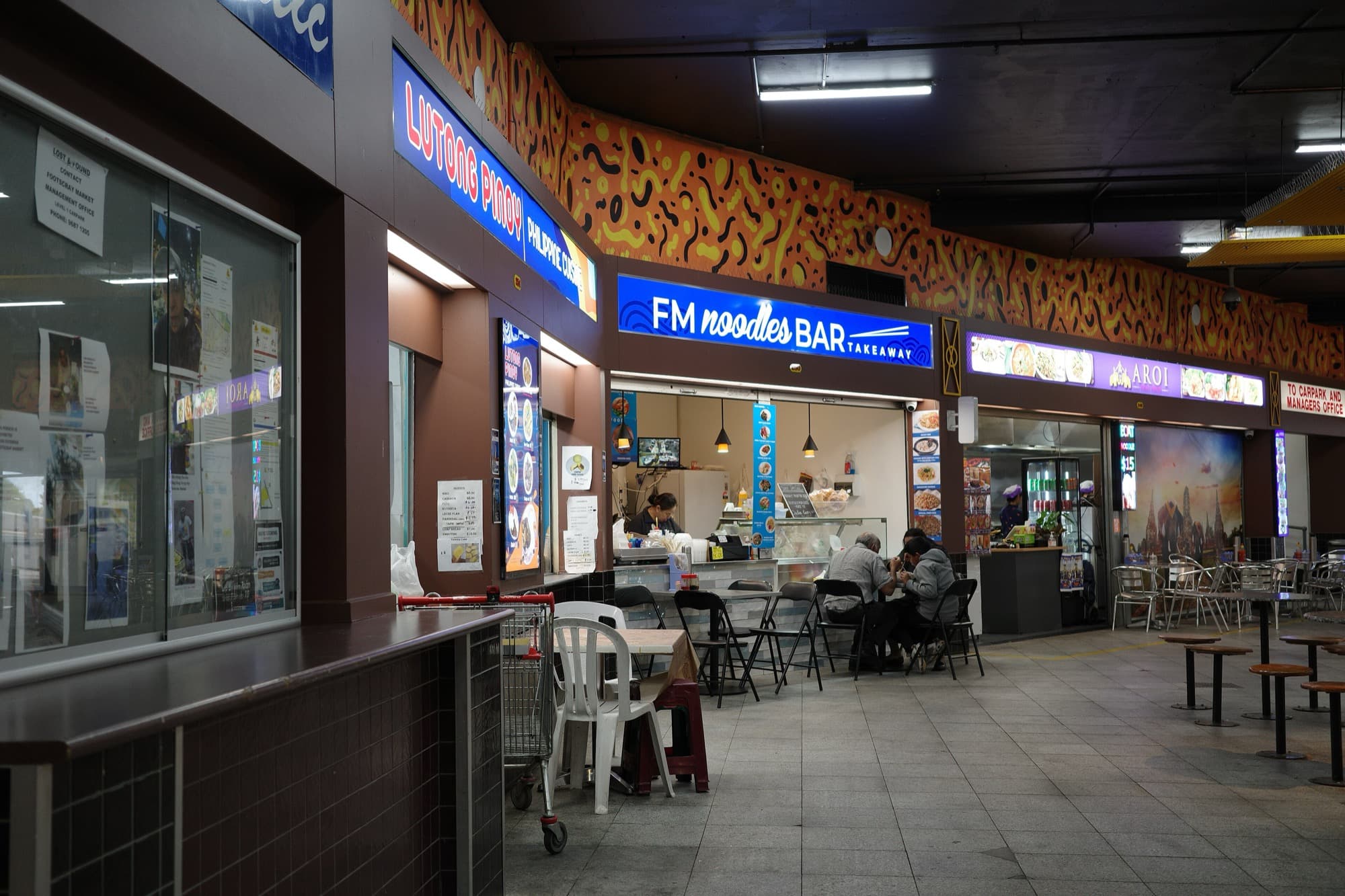
The food districts have different histories. Victoria Street's Vietnamese businesses grew from refugee settlement and community formation. Footscray's Vietnamese and Chinese market economy sits beside Indian businesses and the African and multicultural precinct around Nicholson Street. Box Hill has become a large Chinese and broader Asian commercial center. Springvale reflects Vietnamese and Cambodian-Chinese histories alongside newer Uyghur, Korean, Lao, Thai, Sri Lankan, and Indian businesses.
These communities have long histories and daily routines that continue beyond visitor attention. Public transport, direct purchases from local businesses, and time for groceries, bakeries, and ordinary meals all make for a more grounded visit.
Worth the splurge
Aru, Serai, or Lee Ho Fook can anchor one ambitious dinner. An overnight on the Great Ocean Road is the larger use of time and budget.
What not to do
Avoid combining Box Hill, Springvale, and Footscray in one day. They sit on different sides of the city, and each deserves enough time for a meal, shopping, and local context.
Check Queen Victoria Market's trading days and renewal notices before building a morning around it. The market remains open, but construction and temporary trader locations continue to change. Separate cafe lanes, historic arcades, street-art sites, and working service lanes instead of treating every CBD lane as the same attraction.
Leave a Great Ocean Road day free of major dinner plans. An overnight is more comfortable, and current Twelve Apostles visitor-center works can alter parking and access. Verify the arrival airport as well: Avalon is 55 kilometers from the CBD and should not be planned like another Melbourne Airport terminal.
Best paired with
Sydney is the direct two-city comparison, with harbor and beach geography replacing Melbourne's lane-and-transit structure. Flying is usually the practical choice unless the long overland journey is part of the trip.
Tasmania works as a separate nature and food leg. Flights leave Melbourne, while the Spirit of Tasmania ferry sails from its terminal in North Geelong, roughly 70 kilometers from the CBD. Adelaide adds a smaller city and nearby wine regions. Singapore provides a useful transpacific pairing for travelers interested in how migration, food, and public transport shape two very different urban systems.
Best time to go
March–May usually offers comfortable walking weather. June–August favors museums, theatre, and dining in cool, damp conditions. Spring is variable; summer brings long evenings, major events, and occasional severe heat.
Airport notes
Melbourne Airport (MEL) has four terminals in one precinct and no airport train yet—SkyBus runs to Southern Cross in about 20–30 minutes. Avalon (AVV) is a separate field. For layover hours, free T2 showers, PARKROYAL, and TWOV versus ETA notes, see our Melbourne Tullamarine airport guide.
A 5-day editorial itinerary
Day 1
For an arrival at Melbourne Airport, SkyBus reaches Southern Cross; an official taxi or rideshare may suit hotels farther from that route. Avalon requires a separate transfer from 55 kilometers west of the CBD. After checking in, a short arcade-and-lane walk and ACMI or Koorie Heritage Trust at Federation Square make a manageable first afternoon.
Day 2
On a Queen Victoria Market trading day, allow for renewal works and temporary trader locations. Continue to the Immigration Museum or Chinese Museum, then compare an Italian espresso institution such as Pellegrini's with a specialty shop. Aru, Serai, and Lee Ho Fook are possible dinner anchors; confirm reservations and opening days directly.
Day 3
The eastern half-day can follow tram 12 or 109 to Victoria Street for its Vietnamese commercial history, or the train to Box Hill for a focused restaurant, grocery, and fresh-market block around the station. Either route leaves enough time for a quiet evening back near the center.
Day 4
A western day can combine Footscray Market and the surrounding Vietnamese, Chinese, and Indian businesses with the African and multicultural precinct around Nicholson Street or Footscray Community Arts. A southeast alternative is Springvale's rail-centered shops and restaurants. Carlton, Fitzroy, or Collingwood supplies an easier evening close to the center.
Day 5
Use the final day for an NGV exhibition, Melbourne Museum and Bunjilaka, a match or performance already on the calendar, or a return to the district that deserved more time. A Yarra Valley excursion can replace the city day. The Great Ocean Road needs a full-day tour or, preferably, an overnight.
What this place feels like
Related stories
Related destinations
Tokyo
East Asia · Japan
Tokyo travel guide for diaspora and first-time Asia visitors: neighborhoods, food, transit, and how to pace a trip without checklist tourism.
View guide →
Singapore
Southeast Asia · Singapore
Luxury, order, and tropical city energy in a place that makes complexity feel effortless.
View guide →
Sydney
Pacific · Australia
Sydney travel guide to harbor ferries, coastal walks, Airport Link logistics, and the distinct food neighborhoods reached by train and metro.
View guide →