
Sydney
A harbor-and-beach city with food neighborhoods reached by train, metro, bus, and ferry
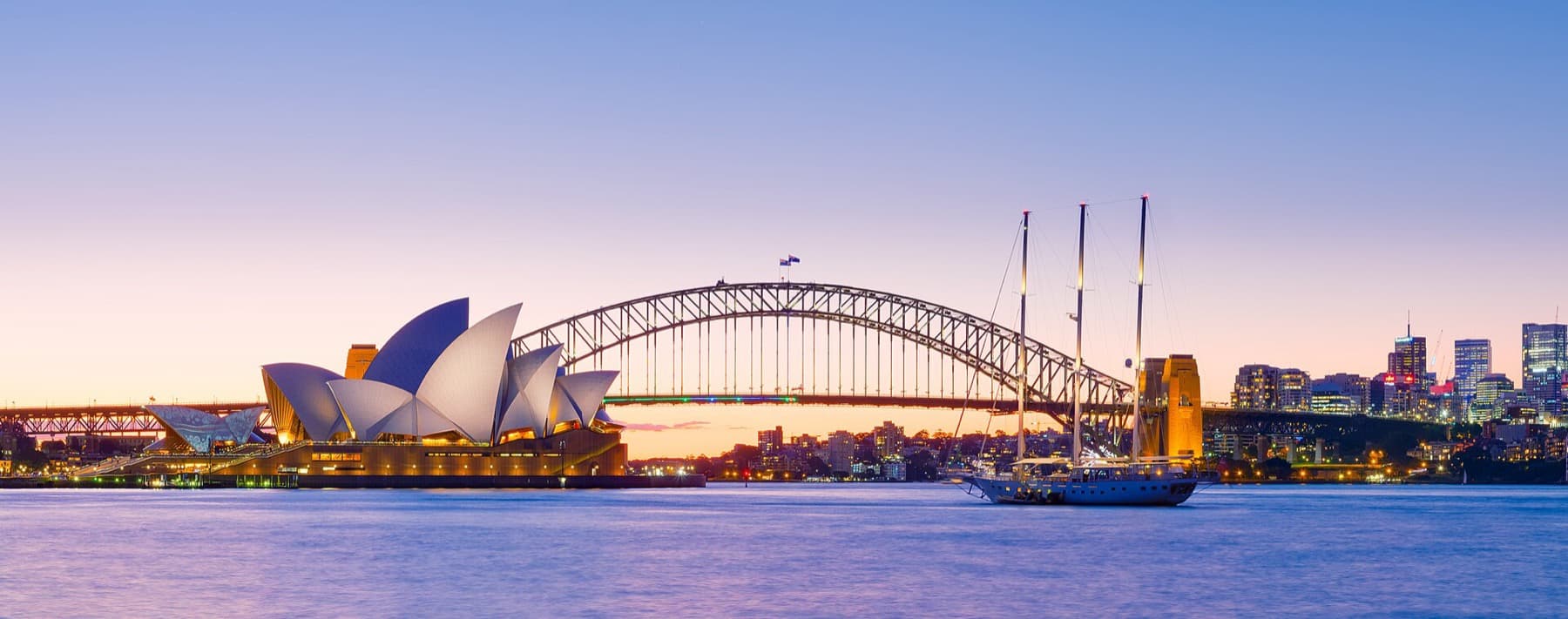
Benh LIEU SONG / “Sydney Opera House and Harbour Bridge Dusk (3) 2019-06-21” / resized from original
Sydney works best for travelers who want a harbor base, one strong beach or ferry day, and at least one named suburban food corridor reached by train or metro. Circular Quay, the Opera House foreshore, the Royal Botanic Garden edge, Barangaroo, and Haymarket form a practical first area after a long flight.
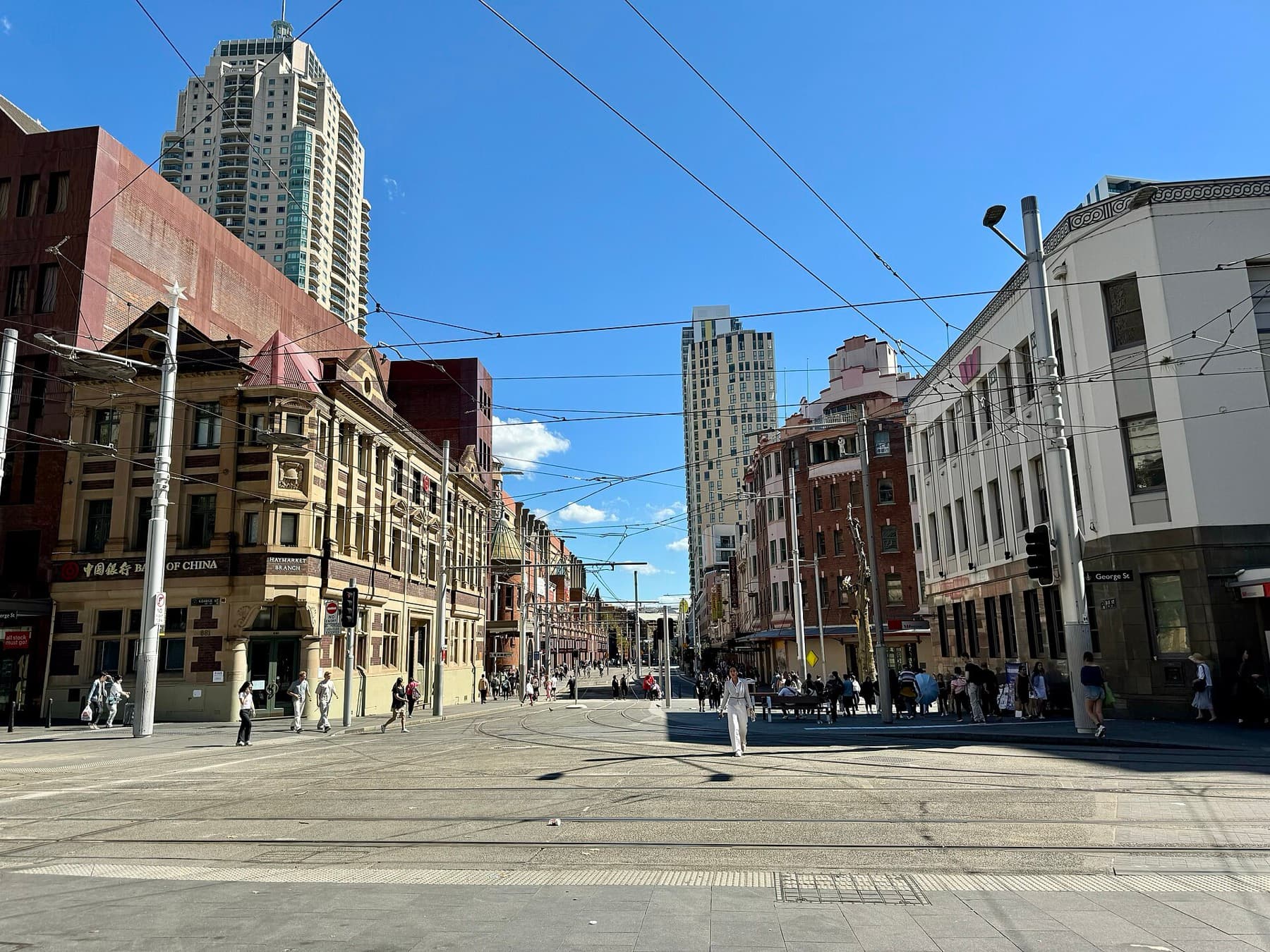
Beyond the center, the food map follows different lines. Haymarket remains the Chinese Australian commercial core near Central. Eastwood splits Chinese and Korean dining around its station. Ashfield concentrates Shanghainese restaurants on Liverpool Road. Strathfield's Boulevarde is a Korean dining strip. Burwood offers denser Chinese retail closer in. Cabramatta is a Vietnamese commercial center around John Street and Freedom Plaza.
Beaches and ferries are transit choices with real time costs. Bondi is a bus or Bondi Junction transfer; the Bondi-to-Bronte walk is about 2.5 kilometers. Manly is about 20 minutes on the Fast Ferry from Circular Quay, or 22 to 30 minutes on the F1 Sydney Ferries service. Five days leaves room for the harbor core, one beach-or-ferry day, one rail food corridor, and a museum or Blue Mountains choice.
| Best months to visit | March–May and September–November usually favor walking and coastal days. December–February is peak beach season with high UV. June–August suits museums, dining, and cooler ferry crossings. |
| Primary airport(s) | Sydney Airport has T1 International and T2/T3 Domestic terminals that are not walkable between each other |
| Ease for first-timers | 9/10 |
| Trip intensity | Easy |
| Typical budget feel | Comfortable |
| Suggested trip length | 5–7 days |
Transpacific Bound destination editorial. Not live pricing or availability; confirm seasons and entry rules before booking.
Why go now
Contactless Opal payments, the Airport Link fee structure, and the current taxi fixed-fare trial from SYD to the CBD change how arrival days should be budgeted.
Who this trip is for
Travelers who want harbor views, one strong beach or ferry day, and at least one named suburban food corridor without treating Melbourne as a day trip.
First-timer move
Keep arrival day around Circular Quay and Haymarket, then choose one beach-or-ferry day and one named rail food corridor.
Repeat visitor angle
A second visit can change the outward corridor. Someone who stayed in Haymarket and Bondi can spend the next trip in Eastwood or Cabramatta, or take the Metro to Chatswood for North Shore density. Watsons Bay is a lighter ferry alternative when Manly already felt familiar.
The Art Gallery of NSW, MCA, Australian Museum, and Chau Chak Wing Museum rotate enough programming to justify a culture-heavy return. The Blue Mountains work better with an overnight if the first trip only managed Echo Point.
Where to stay
Stay near Circular Quay, Town Hall, Central, Surry Hills, or Haymarket if the priority is walkability to harbor, museums, and the first food night. Surry Hills suits Crown Street evenings without a hotel-tower setting. Newtown is about ten minutes by train for King Street shops and mixed dining.
Under normal service, Bondi is roughly 30 to 40 minutes by bus 333 or 380 from Circular Quay, Town Hall, or Central areas, or about 8 to 15 minutes by T4 to Bondi Junction plus a beach bus. Manly is about 20 minutes on the Fast Ferry from Circular Quay, or 22 to 30 minutes on the F1. Eastwood is roughly 30 to 35 minutes on the T9 from Central. Chatswood is commonly about 12 minutes by Metro from Martin Place. Burwood is usually 10 to 17 minutes from Central. Cabramatta is commonly about 45 to 55 minutes from Central on western and Leppington-line services. These are planning ranges before waits and local walking. Use the Transport for NSW trip planner on the day.
What to eat
Start in Haymarket, then pick one outward corridor: Eastwood, Chatswood, Burwood or Ashfield, Strathfield, or Cabramatta. Newtown and Surry Hills cover nearer evening neighborhoods.
Cultural fluency notes
As of July 19, contactless Visa, Mastercard, or American Express cards and devices work across Sydney trains, Metro, buses, ferries, and light rail at adult Opal fares. Use the same card or device for every tap so daily and weekly caps apply. A physical Opal card is optional for most full-fare visitors.
Airport Link trains from the stations under T1 and T2/T3 reach Central in about 13 minutes, but an adult station access fee of A$18.61 applies on Opal or contactless in addition to the rail fare. That fee is outside the ordinary daily travel cap. Buses such as route 350 from Domestic or 420 from International and Domestic avoid the station fee at the cost of time. From Sydney Airport taxi ranks, a NSW fixed-fare trial through May 2027 sets A$60 for a standard taxi and A$80 for a maxi to the mapped CBD zone; rideshare quotes separately.
Summer UV is high even on cloudy days. Swim between the red and yellow flags when patrols are operating. Tipping is lighter than in the United States. Reservations help at busy restaurants, especially on weekends and during Mardi Gras, Vivid, or New Year's Eve periods.
Most non-citizens need an appropriate Australian visa before travel, with eligibility determined by the passport used. On arrival, declare relevant food, plant, and animal products; commercial packaging does not automatically make food admissible.
What diaspora travelers may notice
Sydney's migration history is visible in commercial corridors as well as institutions. Haymarket's Dixon Street area developed as a Chinese Australian social and commercial centre after earlier Rocks and market geographies. Eastwood's railway divides Chinese businesses west of the station from Korean businesses along Rowe Street East. Ashfield's Little Shanghai grew from late-twentieth-century Shanghainese settlement on Liverpool Road. Strathfield's Boulevarde is a Korean dining strip within a multicultural suburb. Cabramatta's John Street and Freedom Plaza remain a major Vietnamese commercial centre with Chinese, Cambodian, Lao, and Thai businesses nearby.
These districts have daily routines that continue beyond visitor attention. Arriving by train, buying groceries or baked goods, and giving each corridor its own meal block makes for a more grounded visit.
Worth the splurge
A Manly ferry half-day, a Bondi-to-Bronte coastal walk, or a Blue Mountains day that replaces a city day rather than stacking on top of it.
What not to do
Do not plan a day around an unnamed suburban Chinese corridor. Name Eastwood, Burwood, Ashfield, Chatswood, Strathfield, or Cabramatta, and give that corridor its own half-day.
Avoid stacking Cabramatta and Eastwood, or Bondi and a western-suburbs dinner, on the same day. Do not treat Melbourne as a day trip. Skip Jenolan Caves for now; NSW National Parks lists the reserve closed through late 2026.
Budget the Airport Link station access fee or choose a bus alternative before assuming the train is automatically cheapest. Check Circular Quay wharf boards for Manly services after 2026 maintenance changes.
Best paired with
Melbourne is the direct two-city comparison, with laneway and museum geography replacing Sydney's harbor-and-beach structure. Flying is the practical link.
Bali suits a beach and island reset after urban days. Singapore pairs well for travelers comparing how migration, food, and public transport shape two different Pacific hubs. Auckland works when Pacific routing already points that way.
Best time to go
March–May and September–November usually favor walking and coastal days. December–February is peak beach season with high UV. June–August suits museums, dining, and cooler ferry crossings.
Airport notes
Sydney Airport has T1 International and T2/T3 Domestic terminals that are not walkable between each other. Airport Link trains reach Central in about 13 minutes, with an adult station access fee on top of the rail fare. Contactless cards work across the Opal network. For layover hours, free T1 showers, Aerotel landside rules, and TWOV vs ETA notes, see our Sydney Kingsford Smith airport guide.
A 5-day editorial itinerary
Day 1
Arrive at SYD and decide among Airport Link plus the station access fee, a bus such as 350 or 420, or a rank taxi under the CBD fixed-fare trial. Keep the afternoon central: Circular Quay and the Opera House foreshore, the Botanic Garden edge or Barangaroo, and dinner in Haymarket or Surry Hills.
Day 2
On a Paddy's Markets trading day (Wednesday–Sunday), spend the morning in Haymarket and walk to the Chinese Garden of Friendship at Darling Harbour. Leave the evening for a nearby repeat meal rather than a long suburban ride.
Day 3
Choose one beach-or-ferry day: the Bondi-to-Bronte coastal walk after bus 333/380 or a Bondi Junction transfer, or the Manly ferry from Circular Quay with time on the Corso and ocean beach. Do not add a western-suburbs dinner afterward.
Day 4
Take one rail food corridor only. Eastwood covers Chinese and Korean sides of the station. Burwood or Ashfield suits a shorter Chinese or Shanghainese meal trip. Strathfield concentrates Korean dining on The Boulevarde. Cabramatta needs a longer western ride for Vietnamese shops and restaurants around John Street. Chatswood is the North Shore alternative by Metro.
Day 5
Use the final day for the Art Gallery of NSW, MCA, or Australian Museum, a return to the corridor that deserved more time, or a Blue Mountains day from Central to Katoomba. Express trains take about 90 minutes; all-stations services can take up to two hours each way. A Blue Mountains day replaces the city day rather than stacking on top of it. Leave Airport Link fee and transfer time in the departure buffer.
What this place feels like
Related stories
Related destinations
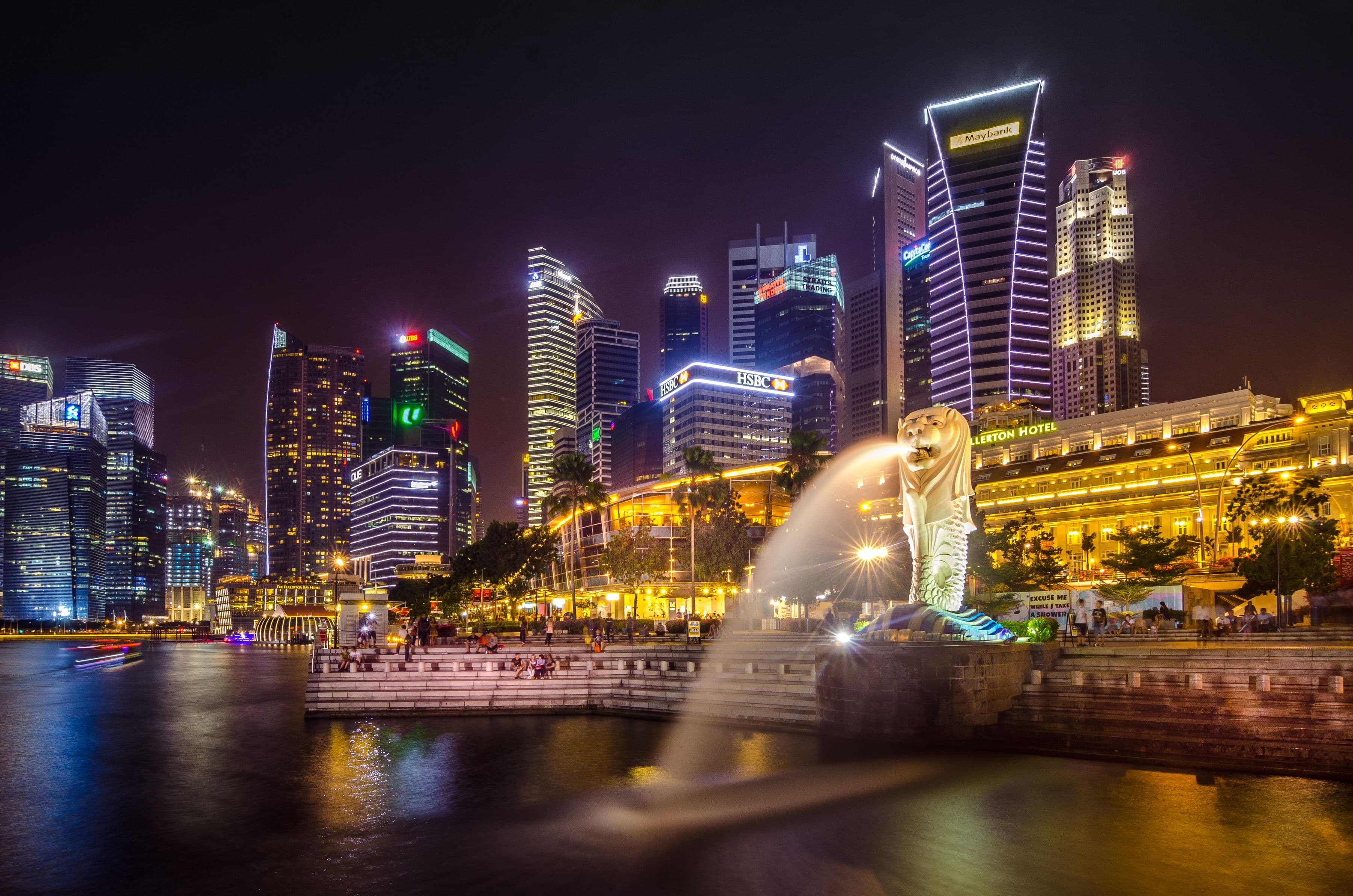
Singapore
Southeast Asia · Singapore
Luxury, order, and tropical city energy in a place that makes complexity feel effortless.
View guide →
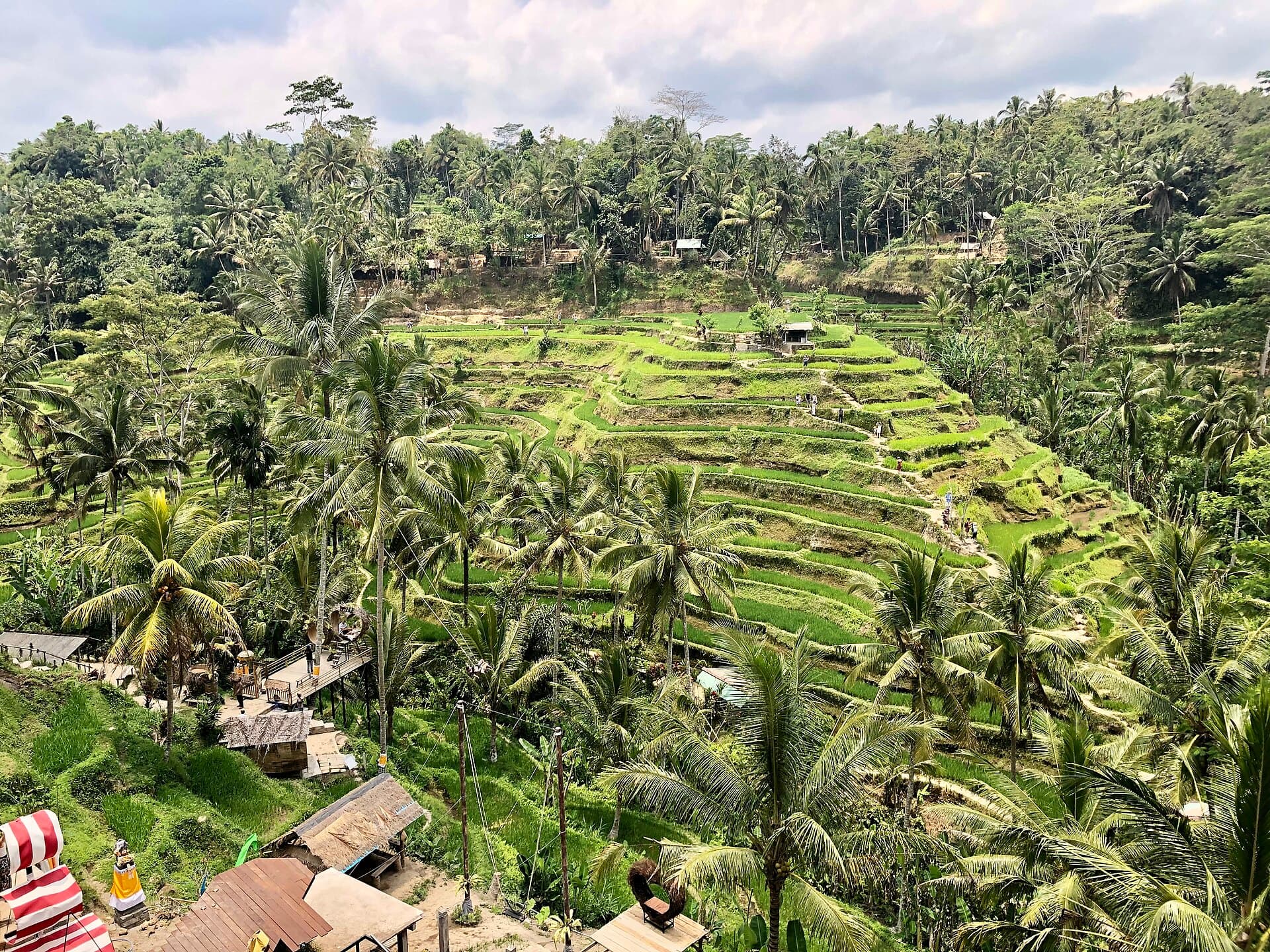
Bali
Southeast Asia · Indonesia
Ubud craft mornings and a southern beach base, with enough restraint to leave the traffic—and the checklist—behind.
View guide →
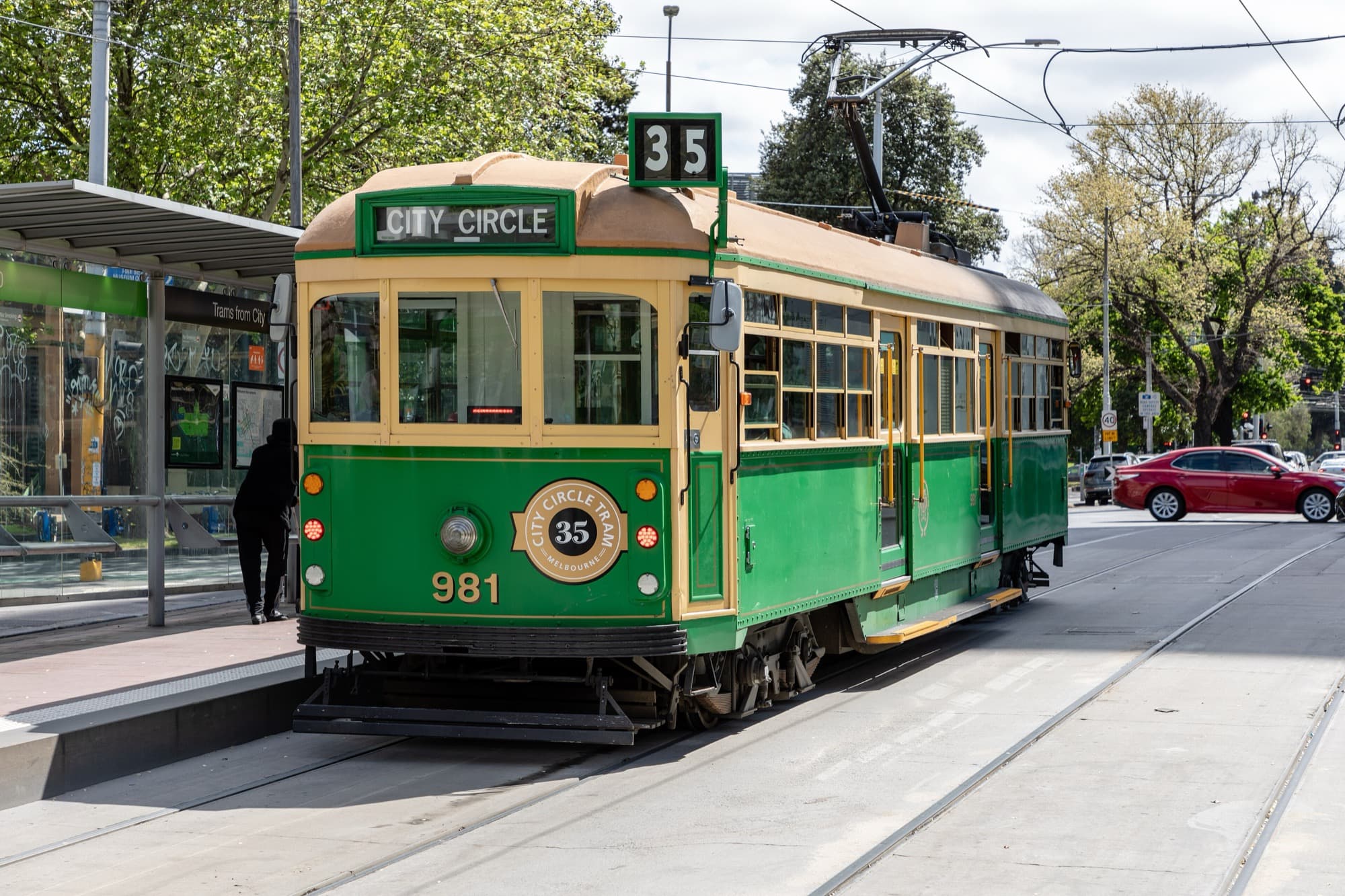
Melbourne
Pacific · Australia
Melbourne travel guide to CBD arcades, migration museums, current transit, and the distinct food districts reached along its rail and tram lines.
View guide →