
Midwest
Freshwater beaches and freighter horizons, immigrant industrial cities with serious music and food histories, and prairie distance that resets your sense of scale. Come for a lake or a neighborhood, not a coast comparison.
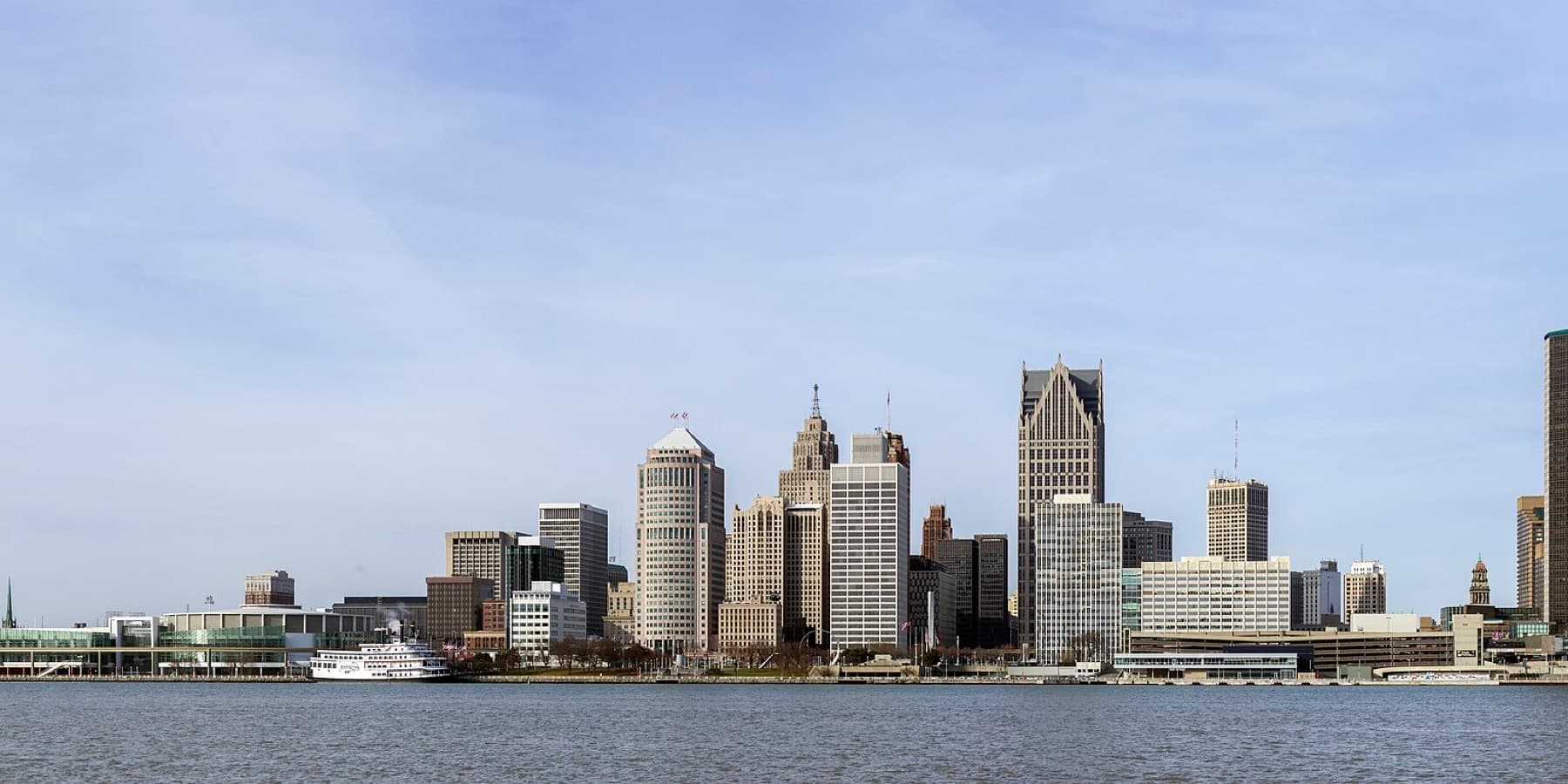
Photo: Crisco 1492, CC BY-SA 4.0
Census Midwest runs the Great Lakes and Plains from Ohio through the Dakotas and Kansas. Too much travel copy shrinks that to Chicago plus a corn joke. The region is wider: Detroit, Minneapolis–Saint Paul, Cleveland, Milwaukee, lake towns, river cities, and Indigenous prairie and treaty lands with their own trip logic.
Chicago and Traverse City are the city guides here. Use Chicago for Argyle and Devon; use Traverse City for Grand Traverse Bay, Old Mission wine, and cherry country—and this hub for the wider freshwater map.
Known for
- Great Lakes as inland sea
- Chicago as cultural and air hub
- Detroit music and design reinvention
- Twin Cities immigrant food maps
- Prairie and Indigenous lands
- Industrial and labor history
- Lake towns and ferry runs
- Winter culture done honestly
An inland sea
The Great Lakes are the point of entry for many travelers who think they came for a skyline. Beaches, freighters, winter ice, and summer ferries give freshwater an ocean scale without salt. Lake Superior weather differs hard from Iowa weather; a dune weekend on Lake Michigan fills the way a coastal one does.
Prairie and Plains miles teach a different lesson: distance, sky, and towns spaced for rail and grain. Both halves belong on the same map even when they feel nothing alike underfoot.
Cities that remade American music
Motown in Detroit, house music in Chicago, techno’s Detroit roots, Minneapolis rock and Twin Cities hip-hop: local industries with addresses you can still walk past. Chicago’s Black literary and political histories, Cleveland’s lake civic life, and mill and auto landscapes still shape family memory across the region.
After Chicago, the map opens: Detroit’s river and design scenes, Duluth above the Twin Cities, Madison after Milwaukee, a dune town after the downtown museum block. Hmong, Somali, Mexican, and South Asian neighborhoods remade Twin Cities and Chicago eating; follow those corridors before you default to the airport steakhouse.
Winter is a season here
Cold belongs on the calendar. It brings its own festivals, museum pace, and lake moods. Pack for it, or come in late spring when the water is still local and the dune lots have space.
Summer asks for reservations on popular lake shores. Shoulder weeks reward anyone willing to swim cooler water for quieter sand.
O’Hare, then a real day
Chicago O’Hare and Midway are the global doors. Detroit, Minneapolis–Saint Paul, and Cleveland carry international and heavy domestic connecting traffic. Amtrak exists between some cities, though frequencies lag the Northeast Corridor. Most cultural loops still assume a car or a short hop.
Asia–Pacific travelers often meet the Midwest as a connection or a work trip. Attach leisure on purpose: one neighborhood, one lake day, one museum beyond the lounge past security.
City guides
Neighborhood pacing for the cities already mapped on this region.
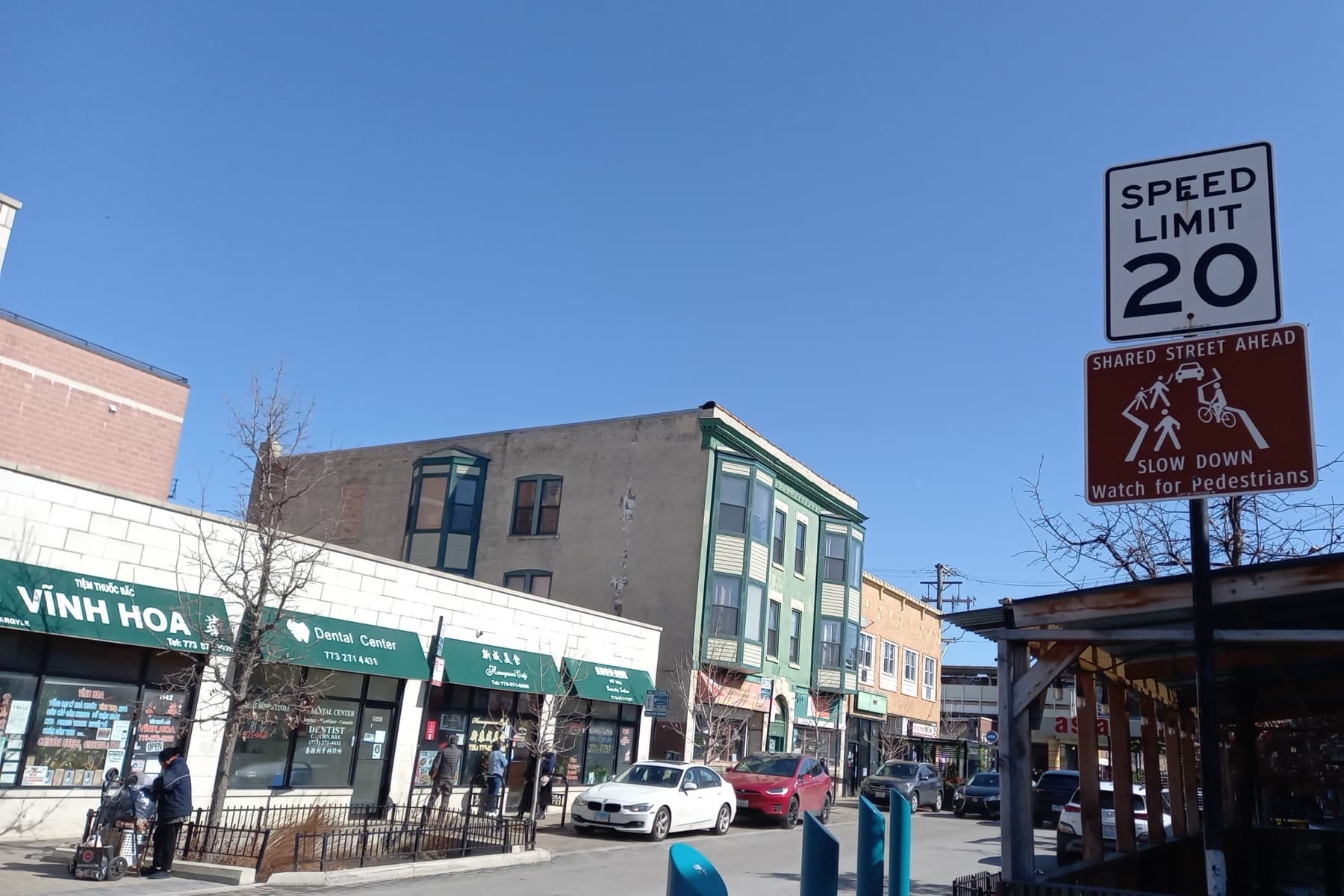
Chicago
North America · United States
Argyle phở and grocery shelves, Devon’s South Asian mile, Chinatown, Bronzeville and Pilsen—and a lakefront that behaves like weather.
View guide →
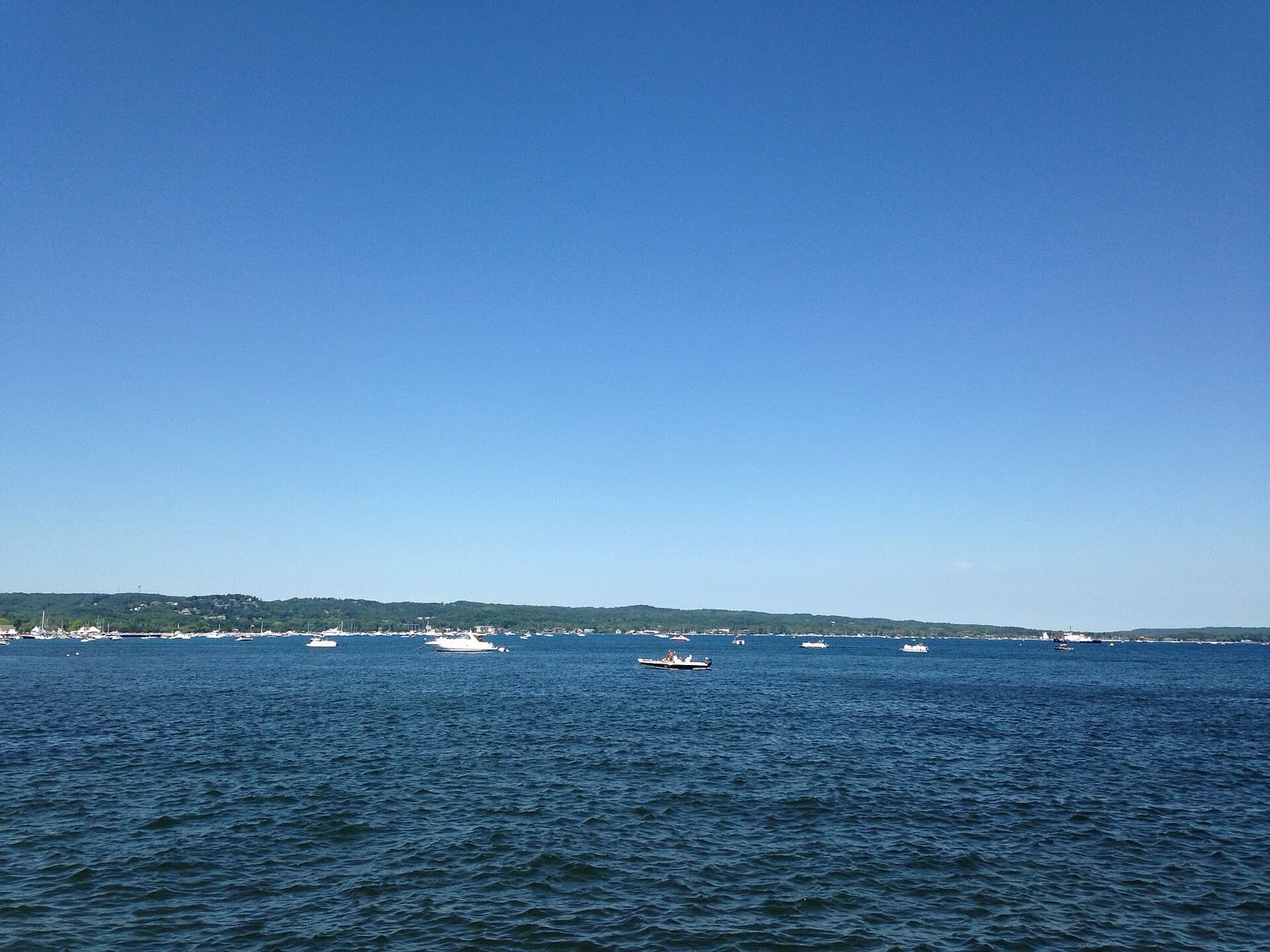
Traverse City
North America · United States
Grand Traverse Bay beaches, Old Mission Peninsula wine and cherries, and Anishinaabe history on Michigan’s freshwater coast.
View guide →
Still ahead on this map
Cities we intend to open next—useful as trip ideas even before a full guide exists.
- Detroit
- Minneapolis–Saint Paul
- Milwaukee
- Cleveland
- Madison
- Kansas City
- St. Louis
- Indianapolis
Before you book
- Chicago and Traverse City are the city guides open now; more Great Lakes cities are still ahead.
- Great Lakes weekends need wind and season plans; popular dune lots fill in summer.
- Detroit and the Twin Cities reward neighborhood food and music histories over one downtown loop.
- Amtrak helps on some routes; many cultural loops still need a car or a short flight.
- “Flat” is a stereotype. Lake Superior weather and Iowa sky are different trips.