

Northeast
A rail-stitched corridor from Boston to Washington, immigrant neighborhoods that still cook for themselves, Toronto’s diaspora density, and Québec’s French-speaking capital. The region rewards trips that leave Midtown and keep moving.
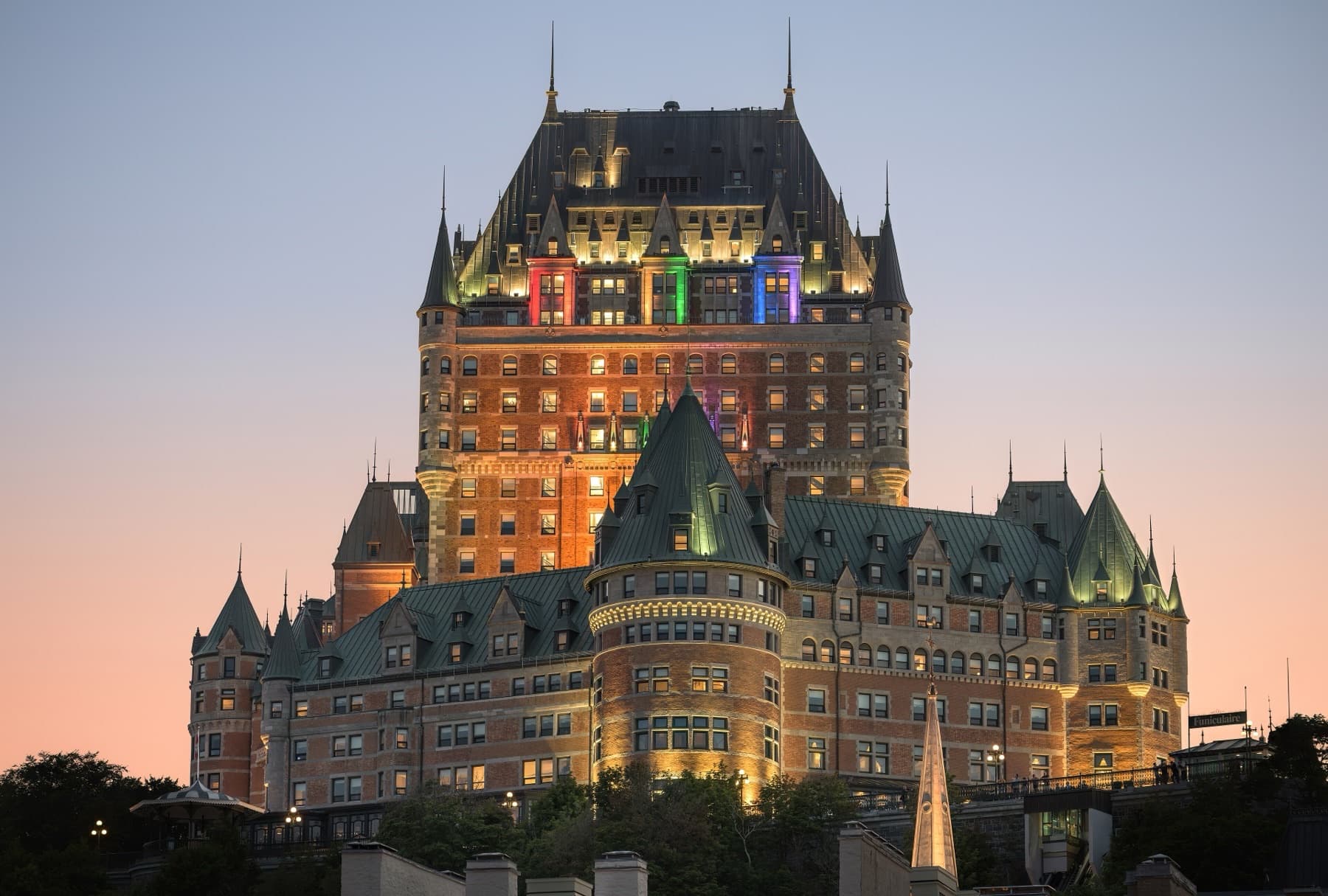
Photo: Wilfredor, CC0
Census Northeast is New England plus New York, New Jersey, and Pennsylvania. We also hold Toronto and look north to Montréal and Québec City—French North American trips that many Asia–Pacific itineraries never hear named.
Midtown Manhattan is one neighborhood inside a much wider map: mill towns, working waterfronts, Chinatowns and Little Italys that are still daily life, and train days that connect Boston, New York, Philadelphia, and Washington.
Toronto and New York are the city guides here. Use the New York guide for Flushing, Jackson Heights, and Koreatown—and this hub for the wider corridor those boroughs sit inside.
Known for
- Northeast Corridor rail trips
- Immigrant neighborhood food maps
- New England working waterfronts
- Québec’s French North America
- Toronto diaspora density
- Fall foliage (and its crowds)
- Black history corridors (Harlem, Philadelphia, Boston)
- College-town culture
A rail corridor with many centers
The Northeast holds some of the oldest continuous European colonial settlements on the U.S. seaboard and some of the densest immigrant arrival layers in North America. Irish, Italian, Jewish, Puerto Rican, Dominican, Chinese, South Asian, and Great Migration Black histories sit stacked on the same blocks.
Toronto and the Québec corridor join this map because weekend radius, fall travel habits, and family calendars already cross the border. Vancouver covers Canada’s Pacific face; this hub is where Eastern time and Atlantic-facing culture live.
Franco America and second cities
Haudenosaunee and Wampanoag histories precede every skyline story. Franco-American towns in Maine and New Hampshire, Portuguese New Bedford, Black Philadelphia, and Harlem make stronger week anchors than another shared observation-deck ticket.
Leave room for the second stop: Providence after Boston, the Hudson Valley after Manhattan, Québec City after Montréal, Niagara-side Ontario after Toronto’s core. Québec City’s fortified old city keeps a French-speaking tempo that Midtown never tries to match.
Walk, ride, eat in place
Walking density and rail are the Northeast’s practical gift. You can eat for a week inside one borough or on one plateau of Montréal without a car. Fall color is beautiful and crowded; winter city weeks can be quieter if you pack for sidewalk ice.
College towns keep bookstores, music rooms, and cheap international kitchens alive. A quiet main street at 10 a.m. often means class is in session.
Airports and Acela math
JFK, Newark, Boston Logan, Philadelphia, and Toronto Pearson are the main international doors. Acela and regional rail make many NYC–Boston–Philadelphia days honest without a rental car. Montréal and Québec City connect by VIA Rail or a short hop from the U.S. Northeast.
Count downtown-to-downtown time, not only airborne minutes. The train often wins once security and taxi queues enter the math.
City guides
Neighborhood pacing for the cities already mapped on this region.
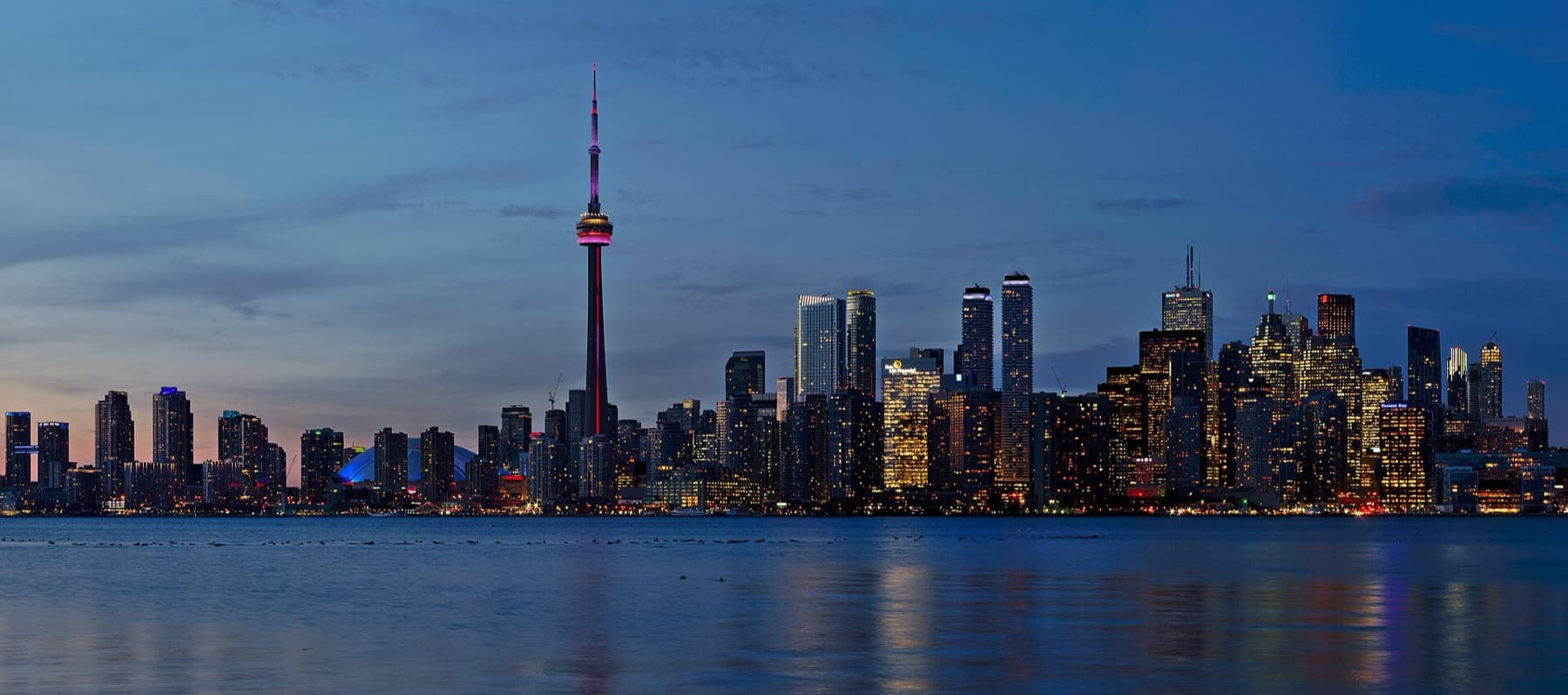
Toronto
North America · Canada
Scarborough, Markham, and downtown corridors make this one of North America's deepest diaspora food cities.
View guide →
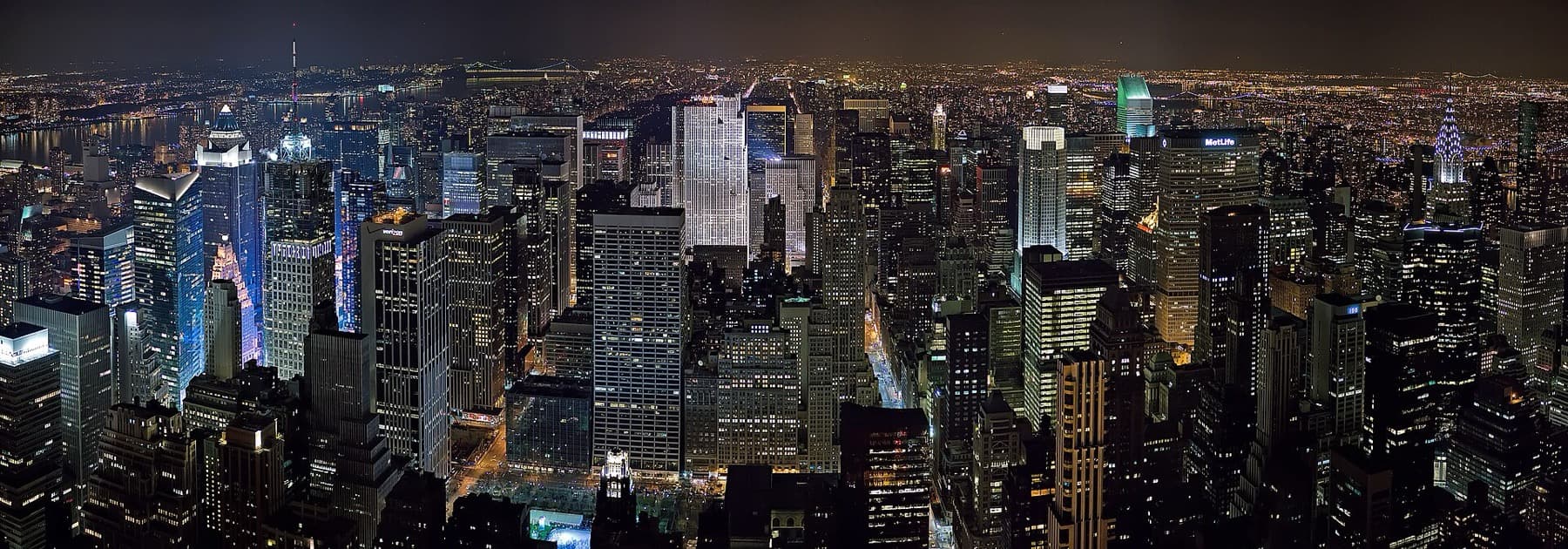
New York
North America · United States
Flushing’s regional Chinese denseness, Jackson Heights South Asian corridors, Koreatown, and Manhattan Chinatown—outer boroughs first.
View guide →
Still ahead on this map
Cities we intend to open next—useful as trip ideas even before a full guide exists.
- Boston
- Philadelphia
- Montréal
- Québec City
- Washington, D.C.
- Providence
- Portland, Maine
- Niagara region
Before you book
- Toronto and New York are the city guides open on this map.
- New York’s guide leads with Flushing and Jackson Heights; Midtown is contrast, not the thesis.
- Québec City is French-speaking North America with a fortified old city.
- Northeast Corridor trains often beat short-haul flights once you count full door-to-door time.
- Fall weekends fill early; midweek foliage or winter city trips are quieter.