
West
The useful West trip starts after the Pacific landing: San Gabriel Valley and Richmond food maps, Coast Salish water, Navajo and Pueblo jurisdictions, and one canyon or mountain day that does not try to collect five parks.
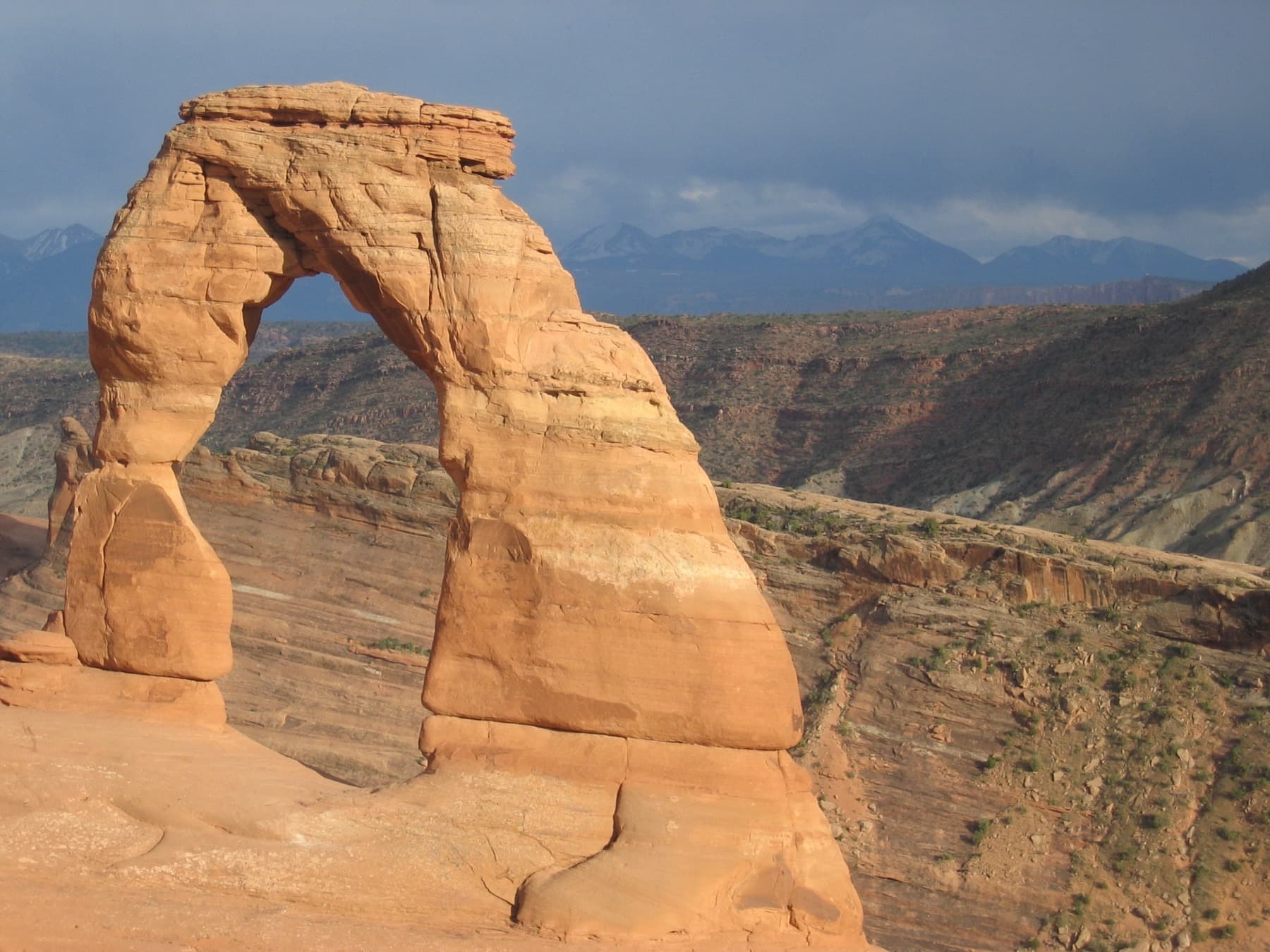
Photo: Jon Zander, CC BY-SA 3.0
For this map, the West means the U.S. Census West—Pacific and Mountain states—plus Vancouver, the Canadian Pacific door that already shares air corridors, ferry habits, and weekend radius with Seattle and Portland.
Hawaiʻi is Polynesian and belongs with Oceania, even when mainland maps file it west. What remains is still two trips wearing one name: a coastal cascade of Asian diaspora cities that absorb Asia–North America flying, and an inland West of basins, reservations, federal land, and rental-car distance that a downtown waterfront week never reaches.
Los Angeles, San Francisco, Vancouver, Seattle, and San Diego are the city guides on this page. Use them for neighborhood pacing. Use this hub when you are choosing which West you are actually buying: Cascadia, California diaspora corridors, or a slower inland loop through Utah, Arizona, New Mexico, or the Front Range.
Known for
- San Gabriel Valley and Pacific Rim food cities
- Cascadia ferries and Salish Sea weekends
- Navajo, Hopi, Pueblo, and Coast Salish geographies
- One-park canyon and mountain days
- Central Valley and agricultural town history
- Wasatch, Front Range, and desert gateways
- LAX, SFO, SEA, and YVR as Asia doors
Cascadia first, then the dry interior
Census “West” runs from California to Alaska and Arizona to Montana. On the ground the sharper split is Cascadia versus the interior. Vancouver, Seattle, and Portland already travel as one wet basin—Salish Sea ferries, shared weekend patterns, rain that rearranges outdoor plans. The Bay Area and Los Angeles keep their own tempos. Phoenix, Salt Lake City, Denver, and the Colorado Plateau answer a different question: heat, elevation, and how far a day can honestly go once you leave the interstate exit.
Book the coastal cities when the trip is food, family, and Pacific Rim density. Book the inland West when the trip is land, light, and tribal or public-land rules. Mixing both in five nights usually means you saw airports and parking lots more than either map.
Neighborhoods that beat the postcard
In Los Angeles, the San Gabriel Valley—not only Koreatown—still decides where many Asian American families eat for a week. In Vancouver, Richmond’s Chinese food map and the city’s older Chinatown are different days. Seattle’s Chinatown–International District and Little Saigon share one district; Beacon Hill’s Filipino kitchens reward a separate evening. San Francisco’s Chinatown history and Sunset dim sum sit beside Oakland corridors that behave like a second city.
Outside the metros, quieter days hold: a Central Valley town with Japanese American agricultural history, a Navajo Nation or Hopi calendar that is not a scenic backdrop, Pueblo communities in New Mexico with their own visitor rules, a Washington or B.C. ferry that locals use for errands as much as views. Read tribal and park rules before you treat land as a photo stop.
One hard park day, not five
Delicate Arch, Yosemite Valley, Olympic rain forest, and Canyonlands overlooks pull hard—and so do entrance lines. For 2026, Arches National Park dropped advanced timed-entry reservations, but peak-season waits and temporary parking holds can still last hours; Devils Garden camping and Fiery Furnace hikes still need reservations. Yosemite, Glacier, and other high-visitation parks keep their own access rules that change by season. Confirm the park you are promising, not last year’s blog.
A better inland week books one hard park morning, then leaves room for Dead Horse Point, a BLM stretch, a state park, or a town day in Moab, Flagstaff, or Santa Fe. Sunrise at one overlook beats a five-park scramble that only photographs the queue.
Air doors and the smoke calendar
LAX, SFO, SEA, and YVR take most Asia–North America leisure and visiting-friends traffic on this coast. Denver, Salt Lake City, Las Vegas, and Phoenix open the inland and desert map when the trip is parks or mountains rather than diaspora corridors.
A rental car is still how inland distance becomes real. Leave buffer for mountain passes, winter closures, and summer fire smoke that can cancel a viewpoint week with little warning. If the forecast is red-flag air, shift to a city food itinerary—or move the canyon days—rather than forcing a postcard through haze.
City guides
Neighborhood pacing for the cities already mapped on this region.

Los Angeles
North America · United States
The definitive Asian American city. K-town, SGV, and Pacific Rim culture at full scale.
View guide →
San Francisco
North America · United States
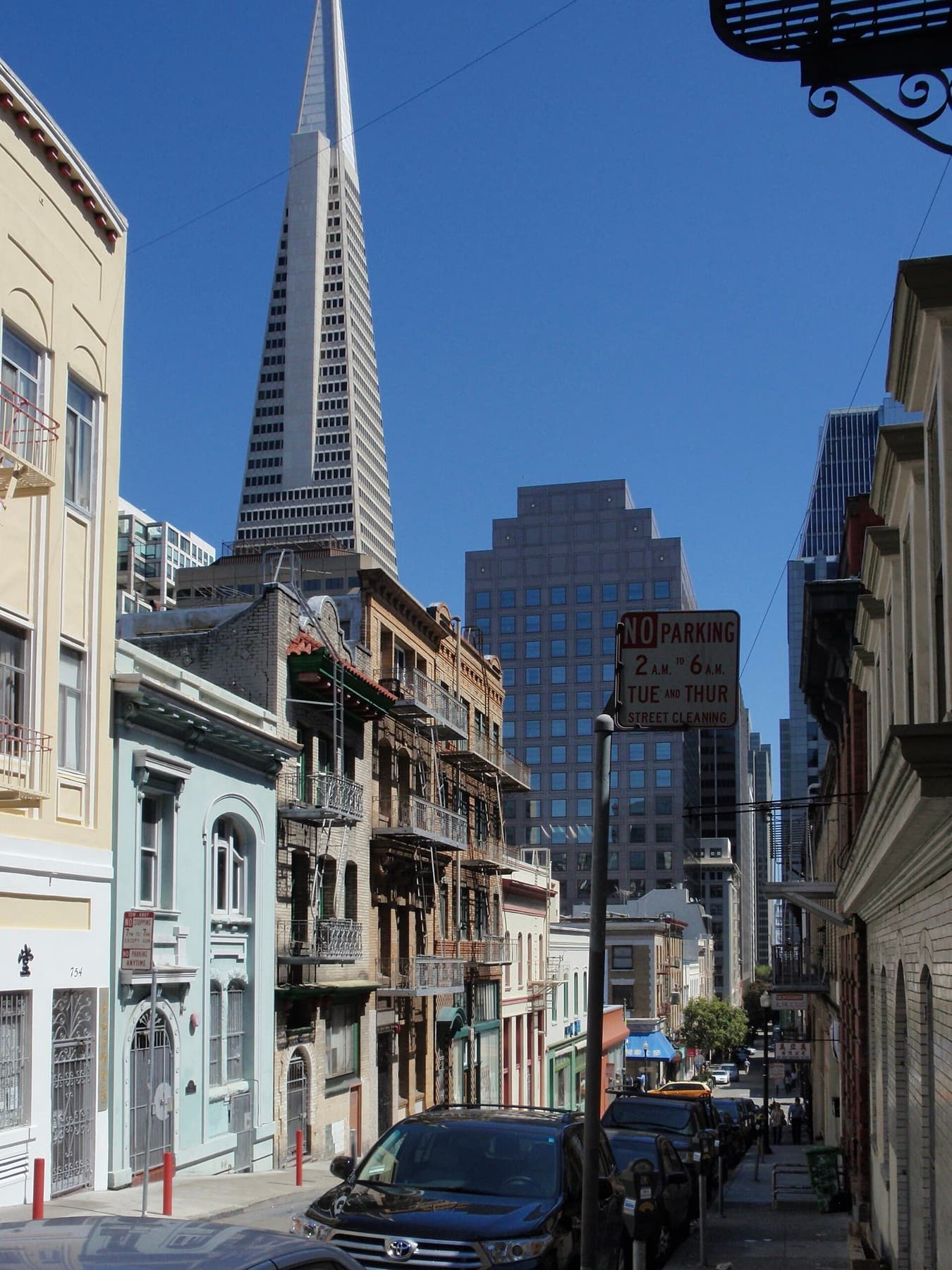
Chinatown history, Sunset dim sum, Oakland corridors, and Bay Area diaspora culture at urban scale.
View guide →

Vancouver
North America · Canada
Pacific Rim city with exceptional Asian food, nature access, and diaspora community depth.
View guide →
Seattle
North America · United States
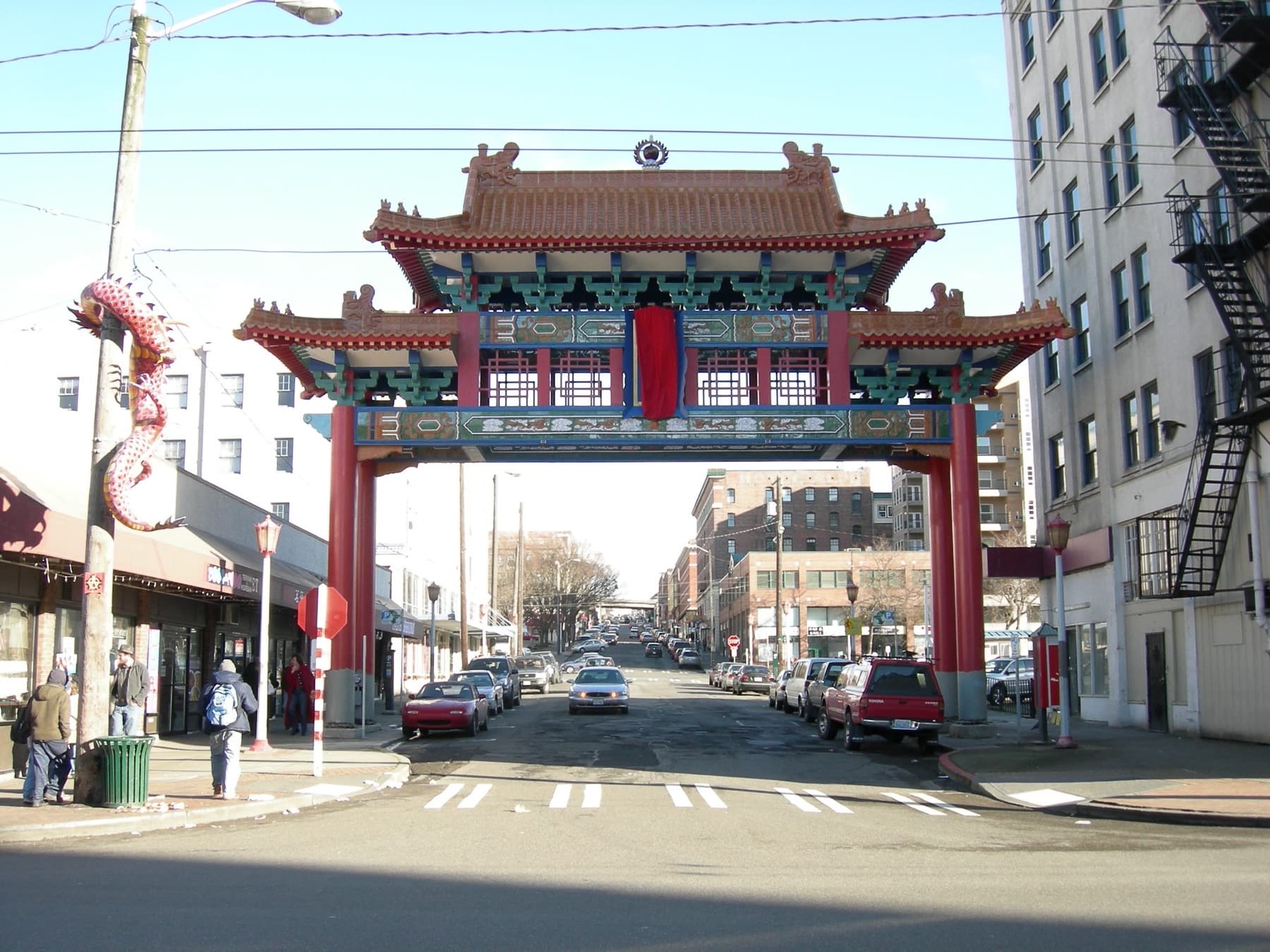
Chinatown, Japantown, and Little Saigon in one district—plus Beacon Hill Filipino kitchens and a ferry ride across Elliott Bay.
View guide →
San Diego
North America · United States
Convoy Street for pan-Asian strip-plaza eating, Plaza Boulevard and Mira Mesa for Filipino San Diego, Chicano Park under the bridge—and a border day you plan for the wait home.
View guide →
Still ahead on this map
Cities we intend to open next—useful as trip ideas even before a full guide exists.
- Portland
- Las Vegas
- Salt Lake City / Wasatch
- Phoenix / Tucson
- Denver / Front Range
- Santa Fe / Albuquerque
- Anchorage
Before you book
- Hawaiʻi belongs with Oceania / Polynesia on this site, not under this West map.
- Vancouver sits here because Cascadia already travels as one Pacific basin with Seattle and Portland.
- Seattle’s guide leads with the Chinatown–International District and Little Saigon, not the Space Needle.
- Arches dropped timed entry for 2026; entrance lines and parking holds can still eat half a day—check the park webcam before you leave Moab.
- LAX, SFO, SEA, and YVR remain the densest Asia leisure and family-visit doors into this coast.
- A week that never leaves coastal downtowns is only half of the West this hub is for.