Antarctica Expeditions: Humility or Flex?
Almost every visitor arrives on the same IAATO-regulated package cruise. The question is whether you are paying for awe or for a seventh-continent caption.
You cannot just show up
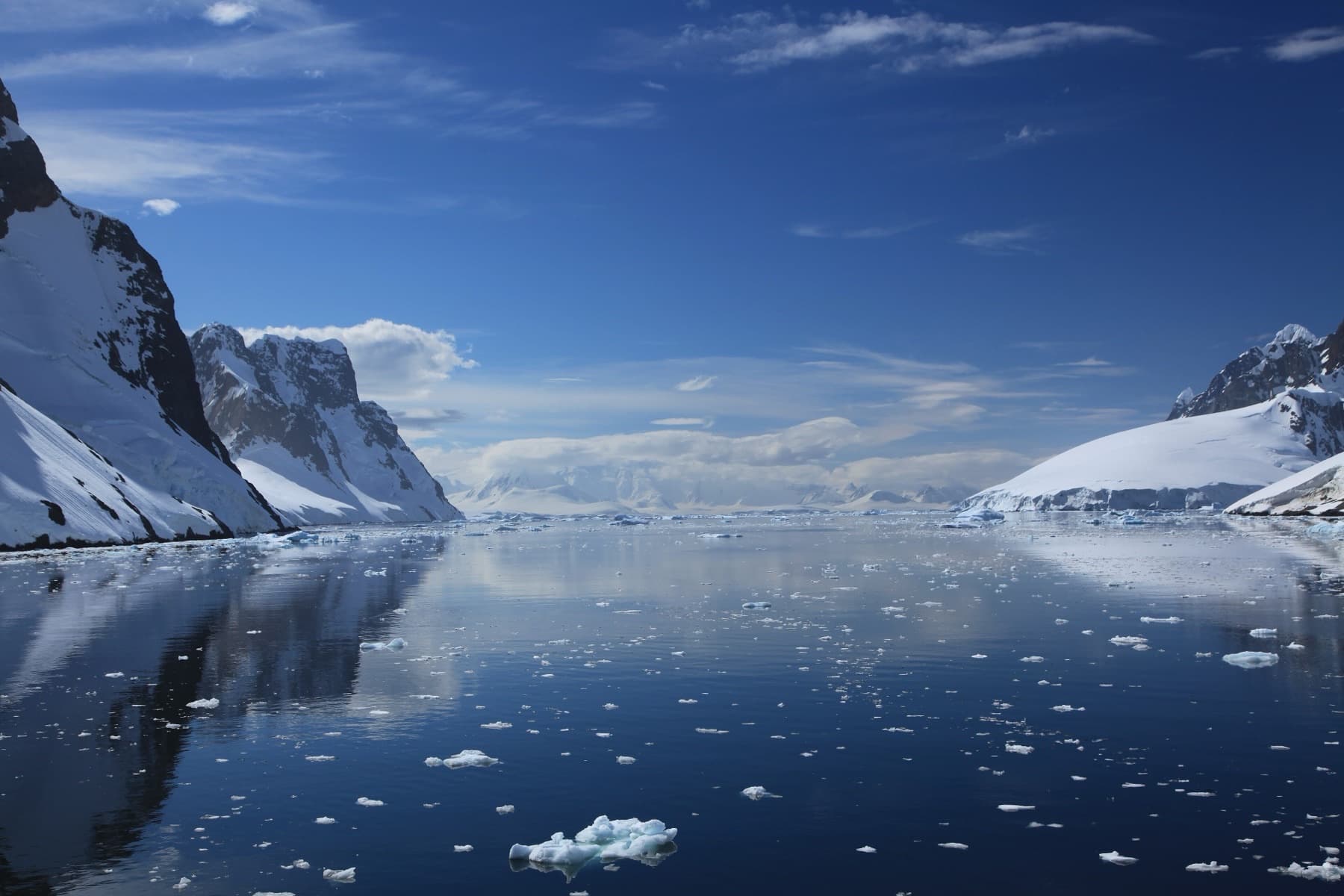
Antarctica has no commercial airport for tourists, no Airbnb, no visa-on-arrival wandering.
Normal travelers reach the continent only through IAATO-member operators: expedition ships, air-cruise hybrids, or rare yacht charters, all pre-booked, permitted, and scheduled.
The International Association of Antarctica Tour Operators reported 118,491 total visitors in the 2024–25 season and 113,518 in 2025–26, a modest year-over-year dip driven mainly by fewer cruise-only sailings, not by collapsed demand.
Long-term growth is the bigger story: IAATO figures and academic summaries put the industry at roughly 8,000 visitors in 1993–94 and above 120,000 by 2023–24: a scale treaty parties now debate openly.
About 98 percent of vessel tourism runs on the Antarctic Peninsula between October and April, and the vast majority of those voyages depart Ushuaia, Argentina: the port industry sources often describe as handling more than 90 percent of Antarctic-bound ships.
Punta Arenas, Chile, is the other common gateway, especially for fly-cruise itineraries that fly passengers over the Drake Passage to join a ship already south.
You cannot replicate this trip with points and a backpack.
You buy a catalog product, usually ten to fourteen days from gateway city to gateway city, with IAATO environmental protocols baked in before you pack.
That is not a moral verdict.
It is the logistics.
What the fare actually buys
Expedition-industry pricing clusters around bands operators and brokers publish for 2026–27 sailings, not secret numbers.
A standard ten-to-twelve-day Peninsula voyage with Zodiac landings typically runs about $8,000 to $18,000 per person double occupancy, with many brokers citing an industry average near $10,000 before extras.
Entry fares near $7,500 exist on older or shoulder-season ships; luxury suites and long South Georgia itineraries push past $25,000 to $35,000 or more.
Fly-cruise programs that skip the Drake by charter flight from Chile often add roughly $4,000 to $7,000 on top of base fares for the time saved, not for a different continent.
The critical product split is landed expedition versus cruise-only.
IAATO’s 2025–26 data counted 85,195 landed visitors against 27,217 cruise-only passengers, people who saw Antarctica from a large ship but did not disembark under landing rules.
Ships carrying more than 500 passengers cannot put anyone ashore in Antarctic waters at all; they sail past the scenery.
Sub-$5,000 "Antarctica cruises" marketed online often belong to that category.
To stand on the continent you need a smaller expedition vessel and a fare closer to that $8,000 floor.
Budget another $1,000 to $2,000 for mandatory emergency-evacuation insurance, plus flights to Ushuaia or Punta Arenas, often via Buenos Aires or Santiago, and gear for wet landings.
The all-in trip many first-timers actually pay is closer to $12,000 than the brochure headline.
What actually happens at sea
Marketing sells penguins and cathedral ice.
The week itself is closer to a regimented small-group tour on a moving hotel.
Most classic itineraries cross the Drake Passage from Ushuaia: a roughly two-day each way open-ocean crossing where seasickness patches earn their keep, then run a loop of Peninsula sites.
IAATO caps landings at 100 passengers ashore from one vessel at any time, with at least one guide per twenty guests.
Ships around 100 to 120 passengers can often land everyone in one rotation; larger expedition ships split guests into color-coded groups, trading an hour on shore for an hour in Zodiacs until everyone rotates.
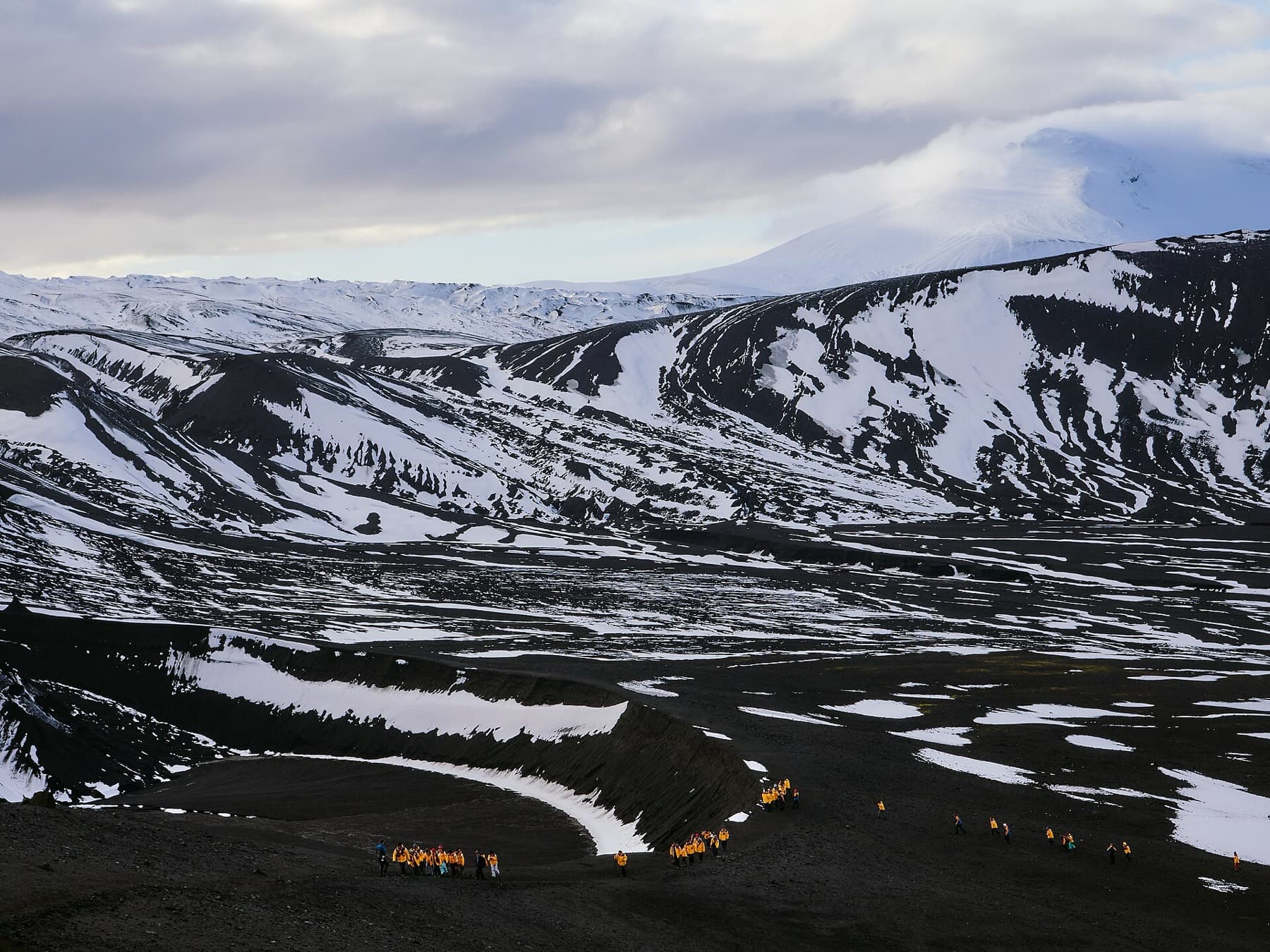
A typical landing day starts with a briefing, mud-room layering, and a wet exit from the Zodiac into calf-deep water.
Shore time often runs ninety minutes to two hours per site, weather and wildlife permitting, and permission is never guaranteed.
Expedition leaders cancel or swap sites when wind, ice, or avian-flu protocols require it; passengers who treat the schedule as fixed learn quickly.
Between landings there are lectures, meals, and enforced biosecurity (vacuum your pockets, bleach your boots).
Internet is slow or paid.
You are a client on a guided nature program, not an explorer improvising a route.
The awe can be real.
So is the structure.
How it gets marketed and posted
Operators sell transformation: "once in a lifetime," seventh continent, pristine wilderness, expert-led discovery.
Luxury lines invite celebrities; Nicole Kidman posted her Silversea voyage to Antarctica as her seventh continent, banner photos and all, in January 2025.
Travel media frame the same trip as the new status symbol.
The Source argued in 2025 that adventure travel replaced cars and watches in the flex hierarchy because Antarctica is expensive ($10,000 to $40,000-plus), hard to fake, and visually unmistakable on a feed.
The backlash is documented too.
The Observer reported in 2024 on influencers, including Naomi Jane Adams, posting sponsored Antarctica content while facing criticism for sustainability hypocrisy, you talk about the environment, then you go to Antarctica.
IAATO members operate under strict site guidelines; the climate argument is about cumulative tourism growth, not your single Zodiac landing.
High-achievement travelers, diaspora included, often feel pressure to treat the trip as résumé punctuation: continents collected, toughness proved, gratitude performed for family who never got the chance.
The continent does not care about your narrative.
Brochures do.
Read both.
The honest answer
So is it humility or flex? Often both, on the same ship.
You are on a package vacation, there is no cultural city to get lost in, no spontaneous street food arc, no version of this trip that looks like independent travel. The price filters who is in the dining room, and the seventh-continent milestone is literally marketed.
If you go to collect a continent checkbox and a hero photo, you are buying flex with better scenery than a resort pool.
The experience can still be genuine.
Seasickness is not performative.
Cancelled landings humiliate everyone equally.
Standing near a penguin colony with no town behind it can quiet people who did not expect to be quiet.
The travelers who get the most out of Antarctica are the ones who treat it as a guided wilderness trip with strict rules: not as proof of moral superiority over tourists in Paris, and not as a personality upgrade they can post on arrival.
Go if you want ice, silence, and the friction of weather you cannot control.
Skip it if you need a destination that makes you feel like you discovered something alone.
The ice will not validate you.
It will not embarrass you either, unless you came to perform.
Related stories

Tokyo Is Not a Beginner City, and That Is the Point
Tokyo punishes checklist tourism and rewards travelers who can tolerate not seeing everything.
8 min · Jun 1, 2026
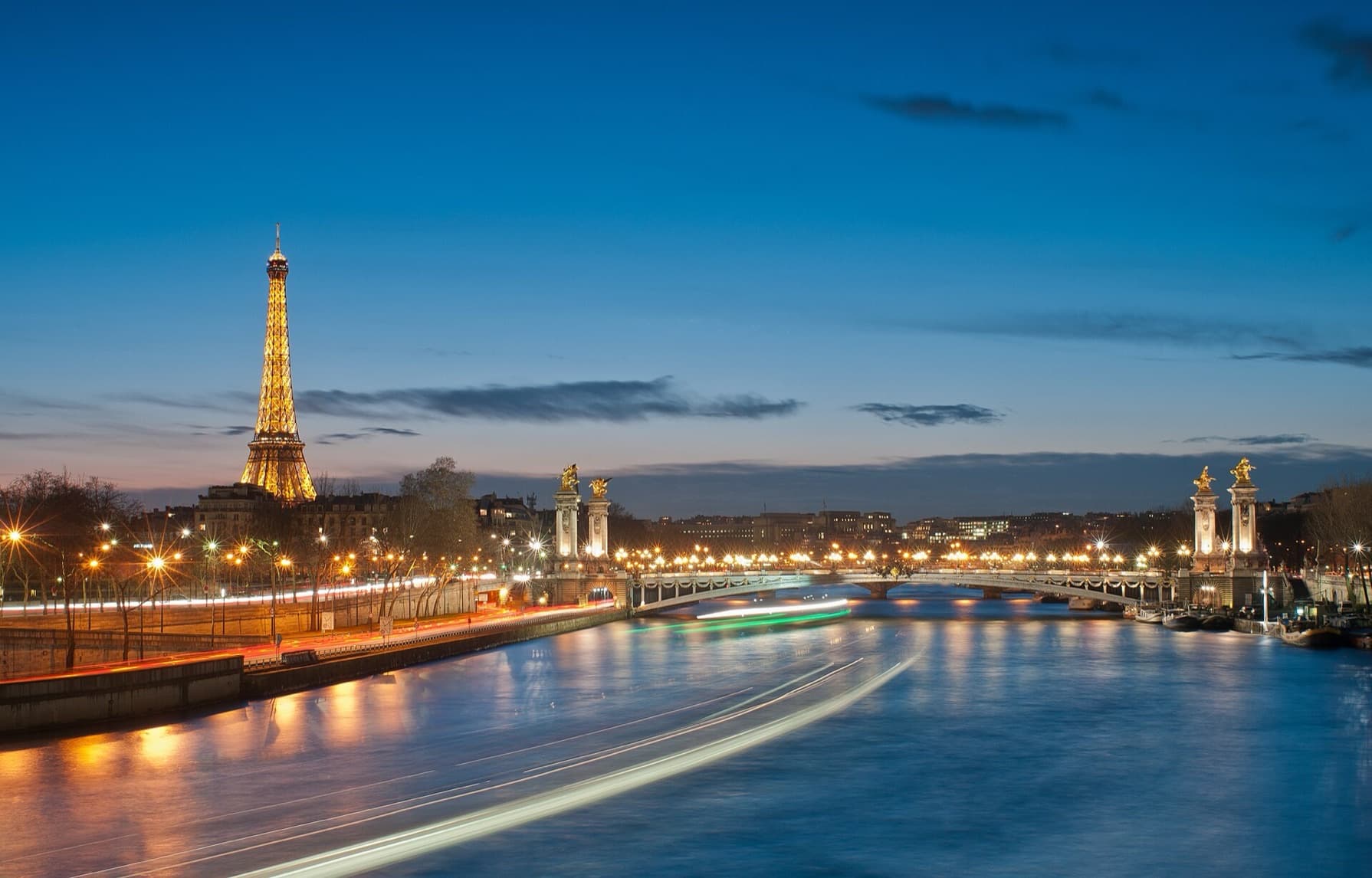
Paris Is Still Worth It, but Only If You Stop Performing Paris
Paris rewards taste, not enthusiasm.
7 min · May 20, 2026

Los Angeles Is a Better Food Trip Than Almost Anywhere
LA is a continent compressed into a county.
4 min · Apr 18, 2026

New York Is Still the Diaspora Weekend Standard
Every diaspora city is compared to New York eventually.
3 min · Mar 12, 2026