
Paris Is Still Worth It, but Only If You Stop Performing Paris
Food, fashion, and hotels for travelers tired of the postcard version.
Opening thesis
Paris is still worth it. The version worth having is slower, neighborhood-based, and built around repeatable rituals: not around proving the trip looked correct to someone who was not there.
Most bad Paris trips share a shape: over-scheduled days, over-dressed evenings, over-photographed meals, and a low-grade anxiety that you are failing a city that never agreed to grade you. That anxiety is performance.
It turns Belleville lunch into a footnote and the Eiffel Tower queue into a personality test.
A better Paris trip picks one arrondissement to learn, eats one serious meal and several normal ones, walks the Seine once without narrating, and leaves room to dislike something without guilt. Paris rewards taste, not enthusiasm.
The city improves when you stop narrating your own trip in real time.
The performance trap
Asian diaspora travelers often arrive carrying double consciousness: expected to admire, wary of being admired, half-student and half-subject in a city that wrote the textbook on looking.
The performance trap is not only for influencers. It is for anyone who treats admiration as homework, queue for the view, order the correct wine, feel appropriately moved by architecture you saw in a film before you saw it in rain.
Luxury can become part of the script: the bag, the hotel lobby, the reservation posted as proof you understood Paris.
You do not owe Paris gratitude on a schedule. You owe yourself one honest week where a Vietnamese lunch in Belleville matters as much as a bistro with a waitlist.
Asian Paris: the 13th, Belleville, the Korean and Japanese pockets that complicate the postcard, is not a consolation prize. It is often where the city feels least like a costume.
Leave room to bore yourself for an afternoon. Boredom is data. It tells you which arrondissement you would actually return to, not which one photographed well at golden hour.

Pick a neighborhood, not a fantasy
Stay in the 10th, 11th, Marais, or Left Bank pockets where bakeries open before your jet lag ends. The view room is rarely worth the personality tax.
Paris hotel logic for culturally fluent travelers: walk to dinner, sleep near a Métro line you will use daily, and accept that you will see the Eiffel Tower once from a bridge rather than every morning through glass.
The 11th and 10th give you real bistros, wine bars around Oberkampf, and the pleasant friction of a city that still feels lived-in.
The Marais pairs morning shopping with lunch sitting down.
Merci and the small concept shops reward walking, not sprinting.
The Left Bank trades some noise for excellent bread near Luxembourg and café rhythm that does not require a reservation.
Avoid booking near major monuments unless you enjoy paying for crowds you will only enter once. Boutique properties beat global flags when staff remember that you prefer a quiet table and a late checkout without theater.
If you are traveling with family, elevators and bathroom layout matter more than arrondissement prestige. Parents will remember whether they could rest after lunch, not whether the hotel had a postcard view.
Eat one serious meal and several normal ones
One reservation you fought for. One bistro you walked into because the chalkboard looked serious. One market lunch where you bought cheese like a person who lives nearby, even if you do not.
That is a Paris food week: not twelve restaurants, not a Michelin crawl unless you actually care about tasting menus as education rather than trophies. Book the hard reservation early in the trip, night two or three, after jet lag softens but before you are tired of dressing.
Walk into a neighborhood bistro on a different night and accept whatever the chalkboard offers. Sit at a market counter for lunch and watch how Paris eats when nobody is performing romance.
Asian Paris meals belong in the same week as classic French ones: pho in Belleville, Japanese precision near Opéra, Chinese regional depth in the 13th. The contrast is the trip.
Pretending you must choose between them is the old performance script.
Bakery breakfast counts. A warm baguette, coffee standing at the counter, butter on your fingers, that is Paris before the city puts on its evening clothes.
Museums need pacing
The Louvre alone can eat a week you do not have. One museum with a thesis beats three tired hours between meals.
Pick by stamina, not guilt. Musée d’Orsay if you want manageable scale and light.
Centre Pompidou if modern energy suits you. A smaller gallery in the Marais if you want to leave before you hate art.
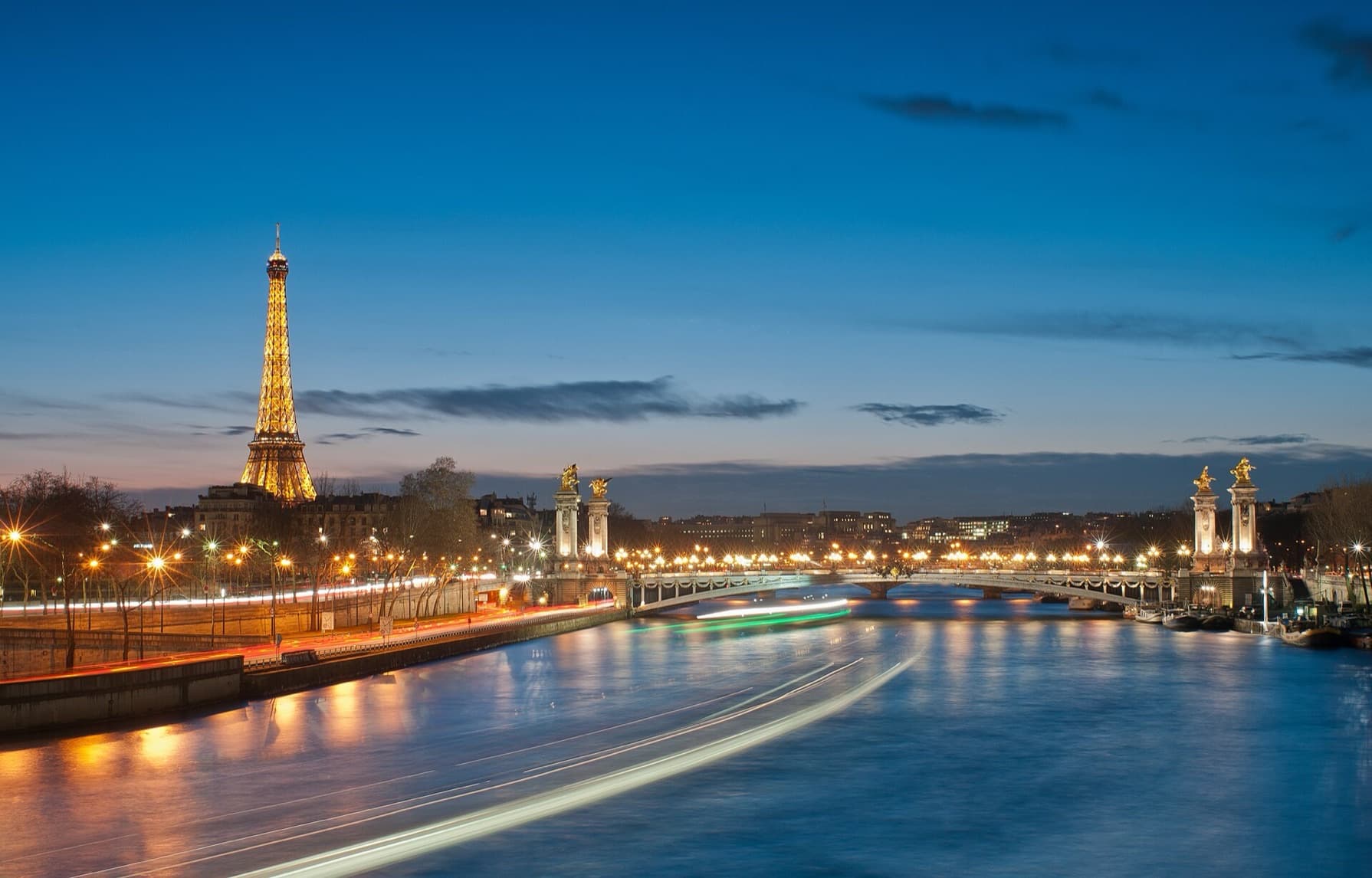
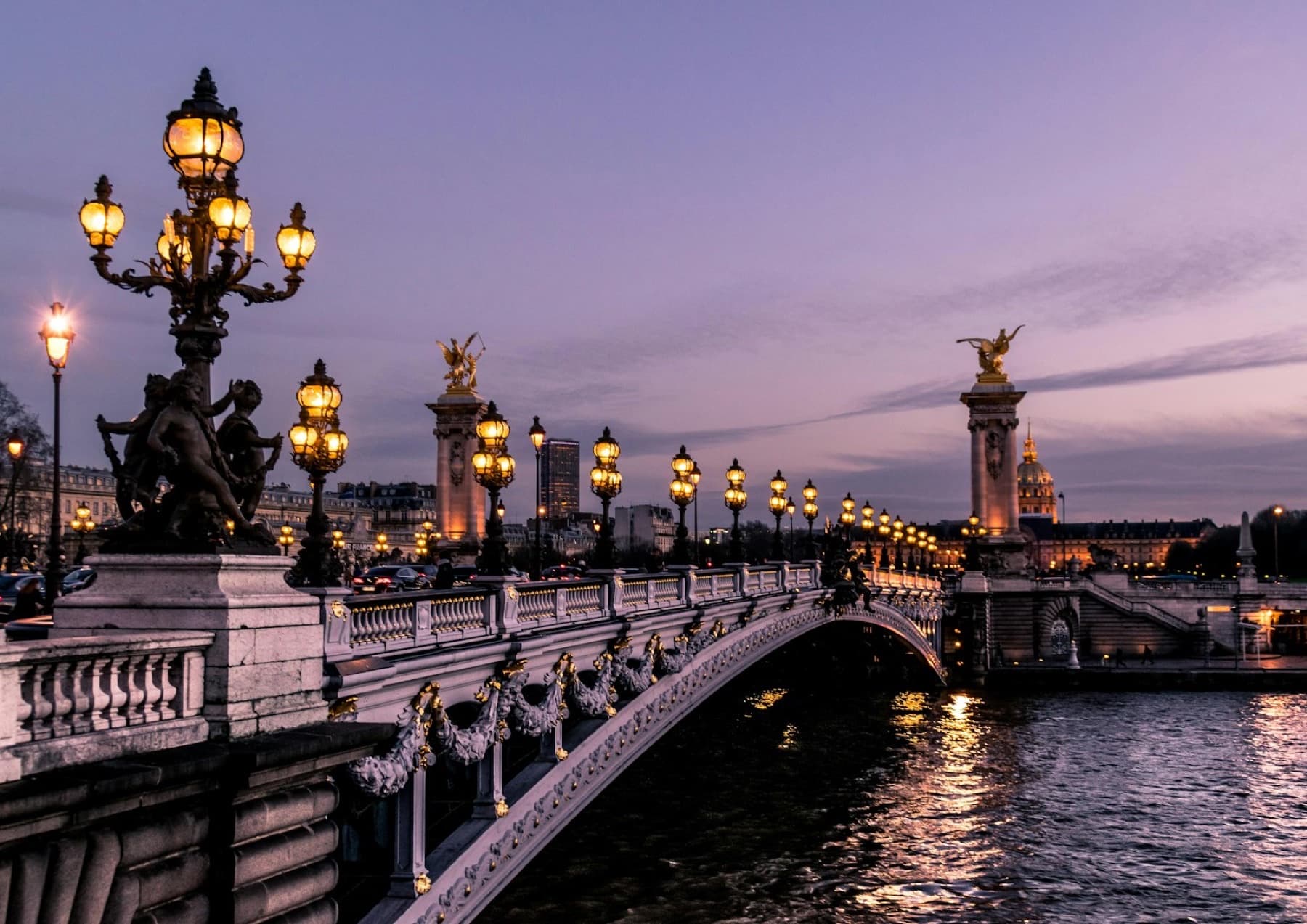
Schedule a walk after. Seine at dusk from Pont Neuf toward Île Saint-Louis, no destination required.
Museum panic is performance. You do not have to see everything to respect the city.
You have to see one thing clearly. Family trips need shorter windows and better lunch planning.
Elders may prefer a market sit-down to marble halls. That is not failure: it is pacing.
Shopping should be edited, not frantic
Le Bon Marché, Merci, and the small concept shops in the Marais can teach you how Paris treats objects: craft, proportion, restraint. That is different from treating shopping as proof you understood the city.
Asian travelers often arrive with sharper design literacy than the city expects from tourists. Use that.
Buy one thing you will use for years: not six things that signal you visited. Pair shopping with food in the same neighborhood: a morning in the Marais, lunch sitting down, one purchase you actually wanted.
Queue culture for a bag photo is optional. Sales seasons are real and crowded. If you hate queues, do not stand in one for an hour while pretending you are above them. Choose differently.
Where Paris is still difficult
August closures are real. Restaurants and shops disappear. If you must come in August, lower your performance expectations and raise your picnic standards: wine, cheese, baguette, a bench.
Stairs, narrow bathrooms, and Métro transfers punish bad shoes and heavy luggage. Service can feel brusque until you read it as efficiency, not hostility. Language helps; observation helps more.
Diaspora travelers may feel pressure to perform sophistication or gratitude in ways the city never requested. You are allowed to eat casually, skip a monument, and leave without a thesis about what Paris meant.
The city will survive your indifference to one arrondissement.
A better first Paris plan
Day one: bakery breakfast near your hotel, neighborhood walk, casual lunch, early sleep. Day two: market morning, museum with a time limit, bistro dinner without photos.
Day three: serious reservation you cared about, dressed for the room you booked. Day four: repeat the neighborhood that worked, same bakery, different hour.
Walk the Seine once at dusk and call it sufficient. Skip the elevator at the Eiffel Tower if queues offend you. Eat sitting down at least twice a day. Do not treat Asian Paris as anthropology. Eat, listen, repeat.
One week is enough to learn one arrondissement well. That is a successful Paris trip: not coverage, relationship.
Closing takeaway
Show up rested, eat seriously, walk without narrating, and leave knowing which arrondissement you would return to without an audience watching.
Paris is not a test you pass by spending money or posting proof. It is a city you learn by repetition: the bakery hour that works, the bistro that accepts walk-ins, the market lunch that costs less than your coffee at home and teaches more than a guidebook.
Stop performing Paris. The city is still worth it when you do.
Related stories
The Case for Planning a Trip Around One Reservation
One hard-to-get table can organize an entire itinerary with purpose.
3 min · Apr 5, 2026
Milan for People Who Care About Taste More Than Tourism
Milan is not a postcard. That is the point.
3 min · Mar 30, 2026

The Dolomites Are the Europe Trip for People Who Need Weather, Beauty, and Silence
Soft adventure in UNESCO limestone: rifugio lunches, alpine hotels, and roads that reward patience.
6 min · Jan 8, 2026
The Couple Trip That Reveals Everything
If the relationship survives packing, it can survive anything.
3 min · Jul 10, 2025