
Asia’s Best Second Cities for a Longer Stay
Kanazawa, Busan, Tainan, Penang, Chiang Mai, Da Nang, and Kochi keep the food and culture you came for—without the capital performance anxiety.
What a seven-to-fourteen-day city actually needs
The first Asia trip often defaults to the capital because airports, guidebooks, and group chats agree. The second or third trip is when the question changes: where can you stay long enough to do laundry, pick a breakfast place twice, and stop narrating every block as content?
A city earns a week or two when it has a food spine you can walk or ride without a daily logistics summit, enough neighborhoods to rotate without commuting across a megacity, and soft nature or heritage within an easy radius. Ideal length is honest, not aspirational. Some of these places fill five excellent days; stretch to ten or fourteen only when you add rest mornings and day trips on purpose.
Who gets bored is part of the filter. If you need a new skyline every night, stay in the capital. If you want depth without the queue Olympics, book the second city as the main act.
Kanazawa instead of Kyoto
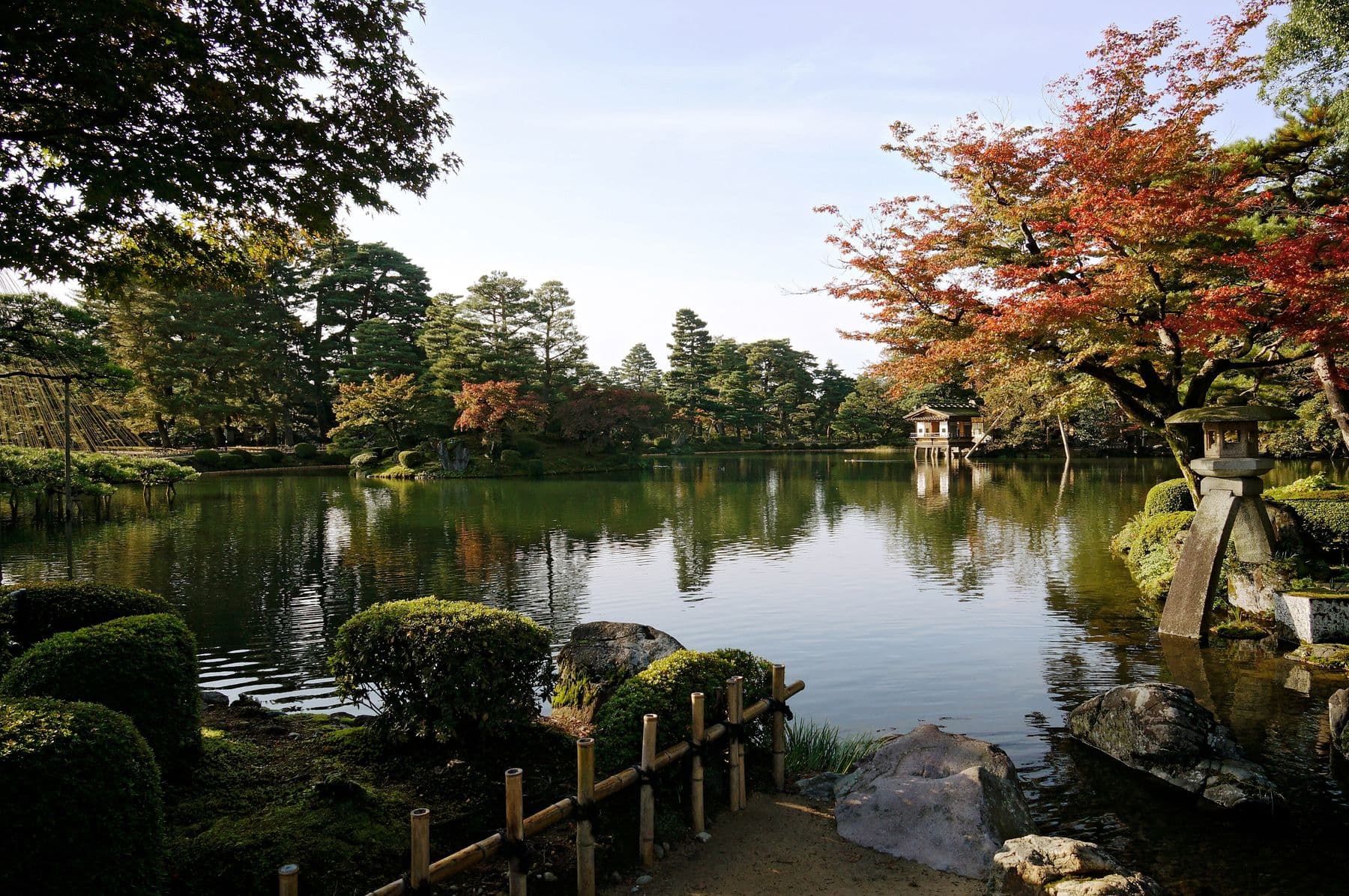
Kanazawa keeps gardens, teahouse streets, and craft culture without Kyoto’s dawn-alarm temple economy. Kenrokuen, the Nagamachi samurai district, and Higashi Chaya sit in a compact loop. Omicho Market makes seafood the daily argument for staying another night.
It outperforms Kyoto on crowd relief and walkable density. It does not replace Kyoto’s sheer temple scale—and it should not try.
Ideal stay: five to eight days; longer if you add Noto Peninsula or craft workshops. Boredom risk: travelers who need a famous shrine selfie every morning. Base near Korinbo and Katamachi for evening walking, or by the station if arrivals and day trips matter more than nightlife.
Busan instead of Seoul
Busan is Korea with a coastline and a market breakfast habit. Haeundae and Gwangalli handle beach days; Jagalchi and Nampo handle seafood and old-city texture. Metro Lines 1 and 2 keep the geography readable if you stop trying to do east-coast and west-city in the same afternoon.
It outperforms Seoul when you want salt air, slower evenings, and less trend-district pressure. Seoul still wins for museums, nightlife volume, and inbound flight density.
Ideal stay: seven to ten days, with a Gyeongju day trip if history is the point. Boredom risk: people who booked Korea for Hongdae volume alone. Sleep in Haeundae or Gwangalli for leisure pacing, or closer to Jagalchi if the trip is mostly eating.
Tainan instead of Taipei
Tainan is Taiwan’s former capital and its most patient food city—beef soup for breakfast, danzai noodles, milkfish, temple courtyards that still feel used. The West Central District rewards wandering without a metro map in your hand.
It outperforms Taipei on concentrated traditional flavor and lower daily intensity. Taipei still wins for MRT convenience, international dining range, and soft-landing airport logistics.
Ideal stay: five to ten days. Boredom risk: travelers who need late malls and a new district every night. Base in West Central so dinner never requires a negotiation with a highway.
Penang instead of Kuala Lumpur
George Town’s UNESCO-listed streets—inscribed in 2008—layer clan houses, shophouses, temples, and hawker centers into a walkable argument for Malaysia. Char kway teow and asam laksa are not side quests here; they are the itinerary.
It outperforms Kuala Lumpur on heritage intimacy and food focus. KL still wins for mega-mall scale, flight connections, and big-city variety.
Ideal stay: seven to fourteen days if you add island beaches and repeat hawker lunches. Boredom risk: travelers who came for Petronas-level skyline theater. Stay in a George Town heritage hotel or a walkable core apartment so the day can begin with coffee and end with noodles on foot.
Chiang Mai instead of Bangkok
Chiang Mai offers an Old City moat you can actually circle, Nimman cafe density, a market calendar with Sunday and Saturday walking streets, and an airport close enough that arrival does not steal the first evening. Northern dishes—start with khao soi—give the food story a regional accent Bangkok’s range cannot fake.
It outperforms Bangkok on pace and heat recovery, with Doi Suthep as a half-day option rather than a traffic hostage situation. Bangkok still wins for 24-hour energy and absolute restaurant volume.
Ideal stay: seven to fourteen days. Boredom risk: people who ignore burning-season air quality roughly February through April, or who treat elephant shows as default entertainment—skip riding and research any wildlife visit carefully. Pick one base: Old City for temples and walking streets, or Nimman for dinner variety.
Da Nang instead of Ho Chi Minh City
Da Nang puts a real beach inside the city and keeps Vietnam’s services without Saigon’s full-contact traffic. My Khe mornings, cafe afternoons, and a Hoi An day or overnight give you coast plus heritage without living inside a megacity timetable.
It outperforms Ho Chi Minh City on outdoor recovery and calmer logistics. HCMC still wins for deepest food scenes, nightlife, and business infrastructure.
Ideal stay: seven to fourteen days in the dryer window when possible; respect the heavier rain and storm risk later in the year. Boredom risk: travelers who want neon until 2 a.m. every night. Base along the My Khe or An Thuong beach belt if swimming is the point of the week.
Kochi instead of Mumbai or Delhi
Fort Kochi and Mattancherry offer a peninsula pace—harbor light, spice-trade streets, Syrian Christian and Jewish heritage layers, Chinese fishing nets as waterfront punctuation—without asking you to win Mumbai or Delhi on day one. Backwater day trips and nearby beaches stretch a week without inventing a new city every morning.
It outperforms the metros on walkable heritage intensity and lower sensory load. Mumbai and Delhi still win when you need India’s full urban spectacle, flight hubs, or a packed museum calendar.
Ideal stay: seven to ten days. Boredom risk: travelers who came for megacity adrenaline alone. Base in Fort Kochi so evenings stay on foot.
How to choose—and how long to stay
Match the second city to the capital you are deliberately skipping. Want Japan without temple combat? Kanazawa. Korea with salt air? Busan. Taiwan for breakfast soup? Tainan. Malaysia for hawker heritage? Penang. Thailand with a moat and a mountain? Chiang Mai. Vietnam with a swim? Da Nang. South India without the metro crush? Kochi.
Book seven nights when the city itself is the point. Stretch toward fourteen only when you have named day trips and rest days, not when you are afraid of being bored at dinner. Pack laundry plans and a neighborhood grocery stop. That is what longer stays feel like when they work.
Read next: our Chiang Mai slower-north guide, Taipei soft-landing piece, and Seoul neighborhood filter if you still want a capital week—just do not pretend every Asia trip has to open in the biggest city on the map.
Related stories
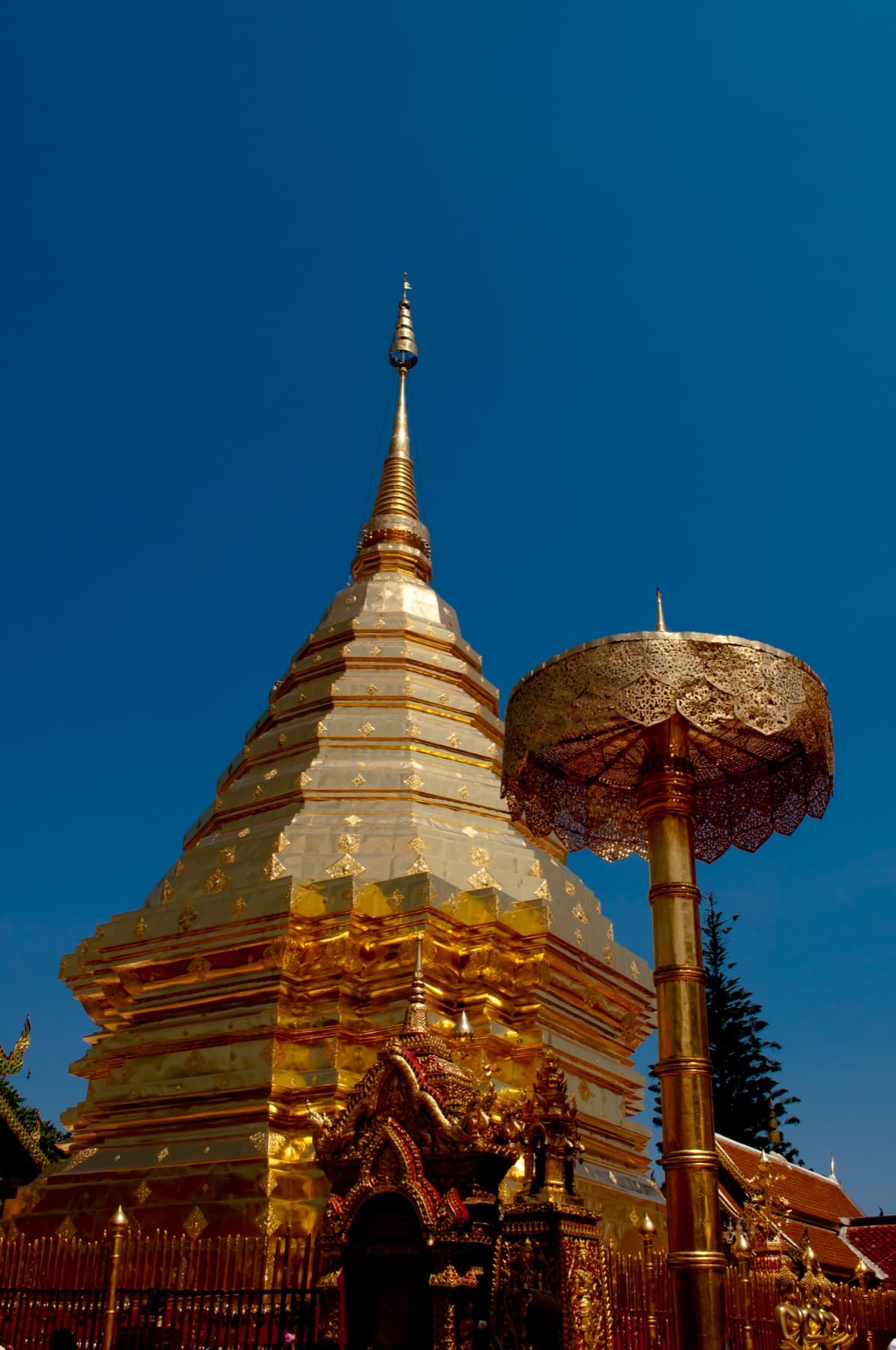
Chiang Mai Is Northern Thailand at Human Speed
After Bangkok’s volume, Chiang Mai teaches northern food and slower pacing without leaving Southeast Asia.
4 min · Jun 7, 2026
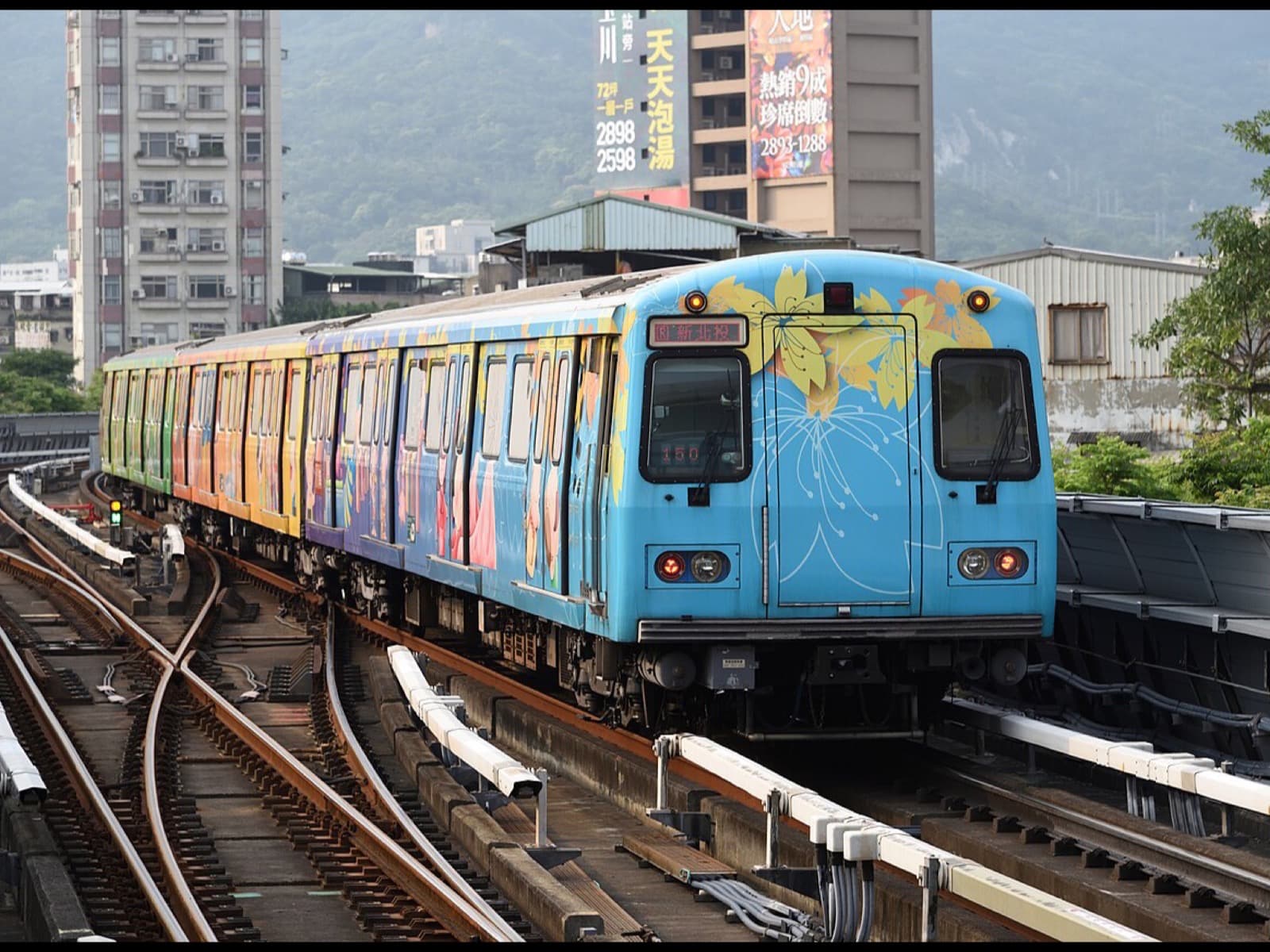
Taipei Is the Soft Landing More Asian Travelers Should Choose First
Why Taipei teaches you how to travel Asia before harder cities test you.
7 min · May 12, 2026
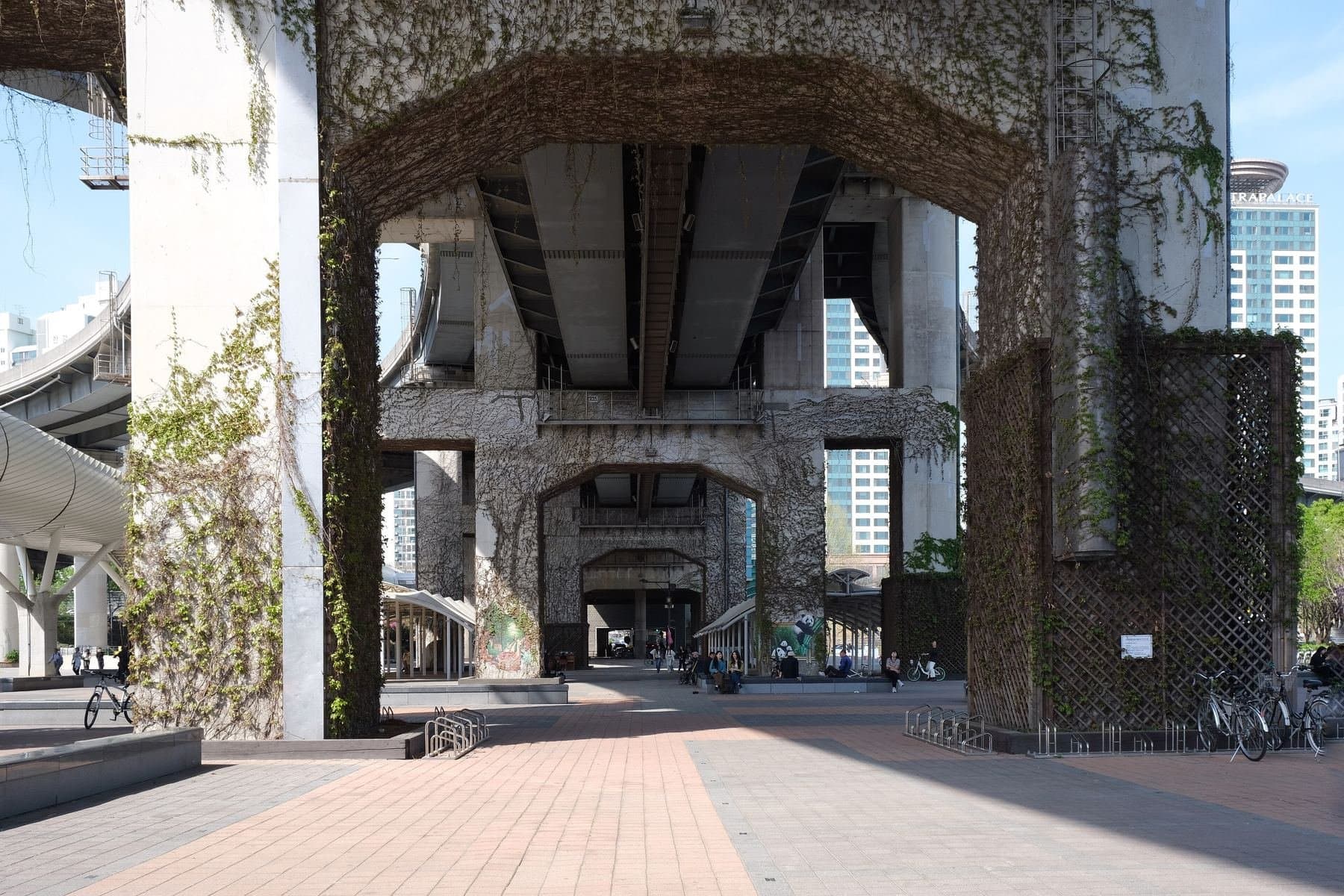
After the K-Drama: How to Do Seoul Without the Set-Jet Checklist
Ninety-four percent say K-culture sparked interest in Korea. Here’s a neighborhood-first week that does not turn into a location scavenger hunt.
6 min · Aug 3, 2026
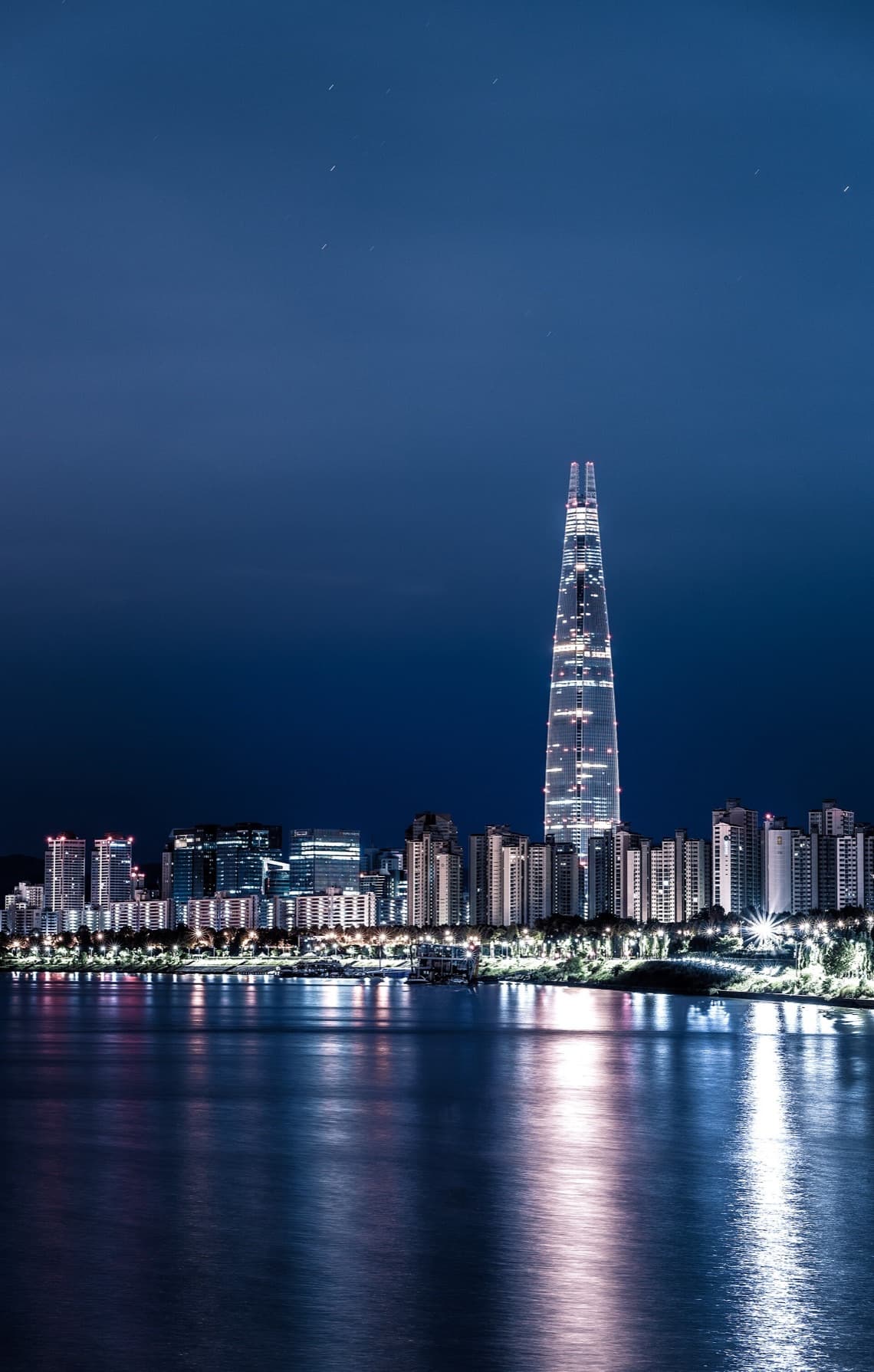
Seoul After the Hype Cycle
Beyond the export narrative: neighborhoods, markets, and meals that reward travelers who skip the trend checklist.
8 min · May 18, 2026
Related global reads
Transpacific Bound
Chiang Mai Is Northern Thailand at Human Speed
Transpacific Bound
Taipei Is the Soft Landing More Asian Travelers Should Choose First
At the Banquet
The new Banquet: Vietnam
Goldsea
Asia’s 8 most romantic places and the great love stories behind them
At the Banquet
The new Banquet: South Korea